Potamogeton crispus
Also known as Curly-leaf pondweed, Curled pondweed, Curly pondweed
FreshwaterBrackishStemCuttings
Invasive. Regulated as an invasive aquatic plant across much of the United States, including as a prohibited species in Minnesota. Never release into the wild; dispose of trimmings in the trash.
Care at a glance
- Light
- Low light
- CO2
- No CO₂ needed
- Temperature
- 39–75°F
- 4–24°C
- Max height
- 31.5 in
- 80 cm
- Growth rate
- Fast
- Placement
- Background
- Type
- Stem
- pH
- 6.5–8.5
- Hardness
- 4–18 dGH
- Spread
- 3.9 in (10 cm)
- Nutrient uptake
- Root + water column
- Growth region
- Submersed
- Difficulty
- Easy
- Family
- Potamogetonaceae
- Origin
- Eurasia, Africa and Australia; introduced almost worldwide
Overview
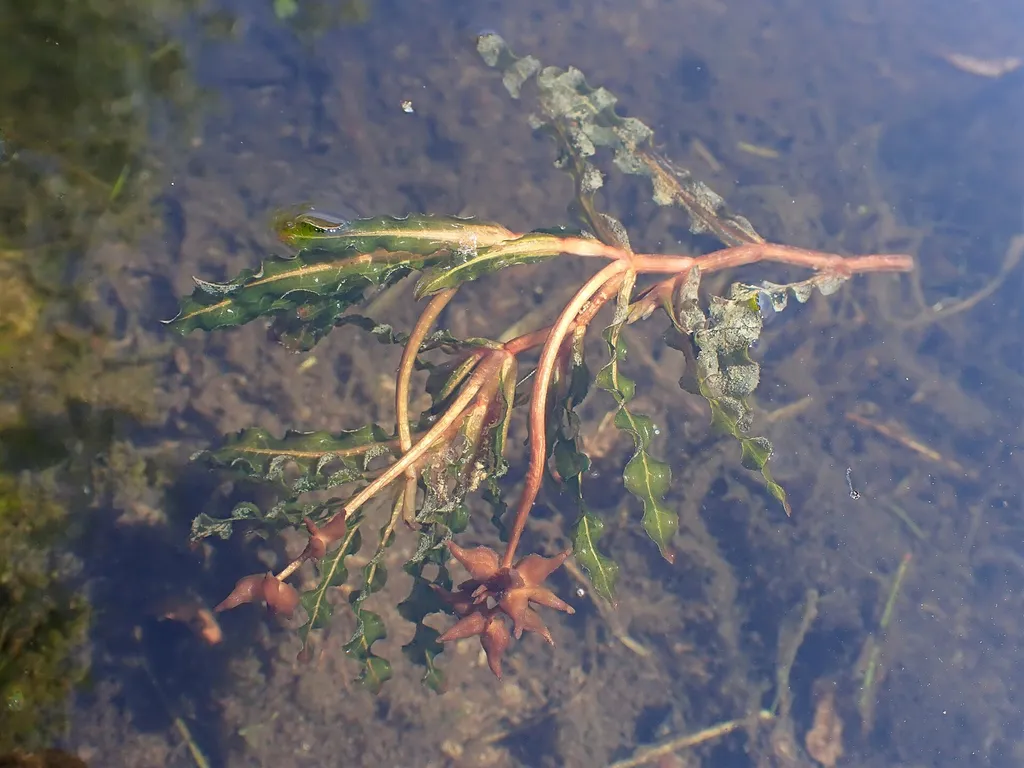
Potamogeton crispus is an easy, fast-growing pondweed for unheated tanks, coldwater setups and ponds rather than tropical aquascapes. Its translucent, wavy, dark green leaves read a little like Bolbitis and make a distinctive background.
Did you know
Potamogeton crispus grows under ice. It starts its growing season in winter, a head start that lets it smother native plants where it has been introduced.
Caring for Potamogeton crispus
Strip the lower leaves and push the stems into the substrate, a little apart. In cool water Potamogeton crispus is close to indestructible. Low light is enough, and it needs no CO2.
It feeds through its roots and its leaves, so root tabs and a liquid fertilizer both help. Warm tropical water works against its natural rhythm and can push it into summer dieback. Keep it at 39 to 75°F (4 to 24°C).
Rooted stems grow fast, so cut them back regularly before they run along the surface. It is a regulated invasive across much of the United States. Never let fragments or trimmings leave the tank except in the trash.
Good to know
Potamogeton crispus is a pondweed in the family Potamogetonaceae. The name crispus means curled, for its wavy-edged leaves with finely toothed margins, up to about 7.5 cm long. Thin rhizomes creep through the substrate and send up long, branching stems. It reproduces by fragments and by turions, its hardened winter buds. It stands out in its genus for growing wholly submersed, with no floating leaves.
In the wild
Potamogeton crispus is native to Eurasia, Africa and Australia and has spread across much of the rest of the world. It grows rooted in lakes, ponds, canals and slow rivers, in fresh and slightly brackish water. It peaks in late spring, then dies back in high summer and restarts from its turions. It tolerates water as cold as 1 to 4°C.
Common questions
Does Potamogeton crispus need to be planted in the substrate?
Yes. Strip the leaves from the lower part of each stem, then push the stems into the substrate one at a time, a little apart.
Does Potamogeton crispus need CO2?
No. Potamogeton crispus grows well without added CO2 and suits a low-tech tank.
How much light does Potamogeton crispus need?
Potamogeton crispus is a low-light plant, and the light that comes with a standard tank kit is enough for it.
Does Potamogeton crispus need root tabs?
They help. Potamogeton crispus takes nutrients through both its roots and its leaves. Root tabs near its roots and a liquid fertilizer cover both.
How do you propagate Potamogeton crispus?
Potamogeton crispus propagates by cuttings. Cut off the top of a stem and replant it, and the stump left behind grows new shoots.
How tall does Potamogeton crispus grow?
Potamogeton crispus grows to about 31.5 in (80 cm) tall. It grows fast, so expect to trim it often.
Related plants
 Medium lightBackground23.6 in (60 cm)
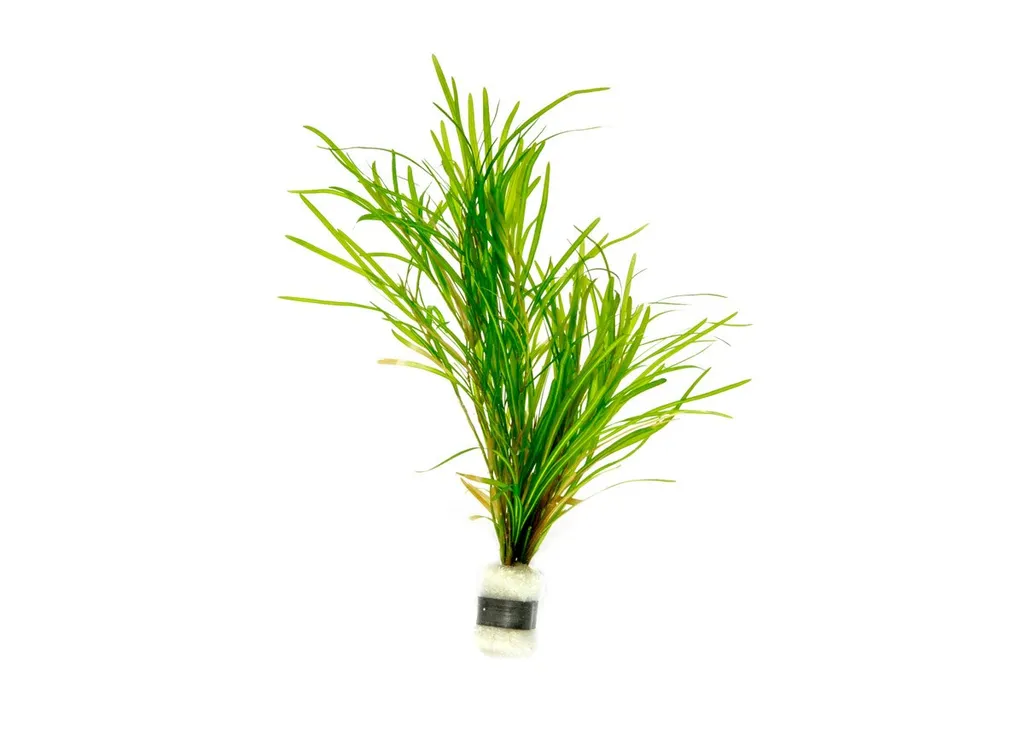
Potamogeton gayi
Medium light · Background
 High lightBackground31.5 in (80 cm)
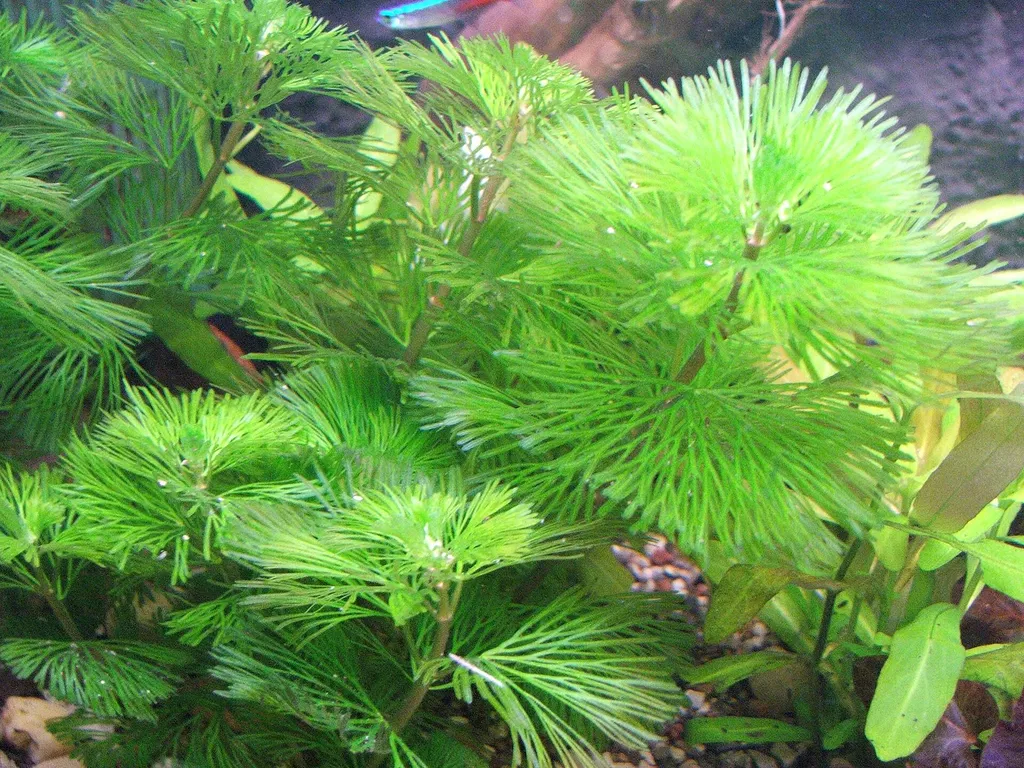
Giant cabomba
Cabomba aquatica
High light · Background
 Medium lightBackground39.4 in (100 cm)
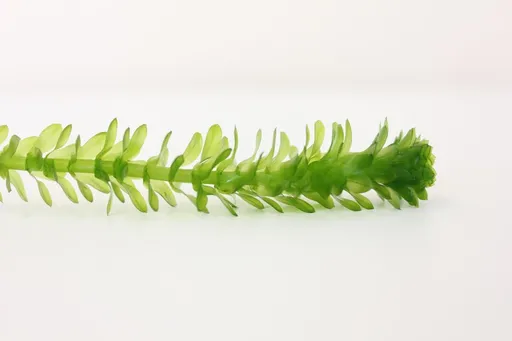
Waterweed
Egeria densa
Medium light · Background
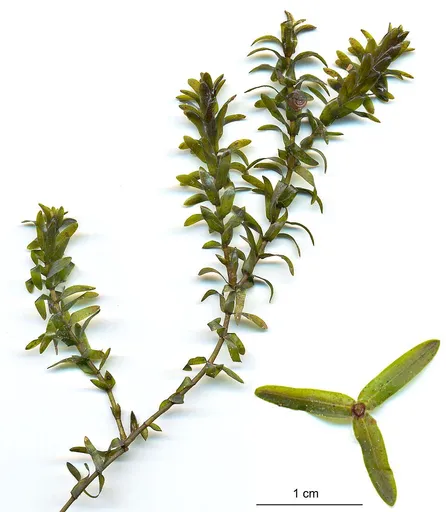 Low lightBackground23.6 in (60 cm)
Canadian waterweed
Elodea canadensis
Low light · Background
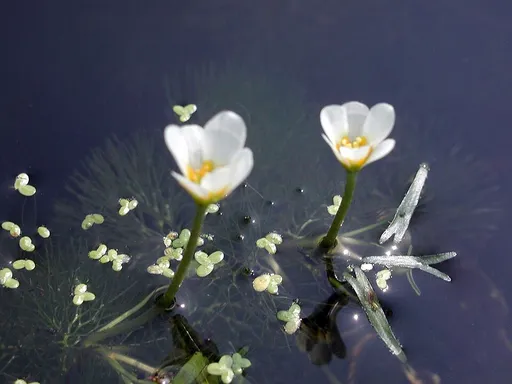 High lightBackground23.6 in (60 cm)
Green cabomba
Cabomba caroliniana
High light · Background
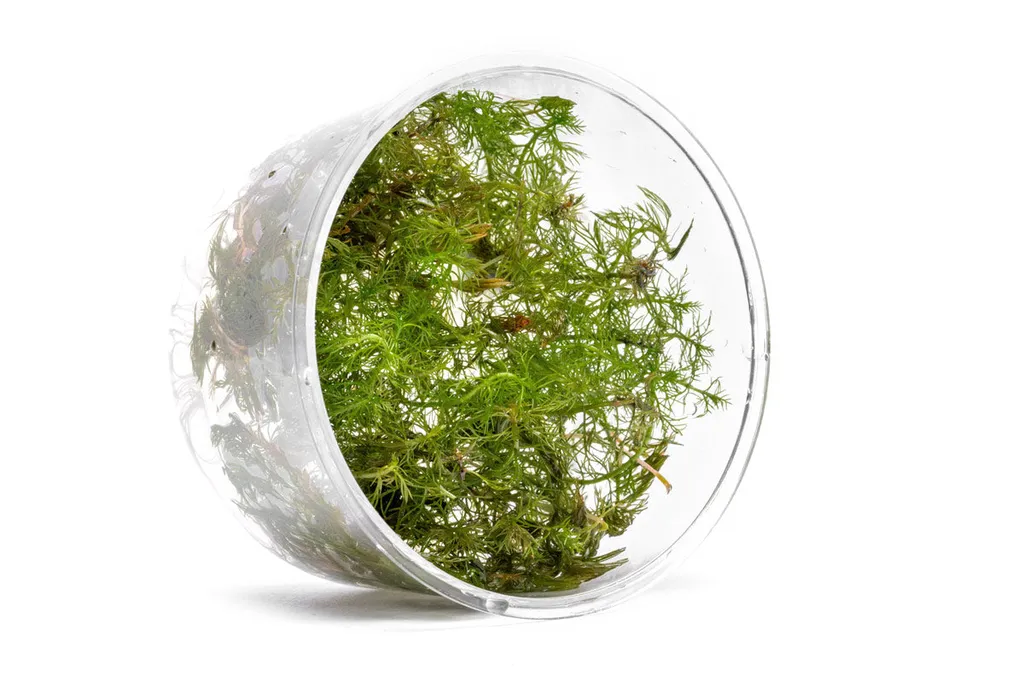 High lightBackground23.6 in (60 cm)
Myriophyllum Roraima
Myriophyllum sp. 'Roraima'
High light · Background