Red cabomba
Cabomba furcata
Also known as Purple cabomba, Red fanwort, Cabomba piauhyensis
FreshwaterStemCuttingsSide shoots
Invasive. Cabomba species are invasive and regulated in some regions (banned for sale in parts of the US and elsewhere). Never release into the wild; dispose of in the trash.
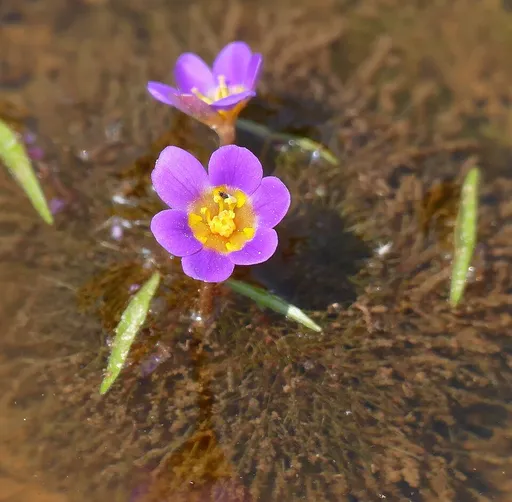
Care at a glance
- Light
- High light
- CO2
- CO₂ required
- Temperature
- 75–82°F
- 24–28°C
- Max height
- 19.7 in
- 50 cm
- Growth rate
- Fast
- Placement
- Background
- Type
- Stem
- pH
- 5.0–6.8
- Hardness
- 1–8 dGH
- Spread
- 3.1 in (8 cm)
- Nutrient uptake
- Root + water column
- Growth region
- Submersed
- Difficulty
- Difficult
- Family
- Cabombaceae
- Origin
- Central and tropical South America
Overview
Red cabomba is a feathery background stem with red-purple fans and one of the more challenging aquarium stems. It is rated difficult and belongs in a high-tech tank.
Did you know
Some Cabomba species are invasive noxious weeds in various regions. Red cabomba has the opposite problem in the aquarium, since it is fussy and prone to melting rather than taking over.
Caring for red cabomba
Plant red cabomba stems with space between them so light reaches the lower whorls. Strip the lower leaves and push each stem into a rich substrate on its own.
It needs very high light and pressurized CO2, plus strong, stable conditions and steady flow. Keep the water warm, soft and acidic, at 75 to 82°F (24 to 28°C). Aim for a pH of 5 to 6.8 and a GH of 1 to 8. It feeds through both roots and leaves, so add root tabs as well as a liquid fertilizer.
It grows fast, to about 20 in (50 cm), so expect to trim it often. Replant the cut tops, and the old stems push out side shoots you can plant on their own.
Without CO2 and high light it strips its leaves and rots from the base up. Swings in conditions make the red-purple fans melt and shed, so keep the tank steady.
Good to know
Red cabomba is Cabomba furcata, a member of the small aquatic family Cabombaceae. It has long circulated under the synonym Cabomba piauhyensis and is also sold as purple cabomba and red fanwort. Unlike many stem plants it cannot be grown emersed, so in cultivation it exists only in its submersed, feathery form.
In the wild
Red cabomba is widespread across Central America and tropical South America. Its range includes Brazil, Colombia, Peru, Venezuela and Guyana, plus parts of the West Indies. It grows in warm, shallow, slow-moving to stagnant acidic water of lakes, streams and floodplains. There it carries feathery fan leaves and small pink-purple flowers like tiny water lilies.
Common questions
Does red cabomba need to be planted in the substrate?
Yes. Strip the leaves from the lower part of each stem, then push the stems into the substrate one at a time, a little apart.
Does red cabomba need CO2?
Yes. Red cabomba needs injected CO2 to grow well, and it usually struggles without it.
How much light does red cabomba need?
Red cabomba needs high light from a strong planted-tank LED. In weaker light its stems stretch and drop their lower leaves.
Does red cabomba need root tabs?
They help. Red cabomba takes nutrients through both its roots and its leaves. Root tabs near its roots and a liquid fertilizer cover both.
How do you propagate red cabomba?
Red cabomba propagates by cuttings and side shoots. Cut off the top of a stem and replant it, and the stump left behind grows new shoots. Cut a side shoot off once it has a few leaves and plant it on its own.
How tall does red cabomba grow?
Red cabomba grows to about 19.7 in (50 cm) tall. It grows fast, so expect to trim it often.
Related plants
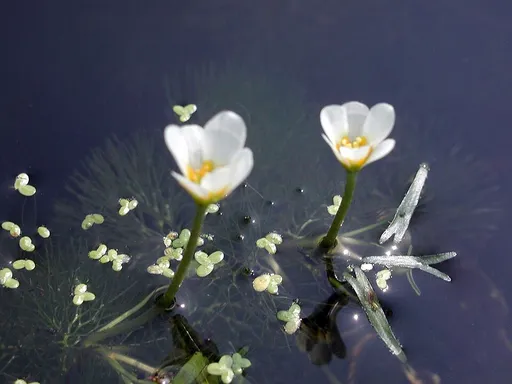 High lightBackground23.6 in (60 cm)
Green cabomba
Cabomba caroliniana
High light · Background
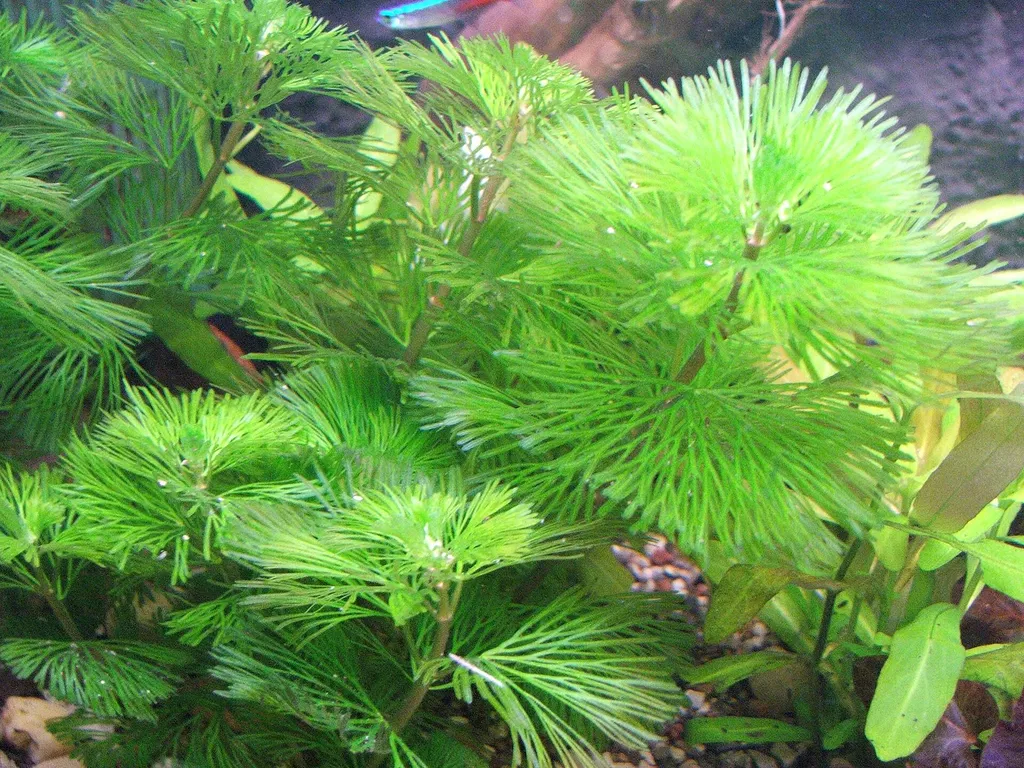 High lightBackground31.5 in (80 cm)
Giant cabomba
Cabomba aquatica
High light · Background
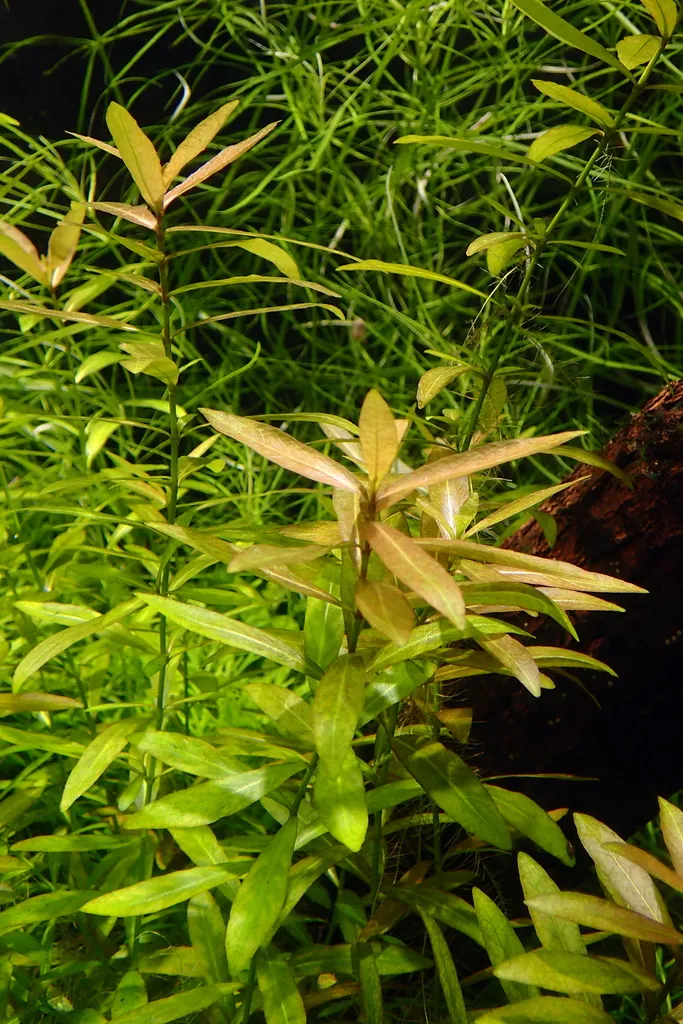 High lightBackground19.7 in (50 cm)
Ammannia gracilis
High light · Background
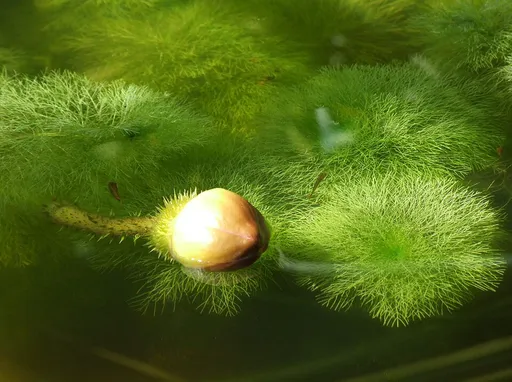 High lightBackground19.7 in (50 cm)
Giant ambulia
Limnophila aquatica
High light · Background
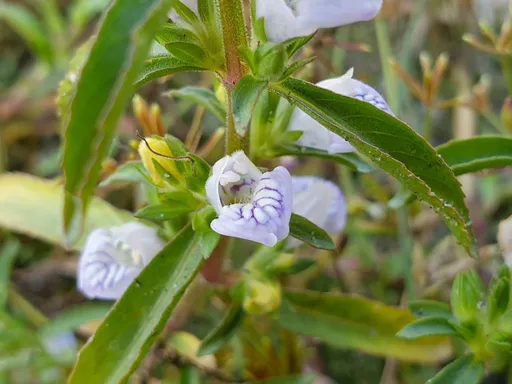 High lightBackground19.7 in (50 cm)
Hygrophila balsamica
High light · Background
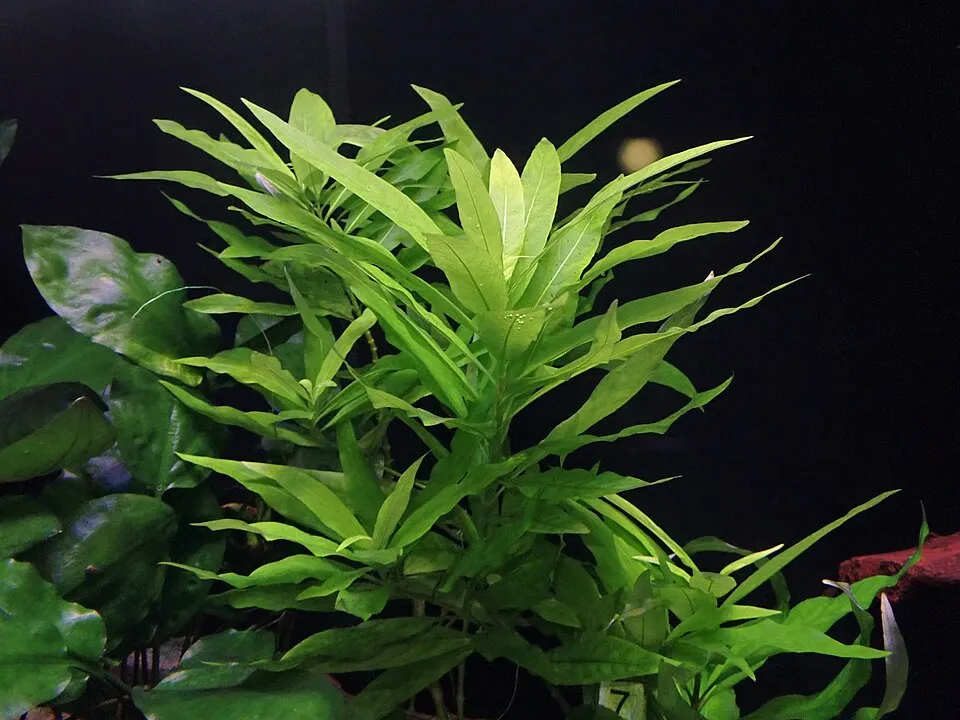 Low lightBackground19.7 in (50 cm)
Hygrophila corymbosa
Low light · Background