Star grass
Heteranthera zosterifolia
Also known as Stargrass, Water stargrass
FreshwaterStemCuttingsSide shoots
Care at a glance
- Light
- High light
- CO2
- CO₂ beneficial
- Temperature
- 68–82°F
- 20–28°C
- Max height
- 15.7 in
- 40 cm
- Growth rate
- Fast
- Placement
- Background
- Type
- Stem
- pH
- 6.0–7.8
- Hardness
- 4–18 dGH
- Spread
- 5.9 in (15 cm)
- Nutrient uptake
- Root + water column
- Growth region
- Submersed or emersed
- Difficulty
- Medium
- Family
- Pontederiaceae
- Origin
- Native to slow rivers, marshes, and floodplains across Brazil, Paraguay, Bolivia, and Argentina in tropical South America.
Overview
Star grass is a fast-growing stem plant for the background, with upright stems set with whorls of narrow, bright green leaves. It is rated medium in difficulty.
Did you know
Star grass gets its name from its leaves, which fan out into a neat star pattern under bright light. Seen from above, each stem looks like a star.
Caring for star grass
Plant star grass stems a couple of centimeters apart in the background. Give it strong light to keep it compact, since it stretches and looks leggy in a dim tank.
It grows much better with CO2 and steady dosing, though a patient keeper can manage it in bright light without CO2. It feeds through its roots and its leaves, so use root tabs as well as a liquid fertilizer. Keep it at 68 to 82°F (20 to 28°C).
Star grass grows fast, and given room and light it branches freely into a dense, feathery thicket. Trim the tops often and replant the cuttings to thicken the group. Side shoots can also be cut off once they have a few leaves and planted on their own.
Good to know
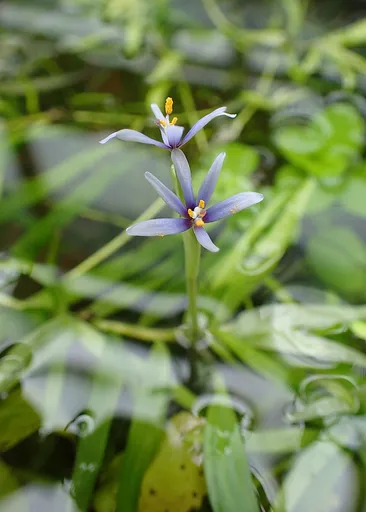
Heteranthera zosterifolia belongs to the pickerelweed family, Pontederiaceae, and is the only widely kept aquarium plant in its genus. The genus name refers to its two unequal stamens, a detail seen in its small flowers. It is closely related to the mud plantains of the Americas.
In the wild
Star grass is native to slow rivers, marshes and floodplains across Brazil, Paraguay, Bolivia and Argentina. In the wild it grows in slow, nutrient-rich waters, where it can carpet large areas and reach the surface.
Common questions
Does star grass need to be planted in the substrate?
Yes. Strip the leaves from the lower part of each stem, then push the stems into the substrate one at a time, a little apart.
Does star grass need CO2?
No, but it helps. Star grass can grow without injected CO2, and added CO2 makes it grow faster.
How much light does star grass need?
Star grass needs high light from a strong planted-tank LED. In weaker light its stems stretch and drop their lower leaves.
Does star grass need root tabs?
They help. Star grass takes nutrients through both its roots and its leaves. Root tabs near its roots and a liquid fertilizer cover both.
How do you propagate star grass?
Star grass propagates by cuttings and side shoots. Cut off the top of a stem and replant it, and the stump left behind grows new shoots. Cut a side shoot off once it has a few leaves and plant it on its own.
How tall does star grass grow?
Star grass grows to about 15.7 in (40 cm) tall. It grows fast, so expect to trim it often.
Related plants
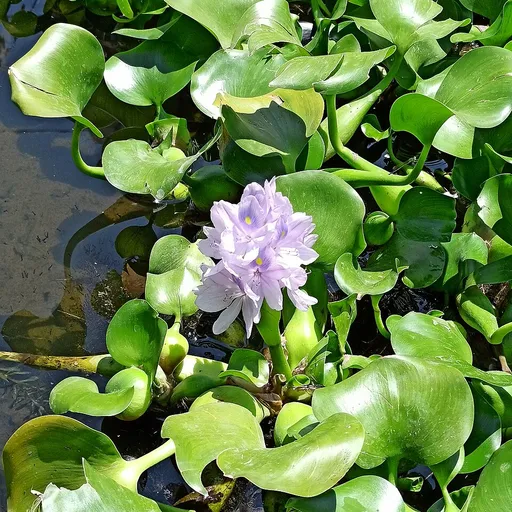 High lightFloating15.7 in (40 cm)
Water hyacinth
Pontederia crassipes
High light · Floating
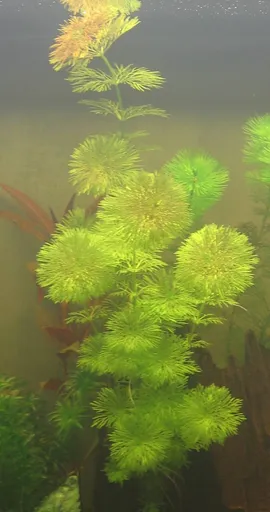 Low lightBackground15.7 in (40 cm)
Ambulia
Limnophila sessiliflora
Low light · Background
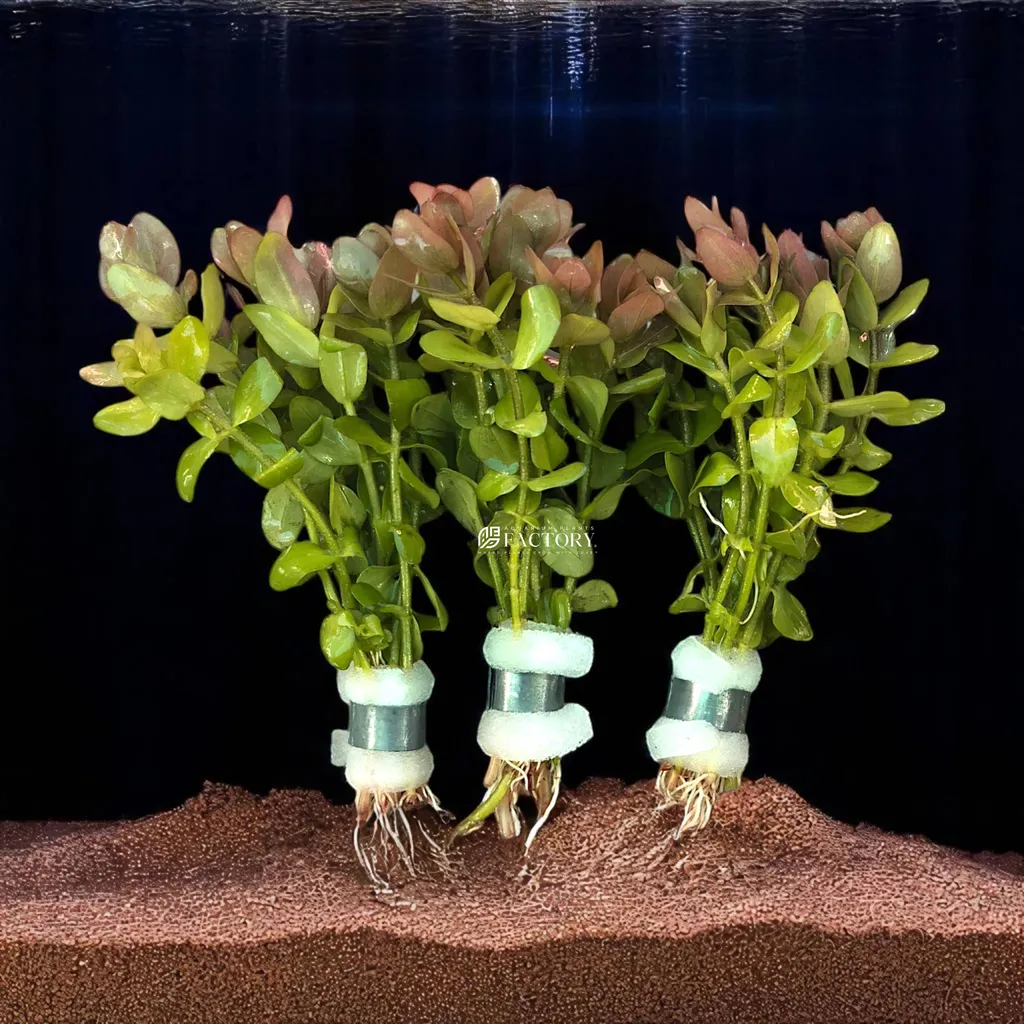 Low lightBackground15.7 in (40 cm)
Giant bacopa
Bacopa caroliniana
Low light · Background
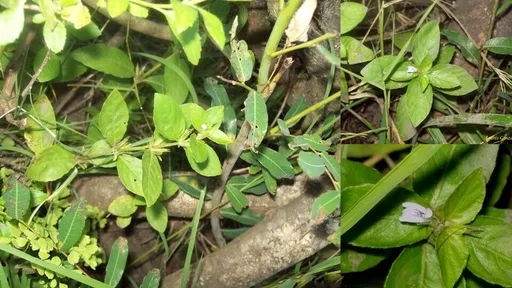 Medium lightBackground15.7 in (40 cm)
Hygrophila costata
Medium light · Background
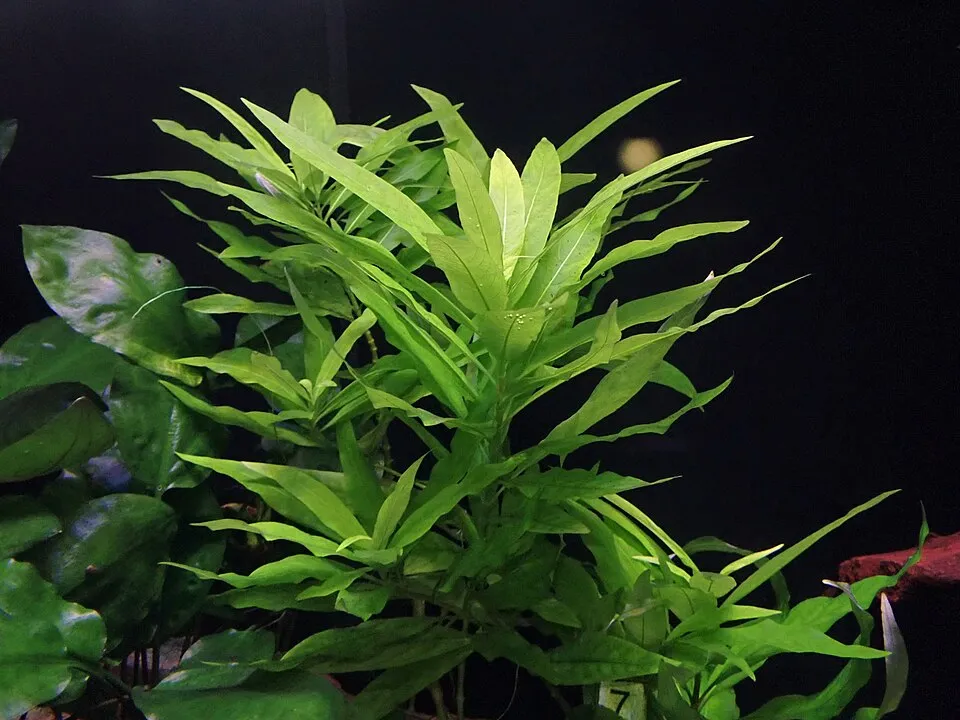 Medium lightBackground15.7 in (40 cm)
Hygrophila Siamensis
Hygrophila corymbosa 'Siamensis'
Medium light · Background
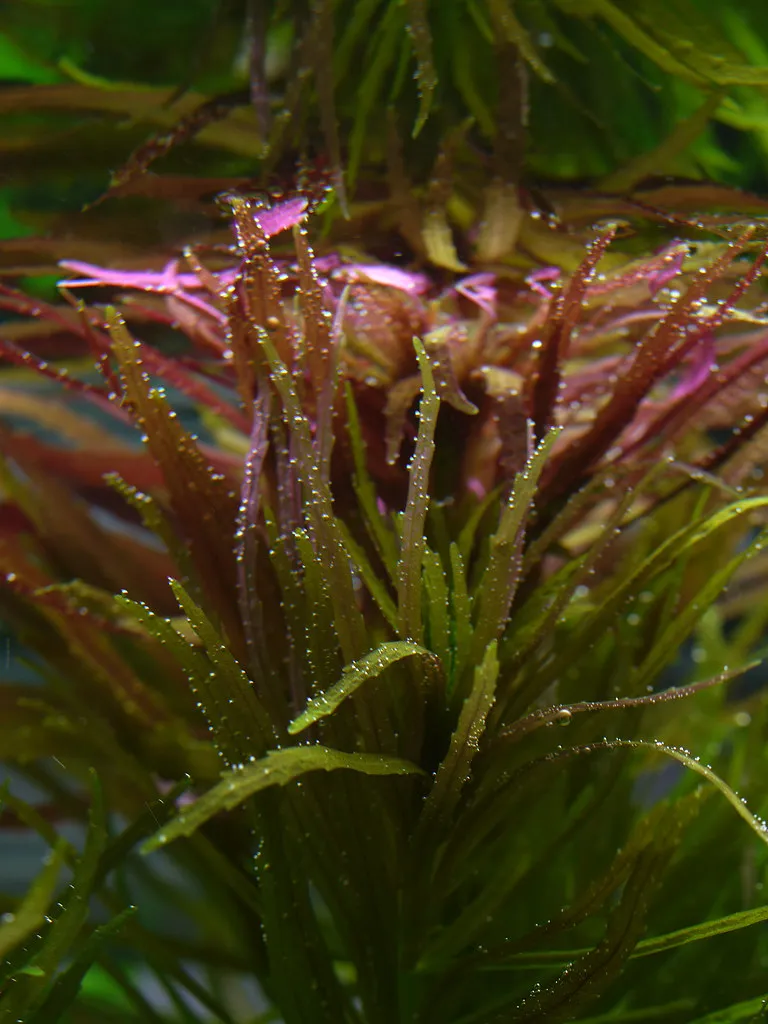 High lightBackground15.7 in (40 cm)
Limnophila aromatica
High light · Background