Giant bacopa
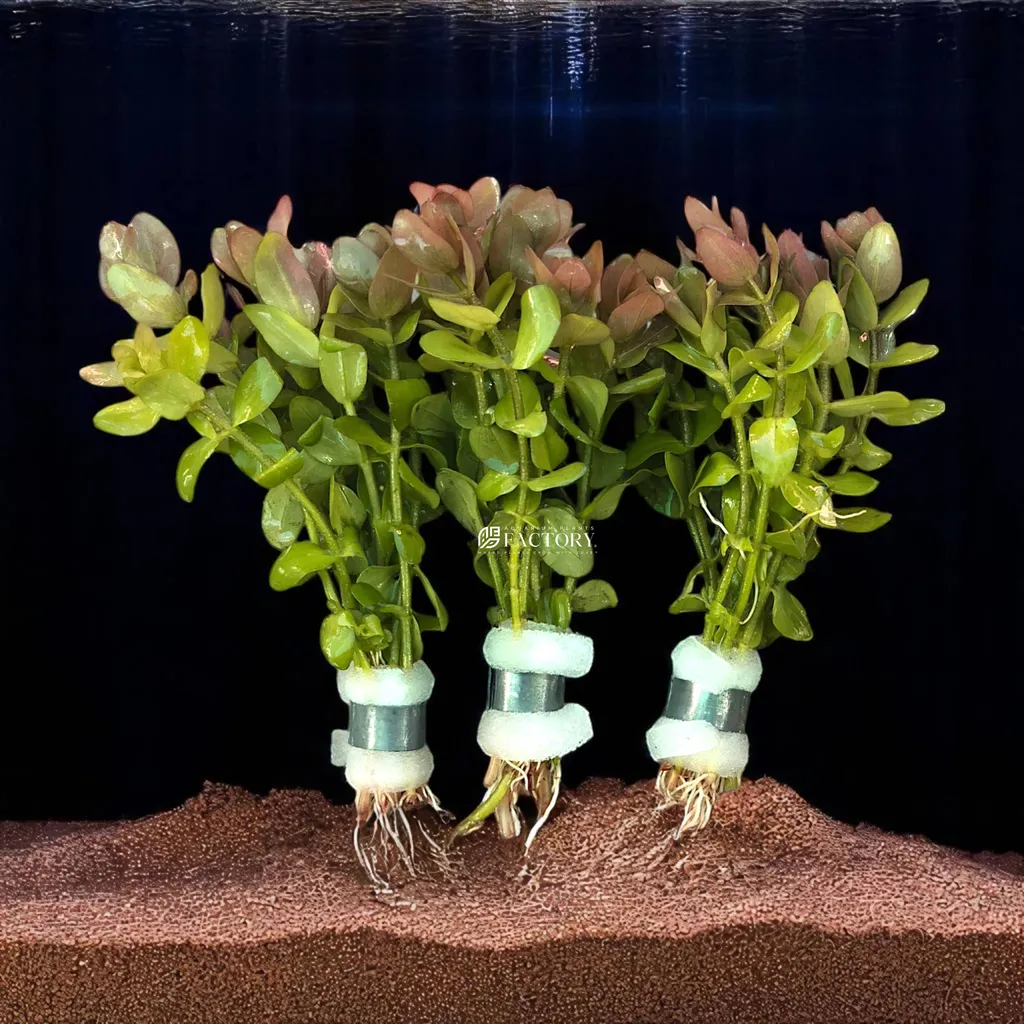
Bacopa caroliniana
Also known as Lemon bacopa, Blue water hyssop, Carolina hyssop, Giant red bacopa, Bacopa amplexicaulis
FreshwaterBrackishStemCuttingsSide shoots
Care at a glance
- Light
- Low light
- CO2
- CO₂ beneficial
- Temperature
- 64–82°F
- 18–28°C
- Max height
- 15.7 in
- 40 cm
- Growth rate
- Medium
- Placement
- Background
- Type
- Stem
- pH
- 6.0–8.0
- Hardness
- 2–15 dGH
- Spread
- 1.6 in (4 cm)
- Nutrient uptake
- Root + water column
- Growth region
- Submersed or emersed
- Difficulty
- Beginner
- Family
- Plantaginaceae
- Origin
- Southeastern United States
Overview
Giant bacopa is a tough, forgiving stem plant for the background. It is a good beginner choice.
Did you know
The leaves of giant bacopa smell of lemon, lime or licorice when you crush them. That scent is where the common name lemon bacopa comes from.
Caring for giant bacopa
Strip the lower leaves and plant the stems one at a time in the substrate. Giant bacopa feeds through its roots and the water, so root tabs and a liquid fertilizer both help.
It grows in low light without CO2. Stronger light, CO2 and iron bring out bronze, copper and reddish tops. It handles pH 6 to 8 and 64 to 82°F (18 to 28°C), and it even tolerates brackish water.
Growth is steady rather than rampant, so it stays tidy and needs little trimming. Propagate it by cutting the tops and replanting them, or by planting side shoots.
Good to know
Giant bacopa is a member of the plantain family, Plantaginaceae, and a relative of the medicinal Bacopa monnieri. Its thick, succulent oval leaves sit in opposite pairs along a sturdy stem. It also goes by Carolina hyssop and blue water hyssop.
In the wild
Giant bacopa is native to the southeastern United States and is very common in Florida and the Gulf states. It grows in marshes, wet ditches and pond edges, both emersed as a bog plant and fully submersed.
Common questions
Does giant bacopa need to be planted in the substrate?
Yes. Strip the leaves from the lower part of each stem, then push the stems into the substrate one at a time, a little apart.
Does giant bacopa need CO2?
No, but it helps. Giant bacopa can grow without injected CO2, and added CO2 makes it grow faster.
How much light does giant bacopa need?
Giant bacopa is a low-light plant, and the light that comes with a standard tank kit is enough for it.
Does giant bacopa need root tabs?
They help. Giant bacopa takes nutrients through both its roots and its leaves. Root tabs near its roots and a liquid fertilizer cover both.
How do you propagate giant bacopa?
Giant bacopa propagates by cuttings and side shoots. Cut off the top of a stem and replant it, and the stump left behind grows new shoots. Cut a side shoot off once it has a few leaves and plant it on its own.
How tall does giant bacopa grow?
Giant bacopa grows to about 15.7 in (40 cm) tall. It grows at a moderate pace.
Related plants
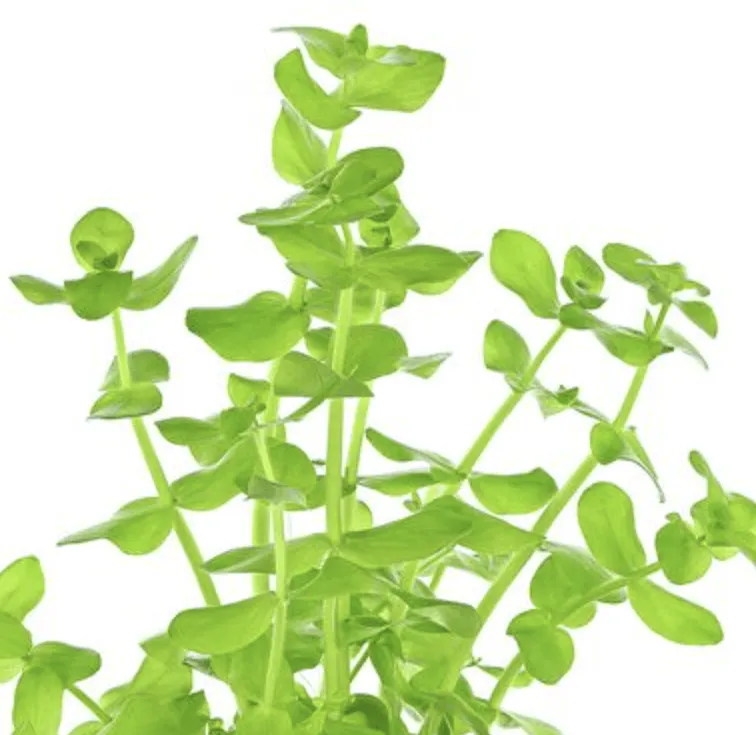 High lightBackground11.8 in (30 cm)
Bacopa lanigera
High light · Background
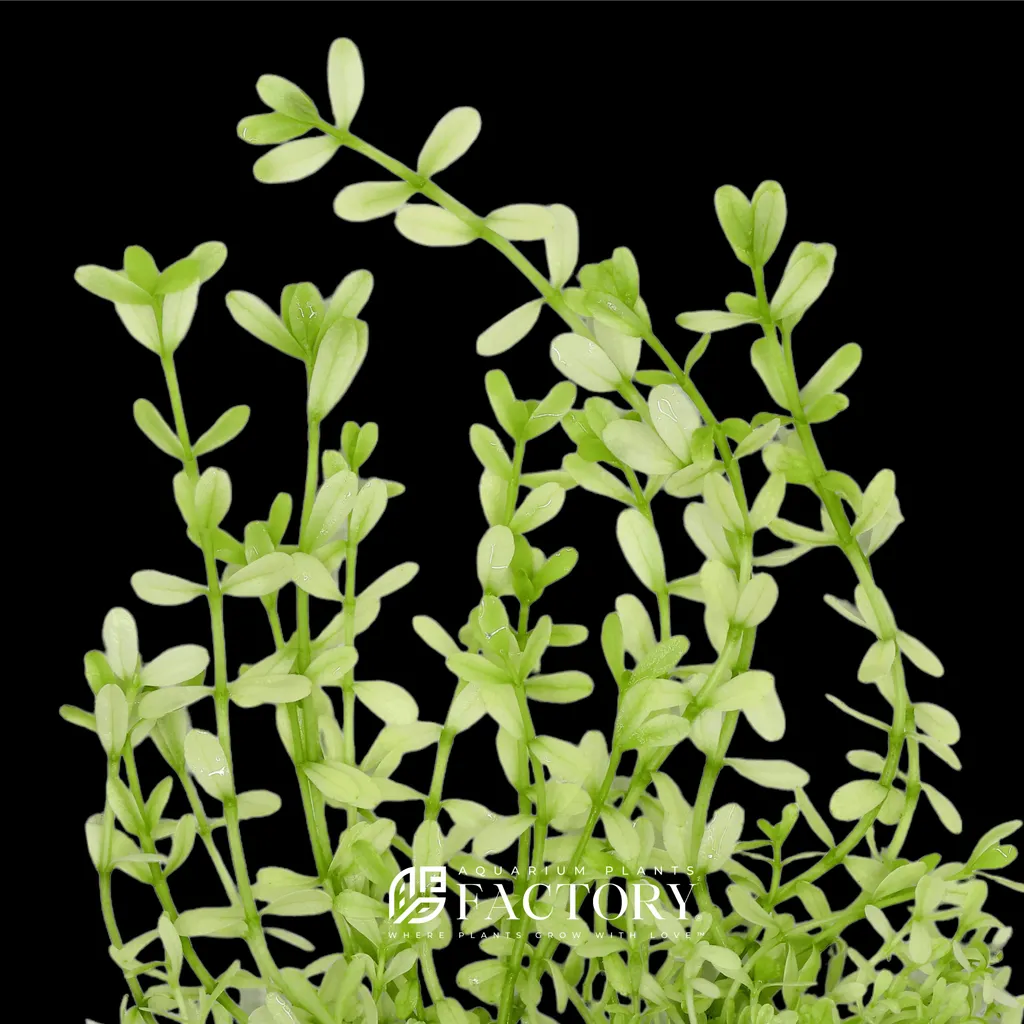 High lightBackground11.8 in (30 cm)
Bacopa Platinum
Bacopa monnieri 'Platinum'
High light · Background
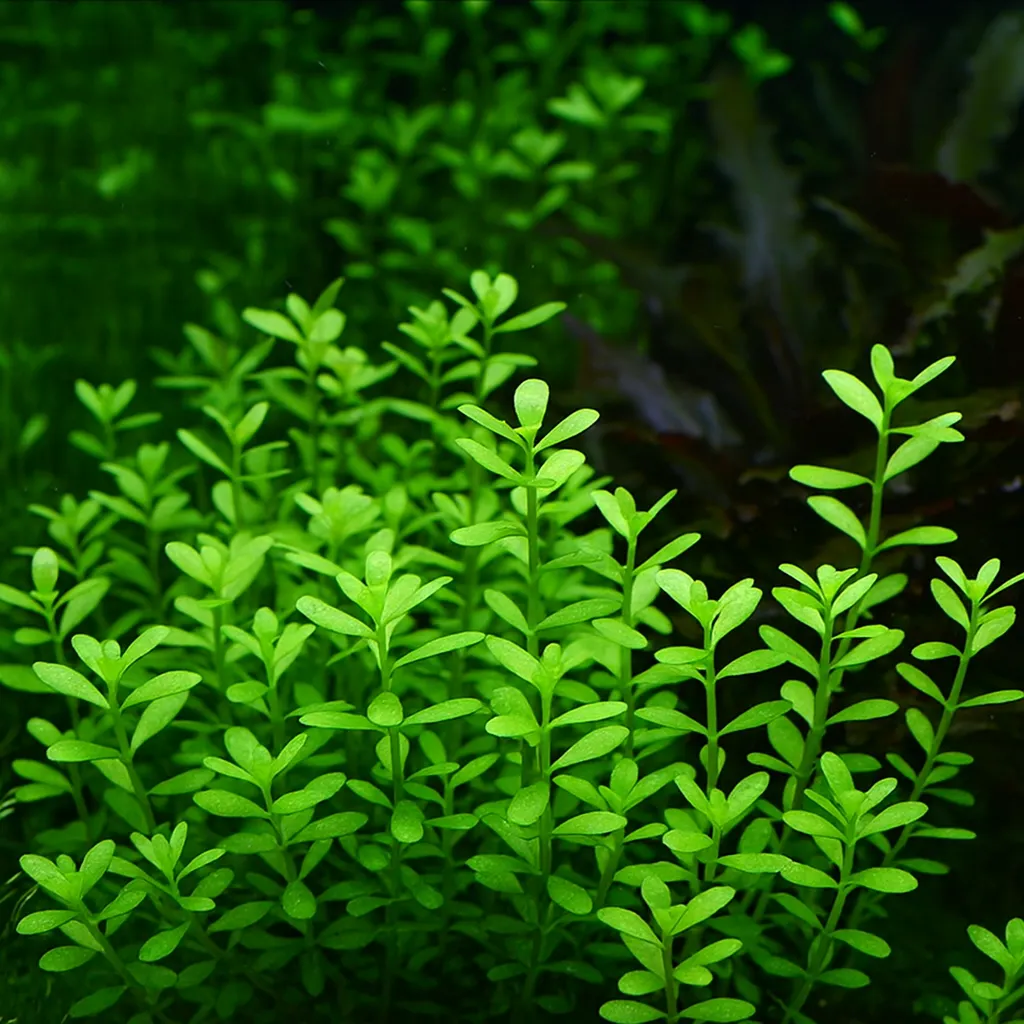 Medium lightBackground11.8 in (30 cm)
Moneywort
Bacopa monnieri
Medium light · Background
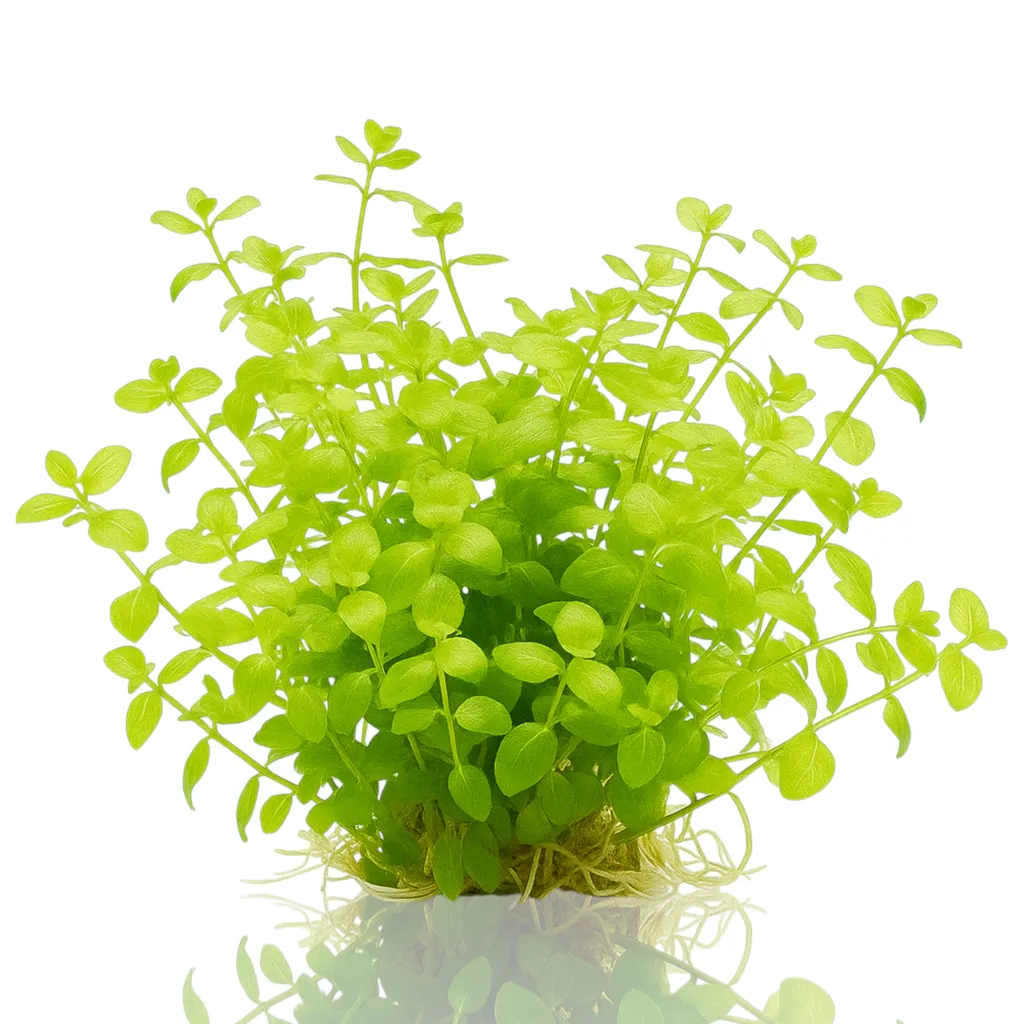 Medium lightMidground15.7 in (40 cm)
Creeping bacopa
Bacopa australis
Medium light · Midground
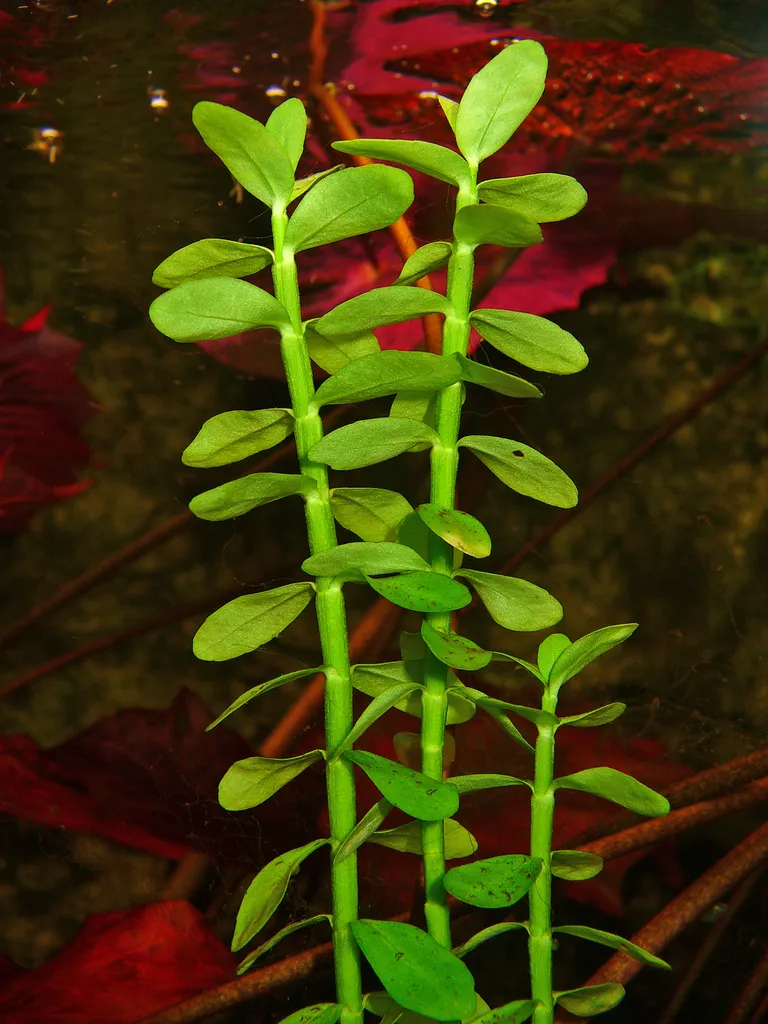 High lightMidground11.8 in (30 cm)
Bacopa madagascariensis
High light · Midground
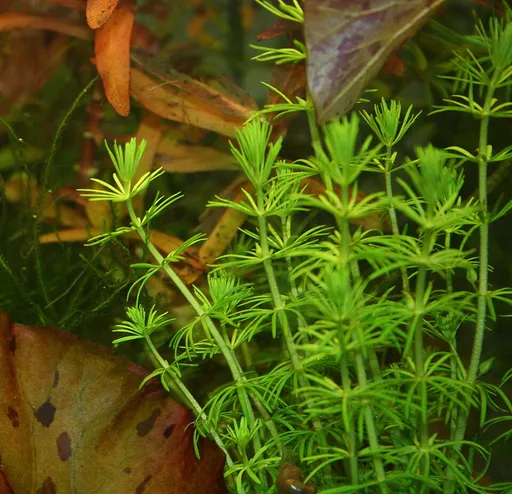 High lightMidground11.8 in (30 cm)
Needle leaf bacopa
Bacopa myriophylloides
High light · Midground