Ambulia
Limnophila sessiliflora
Also known as Dwarf ambulia, Asian ambulia, Asian marshweed, Limnophila
FreshwaterStemCuttingsSide shoots
Invasive. On the US Federal Noxious Weed List and banned or restricted in several states (Florida, Texas). Never release into the wild; check that it is legal in your area.
Care at a glance
- Light
- Low light
- CO2
- No CO₂ needed
- Temperature
- 68–82°F
- 20–28°C
- Max height
- 15.7 in
- 40 cm
- Growth rate
- Fast
- Placement
- Background
- Type
- Stem
- pH
- 5.5–8.0
- Hardness
- 4–15 dGH
- Spread
- 1.6 in (4 cm)
- Nutrient uptake
- Root + water column
- Growth region
- Submersed or emersed
- Difficulty
- Easy
- Family
- Plantaginaceae
- Origin
- Tropical and subtropical Asia (India through Japan)
Overview
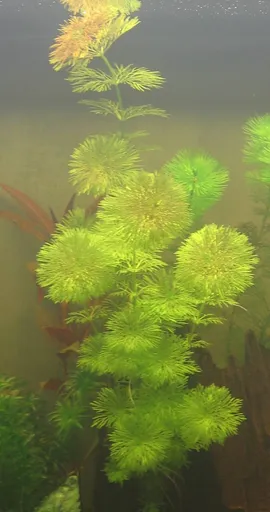
Ambulia is a robust, undemanding stem plant for the background. It grows fast and rates easy.
Did you know
Ambulia is on the US Federal Noxious Weed List and is banned or restricted in several states. A plant sold cheaply as easy beginner filler is actually illegal to possess in places like Florida and Texas.
Caring for ambulia
Plant ambulia in clusters at the back of the tank. Strip the lower leaves and push the stems into the substrate a little apart.
It grows in low light with no CO2. It feeds through both its roots and its leaves, so root tabs and a liquid fertilizer together cover it. As a fast-growing filler, it is a good algae competitor.
Its speed is the main pitfall. Left untrimmed, it shades out slower plants and clogs the upper tank. Trim often and replant the cut tops, and it also branches readily from side shoots. Never release trimmings into local waterways, and check that it is legal in your area.
Good to know
Ambulia is in the family Plantaginaceae, formerly Scrophulariaceae. The epithet sessiliflora refers to its stalkless, or sessile, flowers borne in the leaf axils. Its finely divided submersed foliage closely mimics Cabomba, but it has far lower light demands.
In the wild
Ambulia is native across tropical and subtropical Asia, from India and Southeast Asia up through southern China, Korea and Japan. It grows in ponds, rice paddies, ditches and slow streams. It is amphibious, growing submersed with whorls of feathery leaves and emerging to flower above the surface. It has escaped cultivation in the southern United States and is now invasive in Florida, Texas and Georgia.
Common questions
Does ambulia need to be planted in the substrate?
Yes. Strip the leaves from the lower part of each stem, then push the stems into the substrate one at a time, a little apart.
How much light does ambulia need?
Ambulia is a low-light plant, and the light that comes with a standard tank kit is enough for it.
Does ambulia need root tabs?
They help. Ambulia takes nutrients through both its roots and its leaves. Root tabs near its roots and a liquid fertilizer cover both.
How do you propagate ambulia?
Ambulia propagates by cuttings and side shoots. Cut off the top of a stem and replant it, and the stump left behind grows new shoots. Cut a side shoot off once it has a few leaves and plant it on its own.
How tall does ambulia grow?
Ambulia grows to about 15.7 in (40 cm) tall. It grows fast, so expect to trim it often.
Related plants
 High lightBackground15.7 in (40 cm)
Limnophila aromatica
High light · Background
 High lightBackground19.7 in (50 cm)
Giant ambulia
Limnophila aquatica
High light · Background
 Medium lightBackground19.7 in (50 cm)
Limnophila heterophylla
Medium light · Background
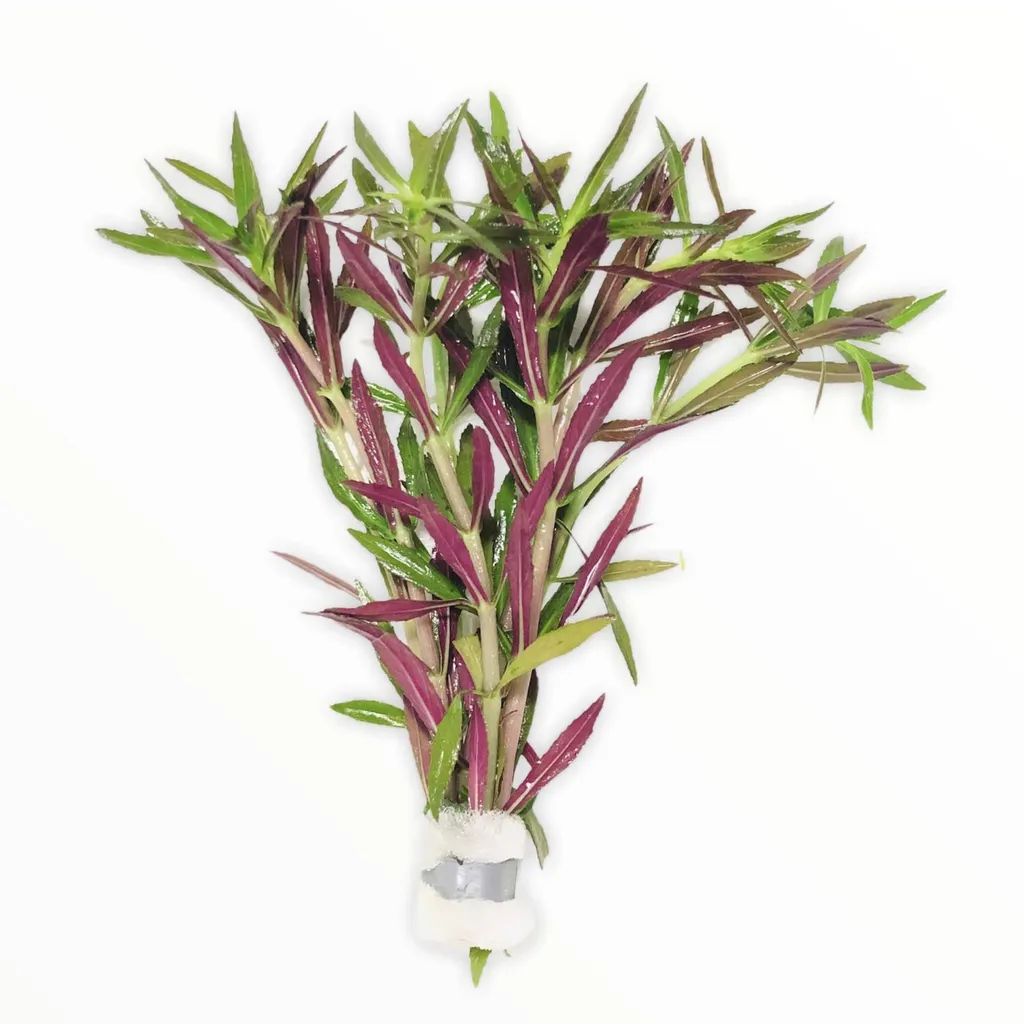 High lightBackground19.7 in (50 cm)
Limnophila hippuridoides
High light · Background
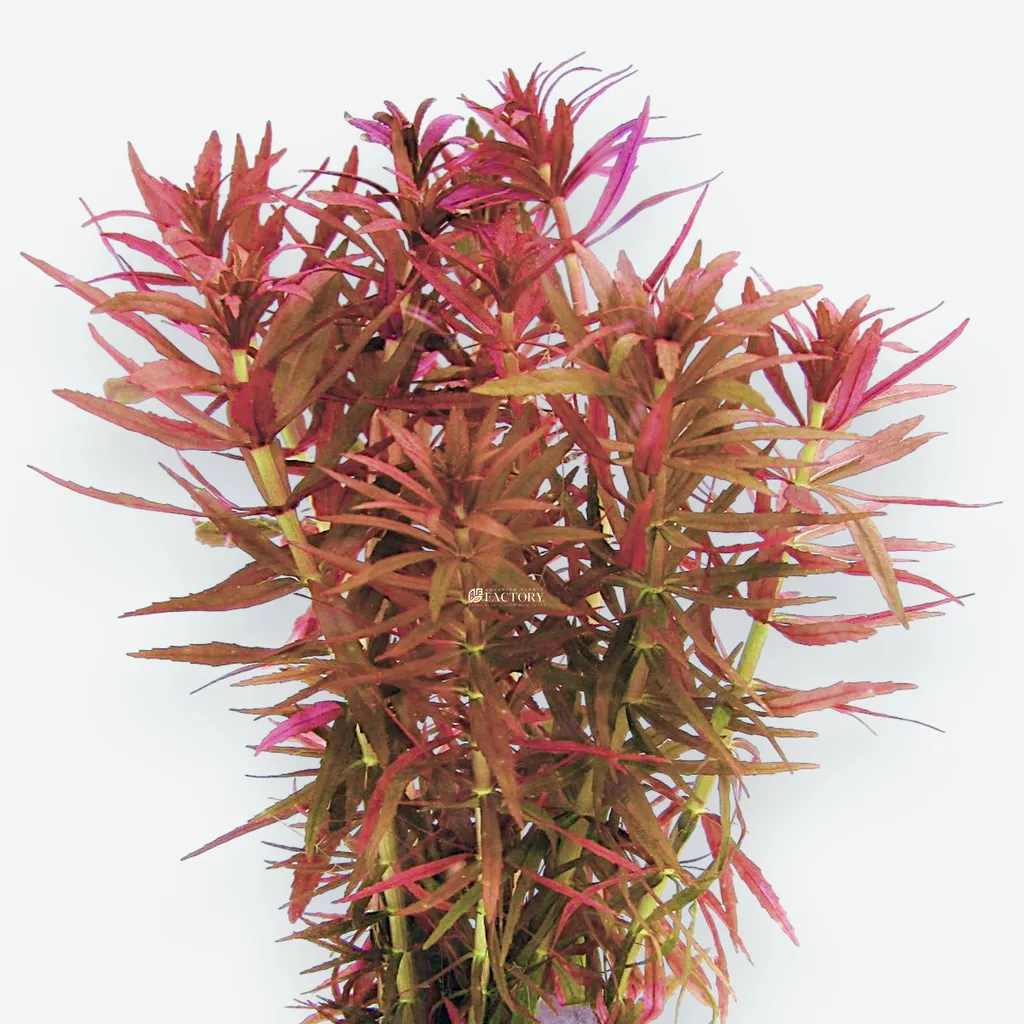 High lightBackground11.8 in (30 cm)
Limnophila Belem
Limnophila sp. 'Belem'
High light · Background
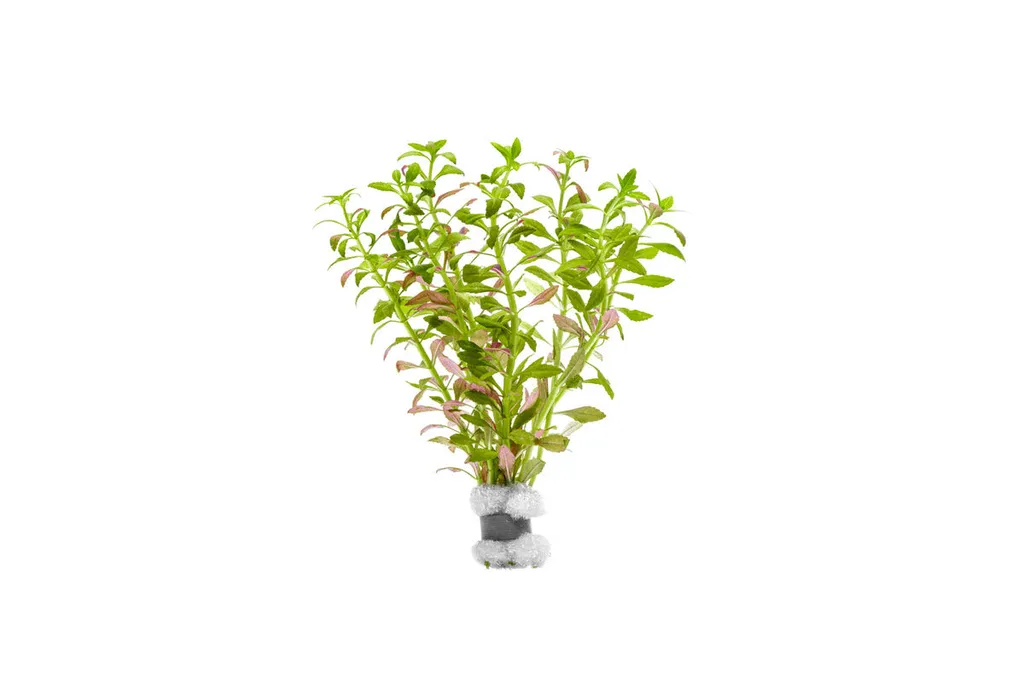 High lightMidground11.8 in (30 cm)
Limnophila aromatica Mini
Limnophila aromatica 'Mini'
High light · Midground