Japanese cress
Cardamine lyrata
Also known as Chinese ivy, Bittercress, Lyre-leaf cress, Cardamine lyrata 'Vietnam'
FreshwaterStemCuttingsSide shoots
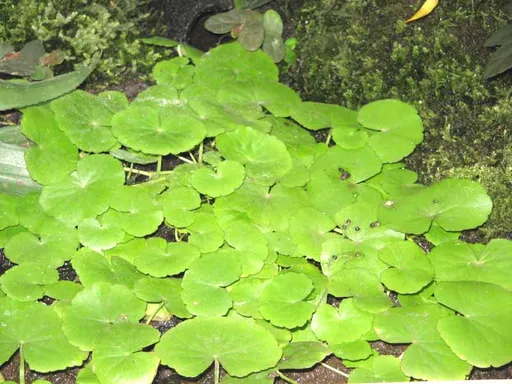
Care at a glance
- Light
- Medium light
- CO2
- No CO₂ needed
- Temperature
- 59–79°F
- 15–26°C
- Max height
- 17.7 in
- 45 cm
- Growth rate
- Fast
- Placement
- Midground
- Type
- Stem
- pH
- 6.0–7.5
- Hardness
- 3–15 dGH
- Spread
- 3.9 in (10 cm)
- Nutrient uptake
- Root + water column
- Growth region
- Submersed or emersed
- Difficulty
- Easy
- Family
- Brassicaceae
- Origin
- Native to wet meadows, ditches, and stream margins across China, Japan, and Korea in temperate East Asia.
Overview
Japanese cress is an easy, fast plant that does not need CO2 and grows in low to medium light, filling out faster under stronger light. Use it in the midground or as a loose background, and keep it in a cooler tank for its best, larger leaves. Trim the trailing stems often and replant tops, since it can shade plants below it.
In the wild
Japanese cress produces trailing stems lined with rounded, slightly scalloped light green leaves and long white anchor roots at the nodes. It grows along cool stream banks and wet ditches, often scrambling over mud and rocks. Cooler water encourages larger leaves, while warmer tanks produce smaller foliage.
Good to know
Cardamine lyrata is a member of the mustard family, Brassicaceae, alongside true cresses and cabbages. The species name lyrata refers to the lyre-shaped lower leaves. Like its relatives it produces small four-petalled white flowers above the water.
Did you know
The same plant grows tiny leaves in a warm tropical tank but noticeably larger ones when kept cool, so you can change its look just by adjusting temperature.
Related plants
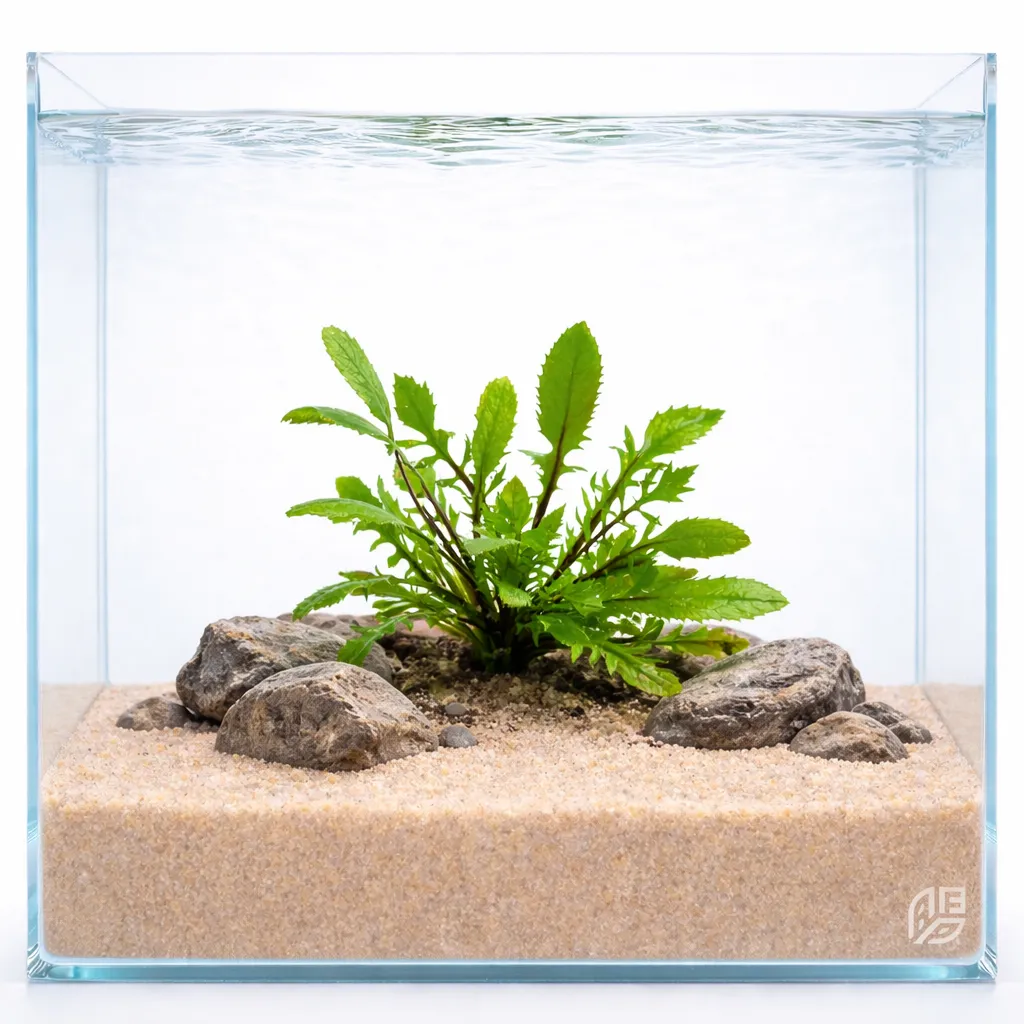 Medium lightMidground11.8 in (30 cm)
Lake cress
Rorippa aquatica
Medium light · Midground
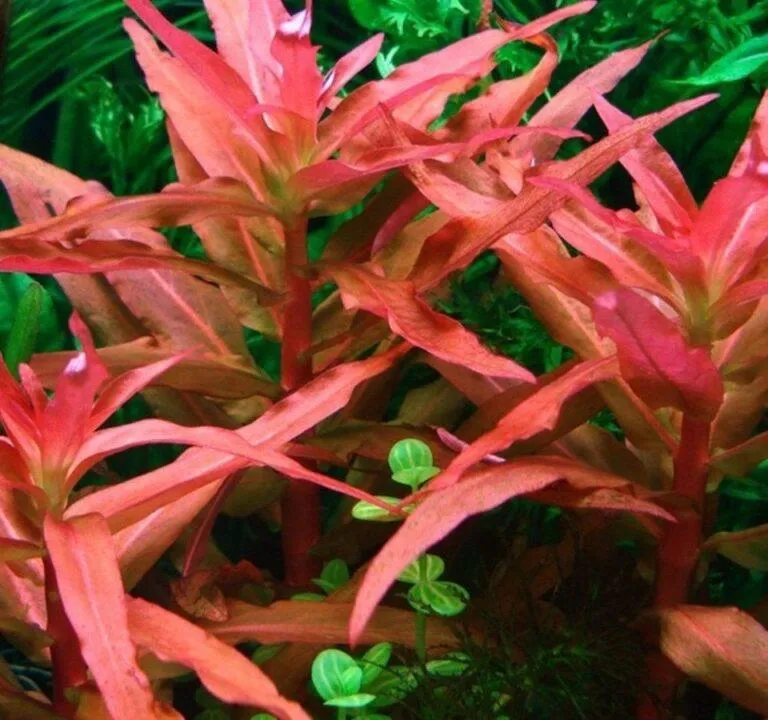 High lightMidground17.7 in (45 cm)
Ammannia senegalensis
High light · Midground
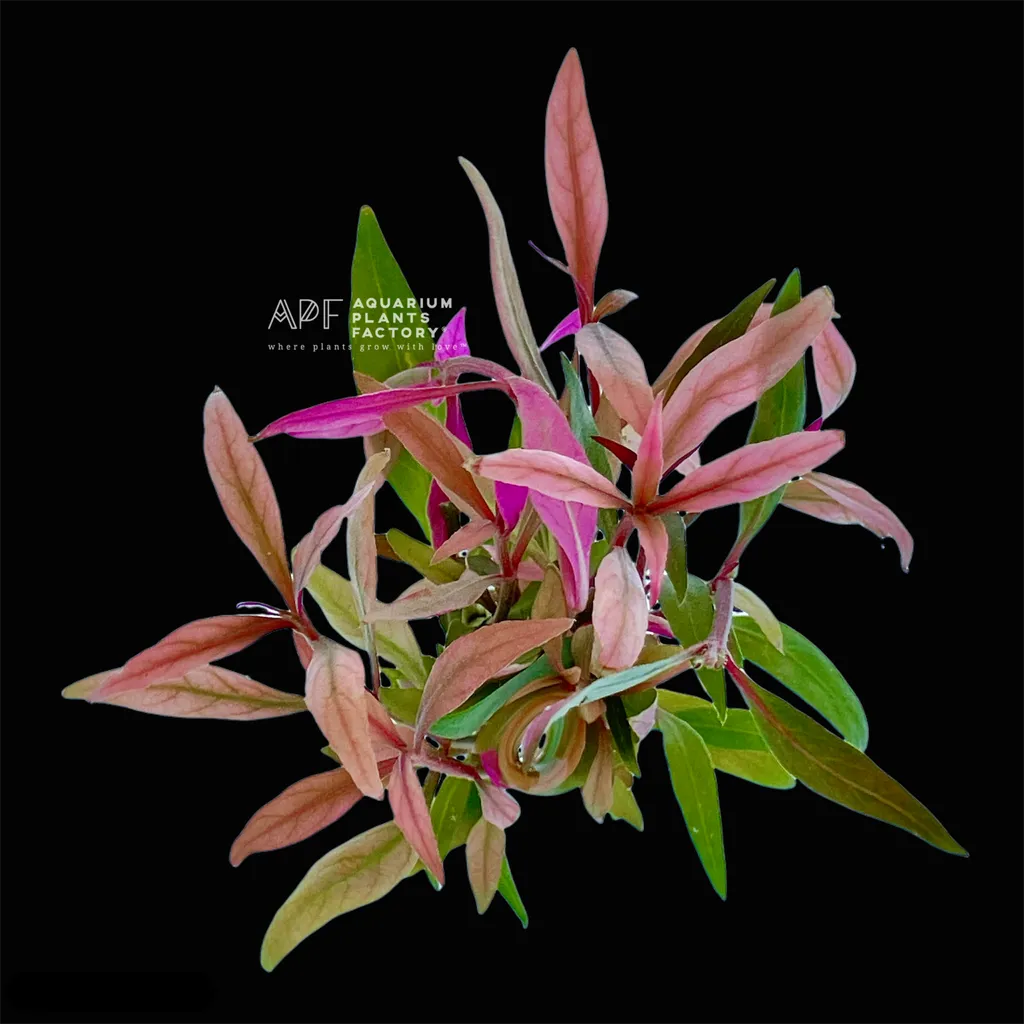 High lightMidground19.7 in (50 cm)
Alternanthera reineckii
High light · Midground
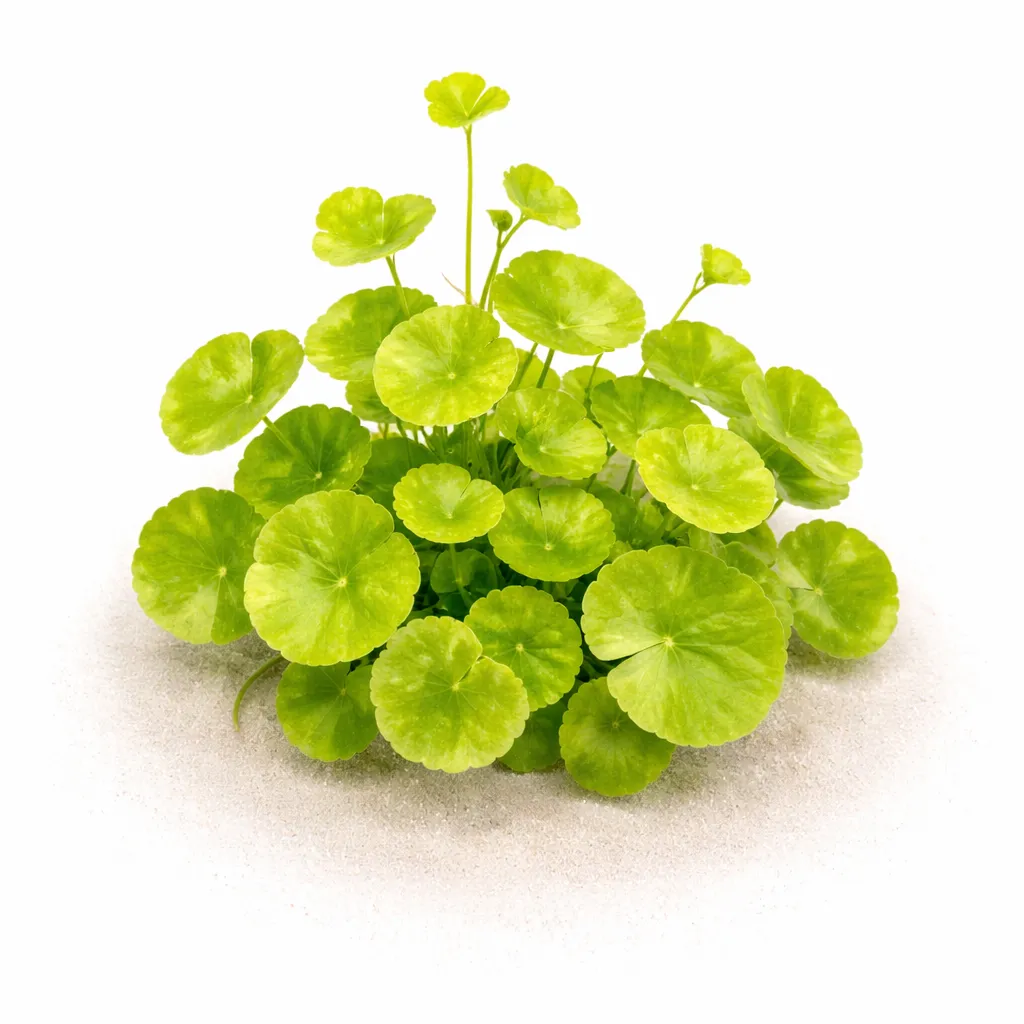 Medium lightMidground19.7 in (50 cm)
Brazilian pennywort
Hydrocotyle leucocephala
Medium light · Midground
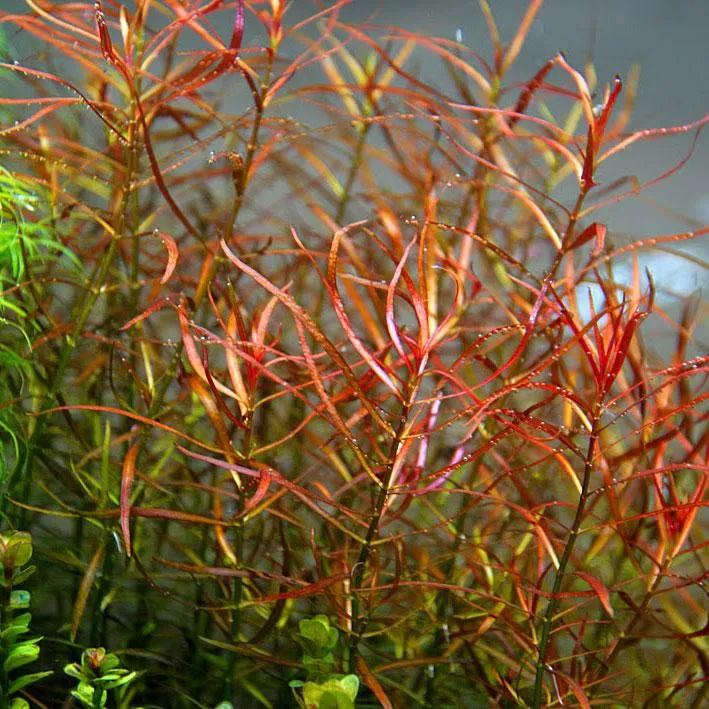 High lightMidground19.7 in (50 cm)
Ludwigia arcuata
High light · Midground
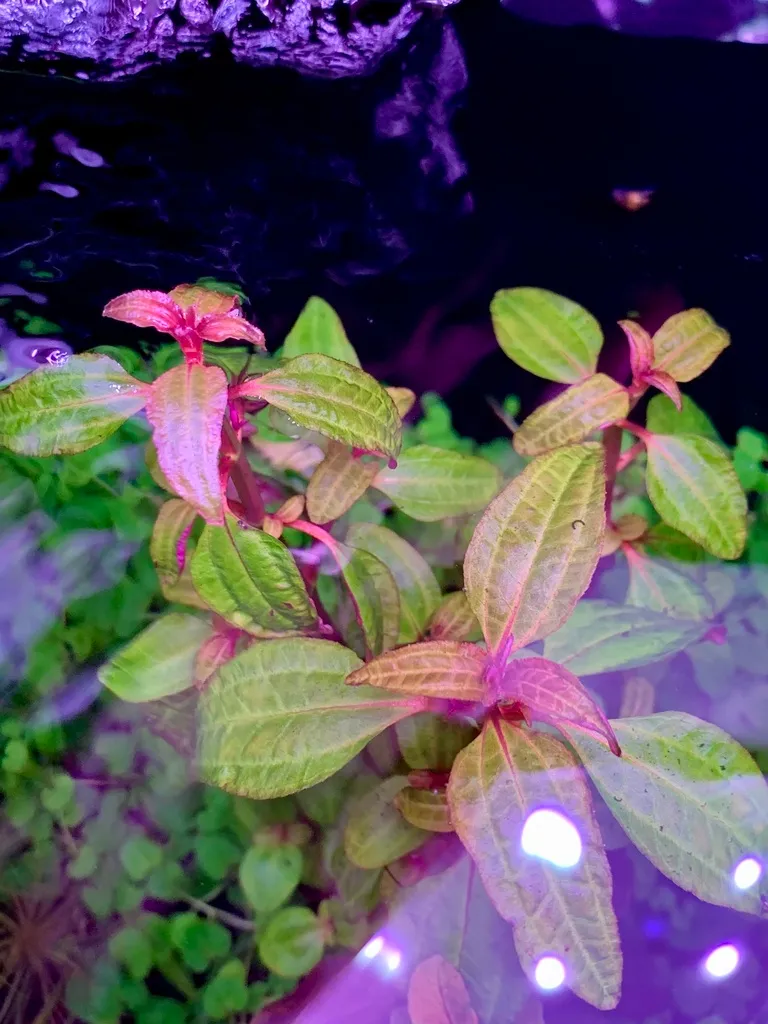 High lightMidground15.7 in (40 cm)
Aciotis acuminifolia
High light · Midground