Lake cress
Rorippa aquatica
Also known as Water horseradish, Water cabbage, Armoracia aquatica, Neobeckia aquatica
FreshwaterStemadventitious_plantletsCuttings
Care at a glance
- Light
- Medium light
- CO2
- No CO₂ needed
- Temperature
- 64–79°F
- 18–26°C
- Max height
- 11.8 in
- 30 cm
- Growth rate
- Slow
- Placement
- Midground
- Type
- Stem
- pH
- 6.0–7.5
- Hardness
- 2–15 dGH
- Spread
- 4.7 in (12 cm)
- Nutrient uptake
- Root + water column
- Growth region
- Submersed or emersed
- Difficulty
- Medium
- Family
- Brassicaceae
- Origin
- Native to slow streams, ponds, and swamps of central and eastern North America.
Overview
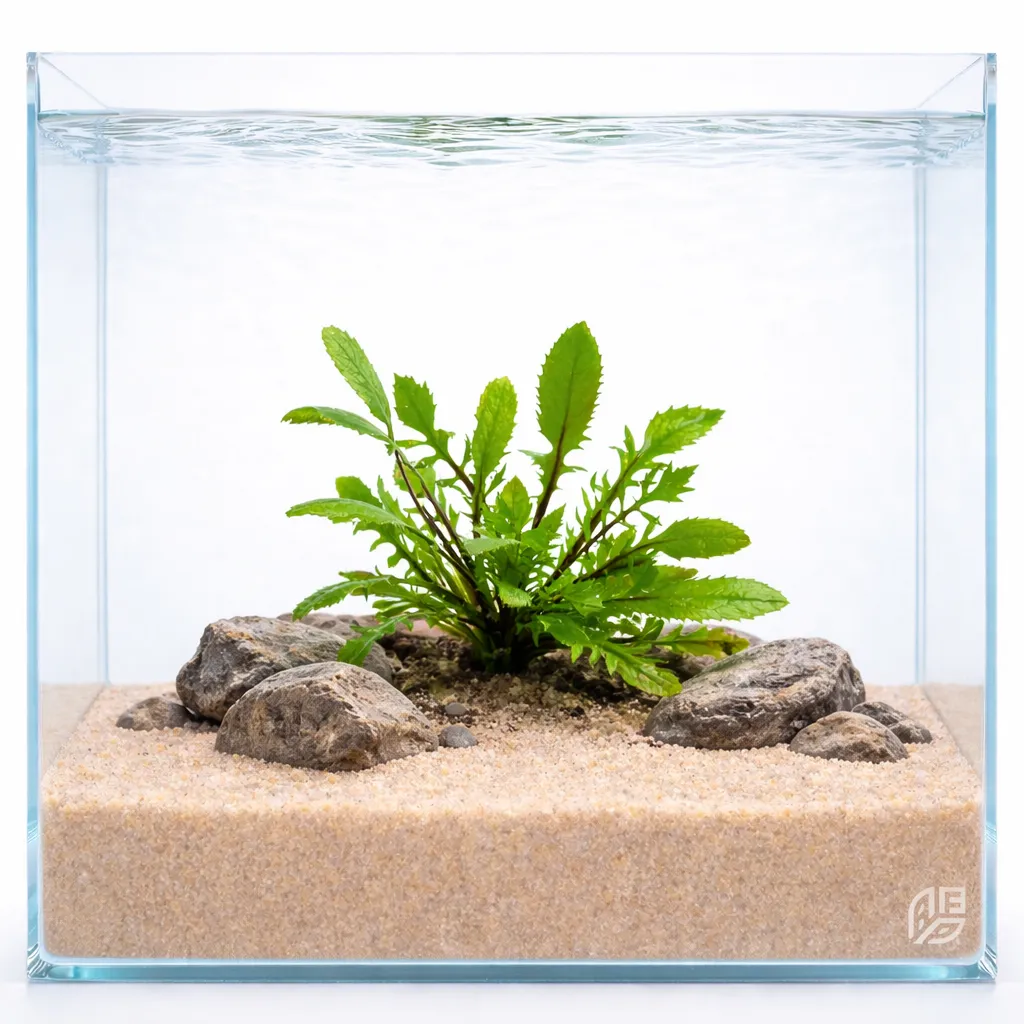
Lake cress grows slowly even under good conditions, preferring medium to high light, a rich substrate, and cooler water around 20 to 25 C. It does fine with or without CO2 and works in the foreground to midground. It spreads mainly from plantlets that form on detached leaves floating at the surface, so those can be collected and replanted.
In the wild
Rorippa aquatica changes leaf shape with its conditions, producing deeply cut, almost fern-like submerged leaves and simpler, toothed leaves above water. It grows in slow streams and ponds, floating or rooting in shallow margins. Underwater it forms a low, feathery rosette.
Good to know
Rorippa aquatica is a member of the mustard family, Brassicaceae, and has also been known as Armoracia aquatica and Neobeckia aquatica. It is well known to botanists for heterophylly, changing leaf shape in response to temperature and submersion. Researchers study it to understand how plants control leaf form.
Did you know
It is a favorite of plant scientists because it changes its leaf shape with temperature, growing lacy, dissected leaves underwater and simpler leaves in the air.
Related plants
 Medium lightMidground17.7 in (45 cm)
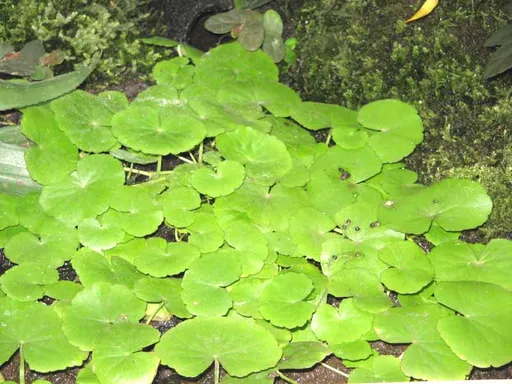
Japanese cress
Cardamine lyrata
Medium light · Midground
 Medium lightMidground11.8 in (30 cm)
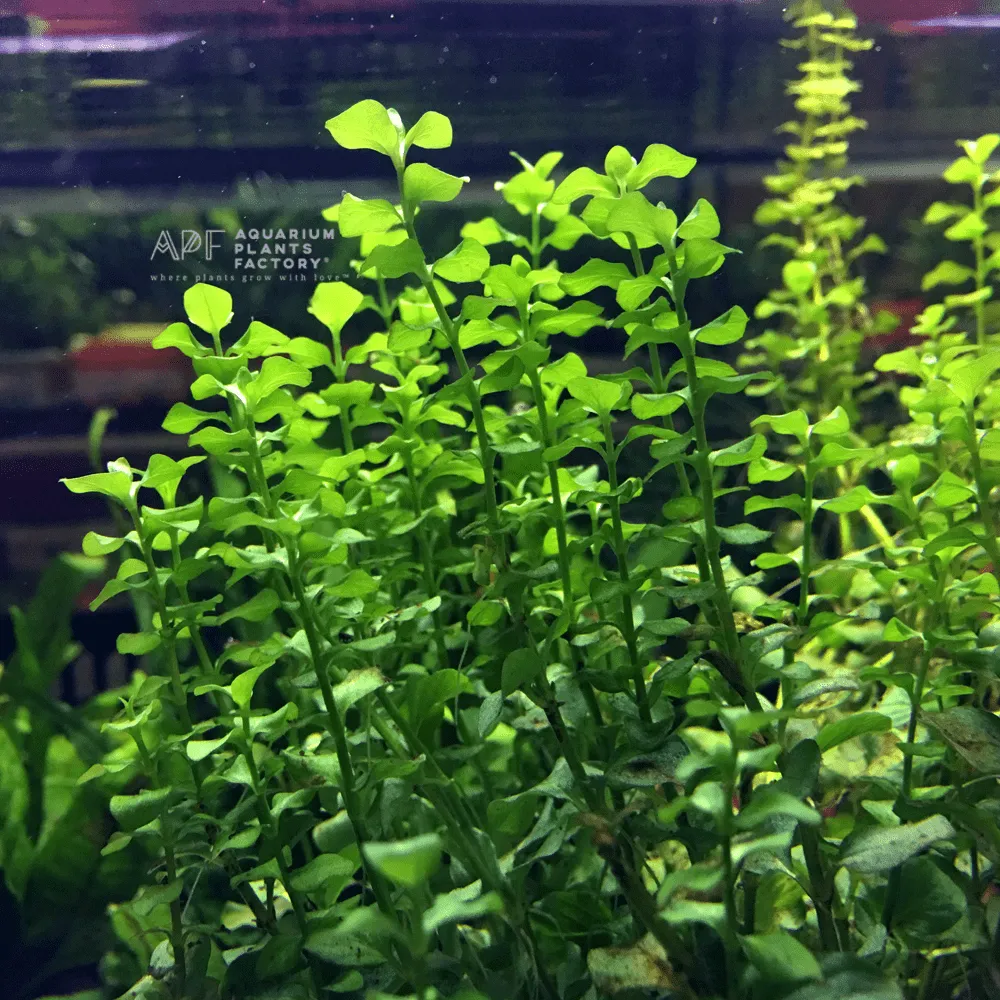
Creeping jenny
Lysimachia nummularia
Medium light · Midground
 High lightMidground11.8 in (30 cm)
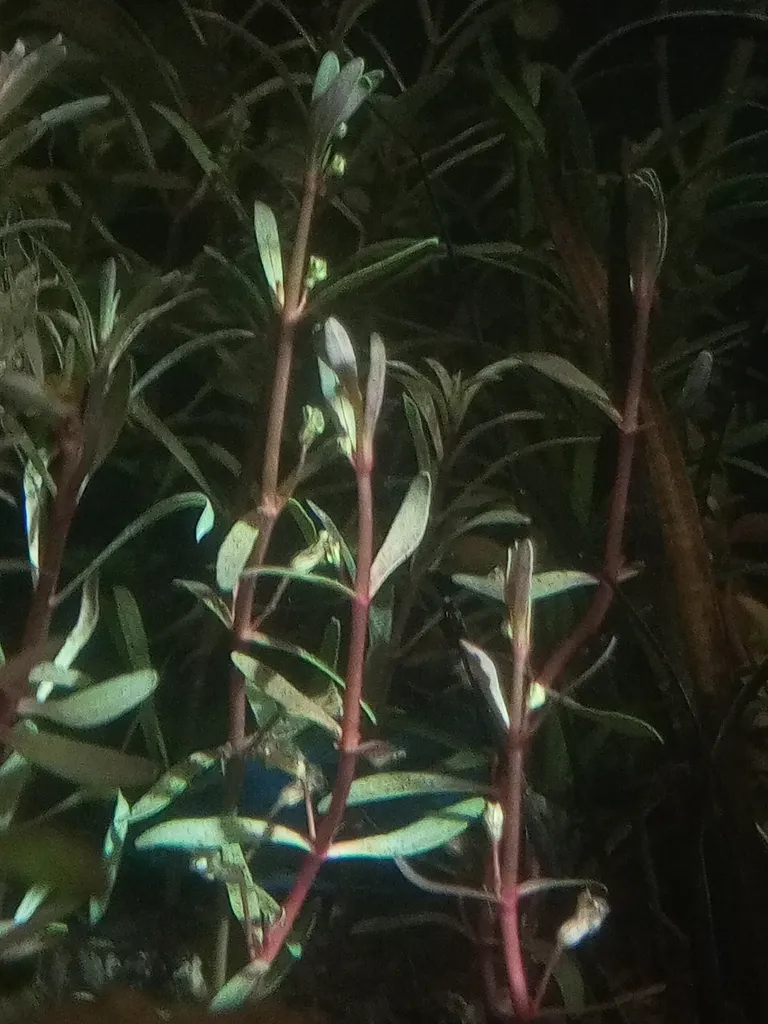
Cuphea anagalloidea
High light · Midground
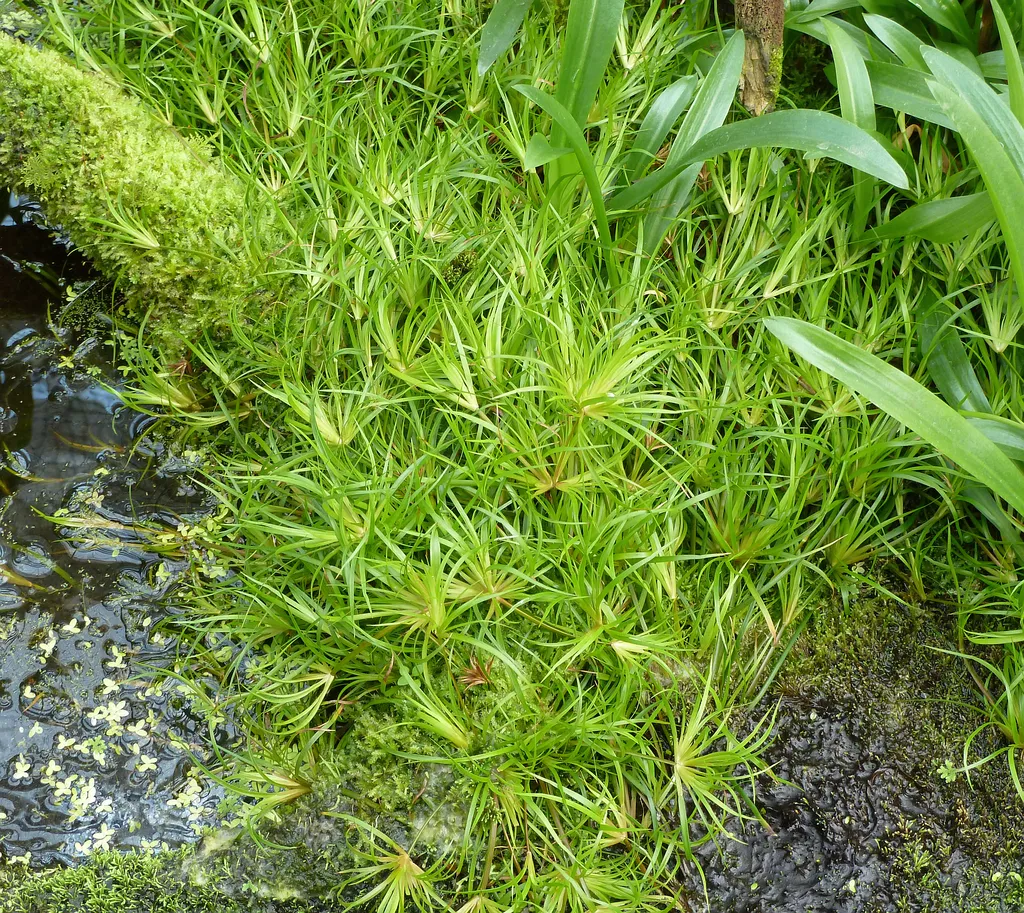 Medium lightMidground11.8 in (30 cm)
Juncus repens
Medium light · Midground
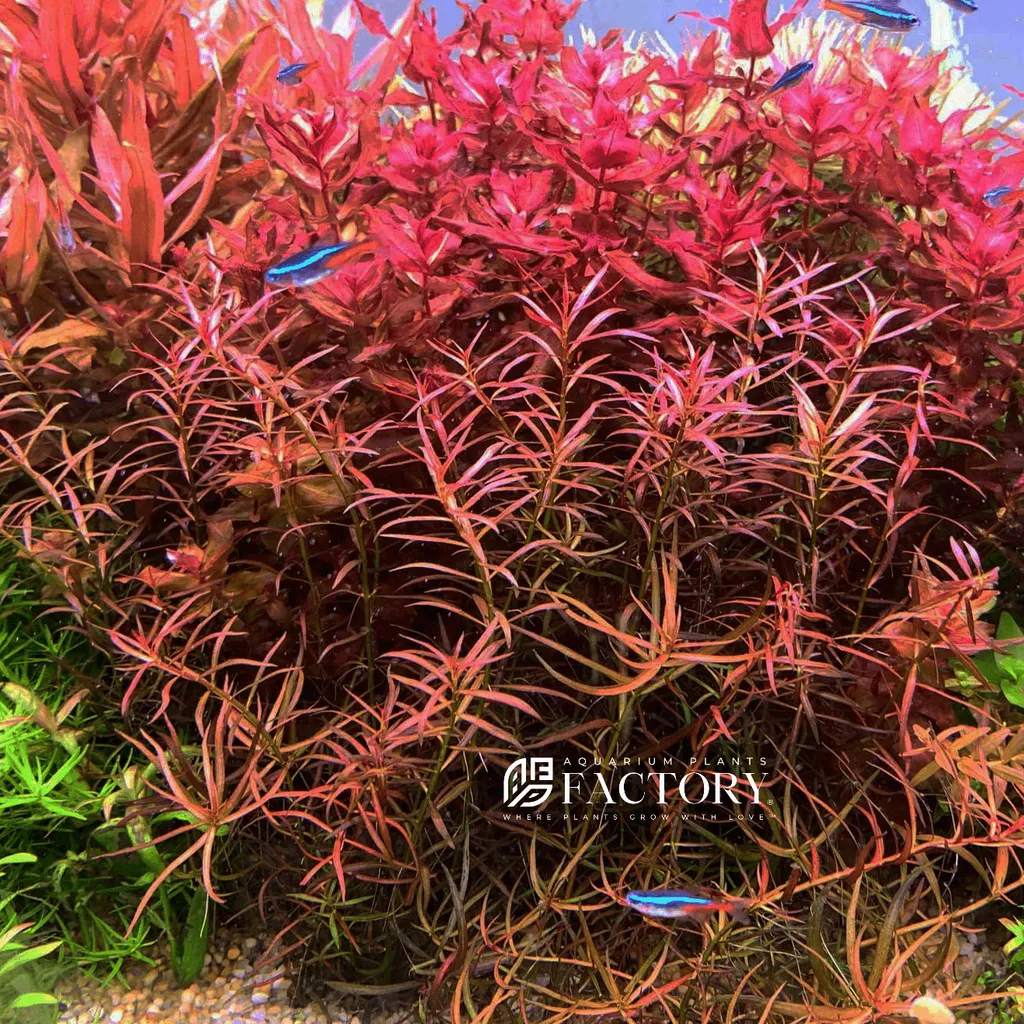 High lightMidground11.8 in (30 cm)
Ludwigia brevipes
High light · Midground
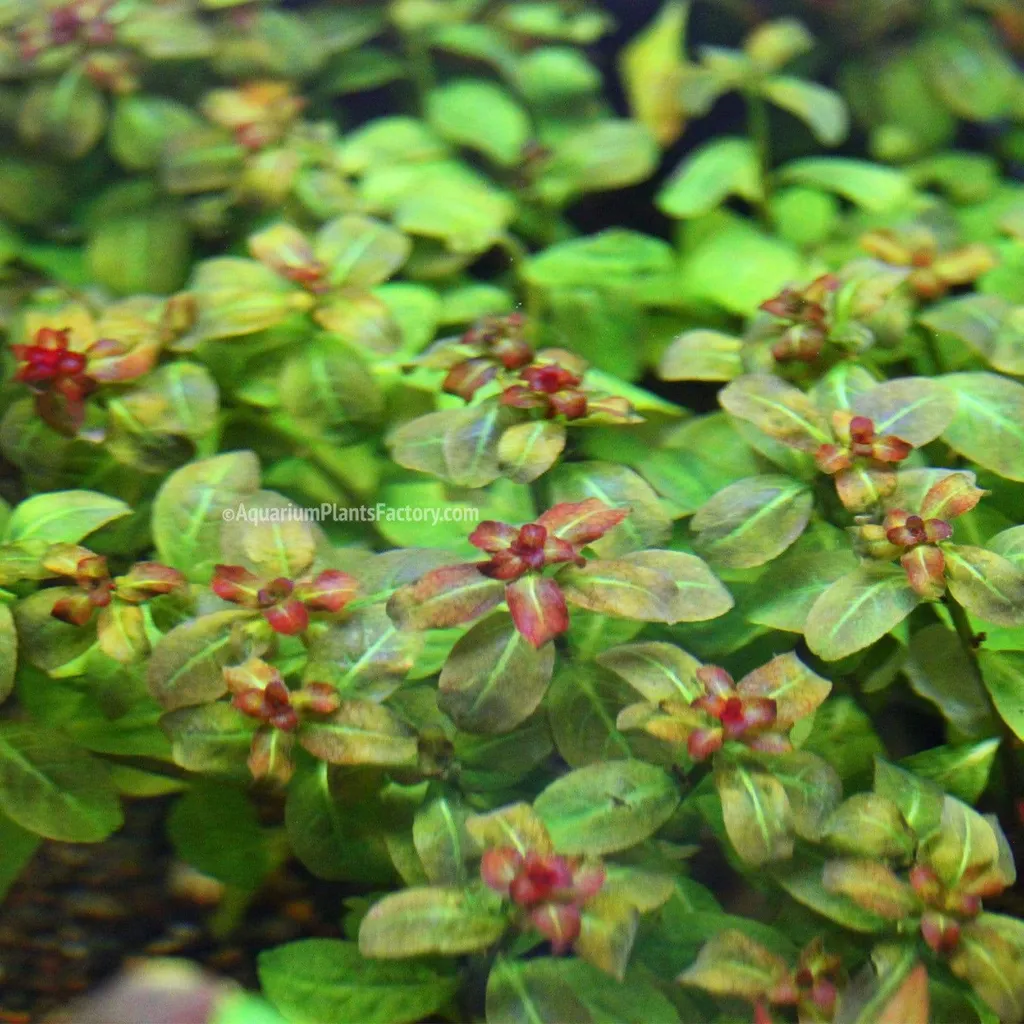 High lightMidground11.8 in (30 cm)
Ludwigia senegalensis
High light · Midground