One species · 3 forms
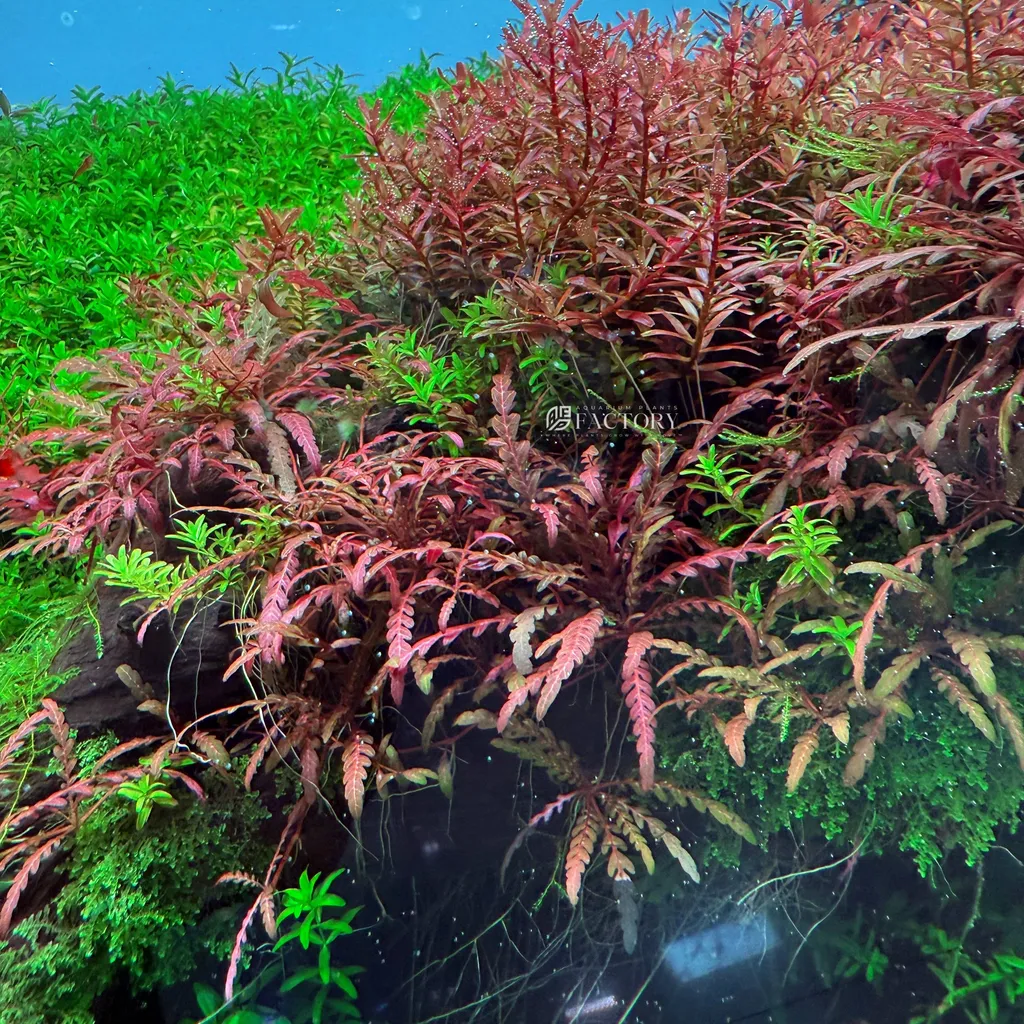
Alternanthera reineckii
Also known as AR, Scarlet temple, Telanthera reineckii, Alternanthera reineckii 'Rosaefolia', Alternanthera reineckii 'Bronze'
FreshwaterStemCuttingsSide shoots
Care at a glance
- Light
- High light
- CO2
- CO₂ beneficial
- Temperature
- 72–82°F
- 22–28°C
- Max height
- 19.7 in
- 50 cm
- Growth rate
- Medium
- Placement
- Midground
- Type
- Stem
- pH
- 6.0–7.5
- Hardness
- 3–12 dGH
- Spread
- 5.9 in (15 cm)
- Nutrient uptake
- Root + water column
- Growth region
- Submersed or emersed
- Difficulty
- Medium
- Family
- Amaranthaceae
- Origin
- South America (Brazil, Paraguay, Argentina, Bolivia, Uruguay)
Pick a form
One setup covers every form on this page.
Red without the drama
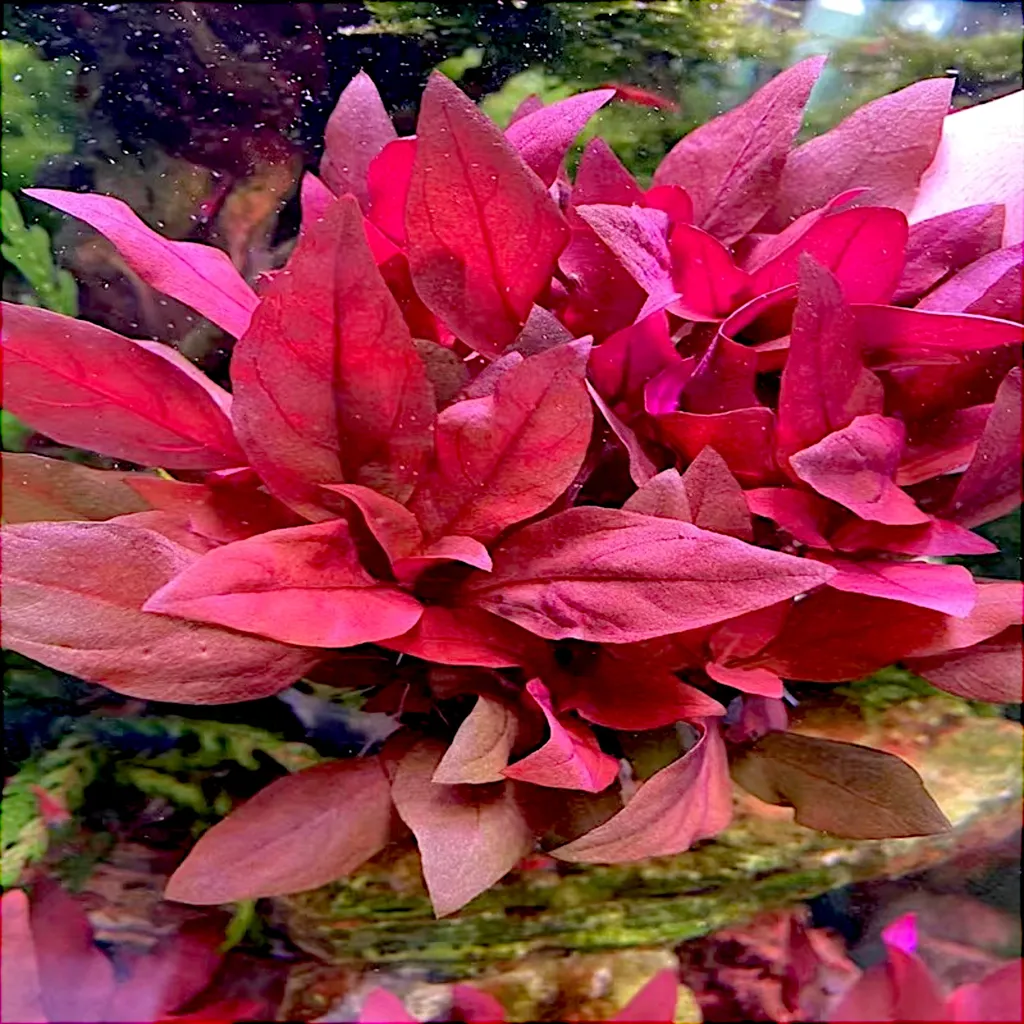
Most red plants demand high light to color up; reineckii carries red pigment by default and keeps it under moderate light. Iron and decent light deepen the wine tones, and CO2 tightens the growth, but none of it is required the way it is for a red rotala.
Mini changed the job description
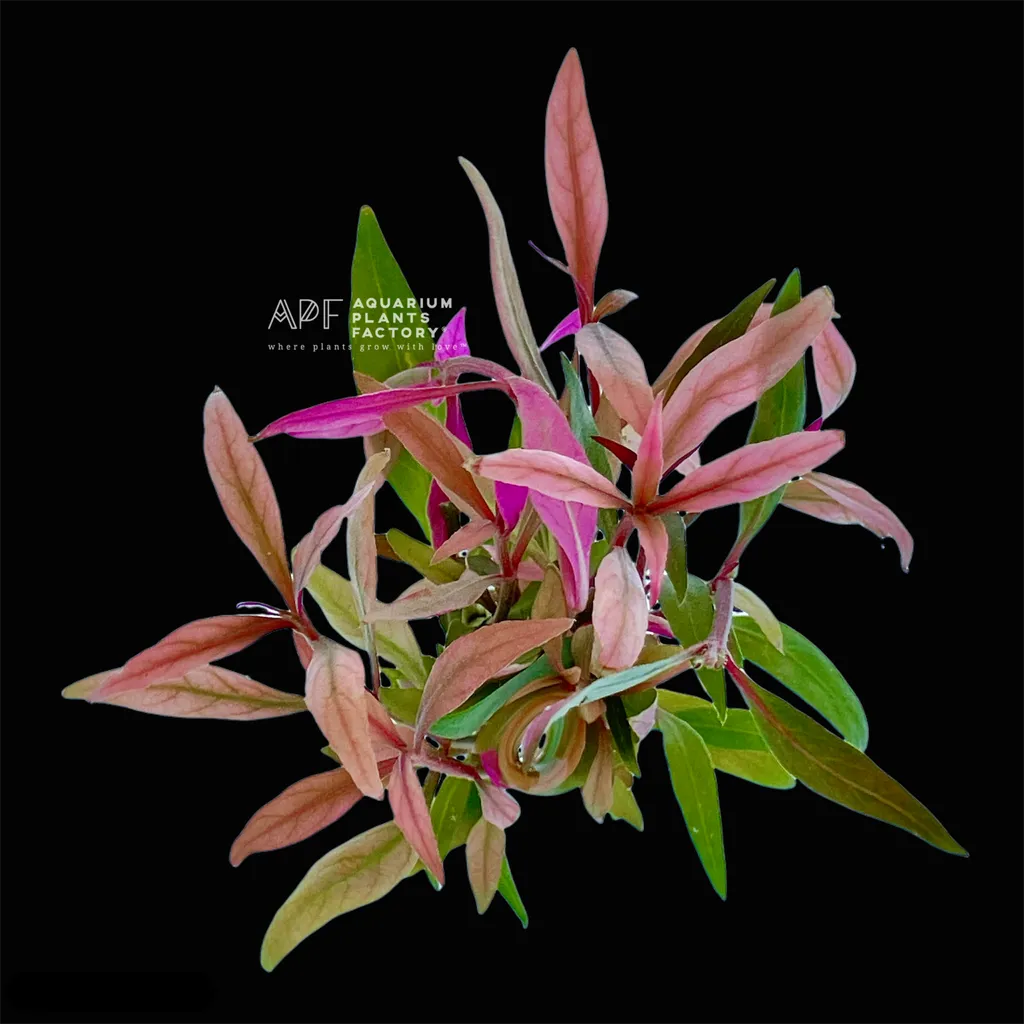
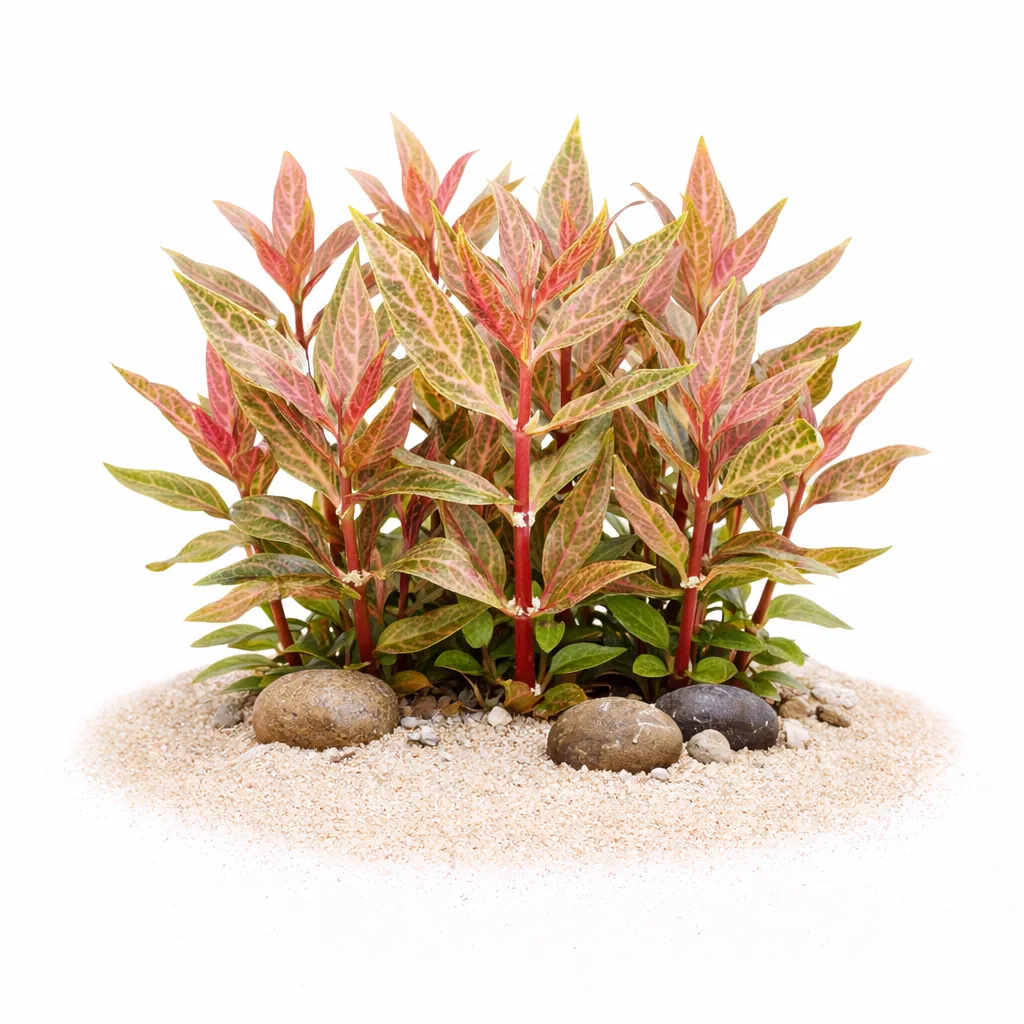
The dwarf form stays around ten centimeters and branches into low red cushions, which put reineckii in the foreground for the first time. Rosanervig adds pale veins over pink leaves, a nursery selection with the same habit as the standard plant, and Green swaps the red for olive on an otherwise identical stem.
Overview
One of the most popular red plants and among the more forgiving, but it still wants high light, good water-column dosing including iron, and CO2 to hold dense red color and avoid losing lower leaves. Plant single stems spaced apart in the mid-ground so light reaches the whole stem; replant trimmed tops to bush it out. It grows at a moderate pace rather than fast. Without CO2 it can survive and even color up reasonably, but growth slows and it becomes more algae-prone, so adjust expectations in a low-tech tank.
In the wild
Native to South America, ranging across southern Brazil, Paraguay, northern Argentina, Bolivia, and Uruguay. It grows in marshes, stream banks, and seasonally flooded ground, living both submersed and as a semi-aquatic marsh plant. The leaves are green to olive on top and pink to deep red underneath, with several cultivars selected for stronger color.
Good to know
A member of the amaranth family (Amaranthaceae), historically traded under the genus name Telanthera. The red coloration comes from anthocyanin and carotenoid pigments concentrated on the leaf undersides, and the plant's color response is strongly tied to iron and overall nutrient availability. Numerous trade cultivars ('Rosanervig', 'Pink', 'Mini', 'Variegated') are all forms of this one species.
Did you know
Iron, not just light, drives its color: starve Alternanthera reineckii of iron and the leaves fade to pale pink or green no matter how bright the lighting, which is why dedicated iron dosing is a standard trick for keeping it red.
Common questions
Why are the lower leaves falling off?
Shading. The canopy steals the light and the plant abandons what it cannot power. Trim the tops, replant them, and keep the stand thinned so light reaches down the stems.
Does AR need CO2?
No. It grows and stays red without it; CO2 just makes the growth denser and faster. The Mini form in particular benefits if you want a tight carpet-like cushion.
Related plants
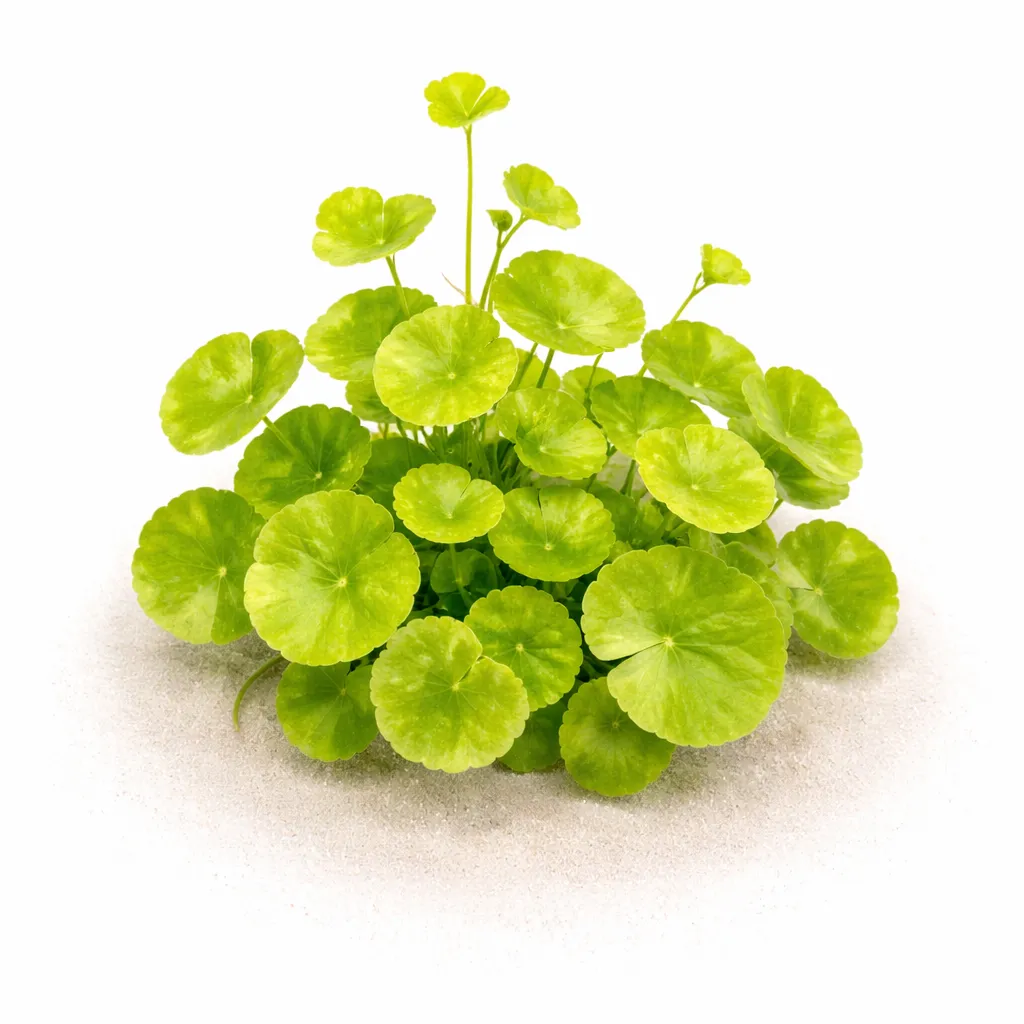 Medium lightMidground19.7 in (50 cm)
Brazilian pennywort
Hydrocotyle leucocephala
Medium light · Midground
 High lightMidground19.7 in (50 cm)
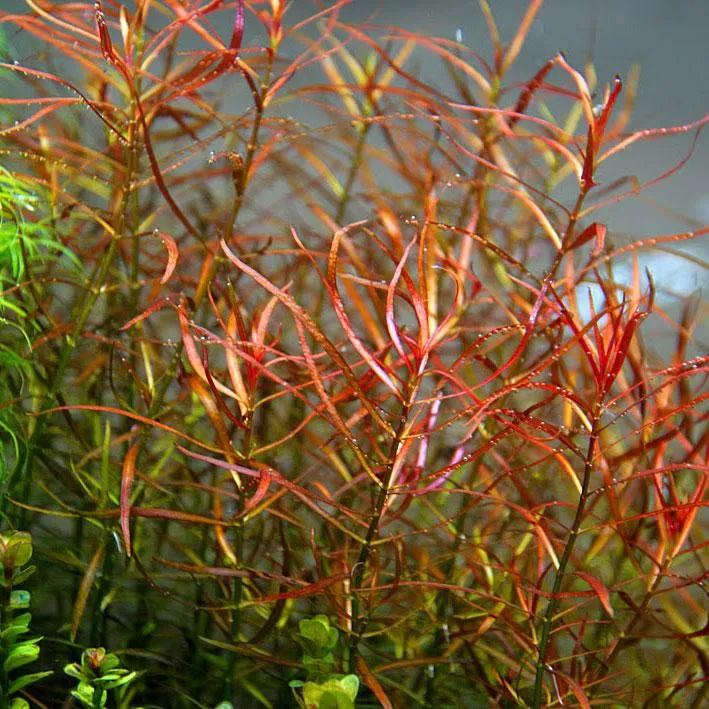
Ludwigia arcuata
High light · Midground
 High lightMidground17.7 in (45 cm)
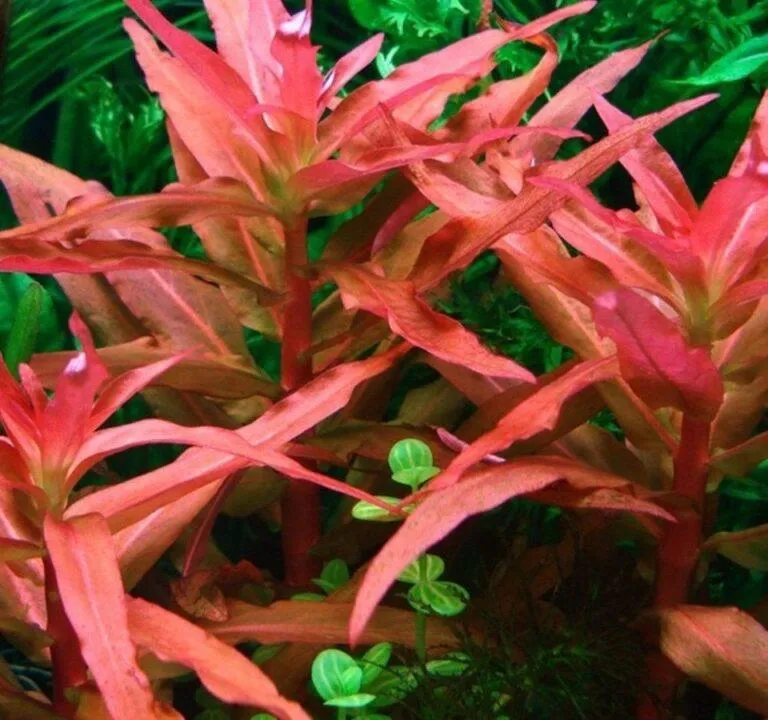
Ammannia senegalensis
High light · Midground
 High lightMidground15.7 in (40 cm)
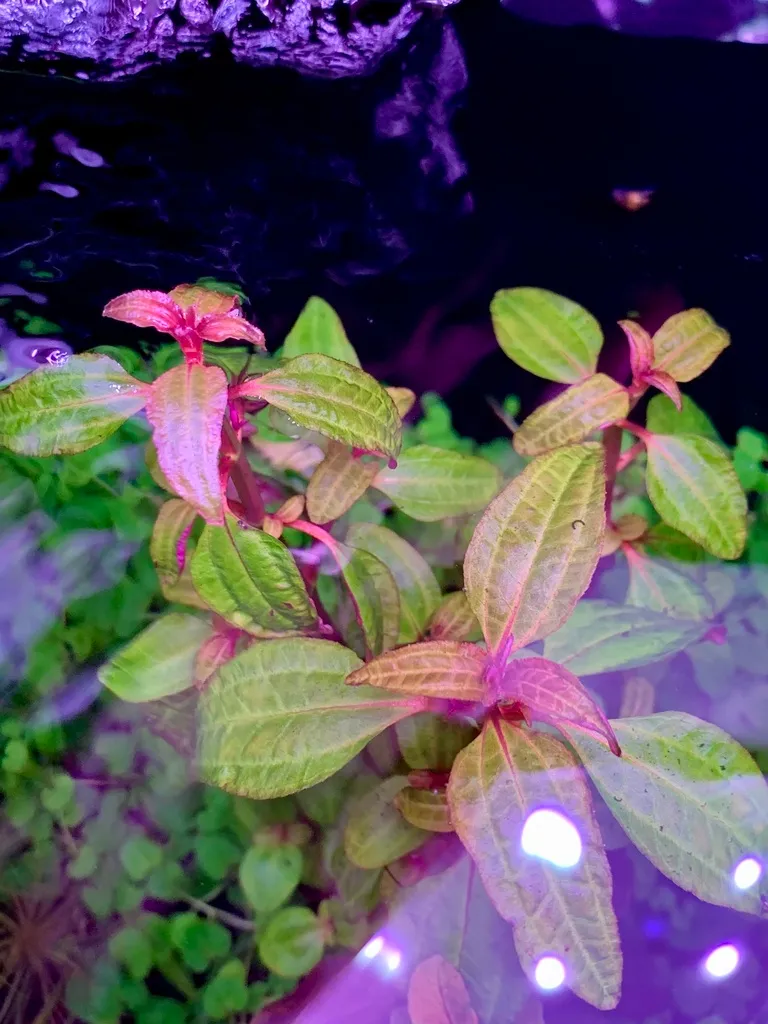
Aciotis acuminifolia
High light · Midground
 Medium lightMidground15.7 in (40 cm)
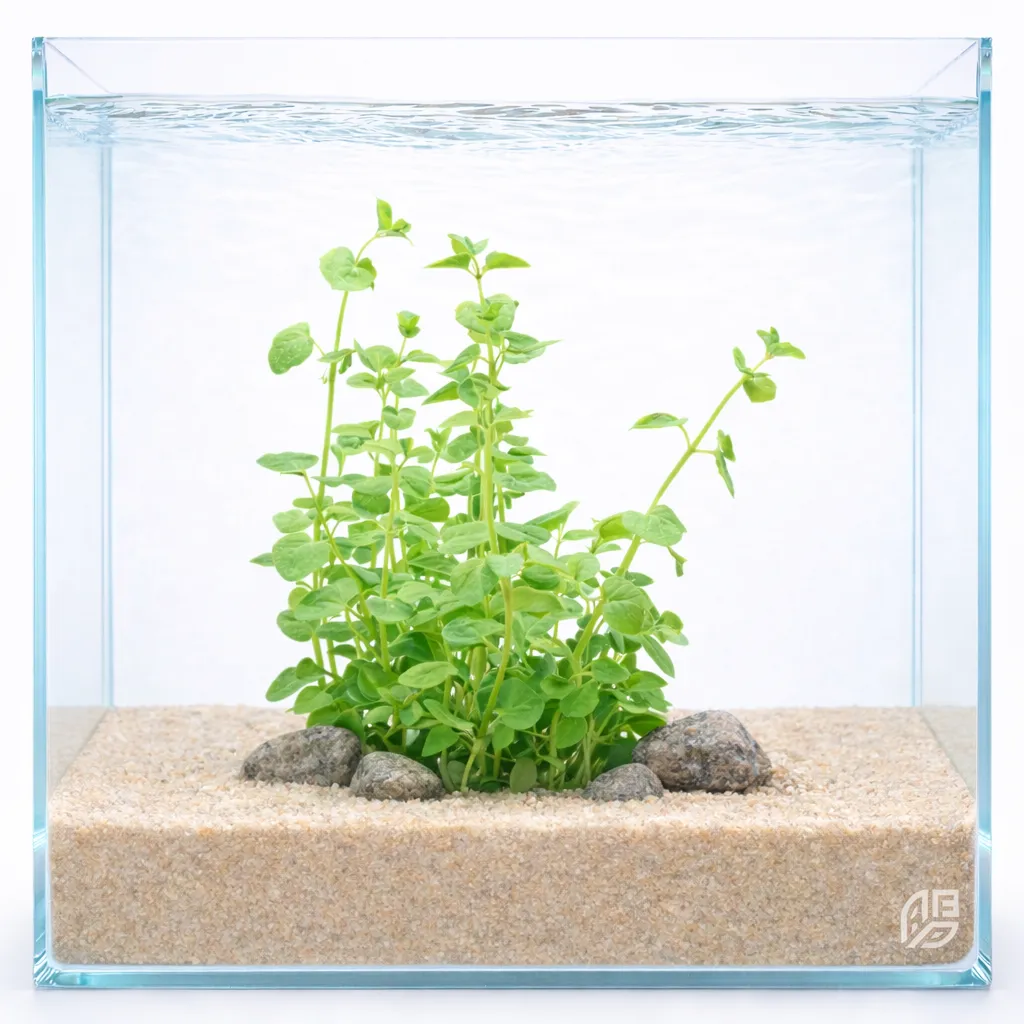
Creeping Charlie
Clinopodium brownei
Medium light · Midground
 Medium lightMidground15.7 in (40 cm)
Hygrophila pinnatifida
Medium light · Midground