Pogostemon sampsonii
Also known as Limnophila punctata, Pogostemon cf. pumilus
FreshwaterStemCuttingsSide shoots
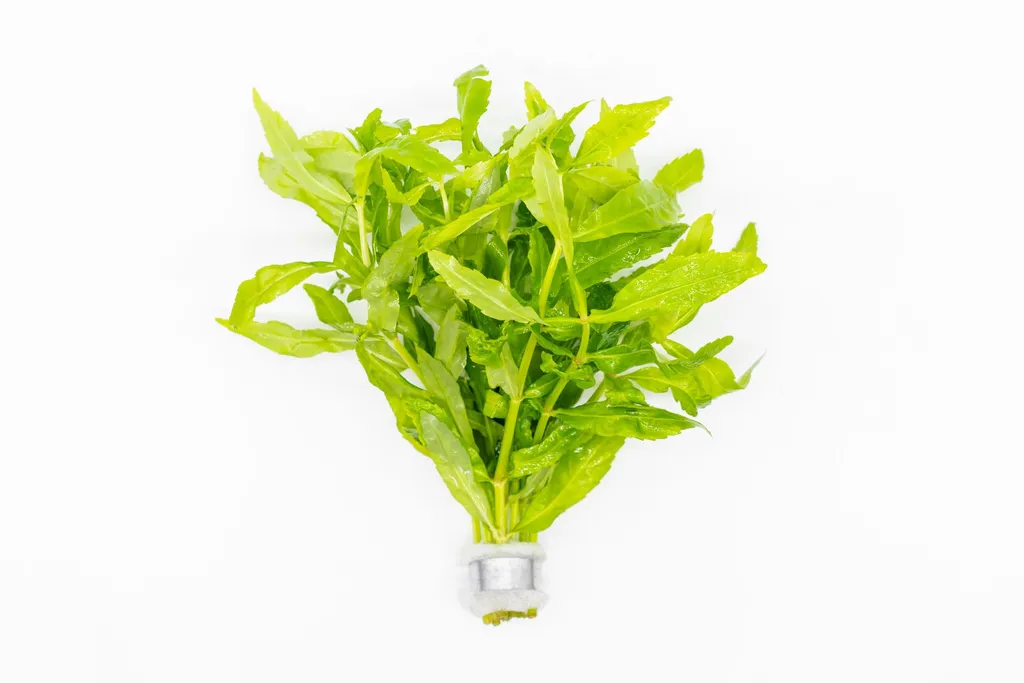
Care at a glance
- Light
- Medium light
- CO2
- CO₂ beneficial
- Temperature
- 72–82°F
- 22–28°C
- Max height
- 9.8 in
- 25 cm
- Growth rate
- Medium
- Placement
- Midground
- Type
- Stem
- pH
- 6.0–7.5
- Spread
- 2.4 in (6 cm)
- Nutrient uptake
- Root + water column
- Growth region
- Submersed or emersed
- Difficulty
- Medium
- Family
- Lamiaceae
- Origin
- Southern China (Guangdong, Guangxi, Guizhou, Hunan, Jiangxi)
Overview
Pogostemon sampsonii is a whorled stem plant for the midground of medium difficulty. It is nowhere near as touchy as Pogostemon stellatus, but a little more demanding than a basic beginner stem.
Did you know
Pogostemon sampsonii was misnamed twice before anyone got it right. Christel Kasselmann finally pinned it to a species described from southern China in the 1800s.
Caring for Pogostemon sampsonii
Strip the lower leaves and plant the stems one at a time in the midground, a little apart. Pogostemon sampsonii holds tight whorls under medium or better light. In weak light the whorls open up and the lower stem bares out, which is the main way it disappoints.
It grows without injected CO2. CO2 and a rich substrate speed up branching and deepen the green, but they are not make-or-break. Feed the roots with root tabs and the water with a liquid fertilizer. It handles 72 to 82°F (22 to 28°C).
It grows at a moderate pace. Trim anywhere along the stem and replant the tops, since cut stems branch below the cut and thicken the bush.
Good to know
Pogostemon sampsonii is a member of Lamiaceae, the mint family, and a relative of patchouli. In the trade it went first as Limnophila punctata and later as Pogostemon cf. pumilus. Its narrow, pointed leaves radiate from the stem in tight whorls. That gives each shoot a symmetrical starburst texture, finer than P. stellatus and coarser than P. erectus.
In the wild
Pogostemon sampsonii is native to southern China, recorded from Guangdong, Guangxi, Guizhou, Hunan and Jiangxi. It grows in wet ground along streams, ditches and paddy margins. Like most aquatic mints it is amphibious, growing emersed on saturated soil for much of the year and submersed when flooded. Aquarium stock converts readily between the two forms.
Common questions
Does Pogostemon sampsonii need to be planted in the substrate?
Yes. Strip the leaves from the lower part of each stem, then push the stems into the substrate one at a time, a little apart.
Does Pogostemon sampsonii need CO2?
No, but it helps. Pogostemon sampsonii can grow without injected CO2, and added CO2 makes it grow faster.
How much light does Pogostemon sampsonii need?
Pogostemon sampsonii wants medium light. A light sold for planted tanks covers it.
Does Pogostemon sampsonii need root tabs?
They help. Pogostemon sampsonii takes nutrients through both its roots and its leaves. Root tabs near its roots and a liquid fertilizer cover both.
How do you propagate Pogostemon sampsonii?
Pogostemon sampsonii propagates by cuttings and side shoots. Cut off the top of a stem and replant it, and the stump left behind grows new shoots. Cut a side shoot off once it has a few leaves and plant it on its own.
How tall does Pogostemon sampsonii grow?
Pogostemon sampsonii grows to about 9.8 in (25 cm) tall. It grows at a moderate pace.
Related plants
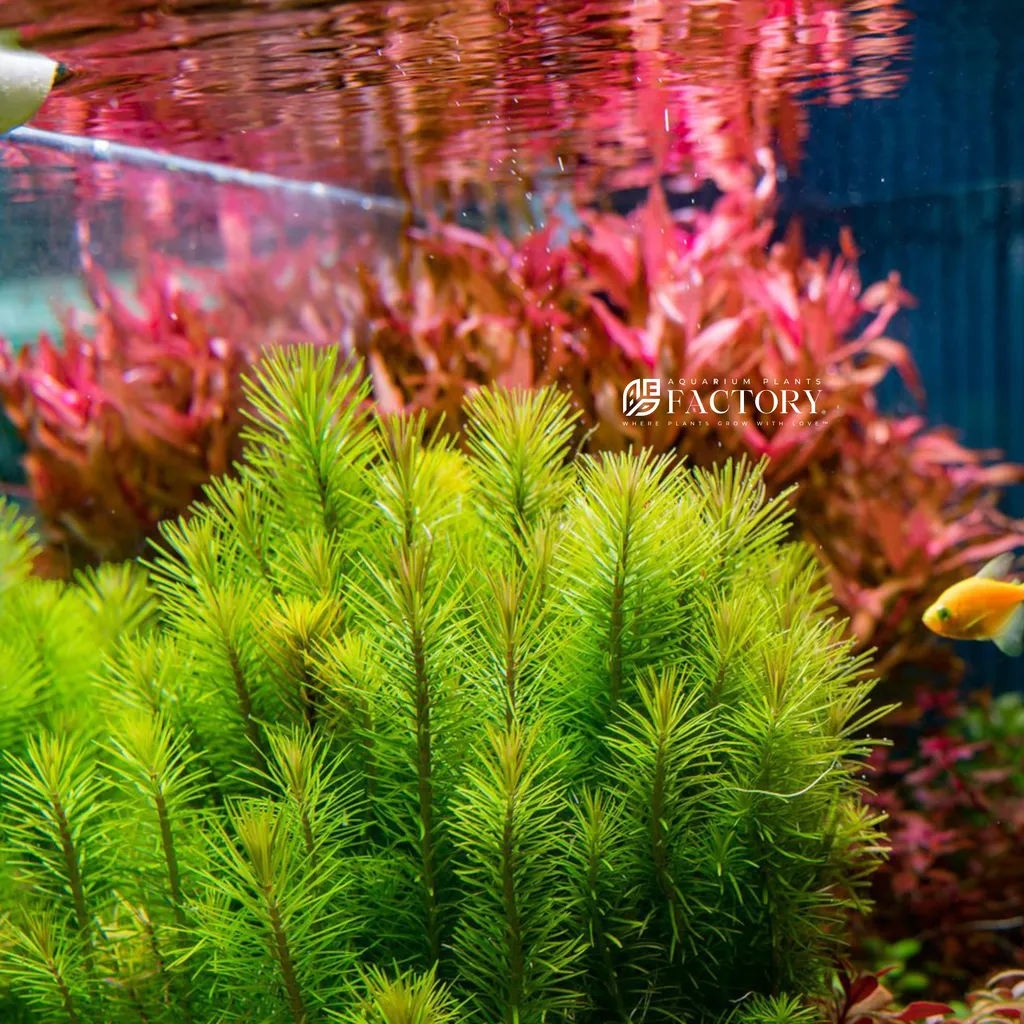 High lightMidground9.8 in (25 cm)
Pogostemon erectus
Pogostemon deccanensis
High light · Midground
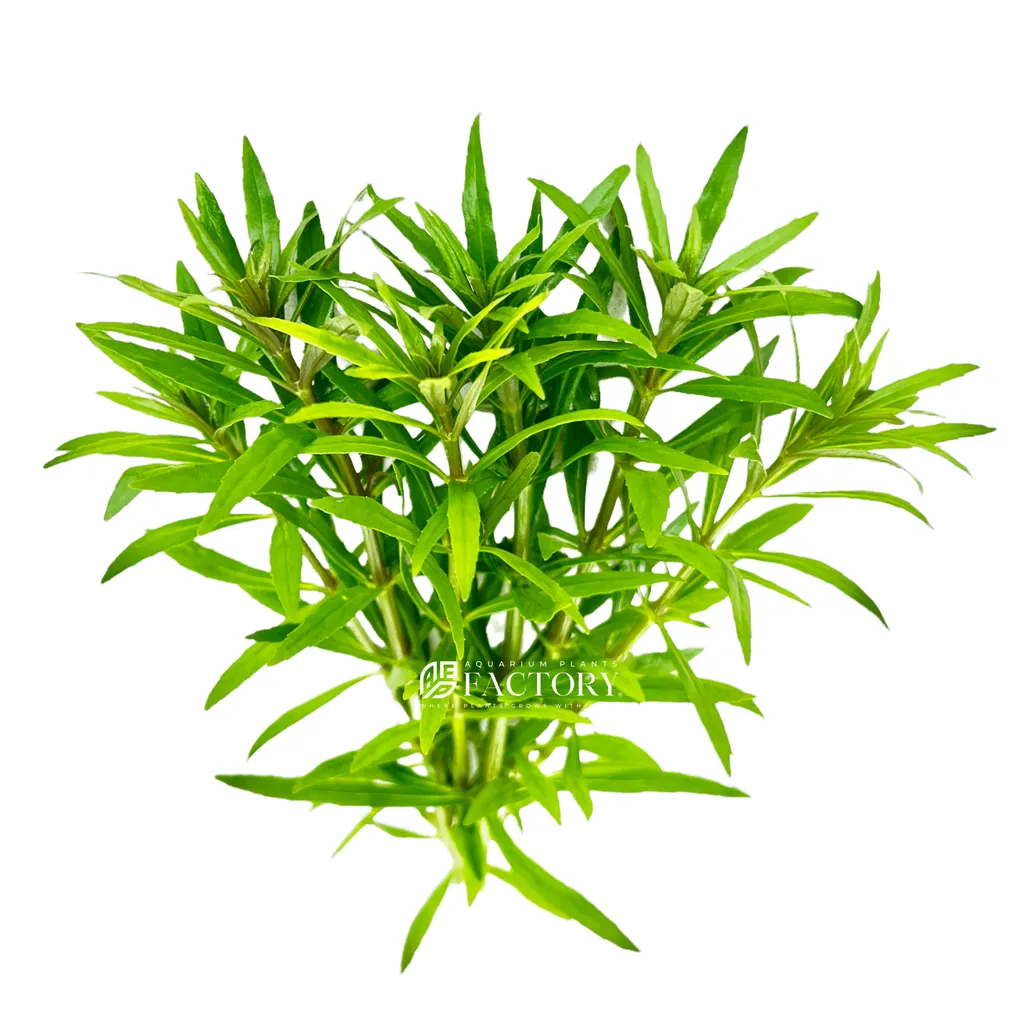 Medium lightBackground15.7 in (40 cm)
Pogostemon quadrifolius
Medium light · Background
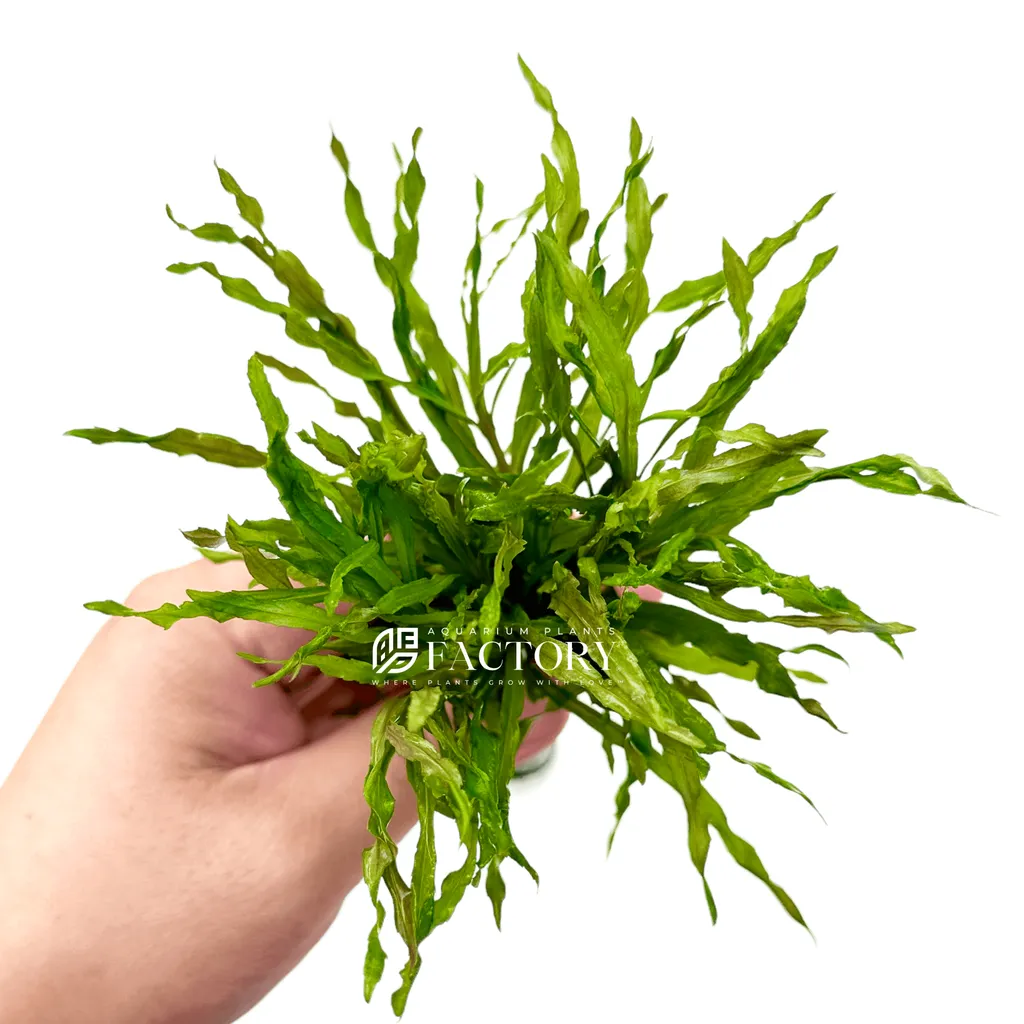 High lightBackground17.7 in (45 cm)
Pogostemon Dassen
Pogostemon stellatus 'Dassen'
High light · Background
 High lightBackground23.6 in (60 cm)
Pogostemon stellatus
High light · Background
- High lightBackground23.6 in (60 cm)
Pogostemon stellatus Broad Leaf
Pogostemon stellatus 'Broad Leaf'
High light · Background
 High lightForeground3.1 in (8 cm)
Pogostemon helferi
High light · Foreground