Senegal tea plant
Gymnocoronis spilanthoides
Also known as Senegal tea, Gymnocoronis, Spadeleaf plant
FreshwaterStemCuttingsSide shoots
Invasive. Senegal tea plant is an invasive weed banned across the EU and from sale in New Zealand. Several Australian states and Washington State also ban its sale. Never release into the wild; dispose of trimmings in the trash.
Care at a glance
- Light
- High light
- CO2
- No CO₂ needed
- Temperature
- 59–82°F
- 15–28°C
- Max height
- 23.6 in
- 60 cm
- Growth rate
- Fast
- Placement
- Background
- Type
- Stem
- pH
- 5.5–8.0
- Hardness
- 2–15 dGH
- Spread
- 7.9 in (20 cm)
- Nutrient uptake
- Root + water column
- Growth region
- Submersed or emersed
- Difficulty
- Easy
- Family
- Asteraceae
- Origin
- Native to swamps, ponds, and slow streams from Peru and Brazil south to northern Argentina in South America.
Overview
Senegal tea plant is an easy, undemanding stem plant for the background of larger tanks. Despite the common name, it is South American, not African.
Did you know
Senegal tea plant is listed as an Invasive Alien Species of Union Concern in the European Union because it grows so aggressively. Importing, selling and keeping it are banned there.
Caring for Senegal tea plant
Strip the lower leaves and push Senegal tea plant stems into the substrate a little apart. In an open tank it will grow emergent if allowed to reach the surface.
It wants a lot of light but no added CO2, and it grows fast at 59 to 82°F (15 to 28°C). It draws heavily on nutrients through its roots and leaves, so feed both with root tabs and a liquid fertilizer. That fast growth and heavy nutrient use help starve out algae.
Trim it often to control its rapid, sprawling growth. Replant the cut tops and any side shoots to thicken the stand, and the trimmed stems branch again.
Good to know
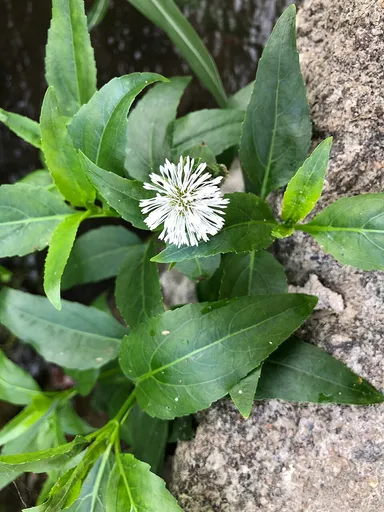
Gymnocoronis spilanthoides is a member of the daisy family, Asteraceae, in the same tribe as the bonesets. It has glossy, lance-shaped, serrated leaves on thick, hollow stems. Those stems help it grow quickly as an emergent marsh plant. Shops also sell it as spadeleaf plant.
In the wild
Senegal tea plant is native to swamps, ponds and slow streams from Peru and Brazil south to northern Argentina. It grows emergent along their edges, sending shoots well above the waterline and producing white flowers.
Common questions
Does Senegal tea plant need to be planted in the substrate?
Yes. Strip the leaves from the lower part of each stem, then push the stems into the substrate one at a time, a little apart.
Does Senegal tea plant need CO2?
No. Senegal tea plant grows well without added CO2.
How much light does Senegal tea plant need?
Senegal tea plant needs high light from a strong planted-tank LED. In weaker light its stems stretch and drop their lower leaves.
Does Senegal tea plant need root tabs?
They help. Senegal tea plant takes nutrients through both its roots and its leaves. Root tabs near its roots and a liquid fertilizer cover both.
How do you propagate Senegal tea plant?
Senegal tea plant propagates by cuttings and side shoots. Cut off the top of a stem and replant it, and the stump left behind grows new shoots. Cut a side shoot off once it has a few leaves and plant it on its own.
How tall does Senegal tea plant grow?
Senegal tea plant grows to about 23.6 in (60 cm) tall. It grows fast, so expect to trim it often.
Related plants
 Medium lightBackground19.7 in (50 cm)
Mexican oak leaf
Shinnersia rivularis
Medium light · Background
 Low lightBackground23.6 in (60 cm)
Canadian waterweed
Elodea canadensis
Low light · Background
 High lightBackground23.6 in (60 cm)
Green cabomba
Cabomba caroliniana
High light · Background
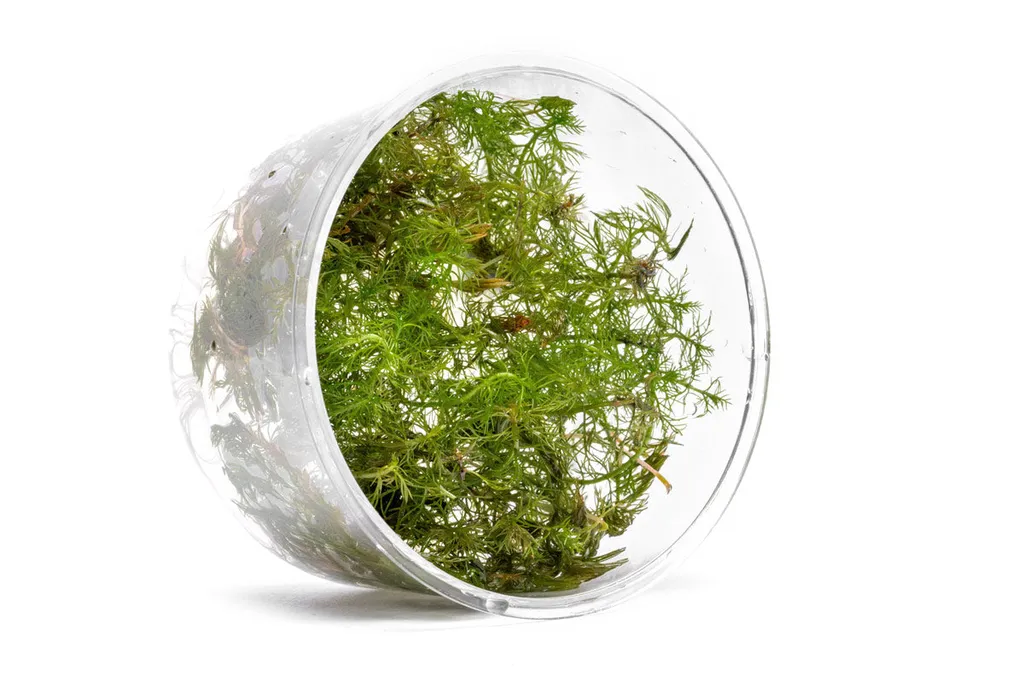 High lightBackground23.6 in (60 cm)
Myriophyllum Roraima
Myriophyllum sp. 'Roraima'
High light · Background
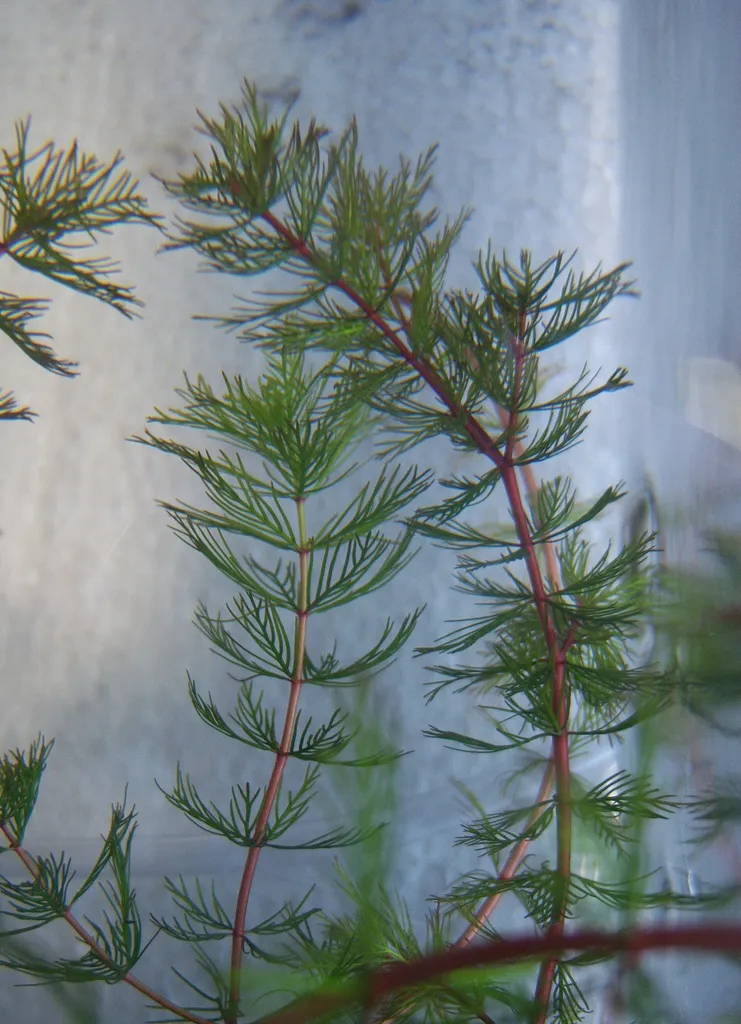 Medium lightBackground23.6 in (60 cm)
Myriophyllum Snowflake
Myriophyllum quitense
Medium light · Background
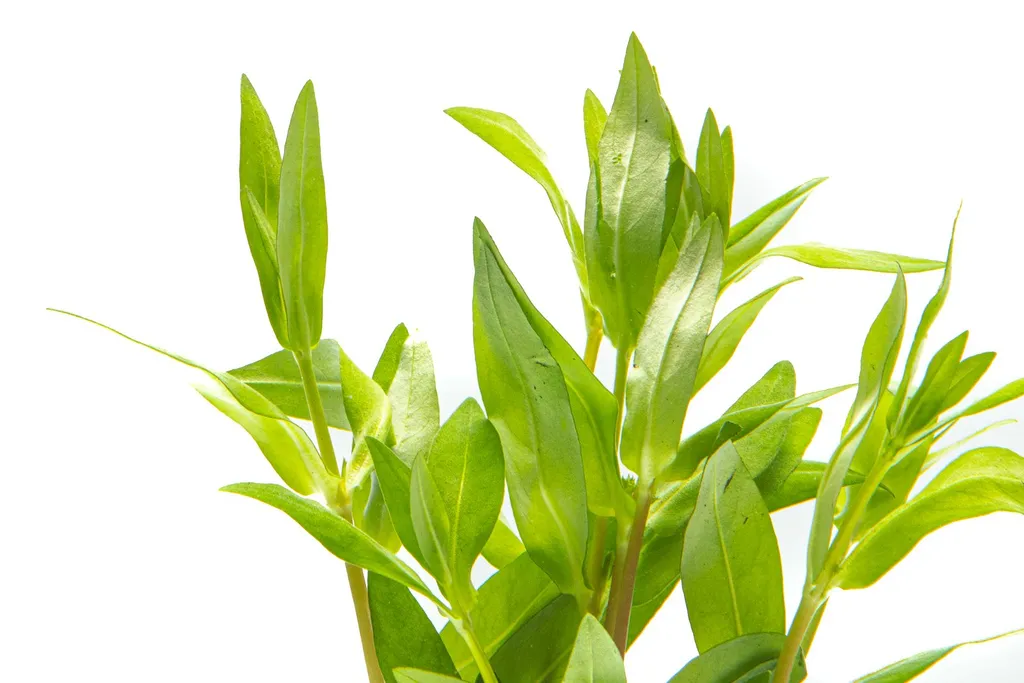 Medium lightBackground23.6 in (60 cm)
Nesaea triflora
Ammannia capitellata
Medium light · Background