Pearlweed
Hemianthus glomeratus
Also known as Micranthemum glomeratum, Hemianthus micranthemoides, Micranthemum micranthemoides, Baby tears, Manatee mudflower
FreshwaterStemCuttingsSide shoots
Care at a glance
- Light
- Medium light
- CO2
- CO₂ beneficial
- Temperature
- 68–82°F
- 20–28°C
- Max height
- 7.9 in
- 20 cm
- Growth rate
- Fast
- Placement
- Midground
- Type
- Stem
- pH
- 5.0–7.5
- Hardness
- 2–15 dGH
- Spread
- 3.9 in (10 cm)
- Nutrient uptake
- Root + water column
- Growth region
- Submersed or emersed
- Difficulty
- Beginner
- Family
- Linderniaceae
- Origin
- Florida, USA (endemic)
Overview
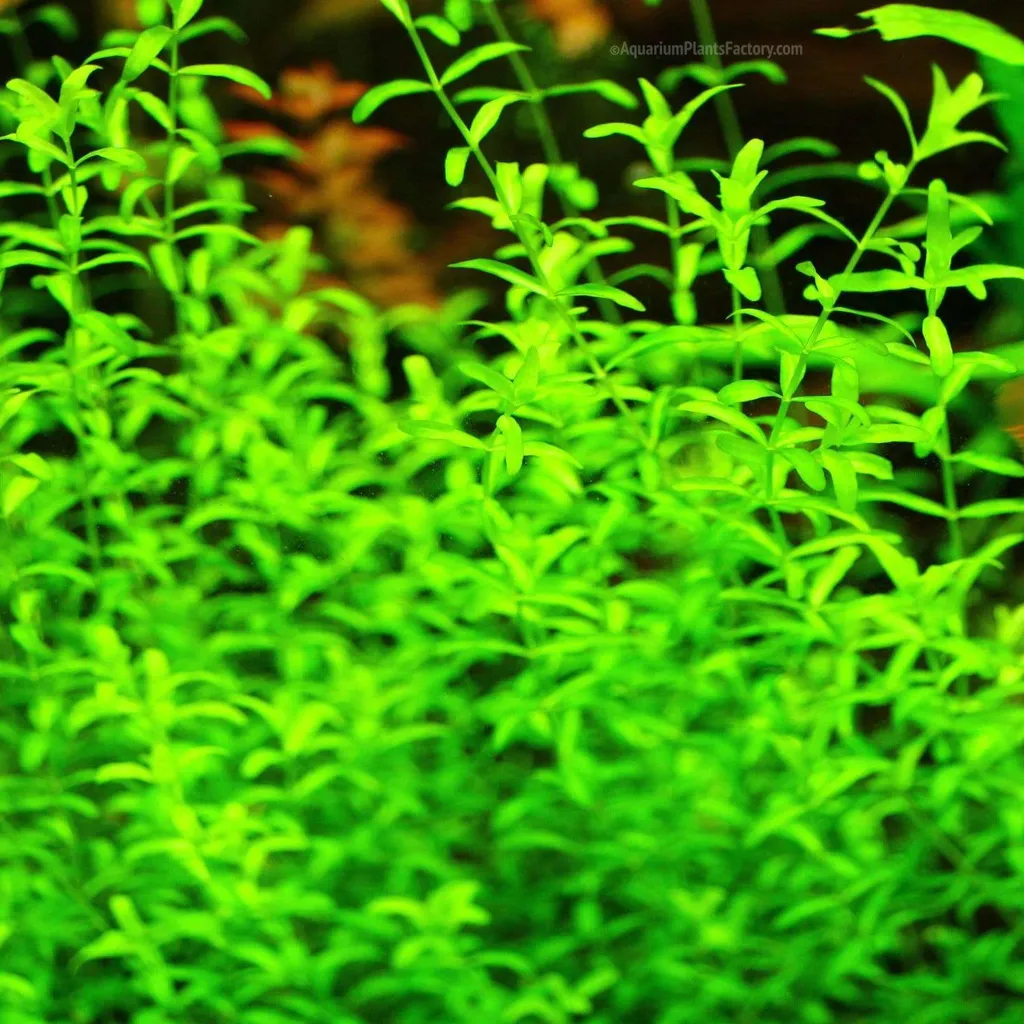
Pearlweed is a small-leaved, fast-growing stem plant for the midground. It is one of the easiest stem plants going and suits beginners.
Did you know
Pearlweed was sold as Hemianthus micranthemoides for decades, until it was identified as Micranthemum glomeratum in 2011. The real Hemianthus micranthemoides was last collected in 1941 and is presumed extinct.
Caring for pearlweed
Strip the lower leaves and push pearlweed stems into the substrate a little apart. It is happy in a low-tech tank without CO2, though injected CO2 makes it denser and more compact. Give it medium light and keep it at 68 to 82°F (20 to 28°C).
It feeds through its roots and its leaves, so root tabs and a liquid fertilizer both help. It grows fast, and in a fast tank it needs pruning every week. Replant the tops and side shoots, or let it spread on its own.
Left tall, pearlweed grows into a bright green midground bush or a bushy background stem. Trimmed hard and kept in high light, it creeps sideways and hugs the substrate as a loose carpet. That lets one plant fill three different roles, depending only on how often you trim it.
Good to know
Pearlweed's accepted botanical name is Micranthemum glomeratum, and Hemianthus glomeratus is a synonym widely used in the aquarium trade. Hobbyists use the names Hemianthus glomeratus and Hemianthus micranthemoides almost interchangeably. It is placed in the family Linderniaceae, though some sources still list it under Plantaginaceae.
In the wild
Pearlweed is an amphibious plant endemic to Florida. It grows on wet sandy mud along the margins of lakes and slow streams. It creeps over damp ground when emersed and grows as a loose submersed stem when flooded. Botanists know it as the manatee mudflower.
Common questions
Does pearlweed need to be planted in the substrate?
Yes. Strip the leaves from the lower part of each stem, then push the stems into the substrate one at a time, a little apart.
Does pearlweed need CO2?
No, but it helps. Pearlweed can grow without injected CO2, and added CO2 makes it grow faster.
How much light does pearlweed need?
Pearlweed wants medium light. A light sold for planted tanks covers it.
Does pearlweed need root tabs?
They help. Pearlweed takes nutrients through both its roots and its leaves. Root tabs near its roots and a liquid fertilizer cover both.
How do you propagate pearlweed?
Pearlweed propagates by cuttings and side shoots. Cut off the top of a stem and replant it, and the stump left behind grows new shoots. Cut a side shoot off once it has a few leaves and plant it on its own.
How tall does pearlweed grow?
Pearlweed grows to about 7.9 in (20 cm) tall. It grows fast, so expect to trim it often.
Related plants
 High lightForeground2 in (5 cm)
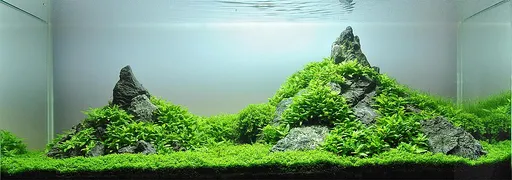
Dwarf baby tears
Hemianthus callitrichoides 'Cuba'
High light · Foreground
 Medium lightMidground7.9 in (20 cm)
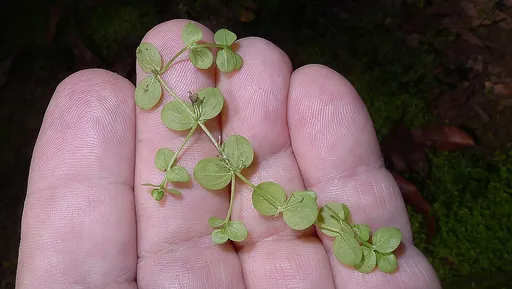
Giant baby tears
Micranthemum umbrosum
Medium light · Midground
 Medium lightBackground11.8 in (30 cm)
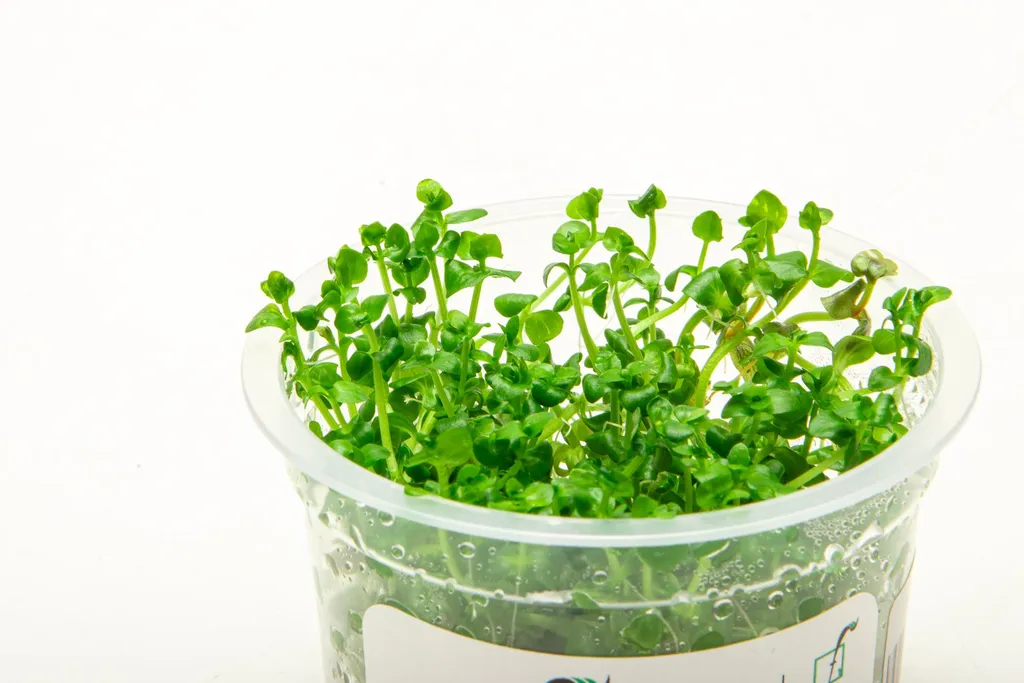
Lindernia rotundifolia
Medium light · Background
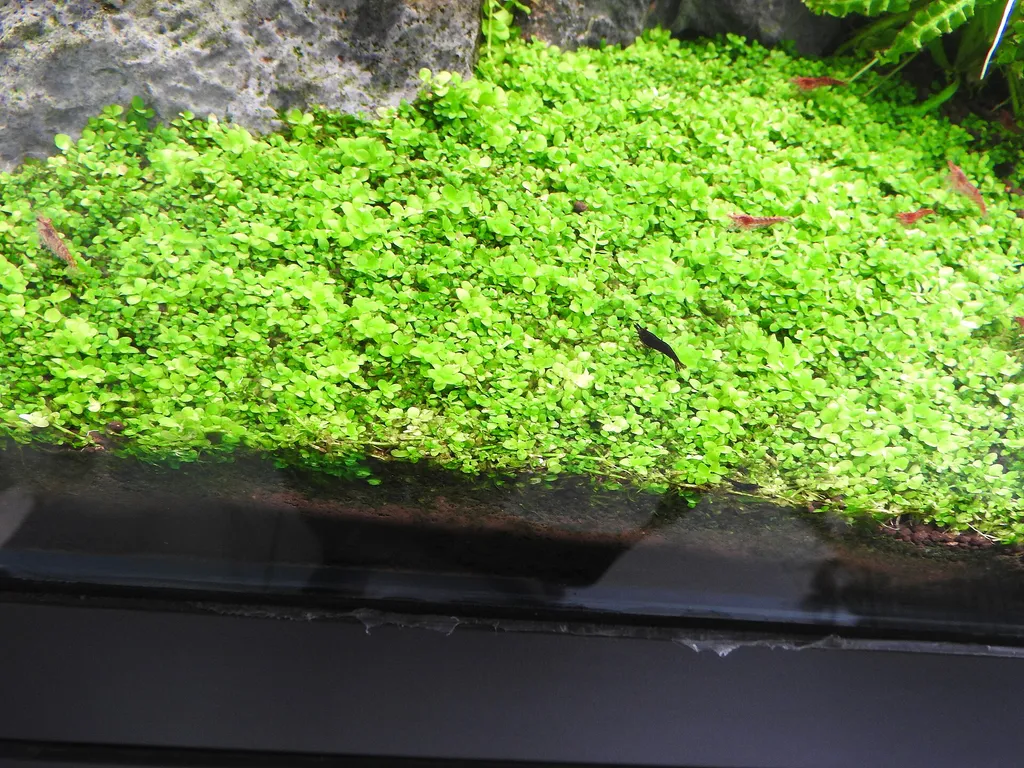 Medium lightForeground2 in (5 cm)
Monte Carlo
Micranthemum tweediei
Medium light · Foreground
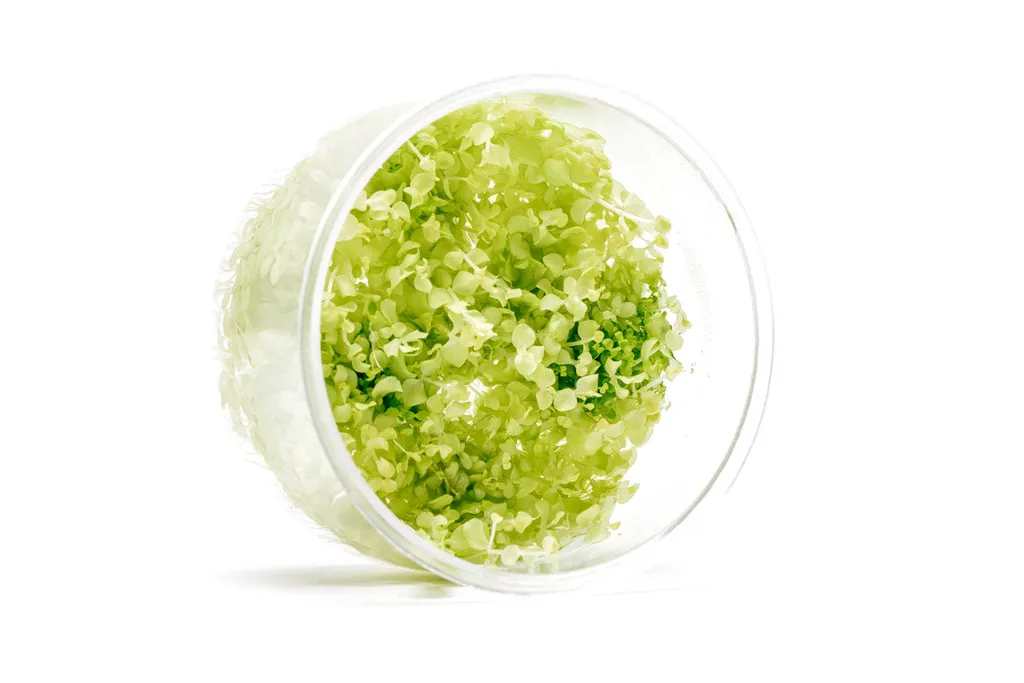 Medium lightForeground2 in (5 cm)
Monte Carlo White
Micranthemum tweediei 'White'
Medium light · Foreground