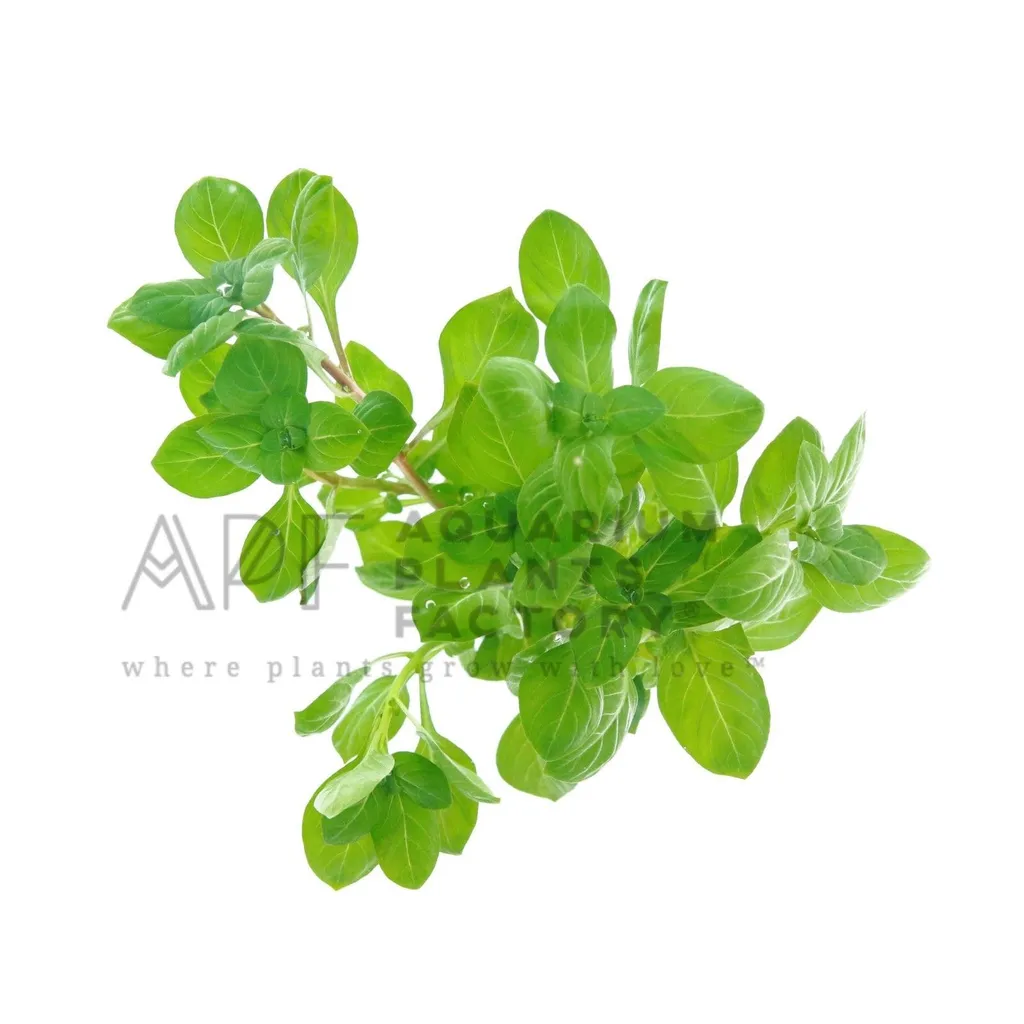
Ludwigia palustris
Also known as Marsh seedbox, Marsh primrose-willow, Common water-primrose, Isnardia palustris
FreshwaterStemCuttingsSide shoots
Care at a glance
- Light
- Medium light
- CO2
- CO₂ beneficial
- Temperature
- 59–82°F
- 15–28°C
- Max height
- 19.7 in
- 50 cm
- Growth rate
- Fast
- Placement
- Background
- Type
- Stem
- pH
- 5.0–8.0
- Hardness
- 2–20 dGH
- Spread
- 2 in (5 cm)
- Nutrient uptake
- Root + water column
- Growth region
- Submersed or emersed
- Difficulty
- Easy
- Family
- Onagraceae
- Origin
- Near-cosmopolitan (North and Central America, Europe, North and Southern Africa, West Asia)
Overview
One of the easier red stem plants, well suited to the mid-ground or background where it forms dense bushes. Plant individual stems a couple of centimeters apart in nutrient-rich substrate and trim the tops to encourage side shoots, replanting the cuttings. It will grow in moderate light without CO2 but stays greenish and leggy. Strong light, CO2 and good iron levels turn it compact and deep red.
In the wild
An almost cosmopolitan marsh plant found in boggy ground, ditches, pond margins and slow streams across North and Central America, Europe, Africa and West Asia. It grows both emersed as a creeping bog plant and fully submersed, tolerating a wide range of soft to moderately hard water.
Good to know
A member of the evening-primrose family Onagraceae and the genus Ludwigia. It is an extremely variable species, which is why it is often confused with Ludwigia repens in the trade. The older name Isnardia palustris is a synonym, and the popular deep-red form is sold as 'Super Red'.
Did you know
Did you know this plant is so genetically variable that the same species can look completely different from tank to tank, which is exactly why it gets mislabeled as Ludwigia repens or sold under made-up trade names like 'Super Red'.
Related plants
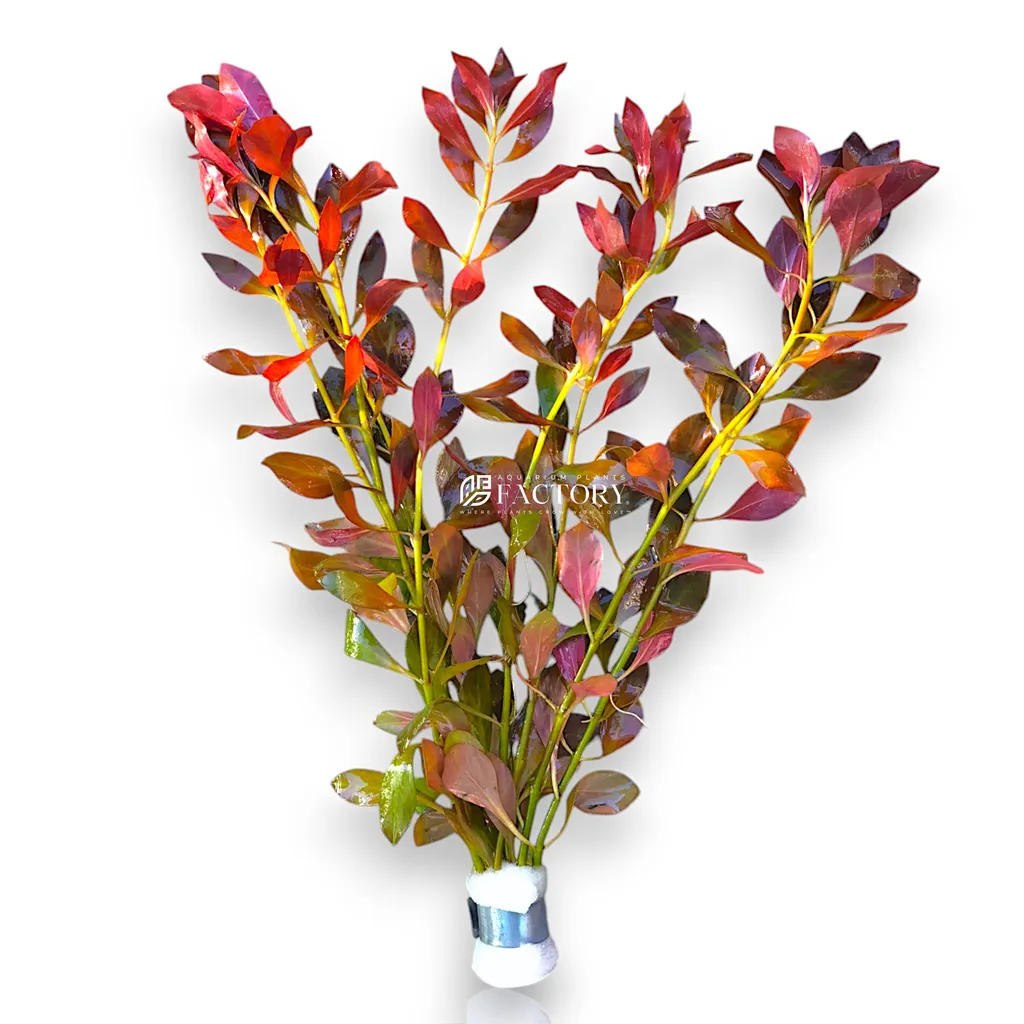 Medium lightBackground19.7 in (50 cm)
Ludwigia repens
Medium light · Background
- Medium lightBackground23.6 in (60 cm)
Ludwigia Marilia
Ludwigia sp. 'Marilia'
Medium light · Background
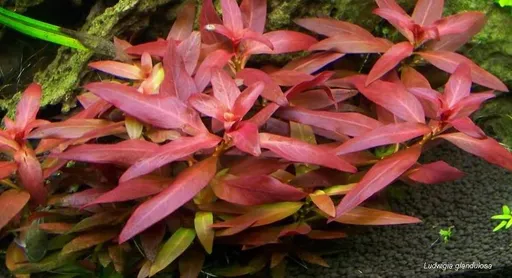 High lightBackground15.7 in (40 cm)
Ludwigia glandulosa
High light · Background
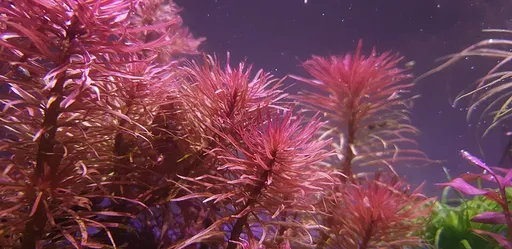 High lightBackground15.7 in (40 cm)
Ludwigia Pantanal
Ludwigia inclinata var. verticillata 'Pantanal'
High light · Background
- High lightBackground15.7 in (40 cm)
Ludwigia Cuba
Ludwigia inclinata var. verticillata 'Cuba'
High light · Background
- High lightBackground15.7 in (40 cm)
Ludwigia Dark Orange
Ludwigia sp. 'Dark Orange'
High light · Background