Penthorum sedoides
Also known as Ditch stonecrop
FreshwaterStemCuttingsSide shoots
Care at a glance
- Light
- Medium light
- CO2
- CO₂ beneficial
- Temperature
- 59–79°F
- 15–26°C
- Max height
- 15.7 in
- 40 cm
- Growth rate
- Slow
- Placement
- Midground
- Type
- Stem
- pH
- 5.0–7.0
- Hardness
- 0–14 dGH
- Spread
- 3.9 in (10 cm)
- Nutrient uptake
- Root + water column
- Growth region
- Submersed or emersed
- Difficulty
- Medium
- Family
- Penthoraceae
- Origin
- Eastern North America
Overview
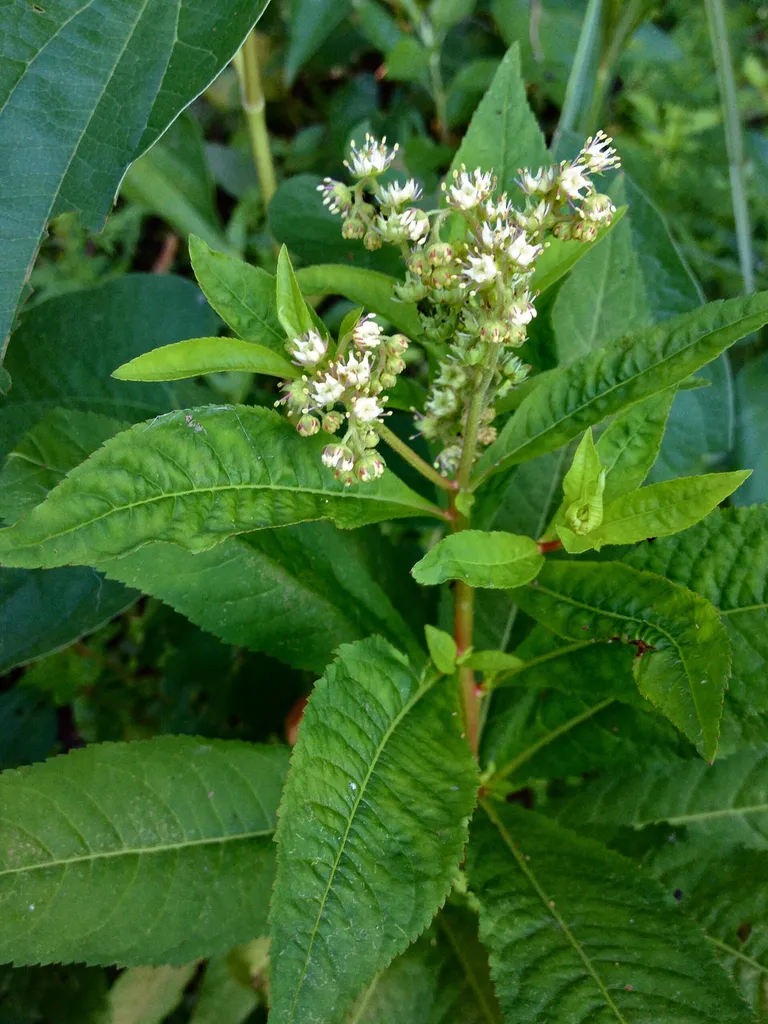
Penthorum sedoides is a paludarium and pond-margin plant that can also be grown submersed, not the other way around. Its lance-shaped, serrated leaves keep their shape underwater, which gives it an unusually crisp texture among stem plants. It is of medium difficulty.
Caring for Penthorum sedoides
Strip the lower leaves and push the stems into the substrate one at a time, a little apart. Penthorum sedoides stays compact underwater, so use it as a midground accent.
Give it medium light and reasonable nutrients, with root tabs for the roots and a liquid fertilizer for the leaves. Its slow leaves collect algae under strong light, so do not blast it. It grows without injected CO2, but add CO2 if you want it to do more than hold its position. It handles 59 to 79°F (15 to 26°C).
Growth underwater is slow, and it rarely needs trimming. Take cuttings from the tops, or cut off a side shoot with a few leaves and plant it on its own. In an open-top tank or riparium it climbs out of the water, and that emersed growth is where the plant really performs.
Good to know
Penthorum sedoides is the American species of Penthoraceae. The name sedoides means resembling Sedum, a nod to the stonecrop-like look of the leafy stems. It is not a succulent, though, and it is unrelated to true stonecrops. Emersed plants reach 30 to 60 cm and carry distinctive five-parted seed capsules. Submersed shoots stay smaller and more densely leafed.
In the wild
Penthorum sedoides is native to the eastern United States and Canada. It grows on wet banks, in ditches and in marshy ground that floods with the seasons. It is a hardy marginal rather than a true aquatic and stands emersed for most of the year. It puts up with spells of shallow submersion when water levels rise. Emersed plants are winter hardy and color up in autumn.
Common questions
Does Penthorum sedoides need to be planted in the substrate?
Yes. Strip the leaves from the lower part of each stem, then push the stems into the substrate one at a time, a little apart.
Does Penthorum sedoides need CO2?
No, but it helps. Penthorum sedoides can grow without injected CO2, and added CO2 makes it grow faster.
How much light does Penthorum sedoides need?
Penthorum sedoides wants medium light. A light sold for planted tanks covers it.
Does Penthorum sedoides need root tabs?
They help. Penthorum sedoides takes nutrients through both its roots and its leaves. Root tabs near its roots and a liquid fertilizer cover both.
How do you propagate Penthorum sedoides?
Penthorum sedoides propagates by cuttings and side shoots. Cut off the top of a stem and replant it, and the stump left behind grows new shoots. Cut a side shoot off once it has a few leaves and plant it on its own.
How tall does Penthorum sedoides grow?
Penthorum sedoides grows to about 15.7 in (40 cm) tall. It grows slowly and rarely needs trimming.
Related plants
 High lightMidground15.7 in (40 cm)
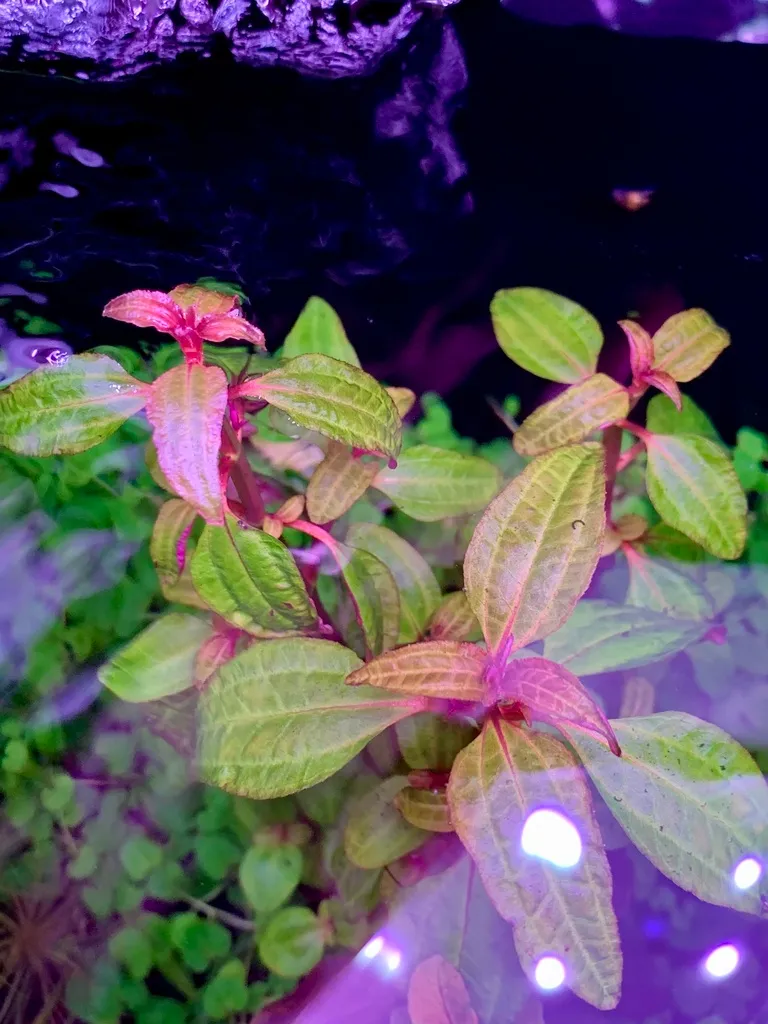
Aciotis acuminifolia
High light · Midground
 Medium lightMidground15.7 in (40 cm)
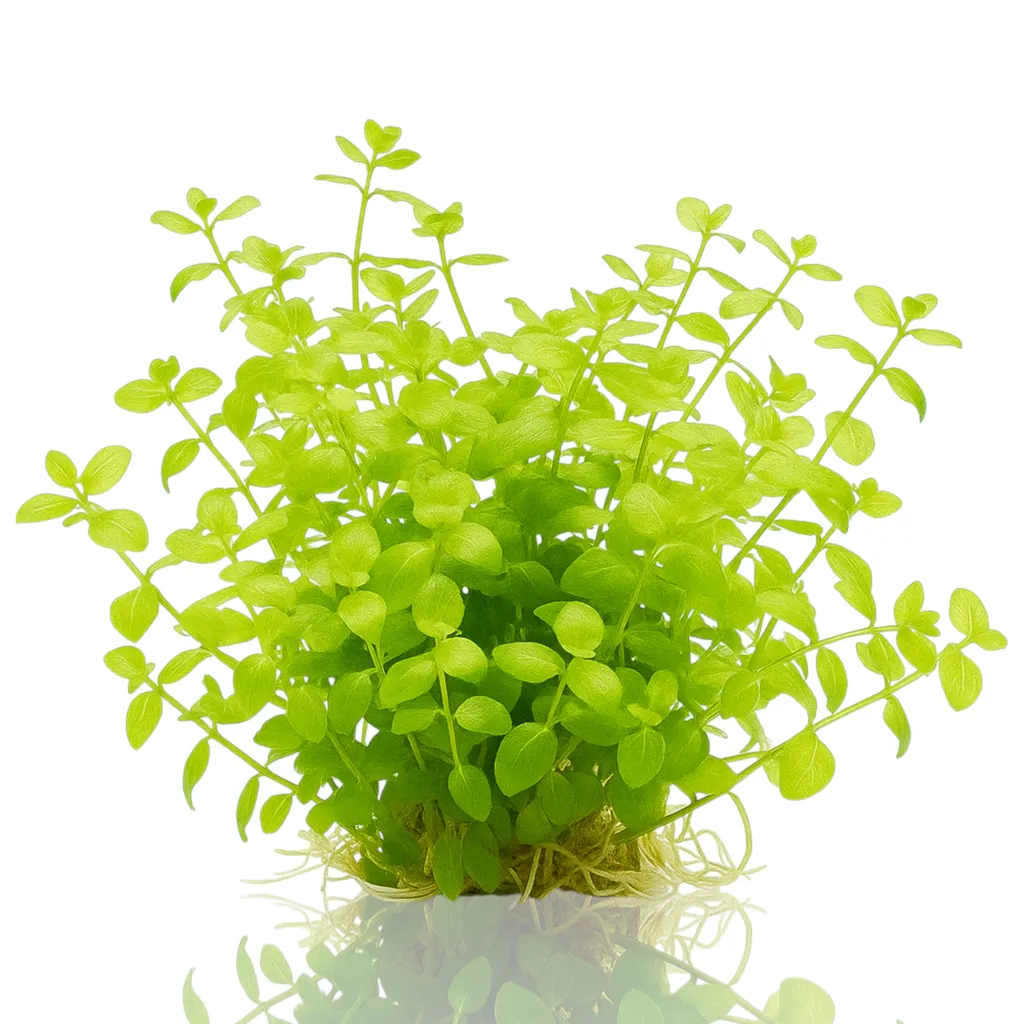
Creeping bacopa
Bacopa australis
Medium light · Midground
 Medium lightMidground15.7 in (40 cm)
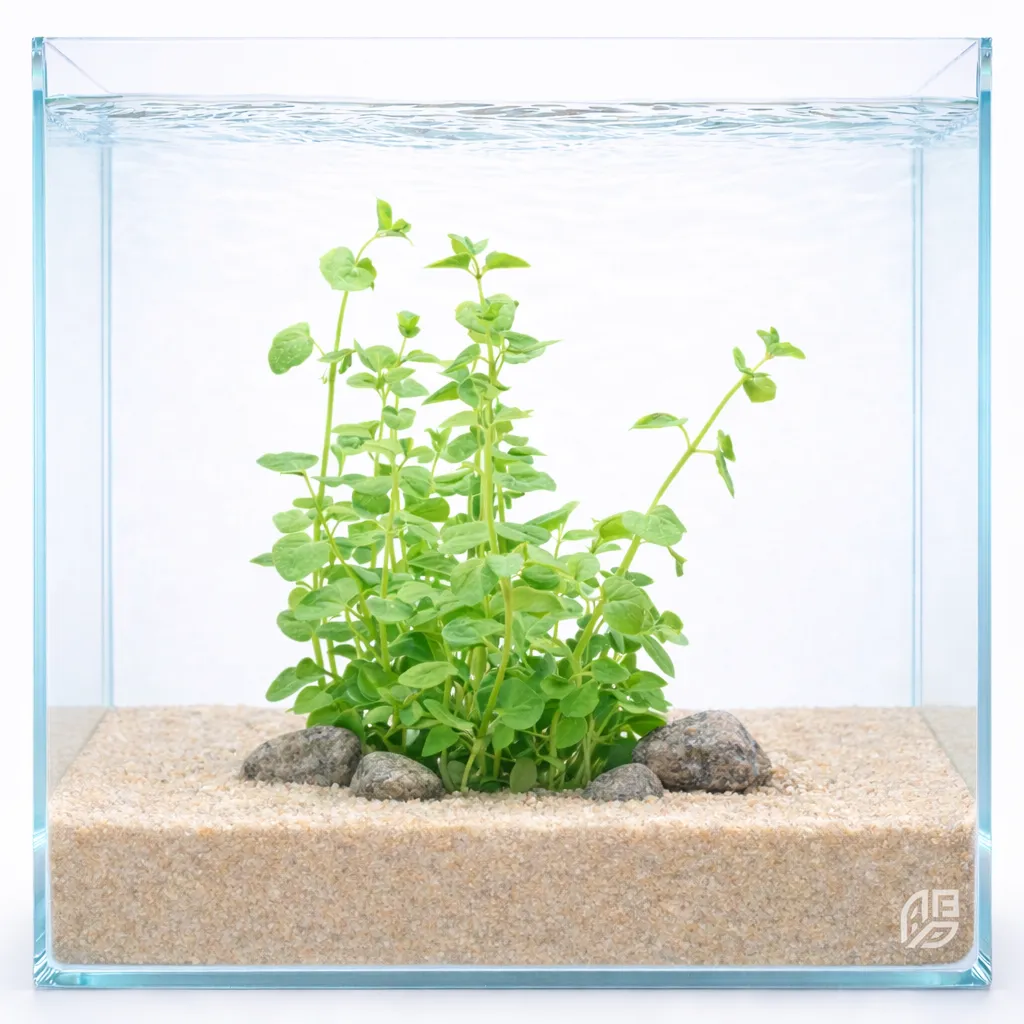
Creeping Charlie
Clinopodium brownei
Medium light · Midground
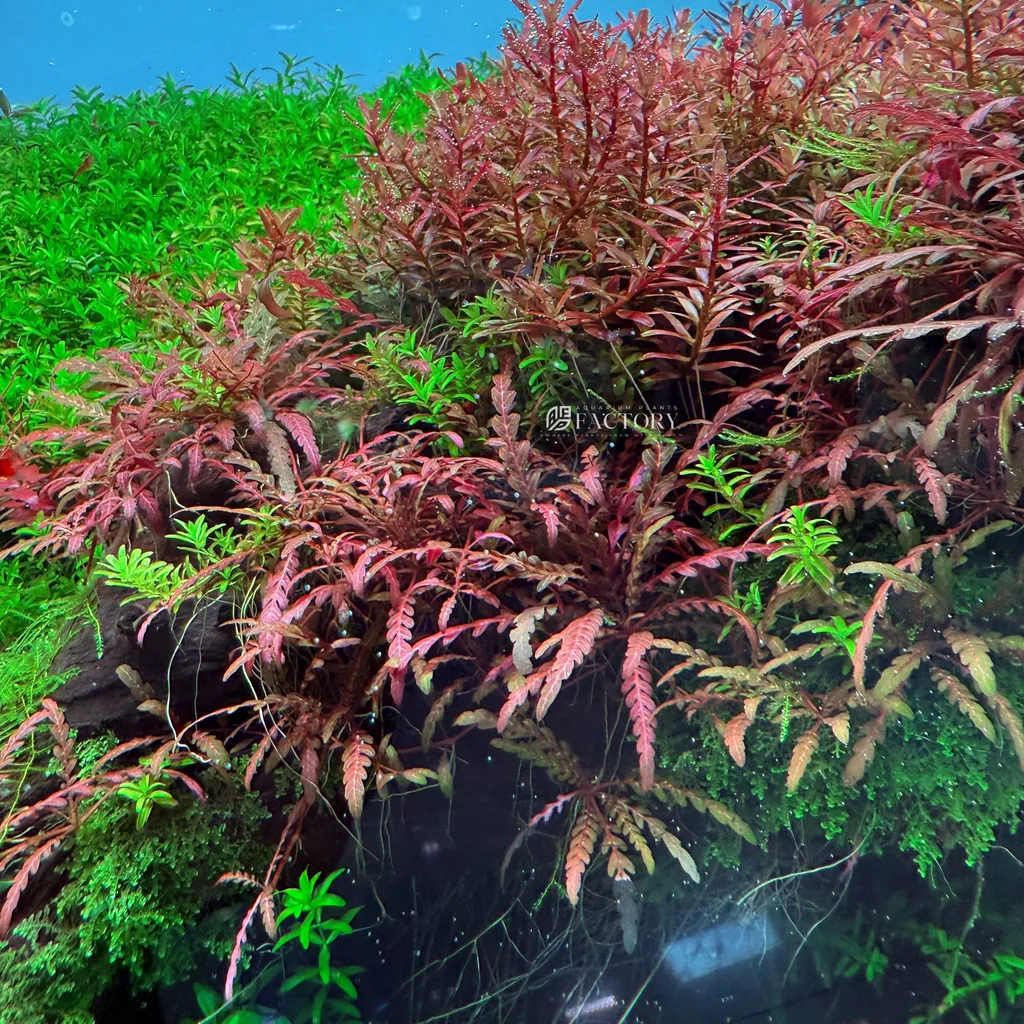 Medium lightMidground15.7 in (40 cm)
Hygrophila pinnatifida
Medium light · Midground
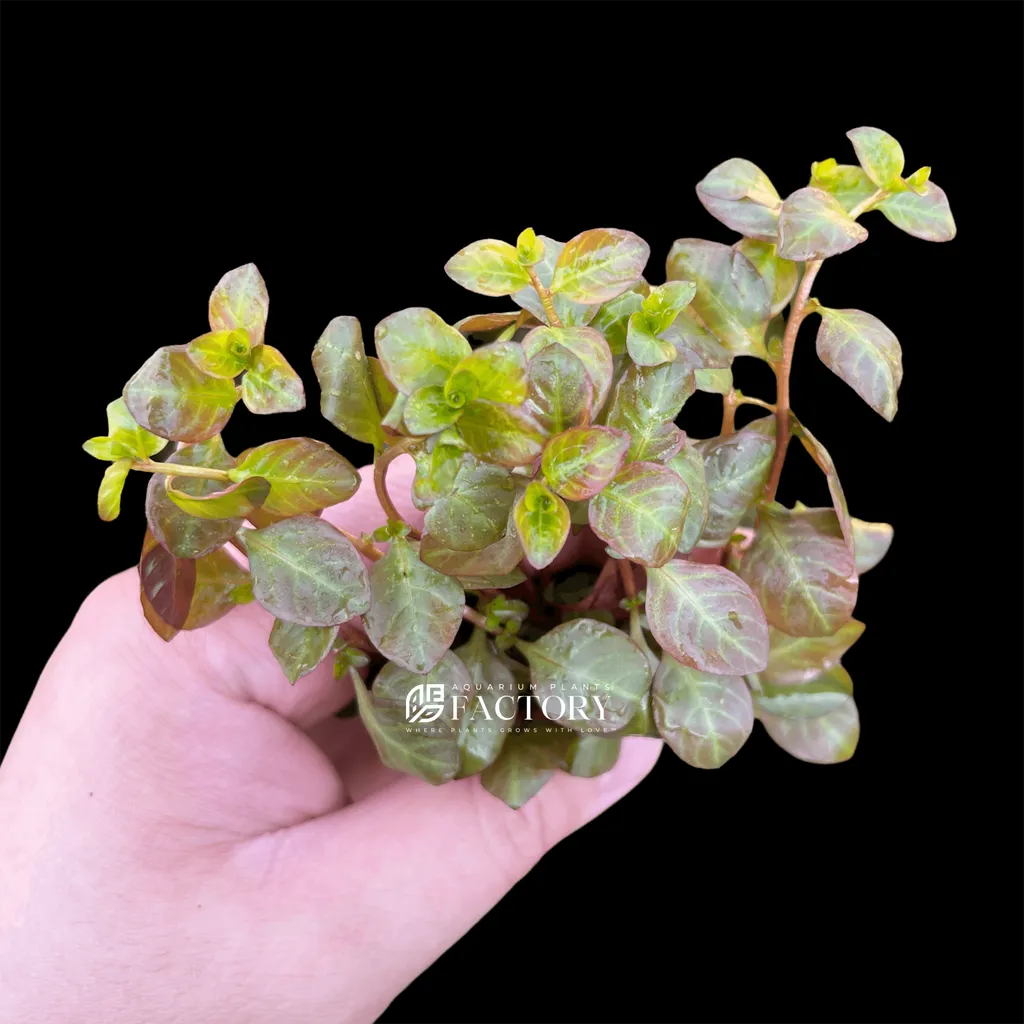 High lightMidground15.7 in (40 cm)
Ludwigia ovalis Pink
Ludwigia ovalis 'Pink'
High light · Midground
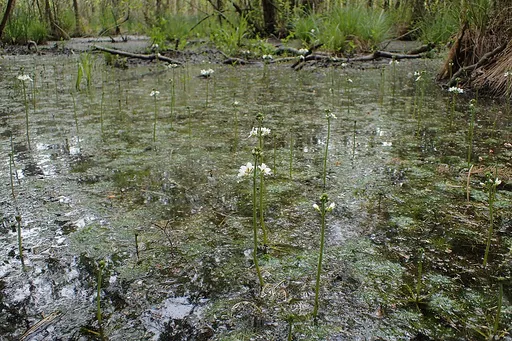 Medium lightMidground15.7 in (40 cm)
Water violet
Hottonia palustris
Medium light · Midground