Guppy grass
Najas guadalupensis
Also known as Najas grass, Common water nymph, Najas, Southern naiad
FreshwaterBrackishStemCuttingsSide shoots
Invasive. Native to the Americas but a vigorous spreader that is invasive in some regions and can quickly fill a tank. Never release into the wild; dispose of in the trash.
Care at a glance
- Light
- Low light
- CO2
- No CO₂ needed
- Temperature
- 64–86°F
- 18–30°C
- Max height
- 35.4 in
- 90 cm
- Growth rate
- Fast
- Placement
- Floating
- Type
- Stem
- pH
- 6.0–8.0
- Hardness
- 2–20 dGH
- Spread
- 11.8 in (30 cm)
- Nutrient uptake
- Water column
- Growth region
- Submersed
- Difficulty
- Beginner
- Family
- Hydrocharitaceae
- Origin
- North, Central and South America
Overview
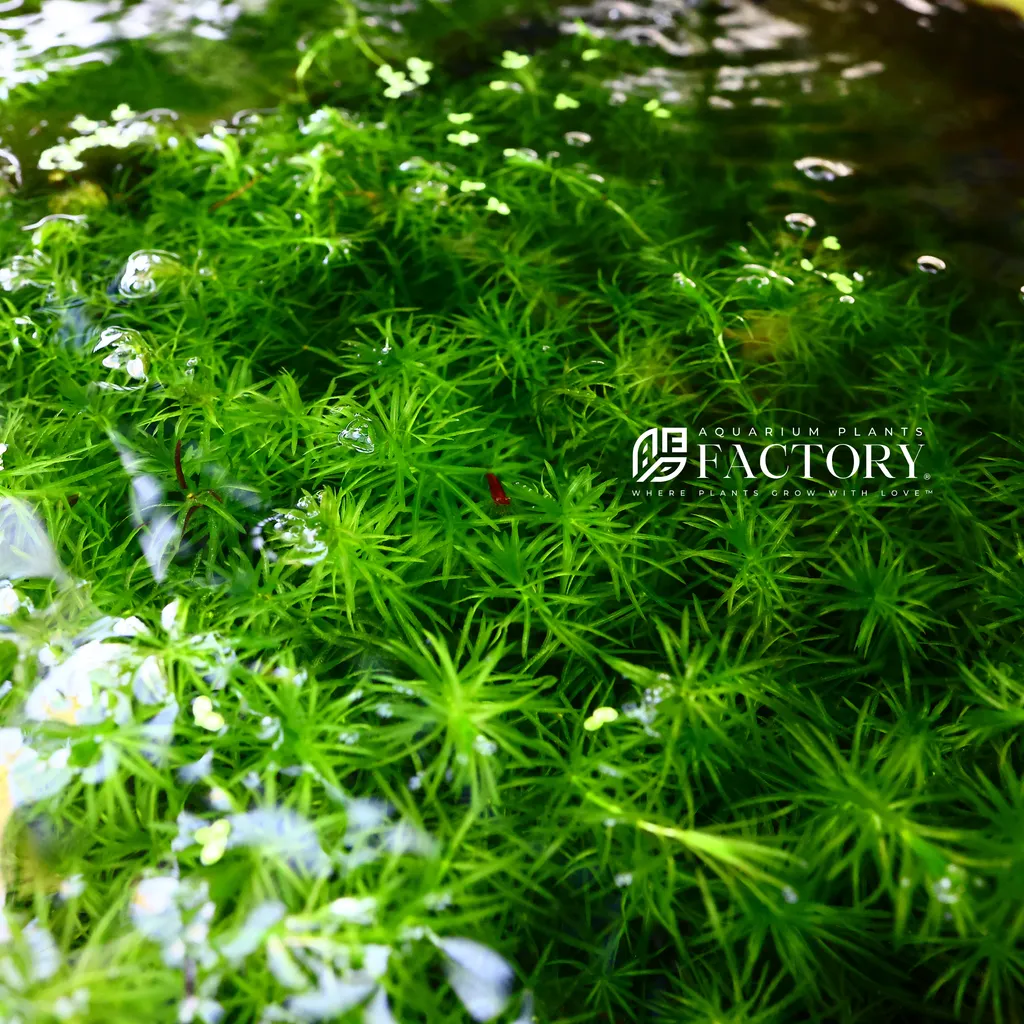
One of the easiest plants in the hobby and a favorite for fish and shrimp fry, which hide in its dense thickets. Use it floating in the water column for a quick green cloud, or weight it down to anchor in the substrate. It grows under low light with no CO2 and pulls nitrate and ammonia straight from the water, so it doubles as a fast nitrate sponge. The catch is speed: it can grow several feet long, so plan on pruning or pulling 30 to 50 percent of the mass weekly. It is an aggressive spreader and a regulated noxious species in some regions, so dispose of trimmings in the trash, never in waterways.
In the wild
A fast-growing, mostly annual submerged plant found in streams, ditches, lakes, and ponds across the New World, from the United States through Mexico, Central America, the Caribbean, and into South America. It forms loose, brittle, branching tangles of fine toothed leaves and is happy either rooted in substrate or, more commonly, drifting freely through the water column. It tolerates a huge range of temperatures from cool ponds to tropical tanks.
Good to know
Najas guadalupensis sits in the family Hydrocharitaceae and is a true submerged angiosperm, not a floating or surface plant. The genus name Najas comes from the water nymphs (naiads) of Greek mythology, which is where the common name water nymph comes from. The stems are notably fragile and snap easily, and every fragment can root and grow into a new plant.
Did you know
Did you know guppy grass is one of the fastest growers you can buy, and it is so efficient at stripping nutrients that breeders drop a handful into fry tanks both as a living filter and as instant cover for newborn livebearers?
Related plants
- Medium lightFloating23.6 in (60 cm)
Najas indica
Medium light · Floating
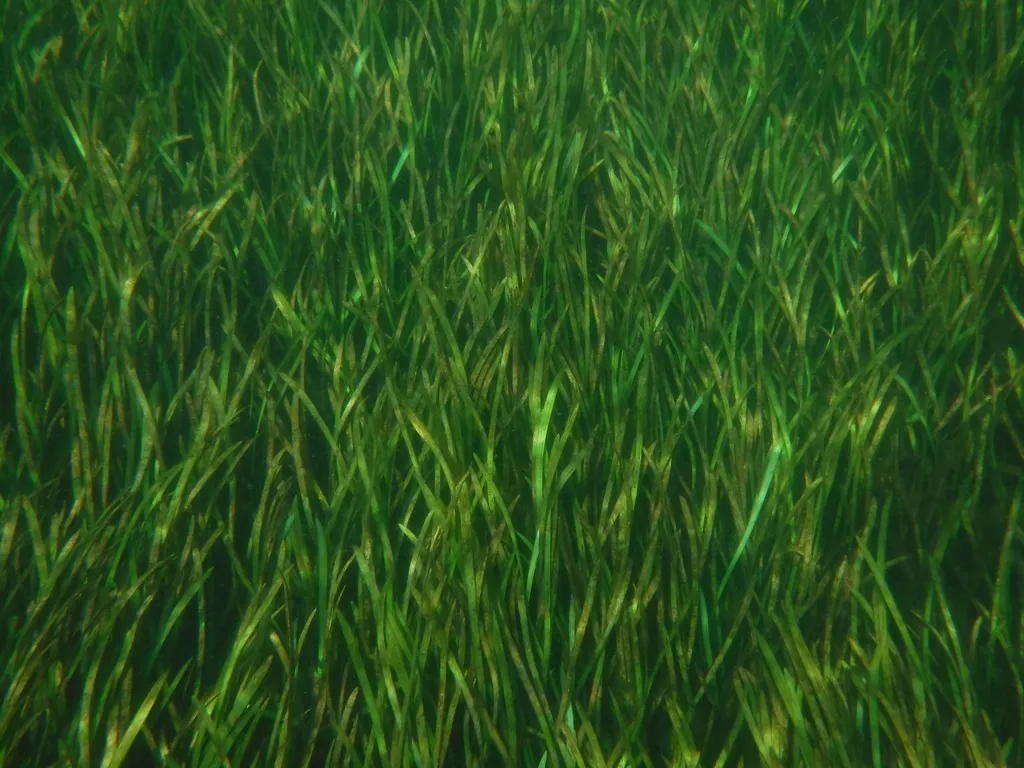 Low lightBackground39.4 in (100 cm)
Jungle val
Vallisneria americana
Low light · Background
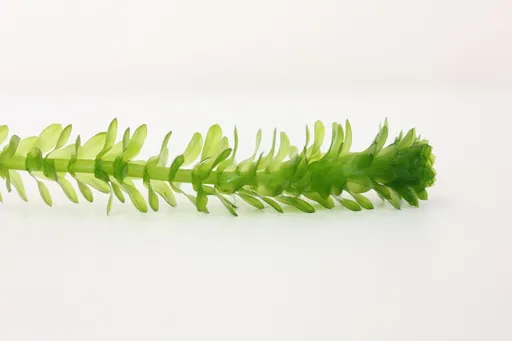 Medium lightBackground39.4 in (100 cm)
Waterweed
Egeria densa
Medium light · Background
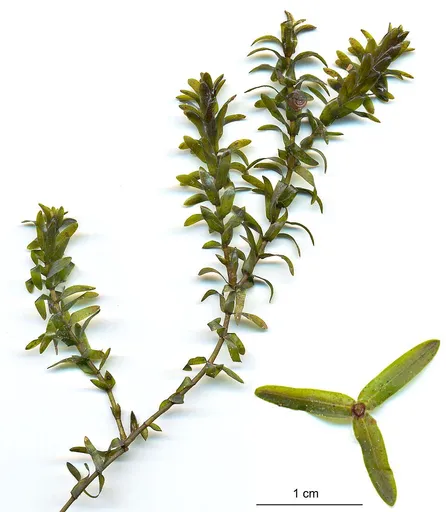 Low lightBackground23.6 in (60 cm)
Canadian waterweed
Elodea canadensis
Low light · Background
- Medium lightBackground23.6 in (60 cm)
Corkscrew val
Vallisneria natans
Medium light · Background
- Medium lightBackground23.6 in (60 cm)
Vallisneria nana Tiger
Vallisneria nana 'Tiger'
Medium light · Background