Ludwigia sphaerocarpa
Also known as Roundfruit primrose willow, Globe-fruited ludwigia, Roundpod water-primrose
FreshwaterStemCuttingsSide shoots
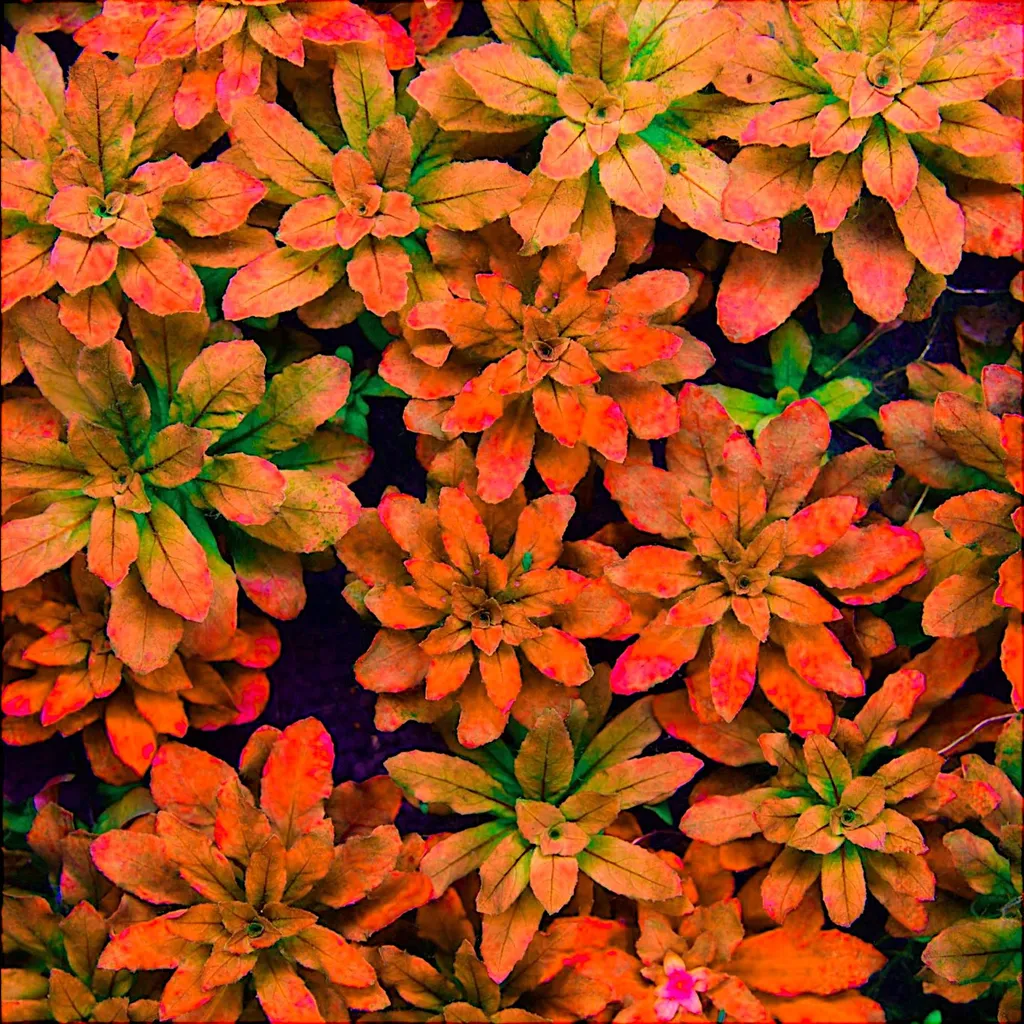
Care at a glance
- Light
- High light
- CO2
- CO₂ beneficial
- Temperature
- 68–82°F
- 20–28°C
- Max height
- 11.8 in
- 30 cm
- Growth rate
- Slow
- Placement
- Midground
- Type
- Stem
- pH
- 6.0–7.5
- Hardness
- 2–12 dGH
- Spread
- 3.9 in (10 cm)
- Nutrient uptake
- Root + water column
- Growth region
- Submersed or emersed
- Difficulty
- Difficult
- Family
- Onagraceae
- Origin
- Native to wet coastal marshes and pond margins of the eastern United States, from Massachusetts to Texas.
Overview
This is a demanding plant that needs strong light to color up and stay compact, going dull green and leggy in shade. CO2, a rich substrate, and regular dosing bring out its orange, brown, and red tones. Plant it in the midground, trim to encourage low crowns, and replant the cuttings to build a group.
In the wild
Ludwigia sphaerocarpa grows as a very compact, almost rosette-like stem plant, with narrow leaves that turn orange, brown, and red under strong light. It is native to wet coastal marshes of the eastern United States. Underwater the shoots stay short and dense, forming low crowns rather than long stems.
Good to know
Ludwigia sphaerocarpa is a member of the evening primrose family, Onagraceae, like all Ludwigia species. The species name sphaerocarpa refers to its rounded seed capsules. It was long known to botanists before hobbyists recognized its value as an aquarium plant.
Did you know
It grew unnoticed in American wetlands for generations before hobbyists discovered that its compact underwater crowns make an unusual aquarium plant.
Related plants
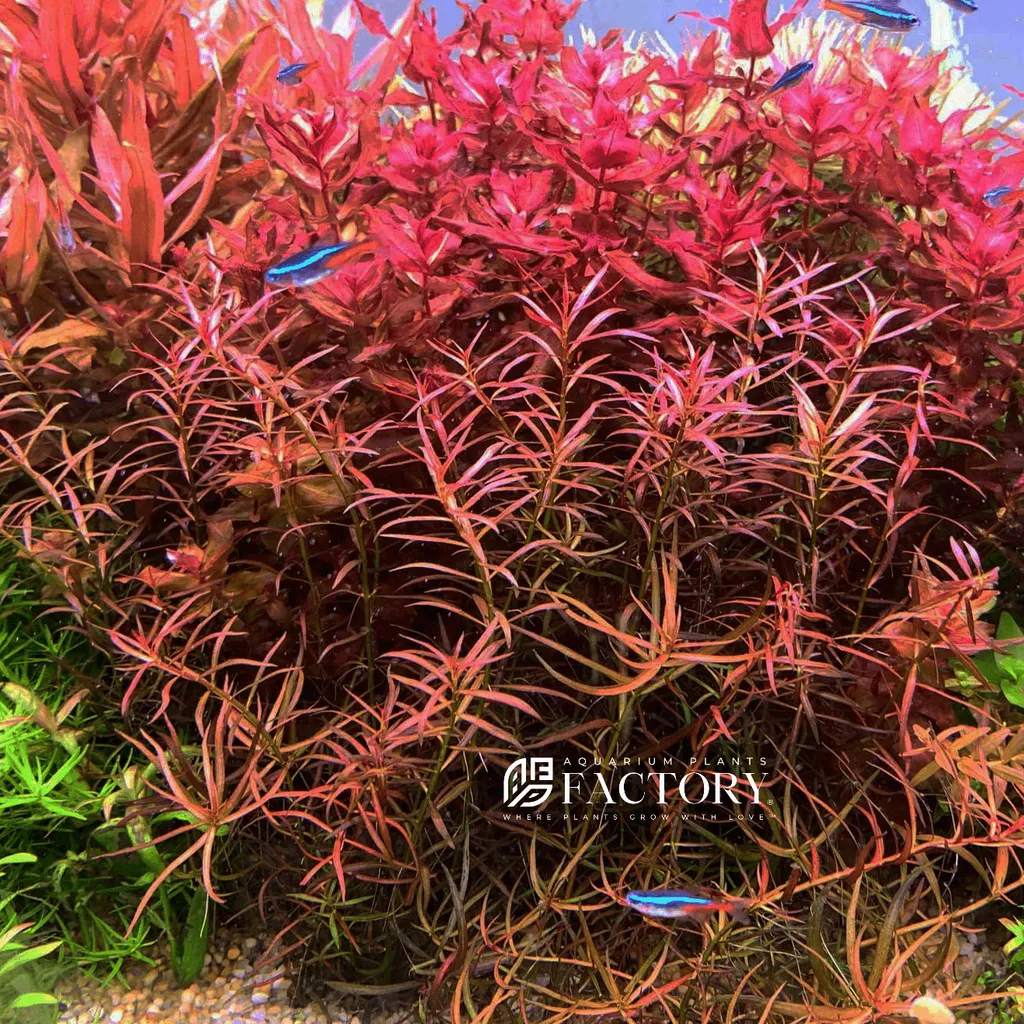 High lightMidground11.8 in (30 cm)
Ludwigia brevipes
High light · Midground
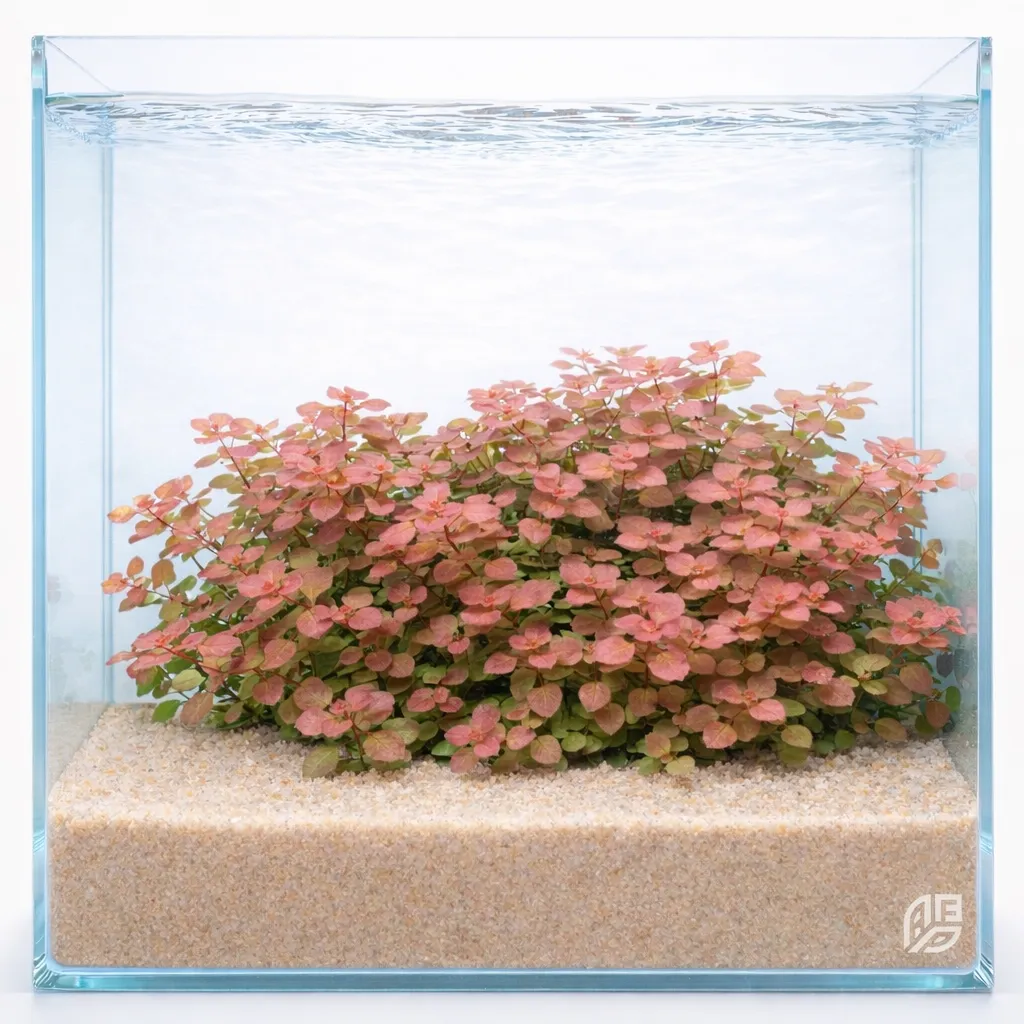 Medium lightMidground11.8 in (30 cm)
Ludwigia ovalis
Medium light · Midground
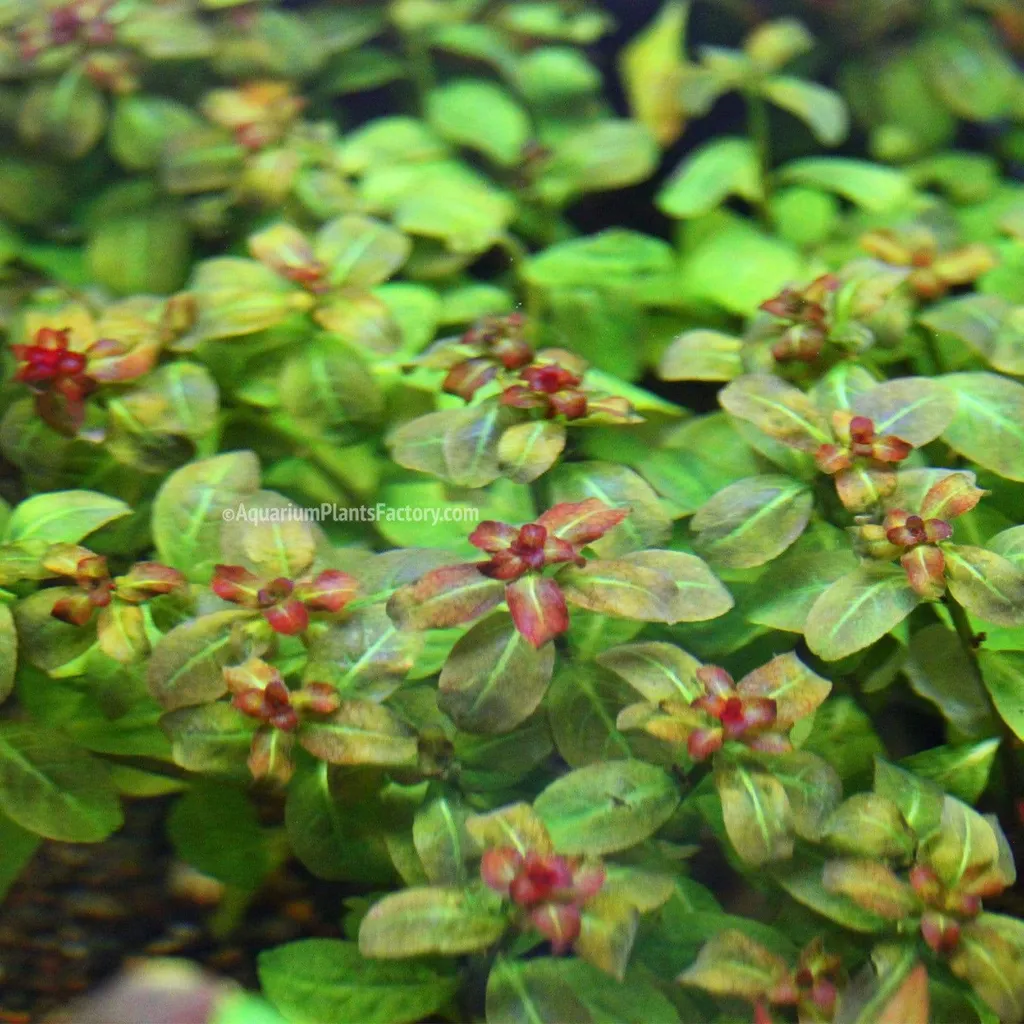 High lightMidground11.8 in (30 cm)
Ludwigia senegalensis
High light · Midground
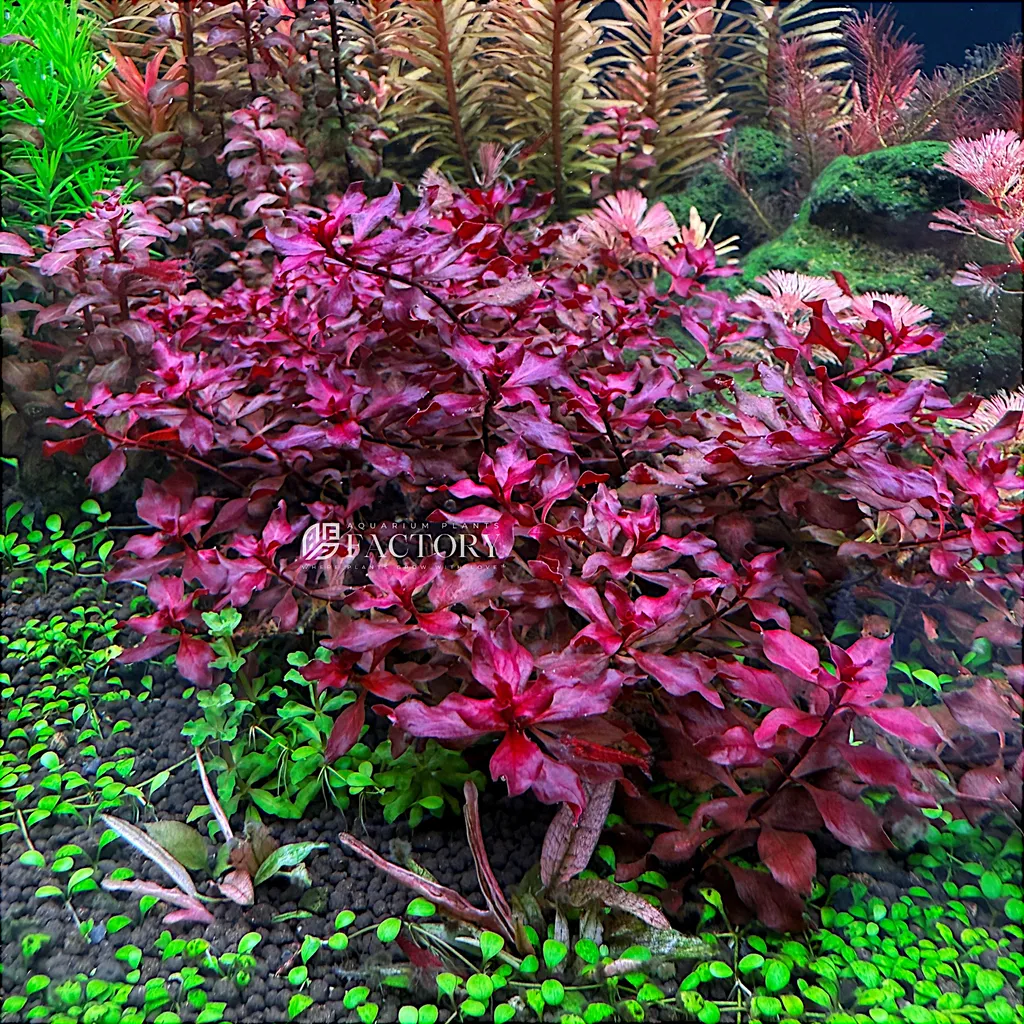 High lightMidground11.8 in (30 cm)
Ludwigia super red
Ludwigia palustris 'Super Red'
High light · Midground
- High lightMidground15.7 in (40 cm)
Ludwigia ovalis Pink
Ludwigia ovalis 'Pink'
High light · Midground
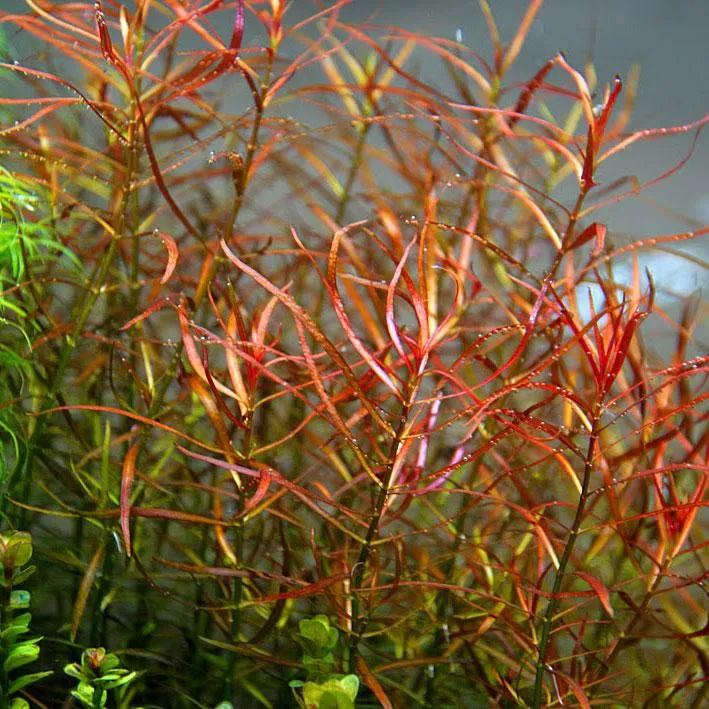 High lightMidground19.7 in (50 cm)
Ludwigia arcuata
High light · Midground