Hyptis lorentziana
Also known as Hemigraphis traian, Hemigraphis sp. Manaus
FreshwaterStemCuttingsSide shoots
Care at a glance
- Light
- High light
- CO2
- CO₂ required
- Temperature
- 64–86°F
- 18–30°C
- Max height
- 11.8 in
- 30 cm
- Growth rate
- Fast
- Placement
- Midground
- Type
- Stem
- Hardness
- 0–30 dGH
- Spread
- 4.7 in (12 cm)
- Nutrient uptake
- Root + water column
- Growth region
- Submersed or emersed
- Difficulty
- Medium
- Family
- Lamiaceae
- Origin
- South America, Venezuela to Argentina; aquarium stock from the Manaus area of Brazil
Overview
Hyptis lorentziana is a dark violet-red accent stem for midground groups and Dutch-style streets. It rates medium in difficulty.
Did you know
Hyptis lorentziana sold for years under the made-up name Hemigraphis traian. True Hemigraphis are not lasting aquatics. Its 2009 identification as a Hyptis explained why this supposed Hemigraphis kept growing underwater.
Caring for Hyptis lorentziana
Strip the lower leaves and plant the stems in groups, a little apart. Hyptis lorentziana takes 64 to 86°F (18 to 30°C).
Its color and pace depend on high light, injected CO2 in the 20 to 40 mg/l range, and complete macro and micro fertilizer. Keep nitrate at 10 mg/l or above rather than starving it. It feeds through roots and leaves, so root tabs help as well.
Under weak light it turns plain and leggy. Growth is quick once it settles, though slower underwater than its mint family reputation suggests. Take cuttings 8 to 10 cm above a leaf pair with sharp scissors and replant them. Side shoots then break from the leaf axils below the cut.
Good to know
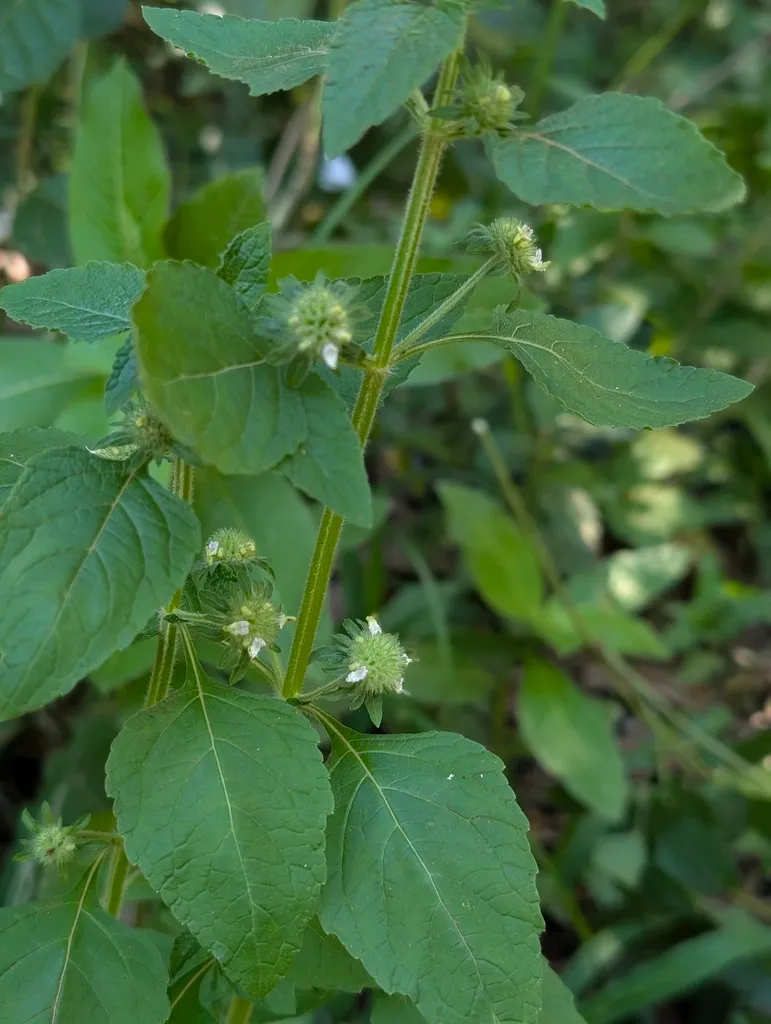
Hyptis lorentziana is one of very few aquarium plants from Lamiaceae, the mint family. Another invented trade label was Hemigraphis sp. from Manaus. The paired, stalked leaves have a strongly bullate, puckered surface, and the newest leaves flush purplish red under strong light. The epithet honors the 19th-century botanist Paul Günther Lorentz, who collected extensively in Argentina.
In the wild
Hyptis lorentziana is widely distributed in South America, from Venezuela down to Uruguay and Argentina. It grows along pond edges and in regularly flooded wet ground rather than permanently underwater. Emersed plants can reach around two meters in these seasonally flooded habitats. The stock in the hobby traces back to collections from the Manaus area in Brazil and stays far more compact underwater.
Common questions
Does Hyptis lorentziana need to be planted in the substrate?
Yes. Strip the leaves from the lower part of each stem, then push the stems into the substrate one at a time, a little apart.
Does Hyptis lorentziana need CO2?
Yes. Hyptis lorentziana needs injected CO2 to grow well, and it usually struggles without it.
How much light does Hyptis lorentziana need?
Hyptis lorentziana needs high light from a strong planted-tank LED. In weaker light its stems stretch and drop their lower leaves.
Does Hyptis lorentziana need root tabs?
They help. Hyptis lorentziana takes nutrients through both its roots and its leaves. Root tabs near its roots and a liquid fertilizer cover both.
How do you propagate Hyptis lorentziana?
Hyptis lorentziana propagates by cuttings and side shoots. Cut off the top of a stem and replant it, and the stump left behind grows new shoots. Cut a side shoot off once it has a few leaves and plant it on its own.
How tall does Hyptis lorentziana grow?
Hyptis lorentziana grows to about 11.8 in (30 cm) tall. It grows fast, so expect to trim it often.
Related plants
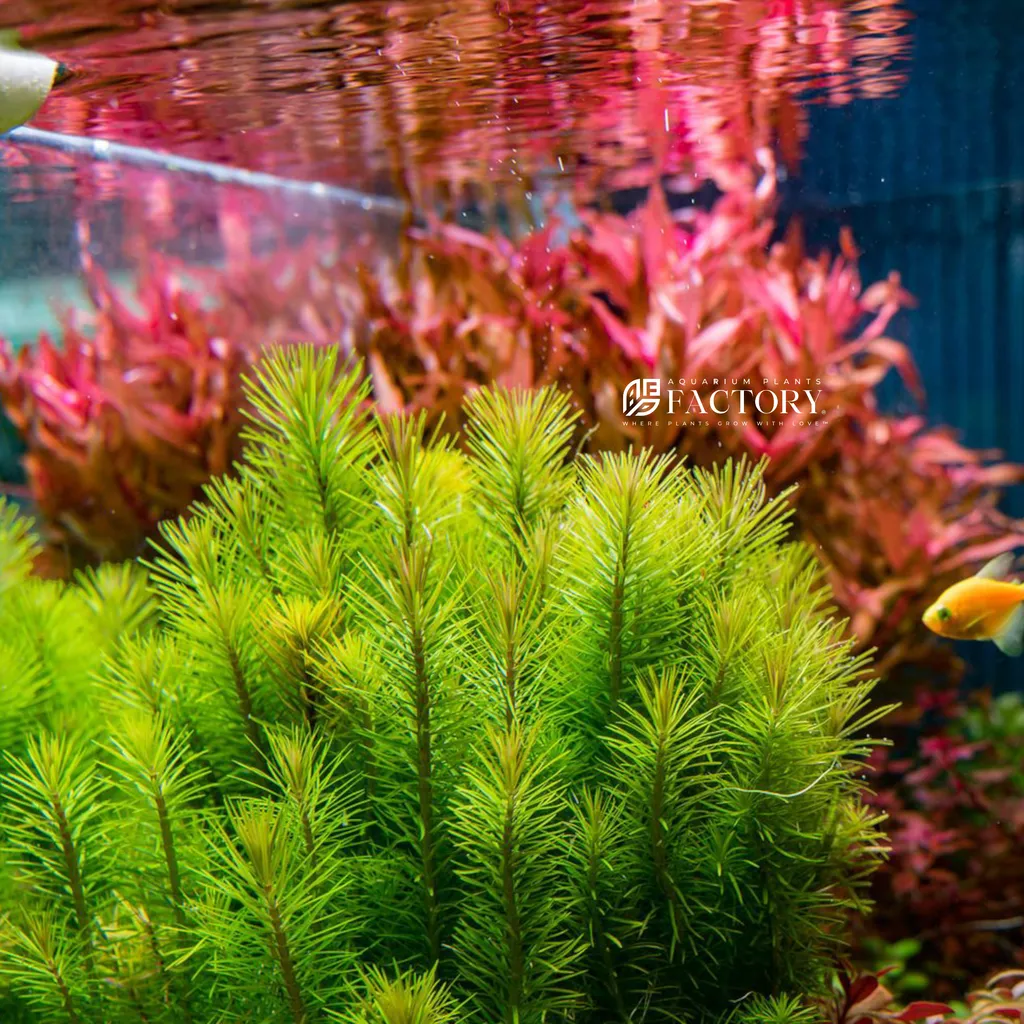 High lightMidground9.8 in (25 cm)
Pogostemon erectus
Pogostemon deccanensis
High light · Midground
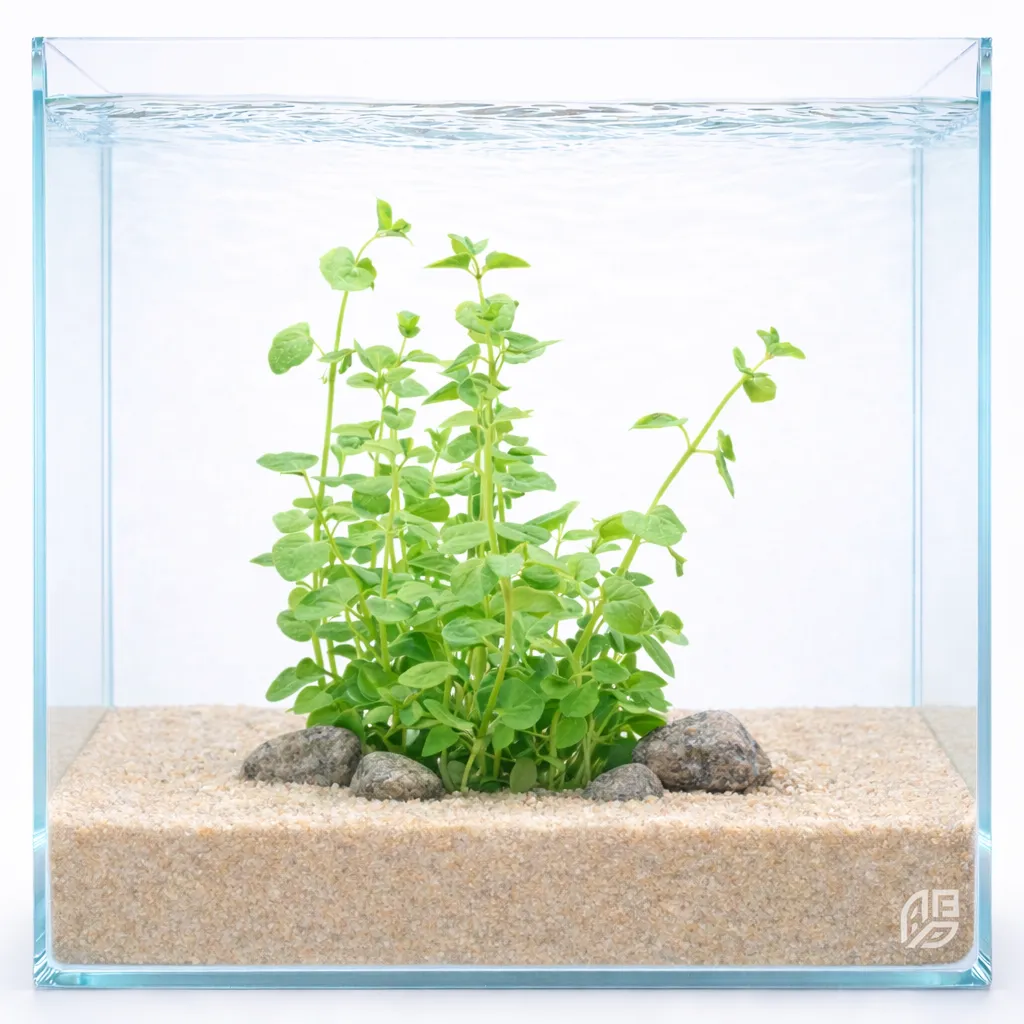 Medium lightMidground15.7 in (40 cm)
Creeping Charlie
Clinopodium brownei
Medium light · Midground
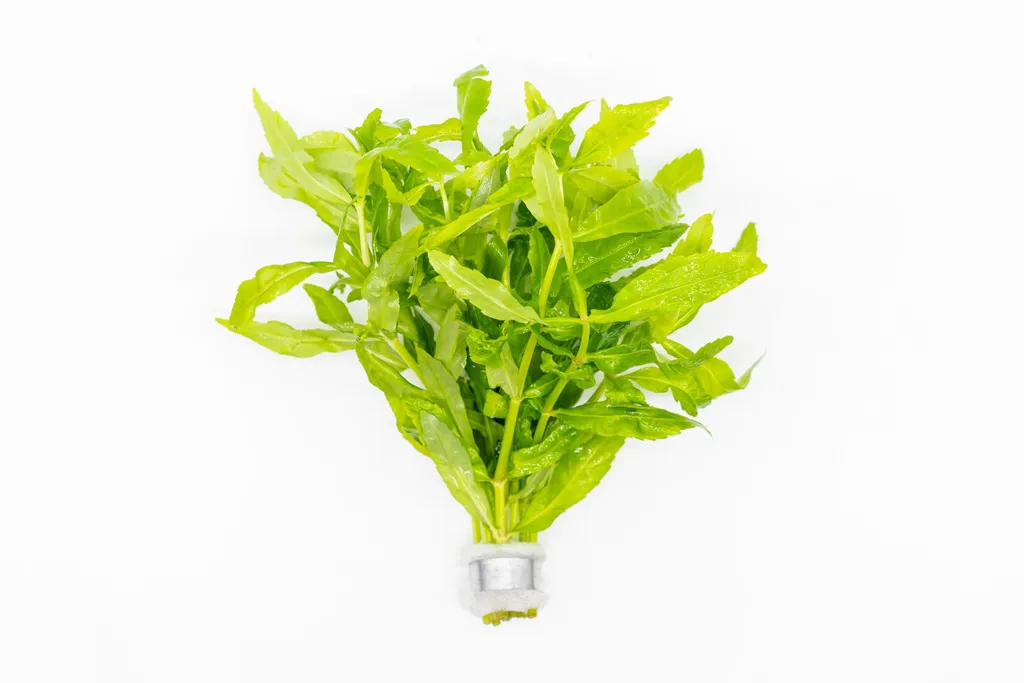 Medium lightMidground9.8 in (25 cm)
Pogostemon sampsonii
Medium light · Midground
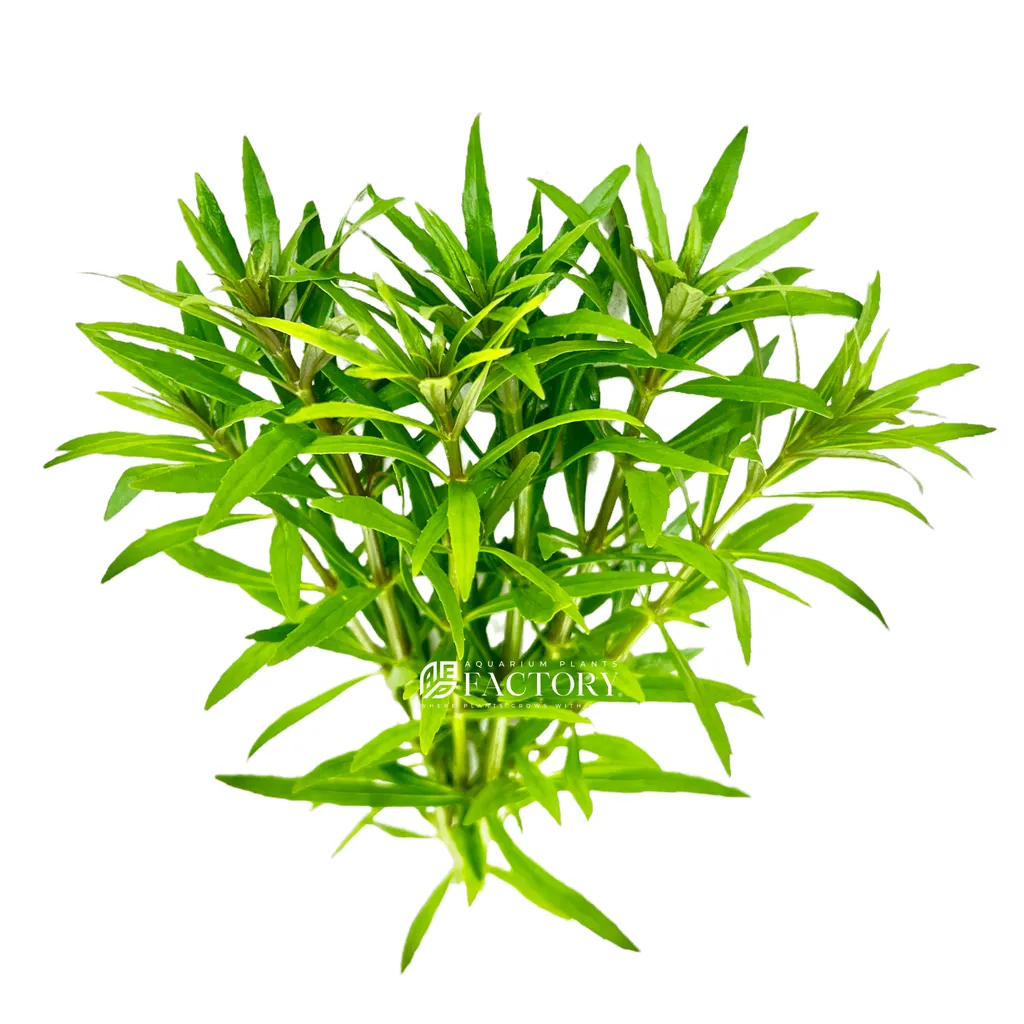 Medium lightBackground15.7 in (40 cm)
Pogostemon quadrifolius
Medium light · Background
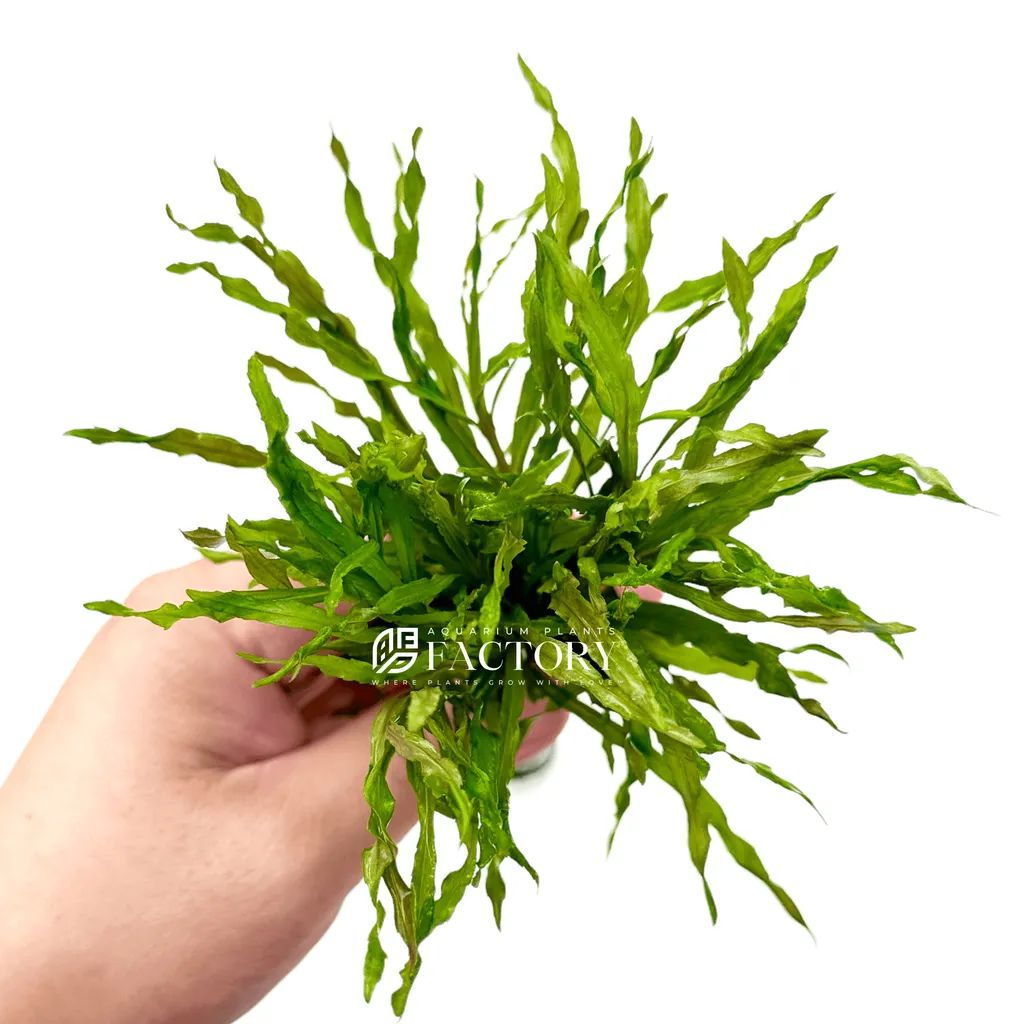 High lightBackground17.7 in (45 cm)
Pogostemon Dassen
Pogostemon stellatus 'Dassen'
High light · Background
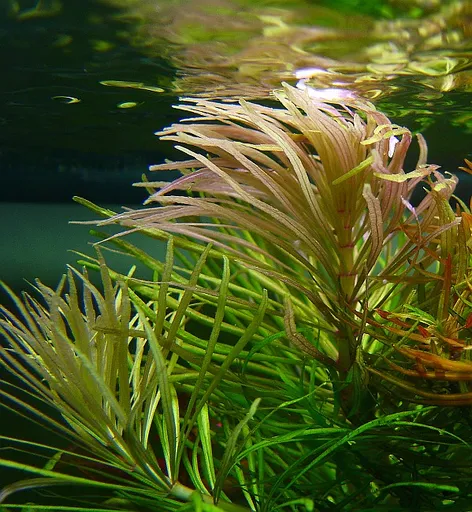 High lightBackground23.6 in (60 cm)
Pogostemon stellatus
High light · Background