Limnophila rugosa
Also known as Herpestis rugosa, Basil-leaf limnophila
FreshwaterStemCuttingsSide shoots
Care at a glance
- Light
- Medium light
- CO2
- CO₂ beneficial
- Temperature
- 59–86°F
- 15–30°C
- Max height
- 23.6 in
- 60 cm
- Growth rate
- Slow
- Placement
- Midground
- Type
- Stem
- pH
- 4.0–7.5
- Hardness
- 0–30 dGH
- Spread
- 5.9 in (15 cm)
- Nutrient uptake
- Root + water column
- Growth region
- Submersed or emersed
- Difficulty
- Medium
- Family
- Plantaginaceae
- Origin
- South and Southeast Asia to East Asia and Oceania
Overview
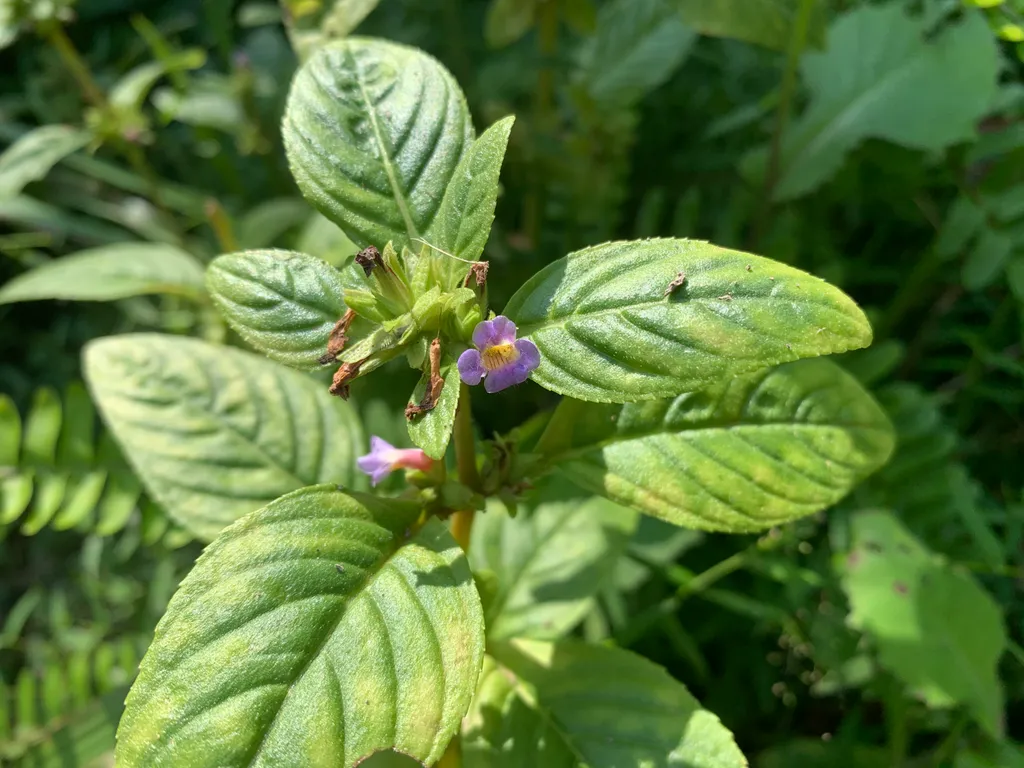
Limnophila rugosa is a slow, bushy stem plant for the midground, with broad, glossy leaves. It rates medium in difficulty.
Did you know
In parts of Asia, Limnophila rugosa is a kitchen herb rather than an aquarium plant. Its wrinkled leaves carry an aroma reminiscent of anise and are used as a spice.
Caring for Limnophila rugosa
Strip the lower leaves of Limnophila rugosa and push the stems into the substrate a little apart. Medium light suits it.
CO2 is not mandatory, but it clearly helps a plant this slow keep clean leaves. It feeds through its roots and from the water, so keep the water column fertilized and add root tabs. It handles 59 to 86°F (15 to 30°C).
Its slowness is also the main failure mode. Under aggressive light, older leaves collect algae before new ones replace them, so keep the light moderate. It branches willingly and the side shoots detach easily, so trimming for shape doubles as propagation.
Good to know
Limnophila rugosa is a member of Plantaginaceae, with the old synonym Herpestis rugosa. The epithet rugosa means wrinkled and describes the textured surface of its broad leaves. Those basil-like leaves make it an oddball in Limnophila, a genus known almost entirely for feathery, finely divided foliage.
In the wild
Limnophila rugosa grows along waters and in wet, partly shaded places across tropical Asia and into Oceania, from stream banks to paddies. It spends much of its life emersed on saturated ground and adapts to submersed growth in shallow water. Plants in open sun stay compact, while shaded ones stretch.
Common questions
Does Limnophila rugosa need to be planted in the substrate?
Yes. Strip the leaves from the lower part of each stem, then push the stems into the substrate one at a time, a little apart.
Does Limnophila rugosa need CO2?
No, but it helps. Limnophila rugosa can grow without injected CO2, and added CO2 makes it grow faster.
How much light does Limnophila rugosa need?
Limnophila rugosa wants medium light. A light sold for planted tanks covers it.
Does Limnophila rugosa need root tabs?
They help. Limnophila rugosa takes nutrients through both its roots and its leaves. Root tabs near its roots and a liquid fertilizer cover both.
How do you propagate Limnophila rugosa?
Limnophila rugosa propagates by cuttings and side shoots. Cut off the top of a stem and replant it, and the stump left behind grows new shoots. Cut a side shoot off once it has a few leaves and plant it on its own.
How tall does Limnophila rugosa grow?
Limnophila rugosa grows to about 23.6 in (60 cm) tall. It grows slowly and rarely needs trimming.
Related plants
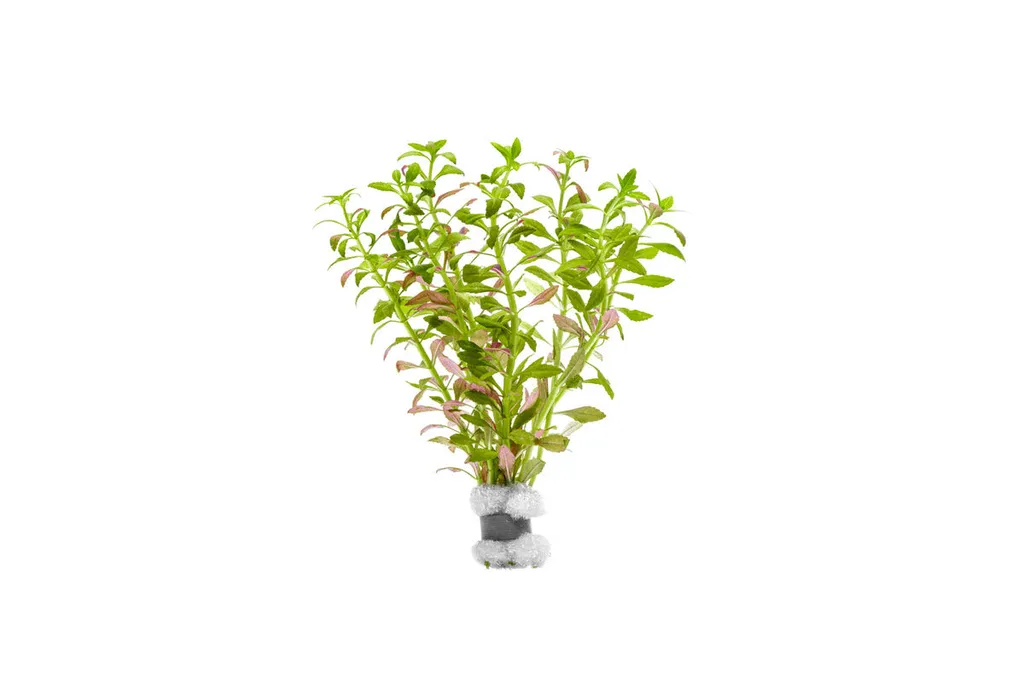 High lightMidground11.8 in (30 cm)
Limnophila aromatica Mini
Limnophila aromatica 'Mini'
High light · Midground
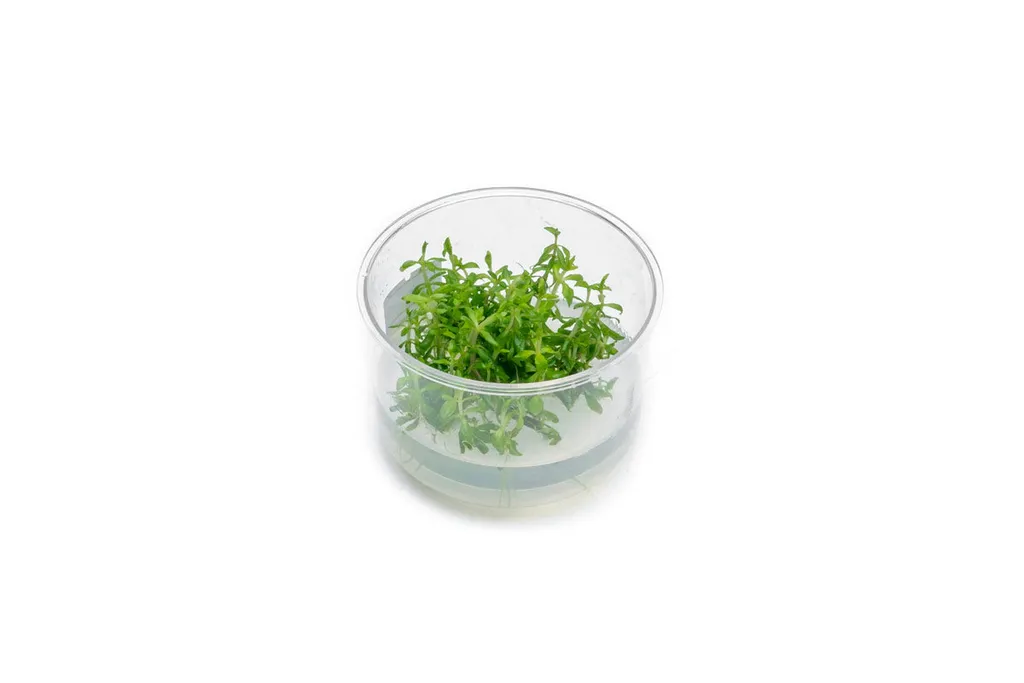 High lightMidground9.8 in (25 cm)
Limnophila Vietnam
Limnophila sp. 'Vietnam'
High light · Midground
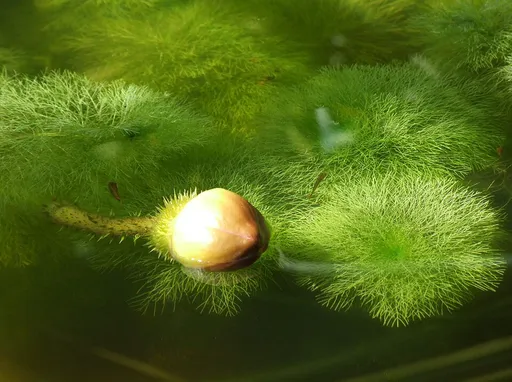 High lightBackground19.7 in (50 cm)
Giant ambulia
Limnophila aquatica
High light · Background
 Medium lightBackground19.7 in (50 cm)
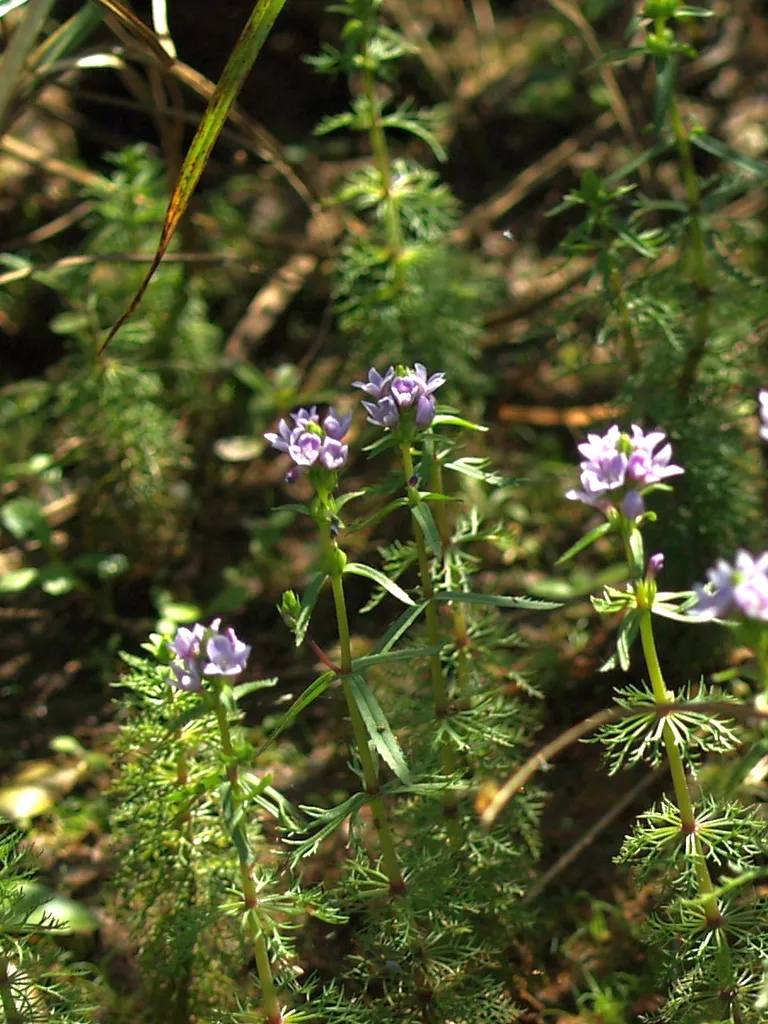
Limnophila heterophylla
Medium light · Background
 High lightBackground19.7 in (50 cm)
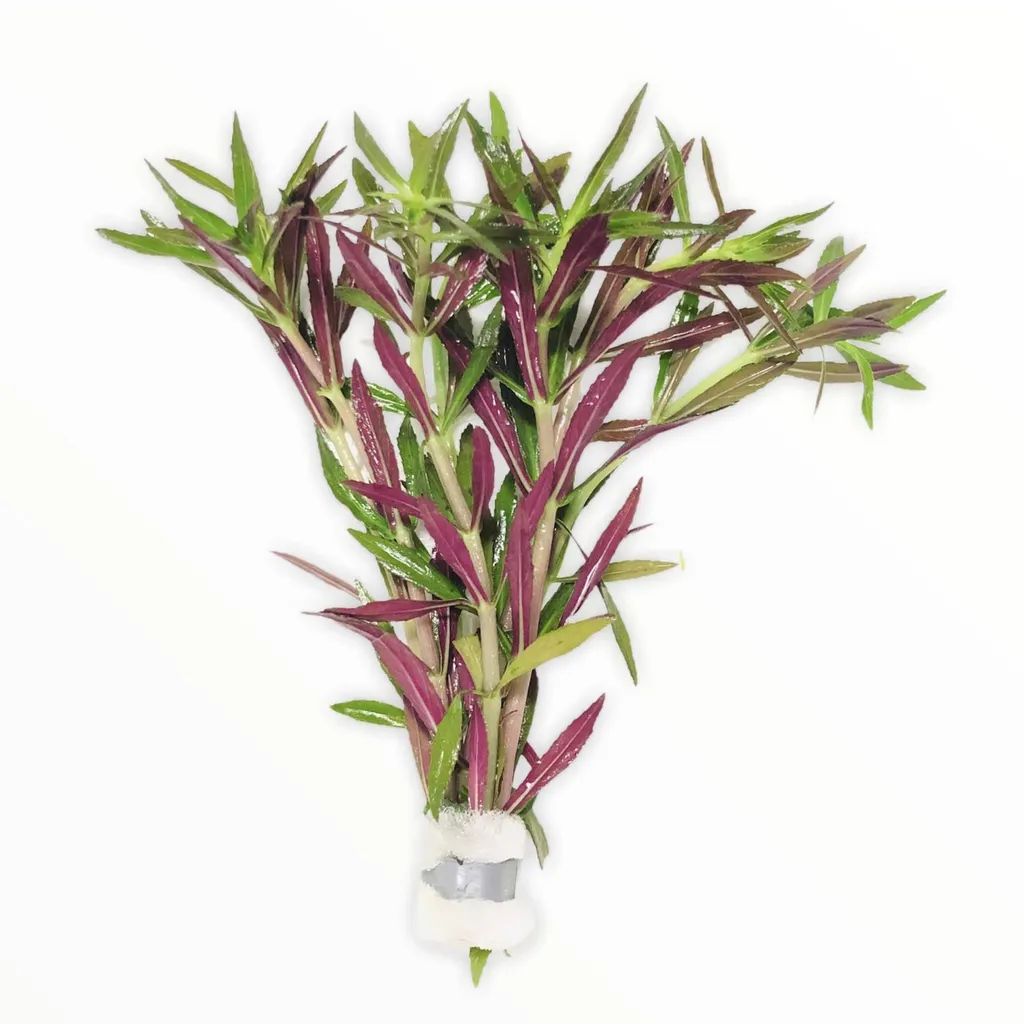
Limnophila hippuridoides
High light · Background
 Low lightBackground15.7 in (40 cm)
Ambulia
Limnophila sessiliflora
Low light · Background