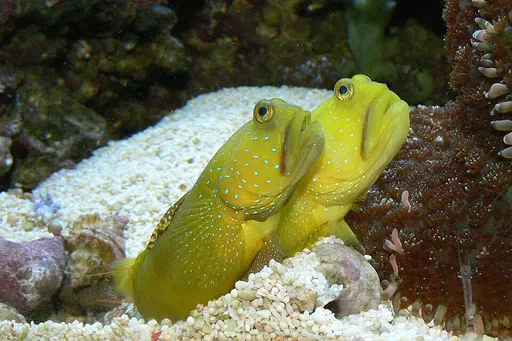
Yellow watchman goby
Cryptocentrus cinctus
Also known as Yellow Prawn Goby, Yellow Shrimp Goby, Banded Prawn Goby
SaltwaterFish
Care at a glance
- Temperature
- 72–81°F
- 22–27°C
- pH
- 8.1–8.4
- Adult size
- 3.5 in
- 9 cm
- Minimum tank
- 20 gal
- 75 L
- Temperament
- Mostly peaceful
- Social behavior
- Solitary
- Own kind
- One male per tank
- Swim level
- Bottom
- Difficulty
- Beginner
- Breeding
- Hard
- Rarity
- Common
- Reef safe
- Reef safe
- Family
- Gobiidae
- Origin
- Indo-Pacific (Red Sea and East Africa to the western Pacific)
Overview
This goby is reef safe and will not harm corals or clams, and it actually helps keep the sand bed turned over as it digs. It is peaceful toward unrelated tankmates but territorial with other shrimp gobies and its own kind, so keep just one unless you have a large tank and a bonded pair. It is a hardy, beginner friendly fish, though it is a determined jumper, so a tight fitting lid is important. Feed meaty foods such as mysis and enriched brine along with some prepared marine fare.
In the wild
Yellow watchman gobies live on sandy and rubble-strewn patches next to reefs, where they dig and defend a burrow in the substrate. They need a soft sand bed deep enough to tunnel into and some rock or rubble to shore up the burrow entrance. A tank of around 75 liters or more with a secure lid suits them well, and a shallow, open sand area lets them do what they do best, which is perch at the mouth of their burrow and keep watch.
Good to know
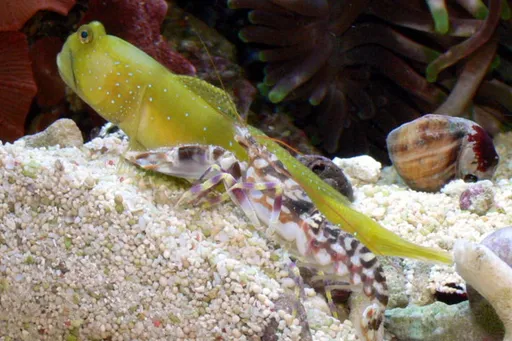
The common name comes from a well known partnership with pistol (snapping) shrimp of the genus Alpheus. The near blind shrimp does the digging and maintains the shared burrow, while the sharp eyed goby stands guard at the entrance and signals danger with a flick of its tail so both can dart inside. Color varies from bright yellow to a grey form with blue speckling, sometimes within the same population.
Did you know
Pair one with a pistol shrimp and you can watch a real working partnership: the shrimp keeps one antenna touching the goby at all times, and when the goby twitches its tail the shrimp instantly knows to retreat into the burrow.
Symbiotic relationships
Shrimp gobies and pistol shrimp
A pistol shrimp can barely see, but it digs and maintains a burrow all day. The goby that shares it has sharp eyes and does no digging. It sits at the entrance as a lookout, and the shrimp keeps one antenna resting on the goby's body whenever it is outside. A flick of the goby's tail sends the shrimp back down the hole, and a harder threat sends them both. At dusk they retire together and the shrimp seals the entrance for the night. The shrimp gets an early warning system, and the goby gets a home it could not build.
This partnership is easy to keep and it rewards watching. Give them a sand bed at least 2 inches (5 cm) deep with some rubble to hold the tunnel, add the two together or the shrimp first, and feed sinking food near the burrow mouth. The snap of the shrimp's claw is a small cavitation bubble collapsing, and you will hear it across the room. Pairs form readily between strangers, but the genera matter: the yellow watchman, pink-spotted, Wheeler's, orange-spot and Randall's gobies take a tiger pistol shrimp, while the yasha, hi-fin red banded and pinkbar gobies pair with Randall's pistol shrimp.
Weekly picks
Tank mates
Yellow watchman goby is a mostly peaceful, solitary species that keeps to the bottom. Keep only one male per tank. These picks share a community profile with it, are safe together in both directions, and overlap on water type, temperature and pH.
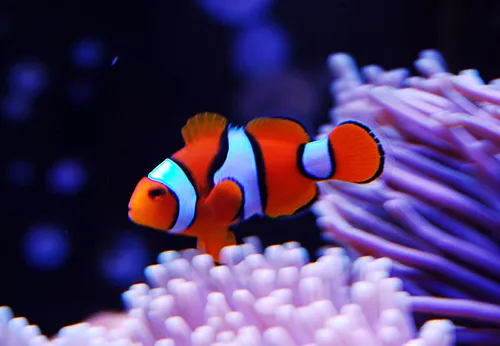
Percula clownfish
Amphiprion percula
Saltwater3.1 in (8 cm) · 20 gal (75 L)75–82°F (24–28°C)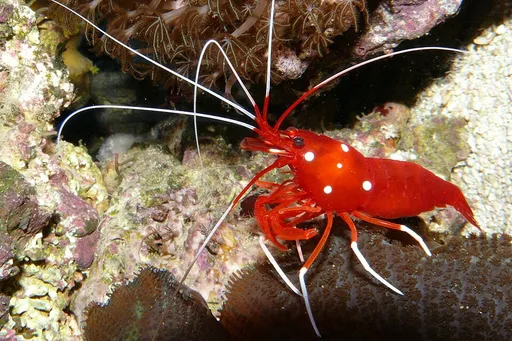
Fire shrimp
Lysmata debelius
Saltwater2.4 in (6 cm) · 20 gal (75 L)72–79°F (22–26°C)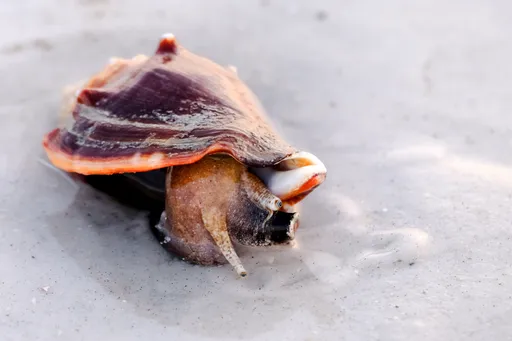
Fighting conch
Strombus alatus
Saltwater3.1 in (8 cm) · 20 gal (75 L)75–81°F (24–27°C)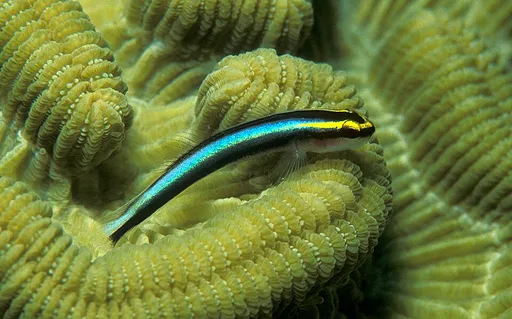
Sharknose goby
Elacatinus evelynae
Saltwater1.6 in (4 cm) · 13 gal (50 L)75–79°F (24–26°C)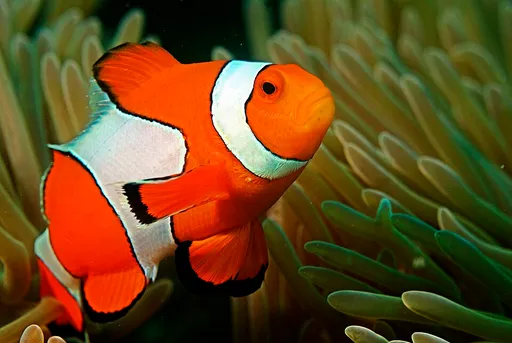
Ocellaris clownfish
Amphiprion ocellaris
Saltwater3.1 in (8 cm) · 20 gal (75 L)75–82°F (24–28°C)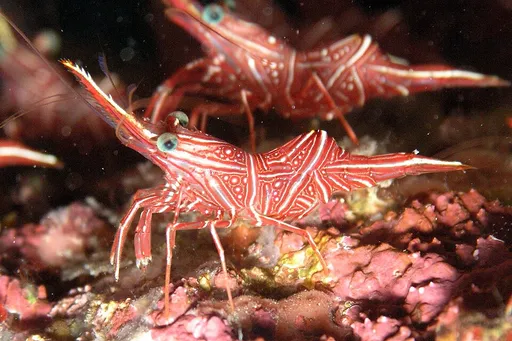
Camel / dancing shrimp
Rhynchocinetes durbanensis
Saltwater2 in (5 cm) · 16 gal (60 L)75–81°F (24–27°C)
Common questions
What size tank does a Yellow watchman goby need?
A Yellow watchman goby needs at least 20 gal (75 L). It spends most of its time in the bottom.
What temperature and pH does a Yellow watchman goby need?
A Yellow watchman goby is comfortable at 72–81°F (22–27°C) with a pH of 8.1–8.4.
How big does a Yellow watchman goby get?
An adult Yellow watchman goby reaches about 3.5 in (9 cm).
Related species
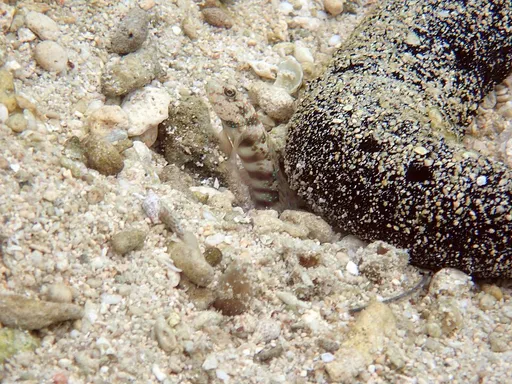 3.9 in (10 cm)30 gal (115 L)73–81°F (23–27°C)
Pink-spotted watchman goby
Cryptocentrus leptocephalus
3.9 in (10 cm) · 30 gal (115 L)
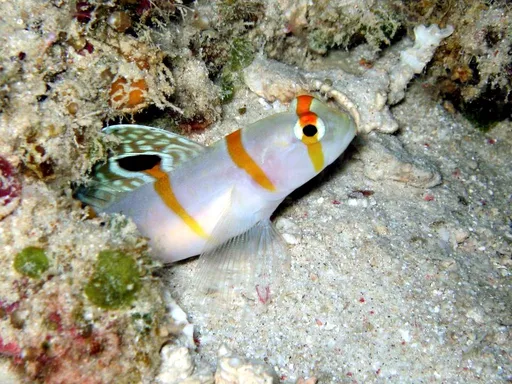 4.7 in (12 cm)30 gal (114 L)72–79°F (22–26°C)
Randall's prawn goby
Amblyeleotris randalli
4.7 in (12 cm) · 30 gal (114 L)
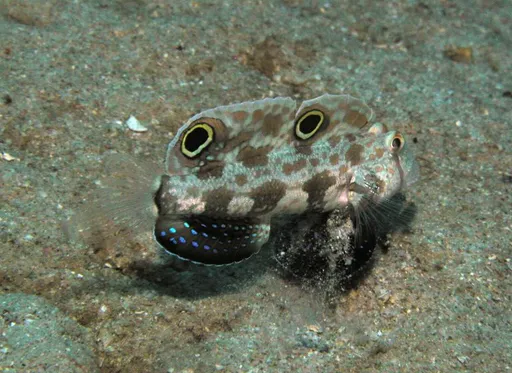 3.9 in (10 cm)30 gal (115 L)73–81°F (23–27°C)
Twinspot goby
Signigobius biocellatus
3.9 in (10 cm) · 30 gal (115 L)
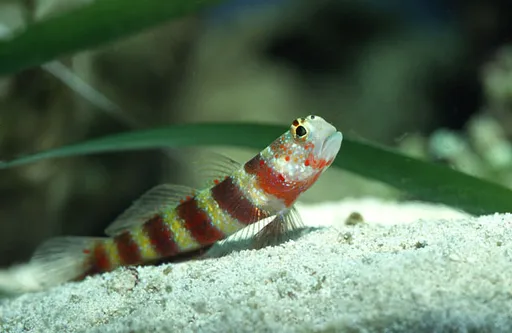 3.9 in (10 cm)30 gal (114 L)72–79°F (22–26°C)
Wheeler's prawn goby
Amblyeleotris wheeleri
3.9 in (10 cm) · 30 gal (114 L)
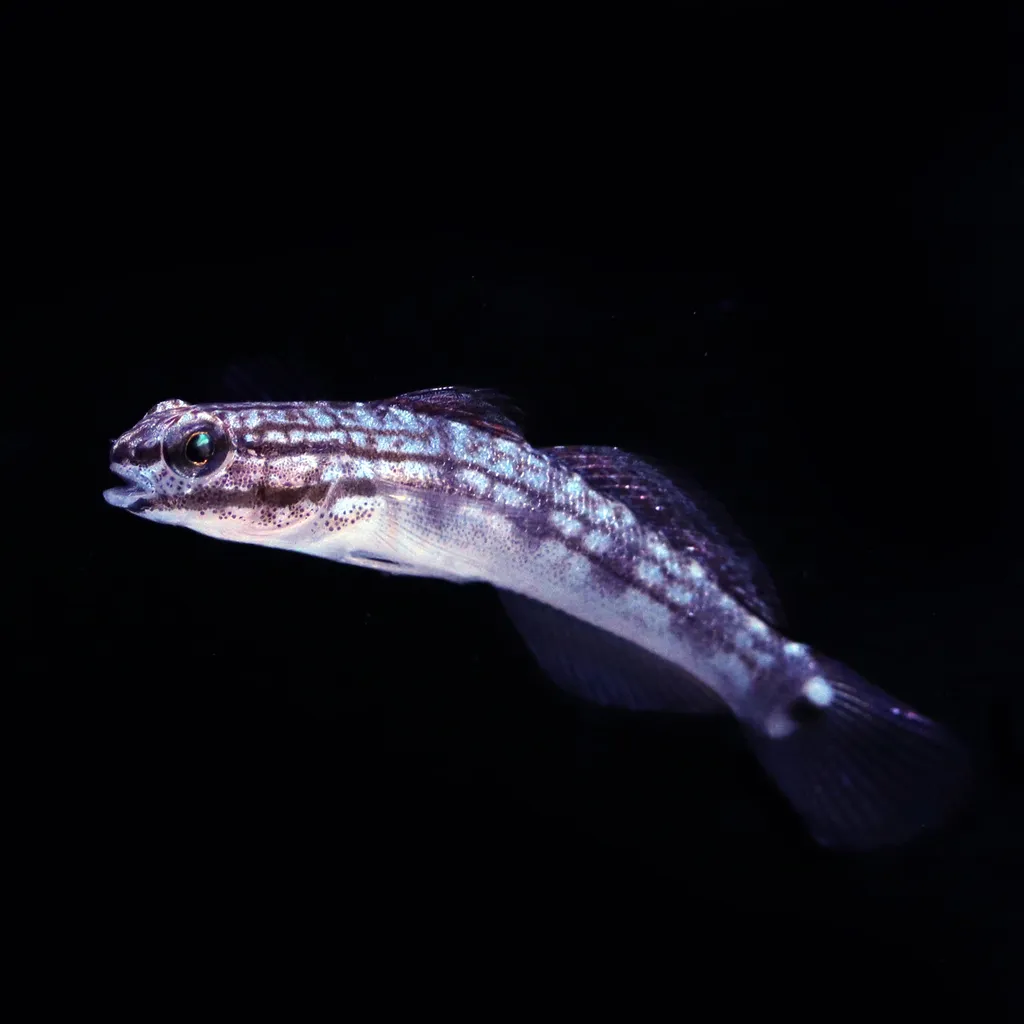 3.1 in (8 cm)20 gal (75 L)73–81°F (23–27°C)
Buan's sleeper goby
Amblygobius buanensis
3.1 in (8 cm) · 20 gal (75 L)
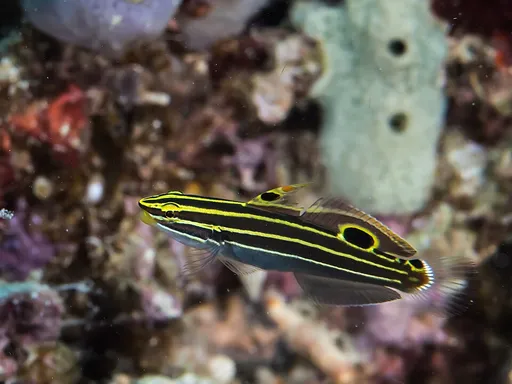 3.1 in (8 cm)20 gal (75 L)73–81°F (23–27°C)
Hector's goby
Koumansetta hectori
3.1 in (8 cm) · 20 gal (75 L)