Tiger / strawberry conch
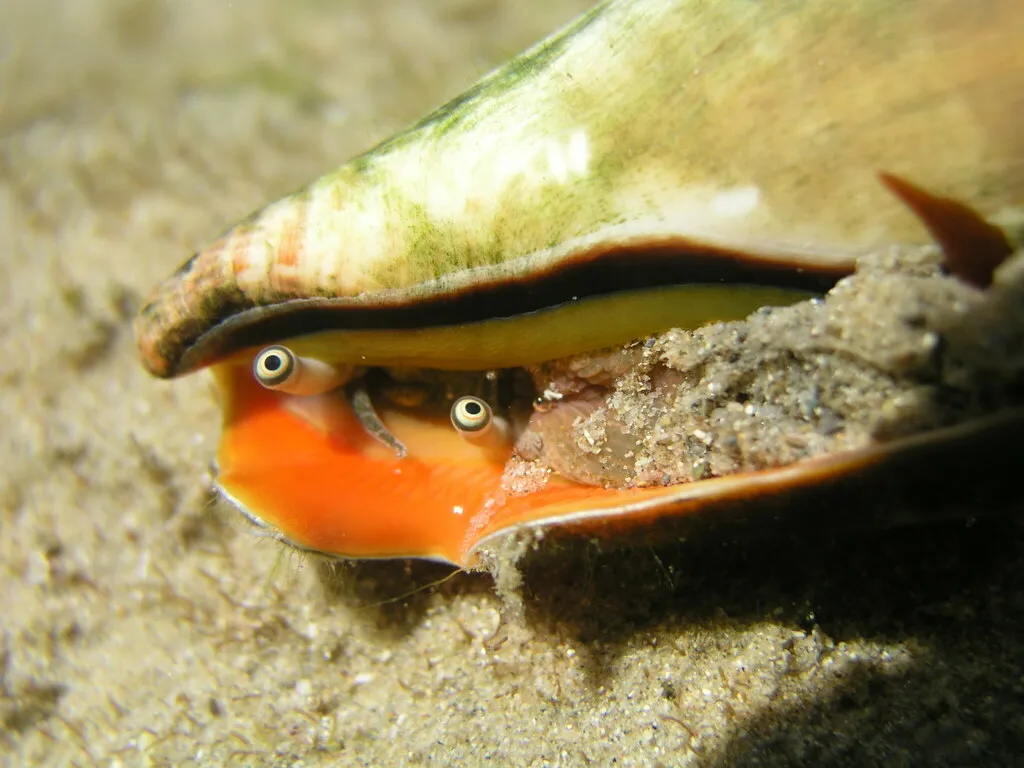
Conomurex luhuanus
Also known as Strombus luhuanus, Strawberry Conch, Tiger Conch, Blood-mouth Conch
SaltwaterSnail
Care at a glance
- Temperature
- 75–81°F
- 24–27°C
- pH
- 8.1–8.4
- Adult size
- 2.8 in
- 7 cm
- Minimum tank
- 20 gal
- 75 L
- Temperament
- Peaceful
- Social behavior
- Solitary
- Swim level
- Bottom
- Difficulty
- Easy
- Breeding
- No record
- Rarity
- Common
- Reef safe
- Reef safe
- Family
- Strombidae
- Origin
- Indo-Pacific, from the Red Sea and East Africa across the Indian Ocean to northern Australia and out to the central Pacific
Overview
A self-sufficient sand sifter that spends its time plowing through the sand bed for algae, diatoms and organic waste, leaving noticeably cleaner, better-turned sand behind it. It is a peaceful grazer that leaves corals, fish and other invertebrates alone. Like the fighting conch, its main risk is running out of food in an older, very clean tank, since it depends on a living sand bed rather than film on the rock, so supplement with sinking pellets or wafers if the sand looks picked clean.
In the wild
Conomurex luhuanus lives on sand flats and in shallow lagoons near coral reefs across the Indo-Pacific, from the Red Sea and East Africa across the Indian Ocean to northern Australia and out into the central Pacific, usually in the top 20 m of water. In the aquarium it wants a fine to medium sand bed at least a couple of centimetres deep to plow through and bury into, and it settles in best when placed directly onto the sand rather than on rock.
Good to know
Conomurex luhuanus is a true conch in the family Strombidae, formerly placed in the genus Strombus and still widely sold under that older name. The shell has a glossy, mottled tan-and-brown exterior and a bright orange-red aperture, which is where both the blood-mouth and strawberry nicknames come from. It reaches roughly 6–7 cm at the shell and, like other strombid conchs, moves with a clawed operculum rather than a crawling foot, hooking it into the sand to flip itself forward in a hopping motion.
Did you know
It gets both of its common names from the same shell: mottled brown-and-tan patterning on the outside earns it the tiger name, while the glossy orange-red mouth of the shell is what gives it the strawberry name.
Weekly picks
Tank mates
Tiger / strawberry conch is a peaceful, solitary species that keeps to the bottom. These picks share a community profile with it, are safe together in both directions, and overlap on water type, temperature and pH.
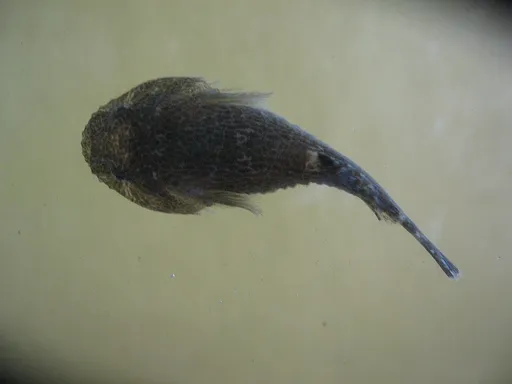
Skilletfish
Gobiesox strumosus
Saltwater3.1 in (8 cm) · 20 gal (76 L)72–79°F (22–26°C)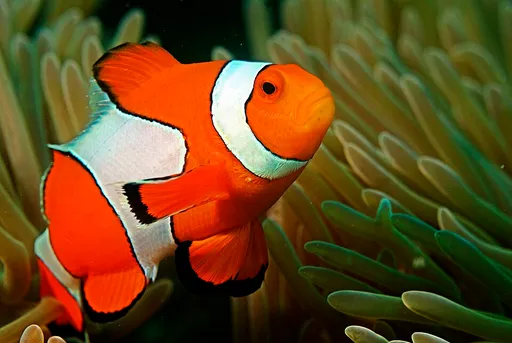
Ocellaris clownfish
Amphiprion ocellaris
Saltwater3.1 in (8 cm) · 20 gal (75 L)75–82°F (24–28°C)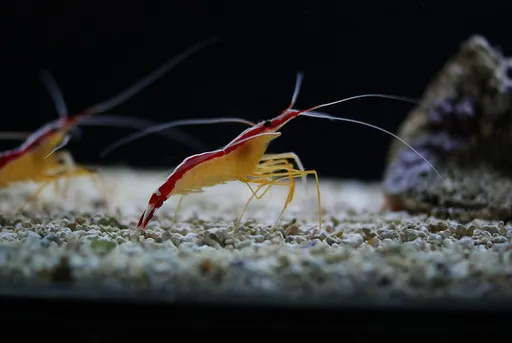
Skunk cleaner shrimp
Lysmata amboinensis
Saltwater2.4 in (6 cm) · 20 gal (75 L)73–81°F (23–27°C)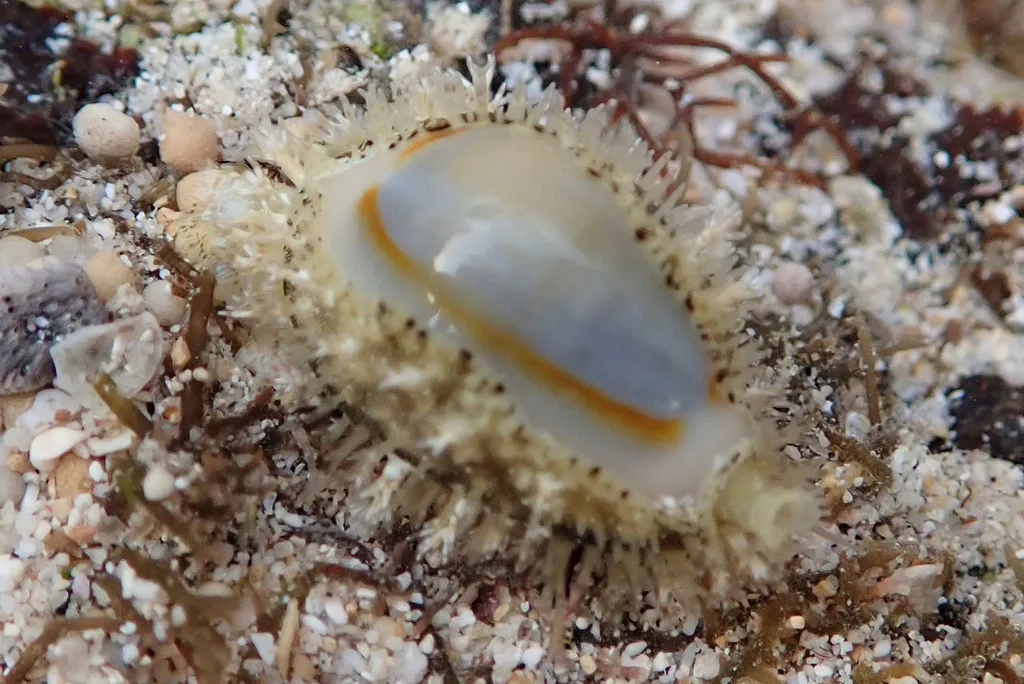
Ring cowrie
Monetaria annulus
Saltwater1.2 in (3 cm) · 20 gal (75 L)75–81°F (24–27°C)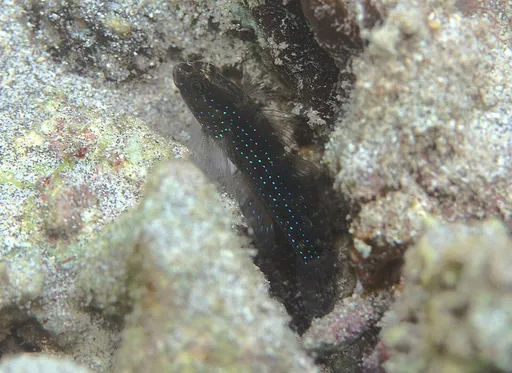
Starry goby
Asterropteryx semipunctata
Saltwater2.8 in (7 cm) · 13 gal (50 L)73–81°F (23–27°C)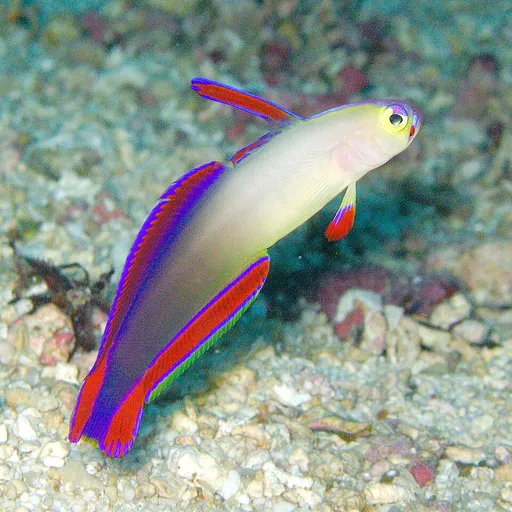
Purple firefish
Nemateleotris decora
Saltwater3.5 in (9 cm) · 20 gal (75 L)72–79°F (22–26°C)
Common questions
What size tank does a Tiger / strawberry conch need?
A Tiger / strawberry conch needs at least 20 gal (75 L). It spends most of its time in the bottom.
What temperature and pH does a Tiger / strawberry conch need?
A Tiger / strawberry conch is comfortable at 75–81°F (24–27°C) with a pH of 8.1–8.4.
How big does a Tiger / strawberry conch get?
An adult Tiger / strawberry conch reaches about 2.8 in (7 cm).
Related species
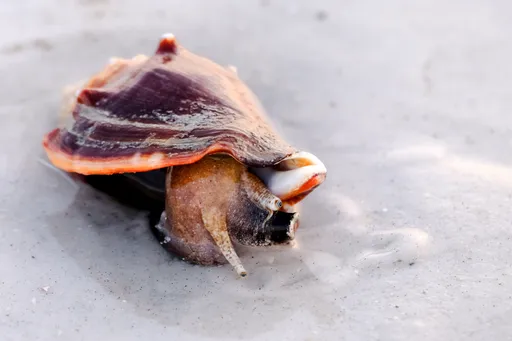 3.1 in (8 cm)20 gal (75 L)75–81°F (24–27°C)
Fighting conch
Strombus alatus
3.1 in (8 cm) · 20 gal (75 L)
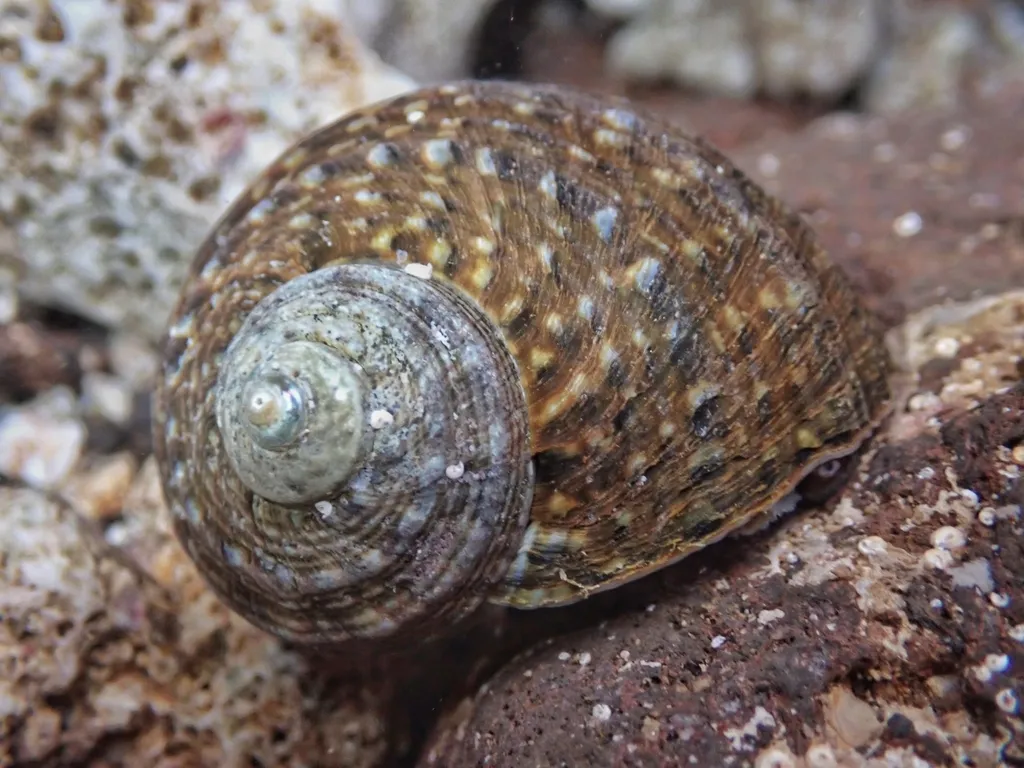 2.4 in (6 cm)11 gal (40 L)75–81°F (24–27°C)
Mexican turbo snail
Turbo fluctuosus
2.4 in (6 cm) · 11 gal (40 L)
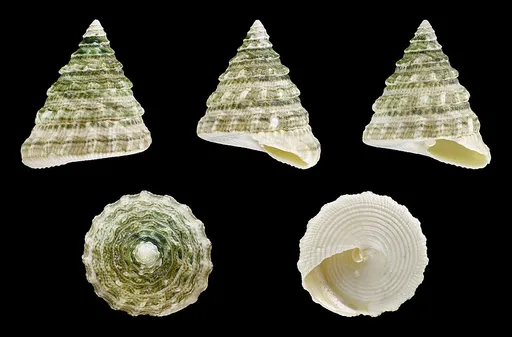 2 in (5 cm)11 gal (40 L)75–81°F (24–27°C)
Pyramid top snail
Tectus fenestratus
2 in (5 cm) · 11 gal (40 L)
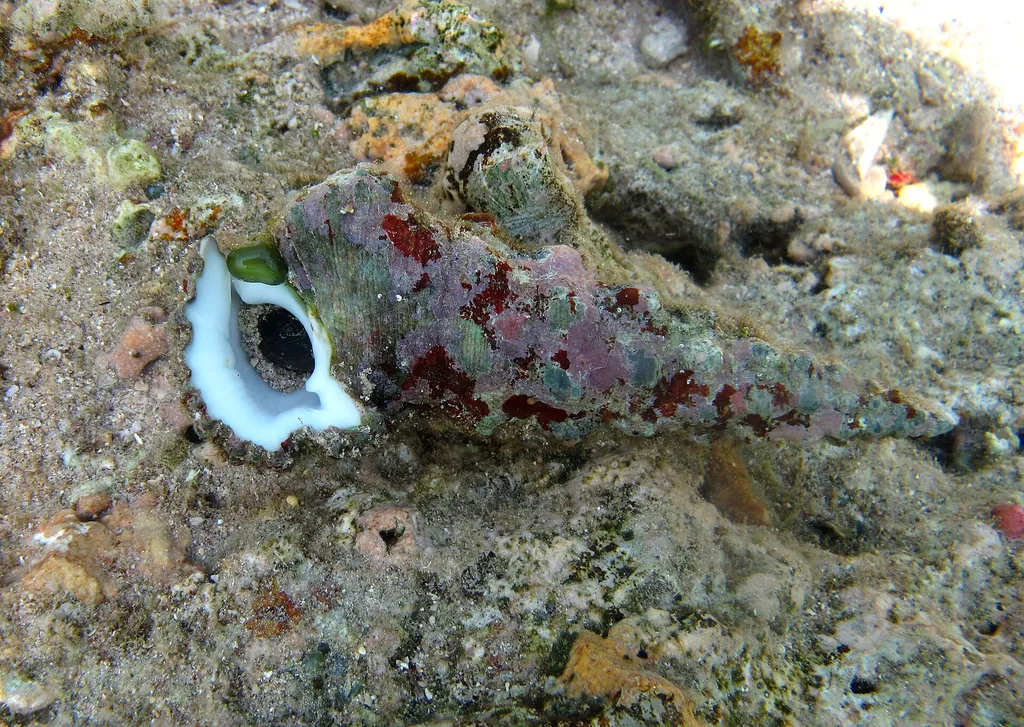 1.6 in (4 cm)11 gal (40 L)72–79°F (22–26°C)
Cerith snail
Cerithium sp.
1.6 in (4 cm) · 11 gal (40 L)