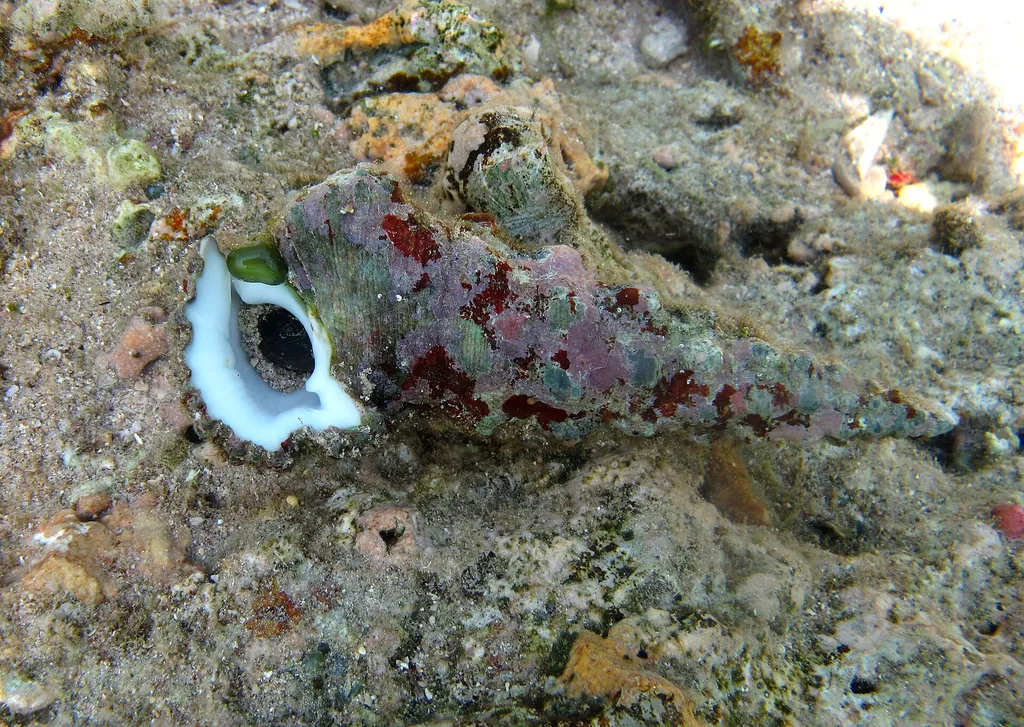
Cerith snail
Cerithium sp.
Also known as Black Sand Cerith, Cerithium caeruleum
SaltwaterSnail
Care at a glance
- Temperature
- 72–79°F
- 22–26°C
- pH
- 8.1–8.4
- Adult size
- 1.6 in
- 4 cm
- Minimum tank
- 11 gal
- 40 L
- Temperament
- Peaceful
- Social behavior
- Social
- Swim level
- Bottom
- Difficulty
- Beginner
- Breeding
- Medium
- Rarity
- Common
- Reef safe
- Reef safe
- Family
- Cerithiidae
- Origin
- Indo-Pacific and Caribbean (species dependent)
Overview
A peaceful, do-it-all scavenger and algae grazer that cleans glass, rock, and sand and is happy in groups. It is fully reef-safe and ignores corals. Because it works the sand bed at night, a lot of its useful cleaning happens when the lights are off. Stock roughly one per 15 to 20 litres and supplement with algae wafers if the tank is very clean.
In the wild
Cerith snails come from shallow reef and lagoon sand flats and work both the sand bed and the rock. They prefer larger, well-established systems with a deep sand bed they can plough through and are most active after dark. As with other marine snails they will not tolerate copper medications and are sensitive to elevated nitrate, so acclimate slowly.
Good to know
Cerithium snails have long, tall, spire-shaped shells and are unusually versatile cleaners: they eat detritus, uneaten food, fish waste, film algae, hair algae, diatoms, and cyanobacteria, and they burrow to help oxygenate the substrate. They are one of the few clean-up crew snails that will readily lay eggs in the aquarium, though the larvae are hard to raise.
Did you know
Cerith snails often breed in the reef tank, laying spiral egg strings on the glass, making them one of the few clean-up crew snails you may see reproducing at home.
Weekly picks
Tank mates
Cerith snail is a peaceful, social species that keeps to the bottom. These picks share a community profile with it, are safe together in both directions, and overlap on water type, temperature and pH.
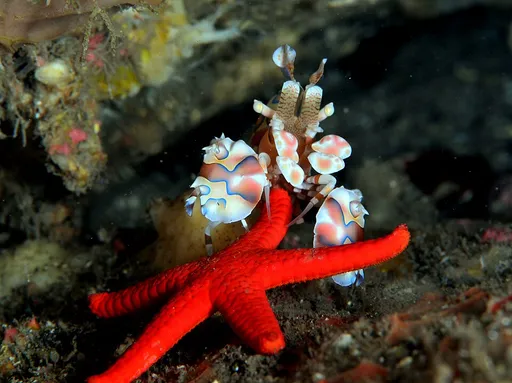
Harlequin shrimp
Hymenocera picta
Saltwater2 in (5 cm) · 11 gal (40 L)75–81°F (24–27°C)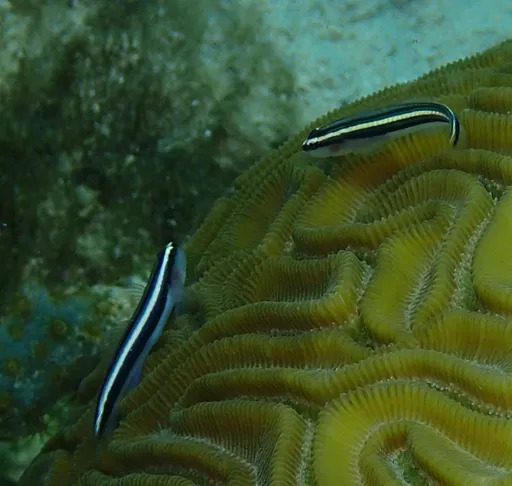
Barsnout cleaner goby
Elacatinus illecebrosus
Saltwater1.6 in (4 cm) · 11 gal (40 L)72–79°F (22–26°C)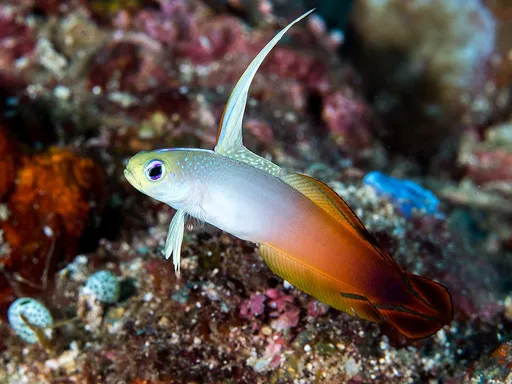
Firefish
Nemateleotris magnifica
Saltwater3.5 in (9 cm) · 20 gal (75 L)72–81°F (22–27°C)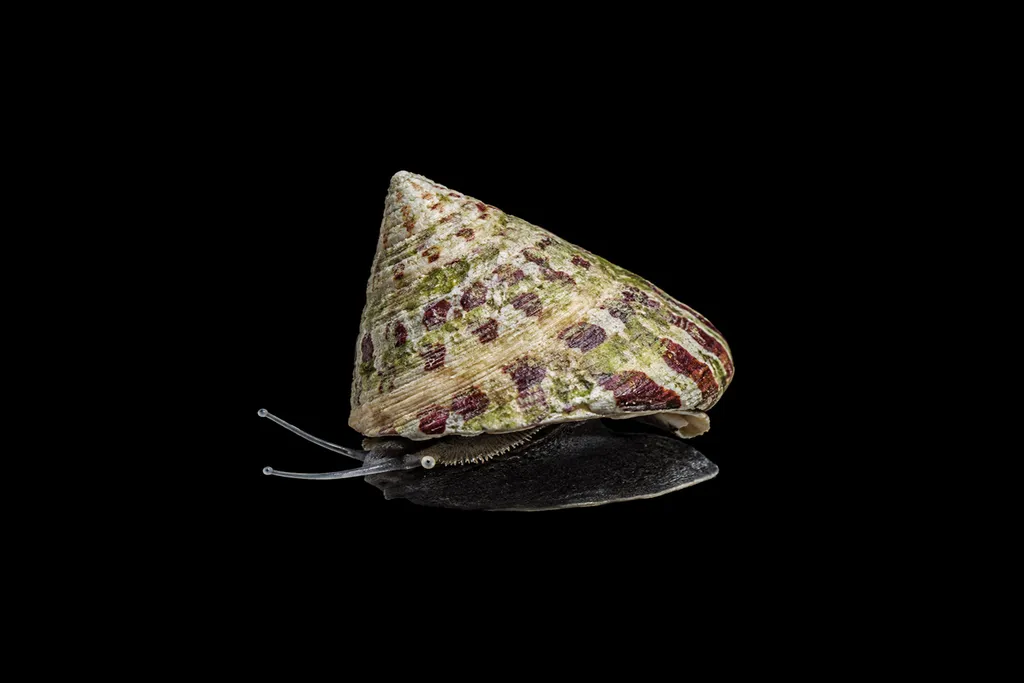
Trochus snail
Trochus sp.
Saltwater1.2 in (3 cm) · 11 gal (40 L)72–79°F (22–26°C)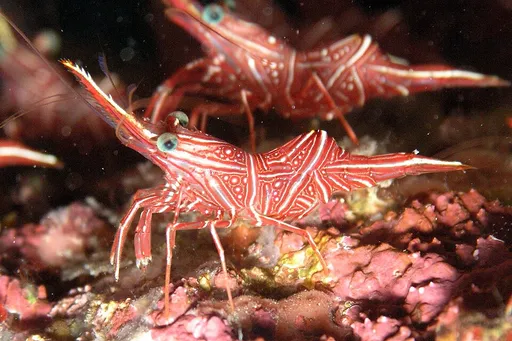
Camel / dancing shrimp
Rhynchocinetes durbanensis
Saltwater2 in (5 cm) · 16 gal (60 L)75–81°F (24–27°C)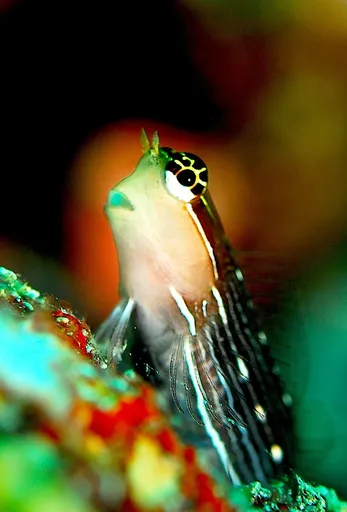
Pictus blenny
Ecsenius pictus
Saltwater2 in (5 cm) · 20 gal (75 L)73–81°F (23–27°C)
Common questions
What size tank does a Cerith snail need?
A Cerith snail needs at least 11 gal (40 L). It spends most of its time in the bottom.
What temperature and pH does a Cerith snail need?
A Cerith snail is comfortable at 72–79°F (22–26°C) with a pH of 8.1–8.4.
How big does a Cerith snail get?
An adult Cerith snail reaches about 1.6 in (4 cm).
Related species
 2 in (5 cm)11 gal (40 L)75–81°F (24–27°C)
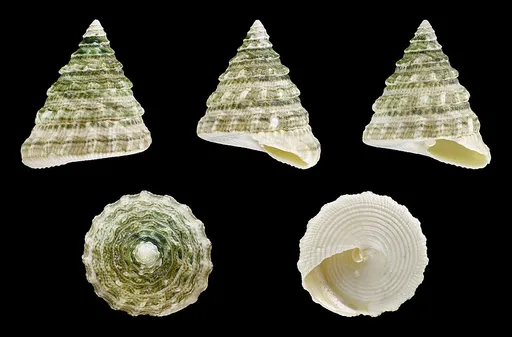
Pyramid top snail
Tectus fenestratus
2 in (5 cm) · 11 gal (40 L)
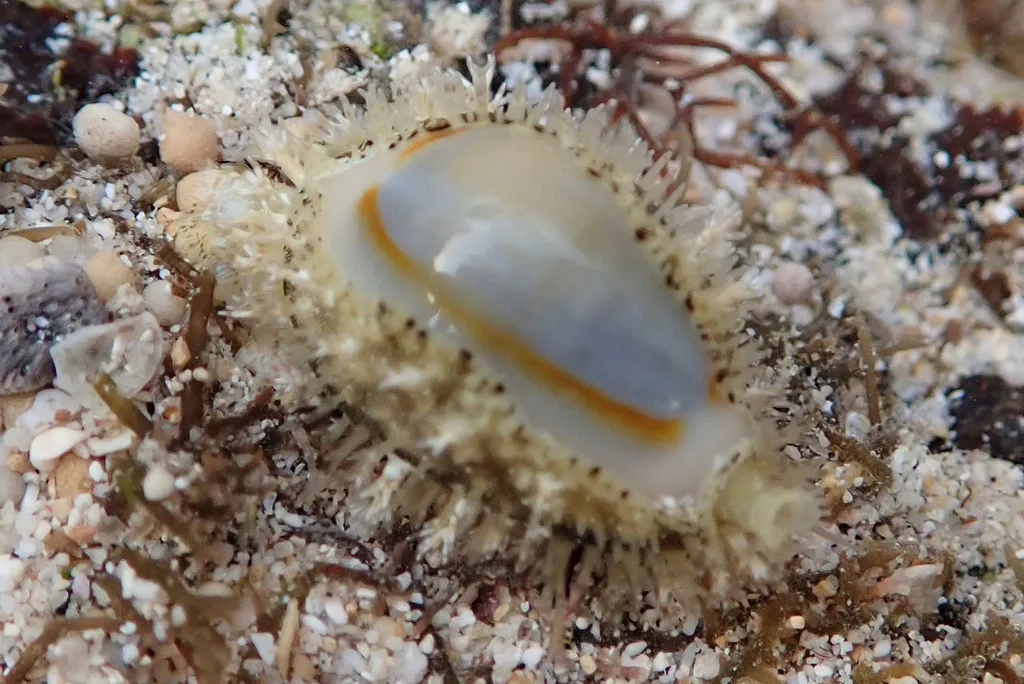 1.2 in (3 cm)20 gal (75 L)75–81°F (24–27°C)
Ring cowrie
Monetaria annulus
1.2 in (3 cm) · 20 gal (75 L)
- 1.2 in (3 cm)11 gal (40 L)72–79°F (22–26°C)
Trochus snail
Trochus sp.
1.2 in (3 cm) · 11 gal (40 L)
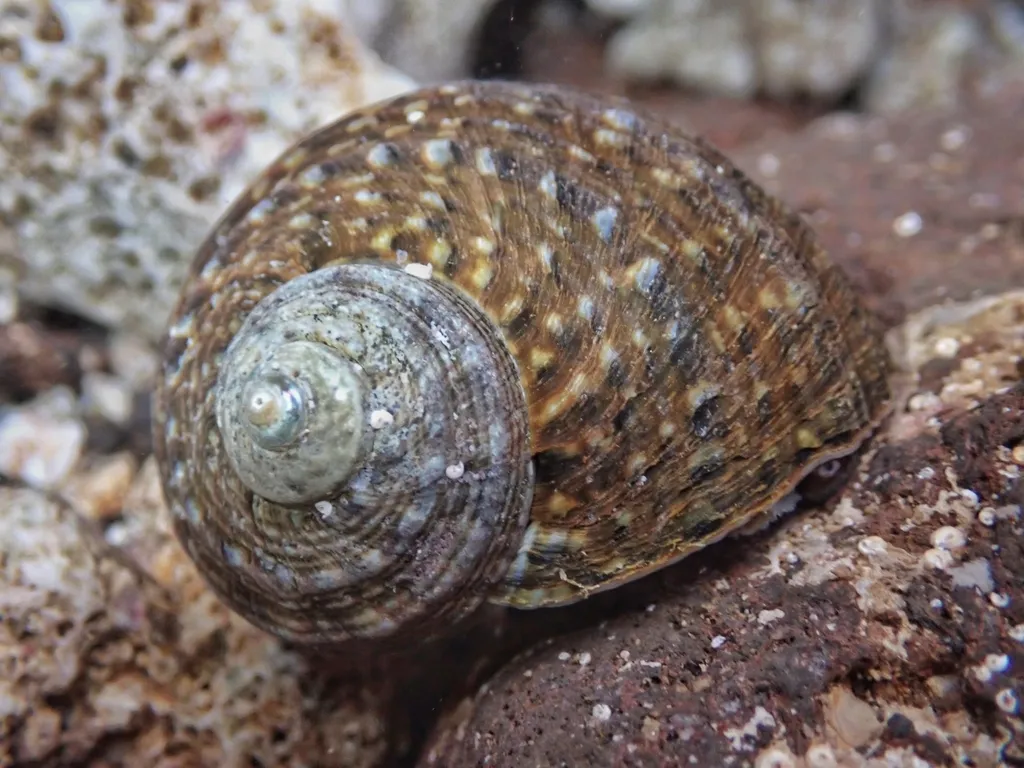 2.4 in (6 cm)11 gal (40 L)75–81°F (24–27°C)
Mexican turbo snail
Turbo fluctuosus
2.4 in (6 cm) · 11 gal (40 L)
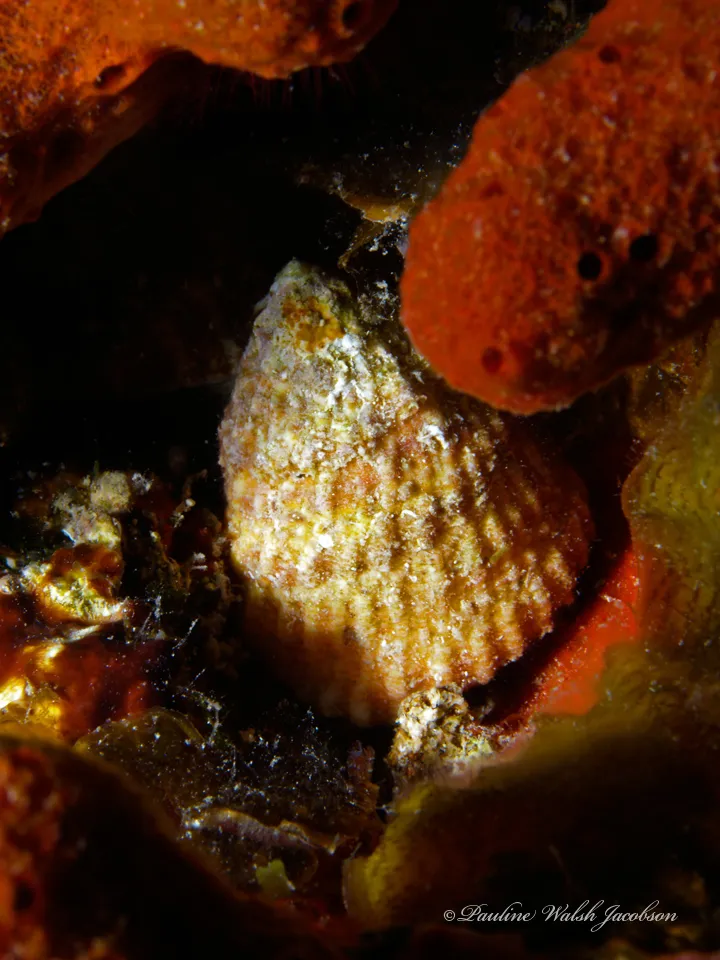 1 in (2.5 cm)11 gal (40 L)72–79°F (22–26°C)
Astraea turbo snail
Astraea tecta
1 in (2.5 cm) · 11 gal (40 L)
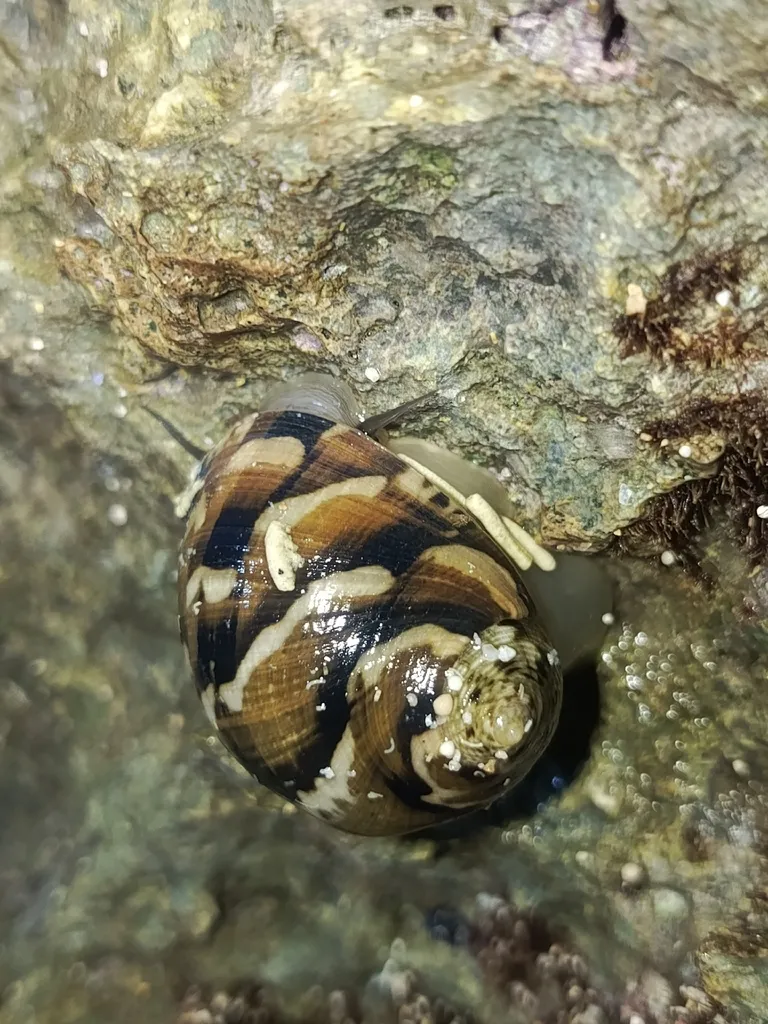 1 in (2.5 cm)11 gal (40 L)72–79°F (22–26°C)
Marine nerite snail
Nerita sp.
1 in (2.5 cm) · 11 gal (40 L)