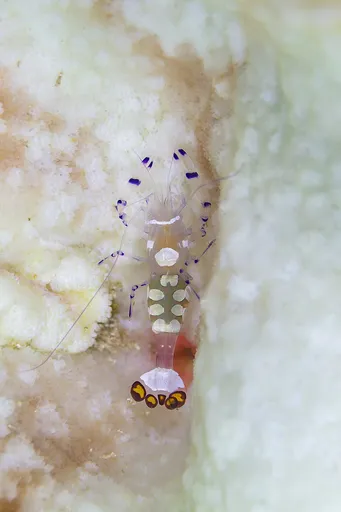
White-spot anemone shrimp
Periclimenes brevicarpalis
Also known as Peacock-Tail Anemone Shrimp, Five-Spot Anemone Shrimp, Glass Anemone Shrimp
SaltwaterShrimp
Care at a glance
- Temperature
- 75–81°F
- 24–27°C
- pH
- 8.1–8.4
- Adult size
- 1.6 in
- 4 cm
- Minimum tank
- 11 gal
- 40 L
- Temperament
- Peaceful
- Social behavior
- Social
- Swim level
- Bottom
- Difficulty
- Easy
- Breeding
- No record
- Rarity
- Common
- Reef safe
- Reef safe
- Family
- Palaemonidae
- Origin
- Indo-Pacific (East Africa to the Pacific)
Overview
Reef safe and genuinely commensal. It doesn't damage its host anemone or bother coral and fish, instead picking up detritus and leftover food around its host and occasionally cleaning parasites off passing fish. Usually sold and kept as a bonded pair on a single host anemone. Peaceful with everything in the tank. The real catch is the host: a healthy Stichodactyla or Heteractis anemone is a demanding animal in its own right, needing strong lighting, stable water, and regular feeding, so success with this shrimp comes down to success with its anemone first.
In the wild
Found throughout the Indo-Pacific, from East Africa and the Red Sea through the Indian Ocean to Southeast Asia and the Pacific. Lives among the tentacles of large carpet and sand anemones, mainly Stichodactyla and Heteractis species, and occasionally on other anemones, corals, or sea cucumbers. In the aquarium it needs a compatible host anemone to feel secure, though it can survive without one.
Good to know
A small, glassy translucent shrimp marked with white spots ringed in yellow or orange on its tail fan, which is where both the white-spot and peacock-tail names come from. Like other Periclimenes anemone shrimp, it's protected from its host's stinging cells by a mucus coating it picks up from the anemone itself, which lets it live safely among tentacles that would sting an unprotected animal.
Did you know
A pair will often share one host anemone with an entirely different symbiotic species, like a clownfish, with both trading protection and cleanup duties in the same few square inches of tentacle.
Symbiotic relationships
Shrimp and crabs that live in anemones
Several small crustaceans live where almost nothing else can: among the tentacles of an anemone. Sexy shrimp perch in the tentacles in a cluster, bobbing their tails in the display that named them. The white-spot anemone shrimp is near transparent apart from its spots and lives on carpet anemones. The porcelain anemone crab sits at the anemone's edge and filters plankton from the water with two fan-like arms. Pederson's cleaner shrimp lives in the Caribbean corkscrew anemone and cleans fish from there. In every case the anemone is a bodyguard: its sting keeps off the small fish that would eat the shrimp. The anemone gains little, and the white-spot shrimp will nibble its host's tentacles when it is hungry.
Give each of them its anemone. Sexy shrimp take a rock flower anemone, a bubble tip or a carpet. The white-spot shrimp and the porcelain crab want a carpet anemone or a long tentacle anemone, both of which need a mature tank at the tank size their profiles list. Pederson's shrimp wants a corkscrew anemone or a condy. Without a host they perch on a coral or hide in the rock and are picked off by any fish that eats shrimp, so they suit a peaceful nano reef. A clownfish will evict them from an anemone it has claimed.
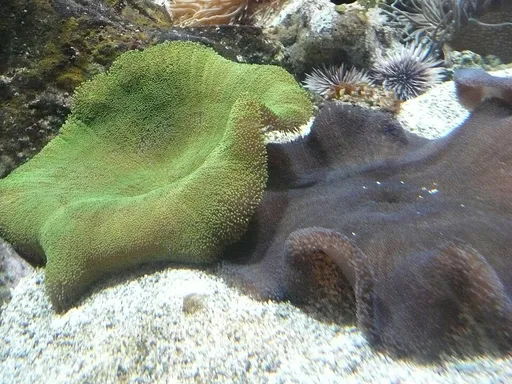
Haddon's carpet anemone
Stichodactyla haddoni
Saltwater33.5 in (85 cm) · 53 gal (200 L)75–81°F (24–27°C)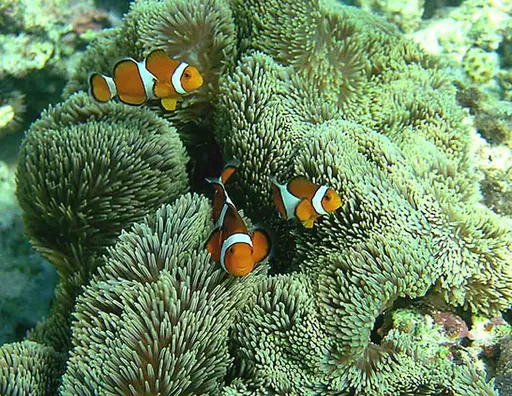
Gigantea carpet anemone
Stichodactyla gigantea
Saltwater19.7 in (50 cm) · 53 gal (200 L)75–81°F (24–27°C)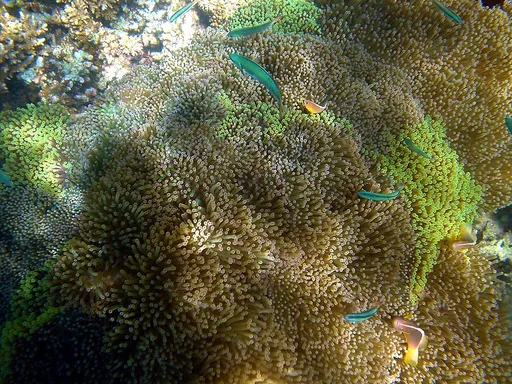
Mertens' carpet anemone
Stichodactyla mertensii
Saltwater35.4 in (90 cm) · 53 gal (200 L)75–81°F (24–27°C)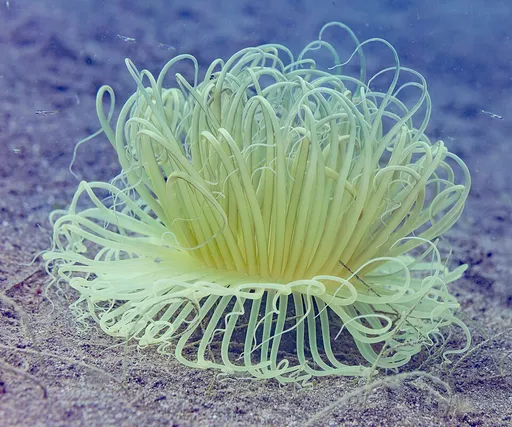
Long tentacle anemone
Macrodactyla doreensis
Saltwater15.7 in (40 cm) · 40 gal (150 L)75–81°F (24–27°C)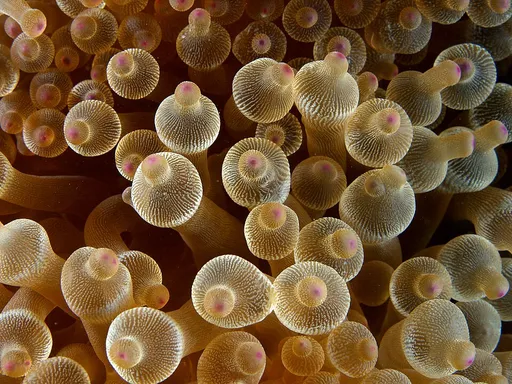
Bubble tip anemone
Entacmaea quadricolor
Saltwater11.8 in (30 cm) · 30 gal (115 L)75–81°F (24–27°C)
Weekly picks
Tank mates
White-spot anemone shrimp is a peaceful, social species that keeps to the bottom. These picks share a community profile with it, are safe together in both directions, and overlap on water type, temperature and pH.
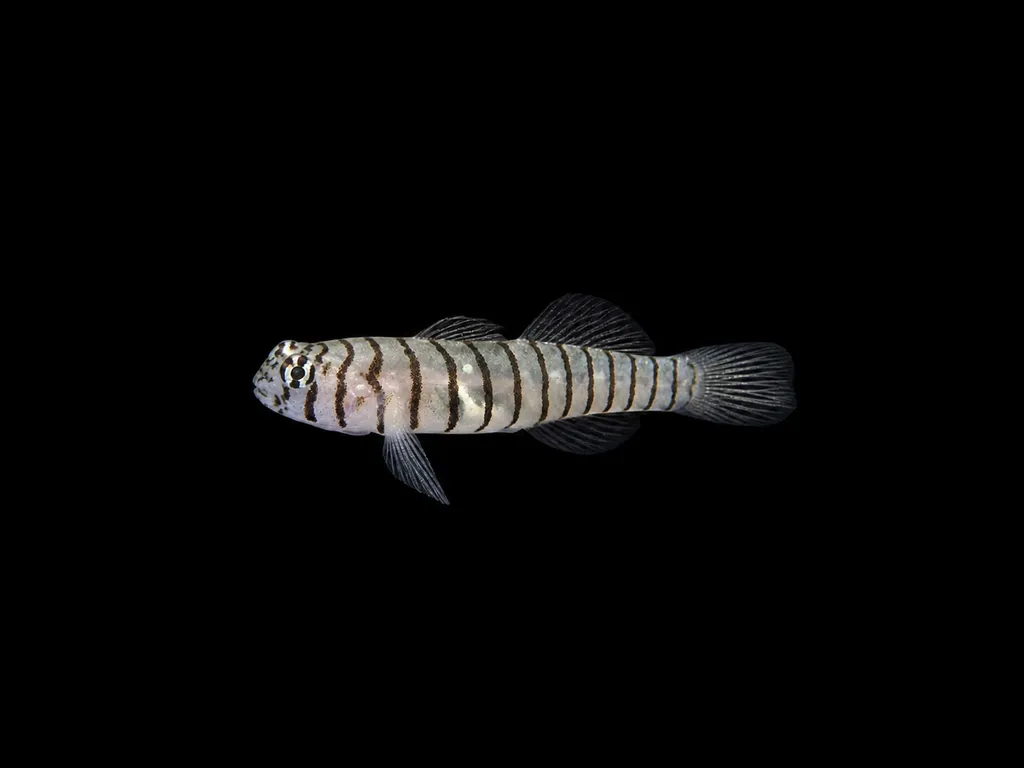
Tiger goby
Tigrigobius macrodon
Saltwater2 in (5 cm) · 11 gal (40 L)72–81°F (22–27°C)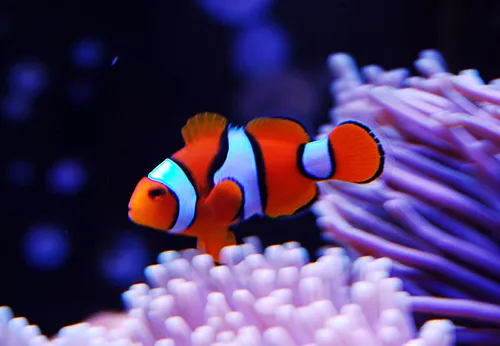
Percula clownfish
Amphiprion percula
Saltwater3.1 in (8 cm) · 20 gal (75 L)75–82°F (24–28°C)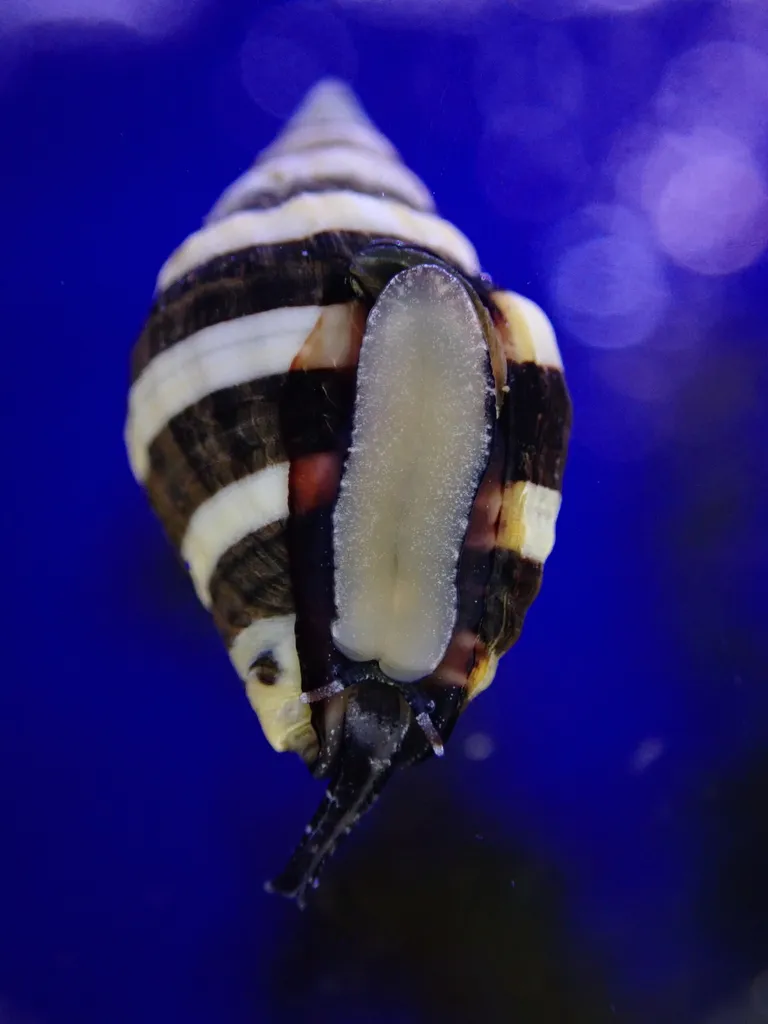
Bumble bee snail
Engina mendicaria
Saltwater0.8 in (2 cm) · 11 gal (40 L)75–81°F (24–27°C)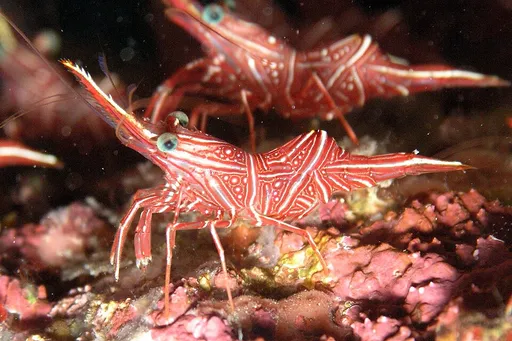
Camel / dancing shrimp
Rhynchocinetes durbanensis
Saltwater2 in (5 cm) · 16 gal (60 L)75–81°F (24–27°C)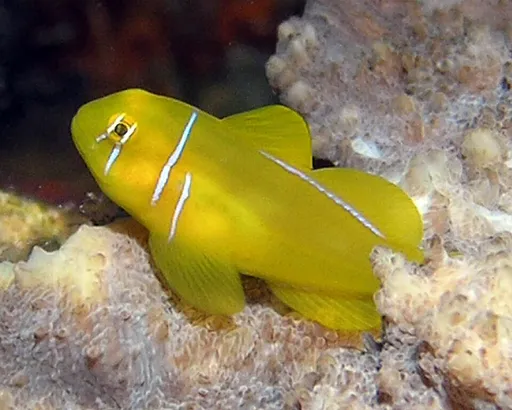
Citron clown goby
Gobiodon citrinus
Saltwater2.6 in (6.5 cm) · 11 gal (40 L)72–81°F (22–27°C)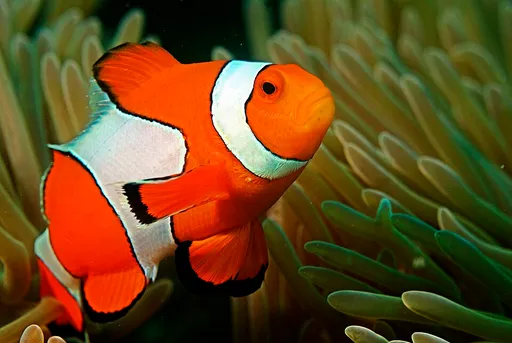
Ocellaris clownfish
Amphiprion ocellaris
Saltwater3.1 in (8 cm) · 20 gal (75 L)75–82°F (24–28°C)
Common questions
What size tank does a White-spot anemone shrimp need?
A White-spot anemone shrimp needs at least 11 gal (40 L). It spends most of its time in the bottom.
What temperature and pH does a White-spot anemone shrimp need?
A White-spot anemone shrimp is comfortable at 75–81°F (24–27°C) with a pH of 8.1–8.4.
How big does a White-spot anemone shrimp get?
An adult White-spot anemone shrimp reaches about 1.6 in (4 cm).
Related species
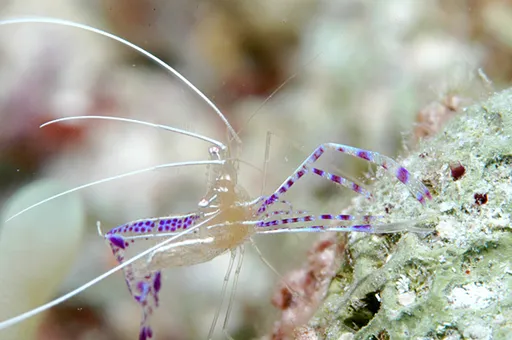 1.2 in (3 cm)11 gal (40 L)73–81°F (23–27°C)
Pederson's cleaner shrimp
Ancylomenes pedersoni
1.2 in (3 cm) · 11 gal (40 L)
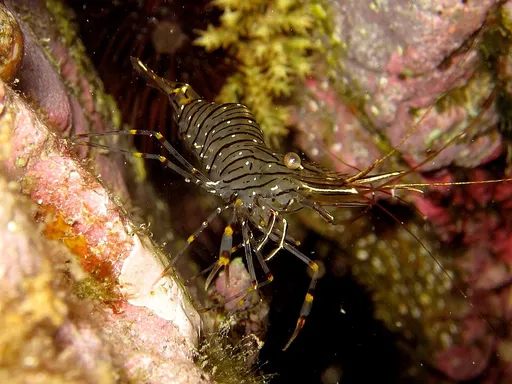 2.4 in (6 cm)11 gal (40 L)61–79°F (16–26°C)
Elegant rockpool shrimp
Palaemon elegans
2.4 in (6 cm) · 11 gal (40 L)
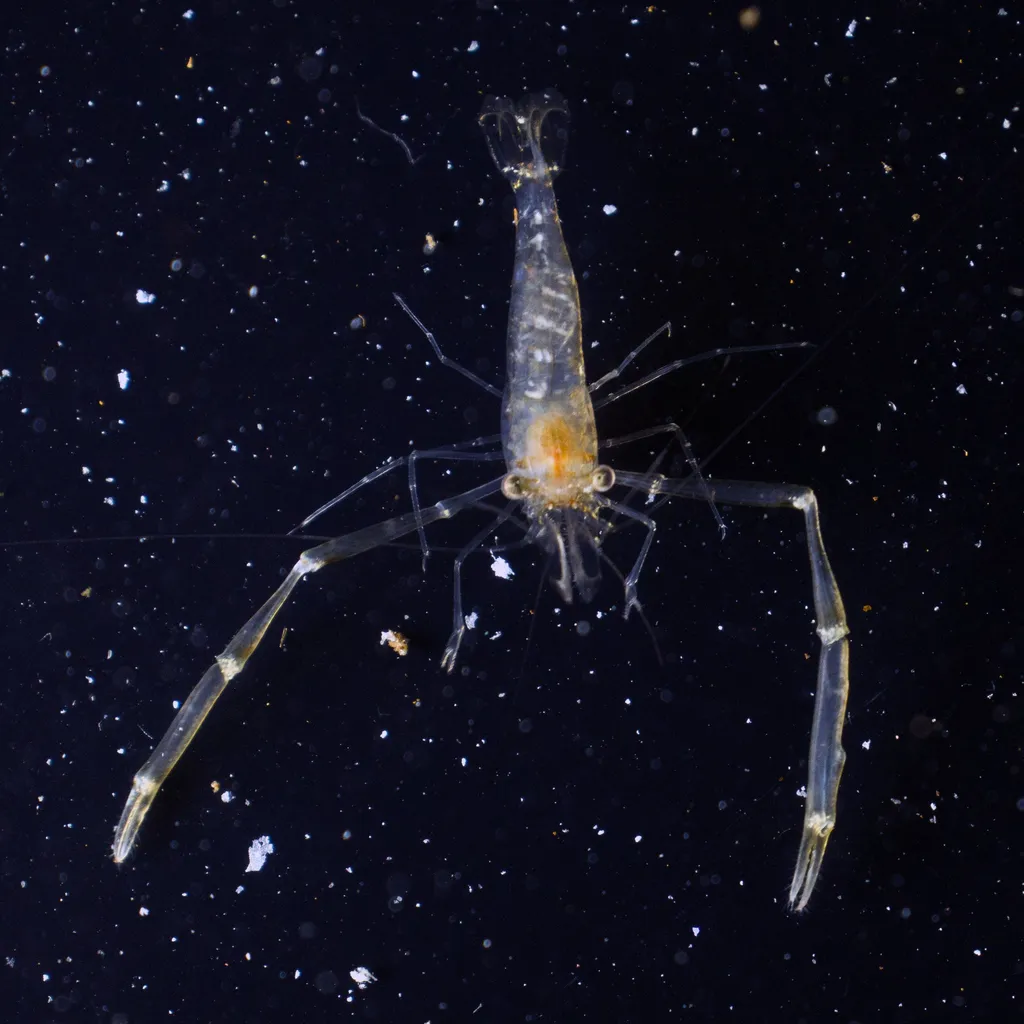 0.8 in (2 cm)5 gal (20 L)75–82°F (24–28°C)
Long arm shrimp
Cuapetes sp.
0.8 in (2 cm) · 5 gal (20 L)
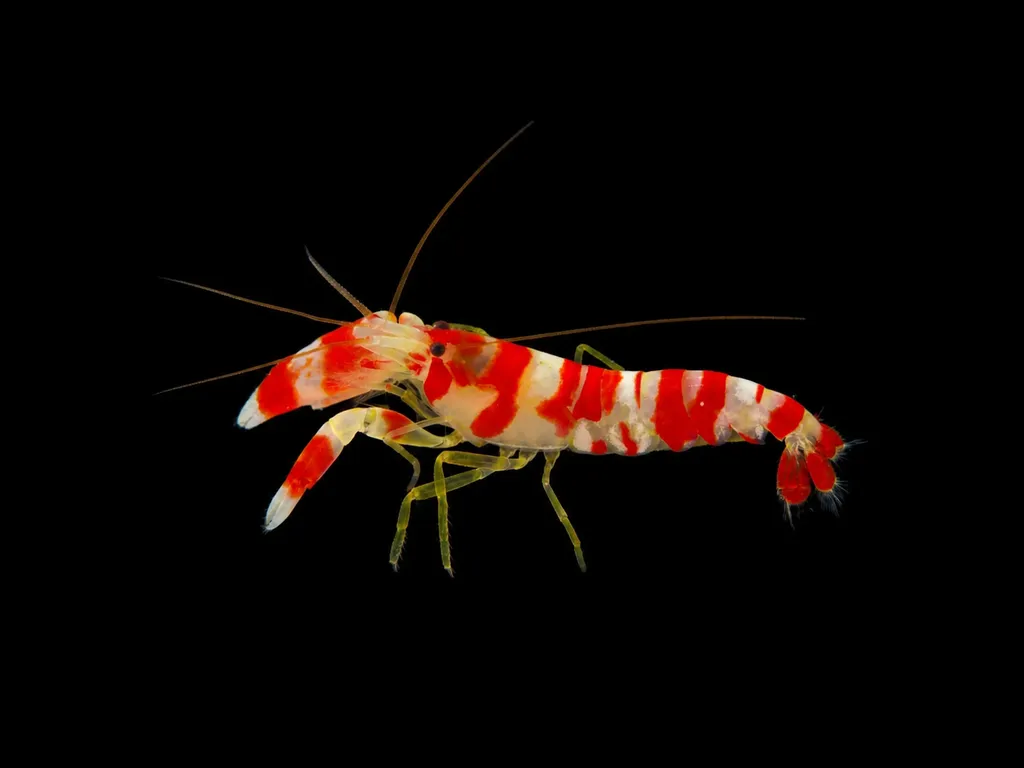 1.6 in (4 cm)11 gal (40 L)75–81°F (24–27°C)
Randall's pistol shrimp
Alpheus randalli
1.6 in (4 cm) · 11 gal (40 L)
- 2 in (5 cm)16 gal (60 L)75–81°F (24–27°C)
Camel / dancing shrimp
Rhynchocinetes durbanensis
2 in (5 cm) · 16 gal (60 L)
 2 in (5 cm)11 gal (40 L)75–81°F (24–27°C)
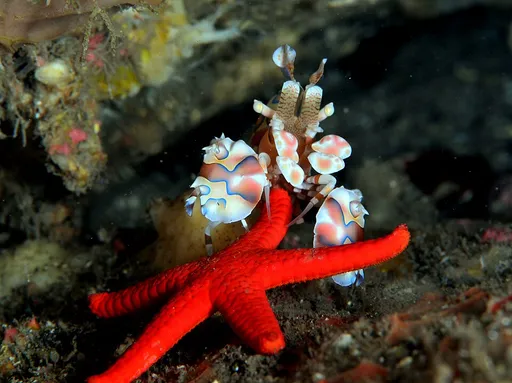
Harlequin shrimp
Hymenocera picta
2 in (5 cm) · 11 gal (40 L)