One species · 4 varieties
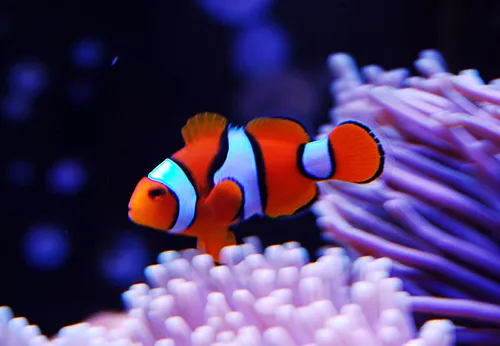
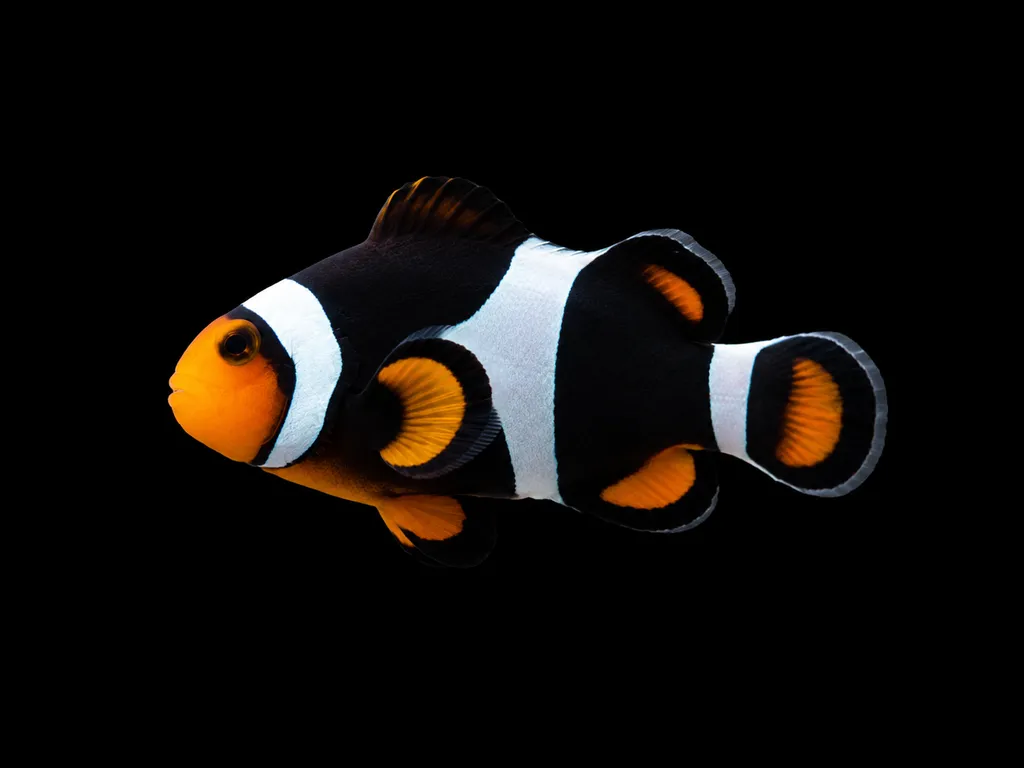
Percula clownfish
Amphiprion percula
Also known as True Percula Clownfish, Orange Clownfish, Clown Anemonefish
SaltwaterFish
Care at a glance
- Temperature
- 75–82°F
- 24–28°C
- pH
- 8.1–8.4
- Adult size
- 3.1 in
- 8 cm
- Minimum tank
- 20 gal
- 75 L
- Temperament
- Mostly peaceful
- Social behavior
- Social
- Swim level
- Middle
- Difficulty
- Beginner
- Breeding
- Easy
- Rarity
- Very common
- Reef safe
- Reef safe
- Family
- Pomacentridae
- Origin
- Western Pacific
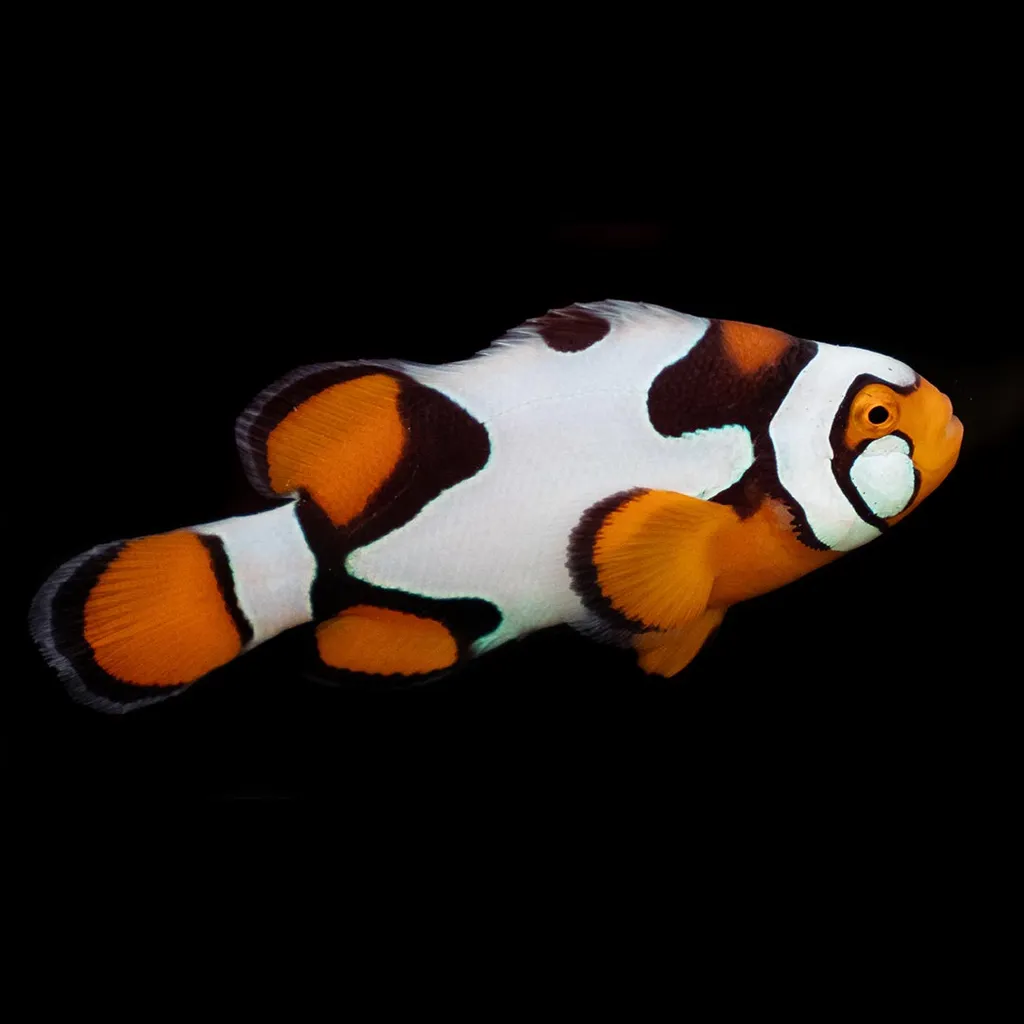
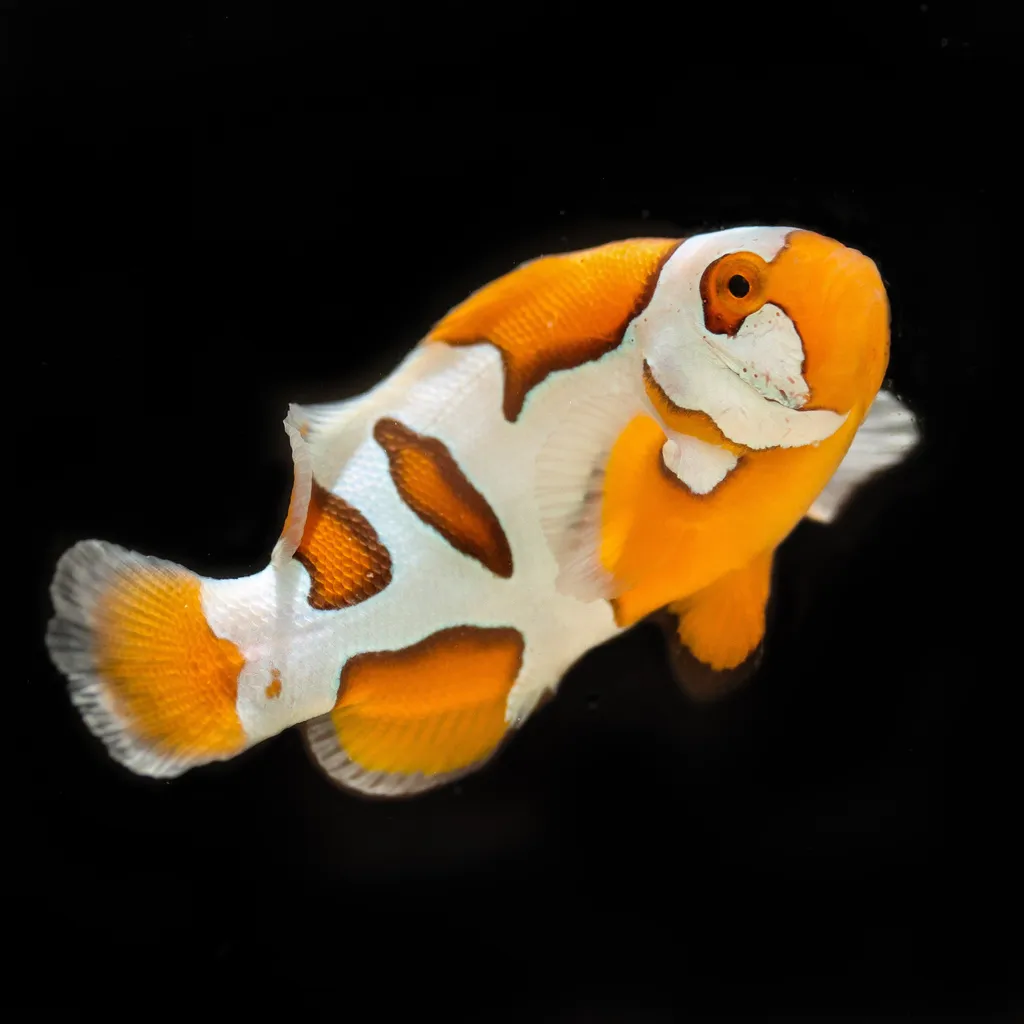
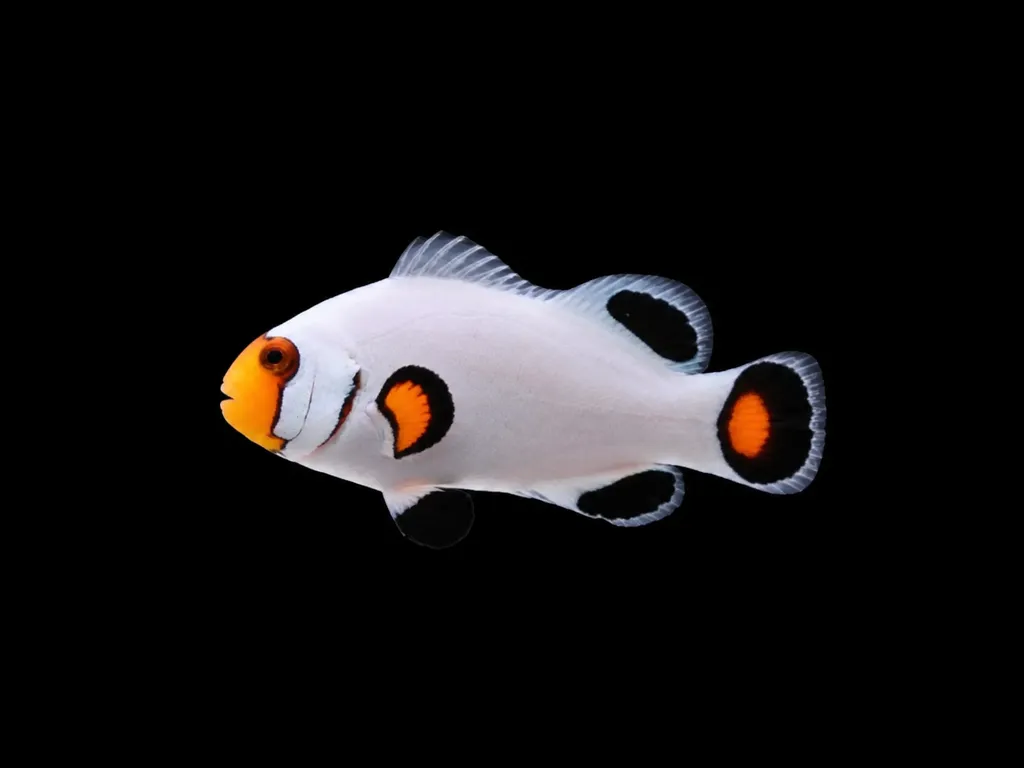
Pick a variety
One setup covers every line on this page: care is the species' care.
Overview
One of the hardiest and most beginner-friendly marine fish. It is peaceful toward other species but will defend its host and territory against other clownfish, so keep it alone or as a bonded pair. Captive-bred percula readily accept flake, pellet, and frozen foods and adapt well to reef aquariums.
In the wild
Found on sheltered reefs and lagoons of the western Pacific, living within host anemones that protect it from predators. It tends to stay very close to its host throughout the day, darting only a short distance to feed on drifting plankton before returning to the safety of the tentacles.
Good to know
A. percula is the classic 'true' clownfish and is very similar to A. ocellaris, but it usually has thicker black outlines around its white bands and ten to eleven dorsal spines. Like all clownfish it is a protandrous hermaphrodite, so a mated pair is a dominant female and a smaller male that will change sex if the female is lost.
Did you know
Percula clownfish form a strict size-based pecking order within their anemone, and non-breeding subordinate fish will deliberately stay small to avoid challenging the dominant pair.
Symbiotic relationships
Clownfish and their host anemones
A clownfish lives inside an anemone that stings and eats other fish its size. Its mucus coat keeps the anemone's stinging cells from firing, and a new fish builds that protection up over hours of brief touches. The fish gets a refuge no predator will follow it into and a nest site at the anemone's base. The anemone gets a guard that drives off the butterflyfish that would graze its tentacles, a steady supply of nitrogen from the fish's waste, and water movement at night, when the fish fans its fins among the tentacles and the anemone takes up more oxygen. Only ten anemone species host clownfish in the wild, and each clownfish species uses its own short list of them.
Captive-bred clownfish have never seen an anemone and do not need one; they settle for a coral, a powerhead or a corner of the tank. If you want the pairing, the anemone is the harder animal by far and goes in first, into a mature tank with strong light and stable water, at the tank size its own profile lists. The bubble tip anemone is the hardy host, and the one most clownfish accept in captivity even when it is not a natural host, so a clownfish profile lists it as the usual tank host where that is the case. The sebae, magnificent and carpet anemones are marked difficult, and the carpets eat fish. Expect a paired clownfish to defend its anemone against everything else in the tank.
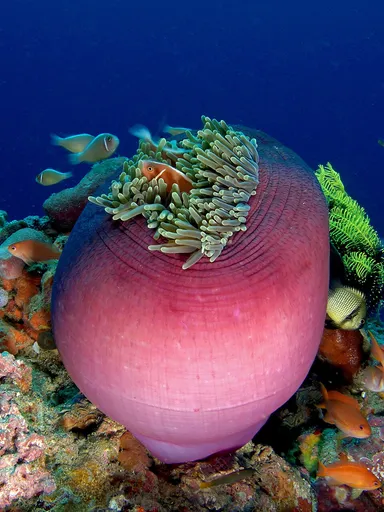
Magnificent anemone
Heteractis magnifica
Saltwater19.7 in (50 cm) · 53 gal (200 L)75–81°F (24–27°C)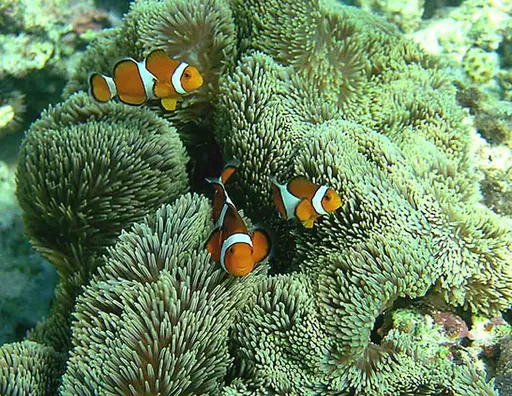
Gigantea carpet anemone
Stichodactyla gigantea
Saltwater19.7 in (50 cm) · 53 gal (200 L)75–81°F (24–27°C)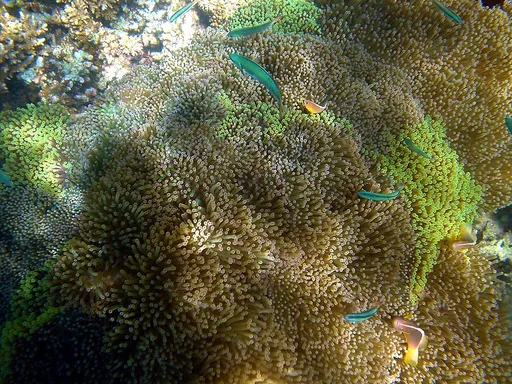
Mertens' carpet anemone
Stichodactyla mertensii
Saltwater35.4 in (90 cm) · 53 gal (200 L)75–81°F (24–27°C)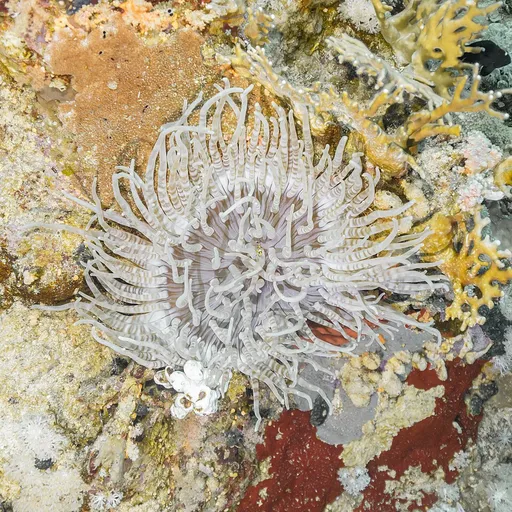
Sebae anemone
Heteractis crispa
Saltwater15.7 in (40 cm) · 40 gal (150 L)75–81°F (24–27°C)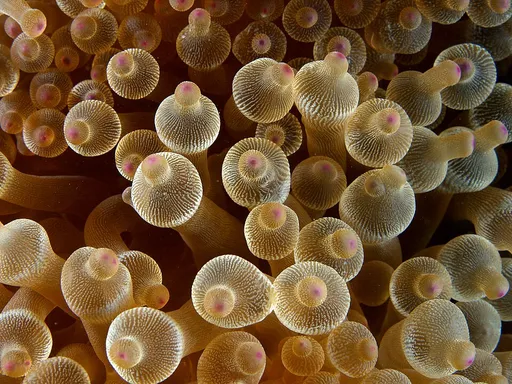
Bubble tip anemone
Entacmaea quadricolor
Saltwater11.8 in (30 cm) · 30 gal (115 L)75–81°F (24–27°C)Usual tank host, not a natural one
Weekly picks
Tank mates
Every variety on this page wants the same water, so one set of picks fits them all. These picks match on water type, temperature, pH, size and temperament.
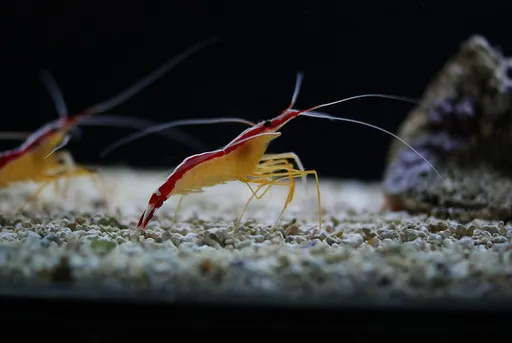
Skunk cleaner shrimp
Lysmata amboinensis
Saltwater2.4 in (6 cm) · 20 gal (75 L)73–81°F (23–27°C)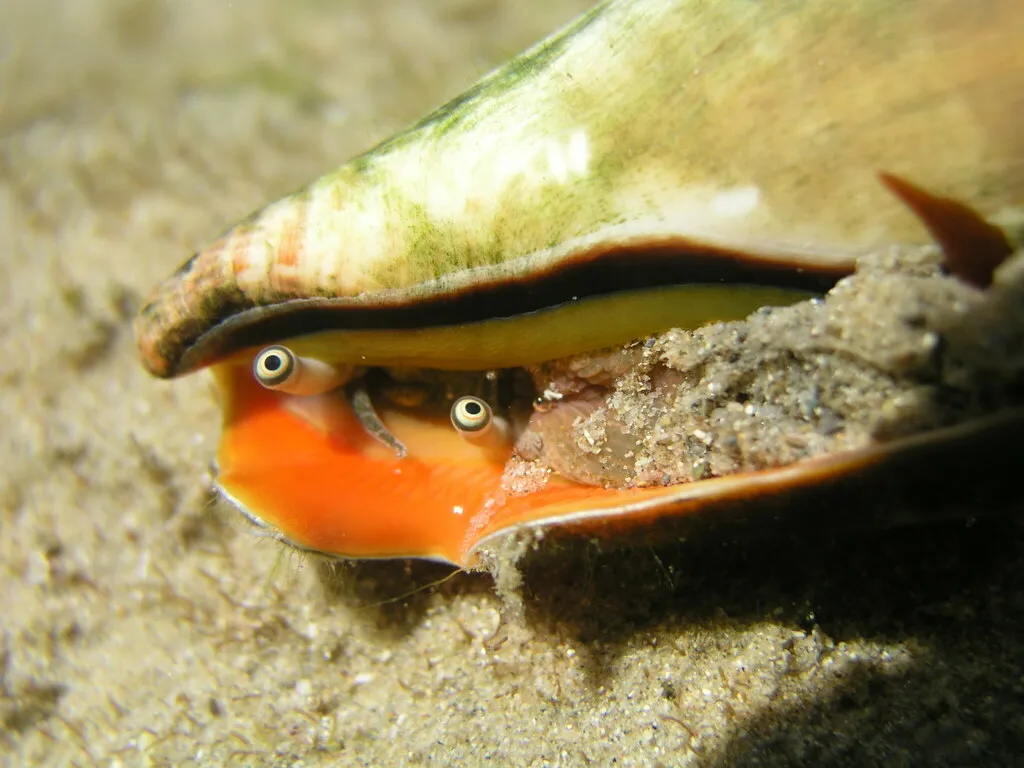
Tiger / strawberry conch
Conomurex luhuanus
Saltwater2.8 in (7 cm) · 20 gal (75 L)75–81°F (24–27°C)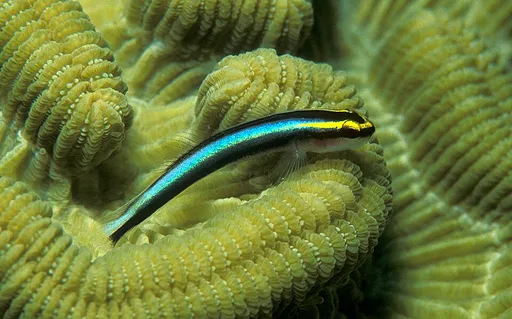
Sharknose goby
Elacatinus evelynae
Saltwater1.6 in (4 cm) · 13 gal (50 L)75–79°F (24–26°C)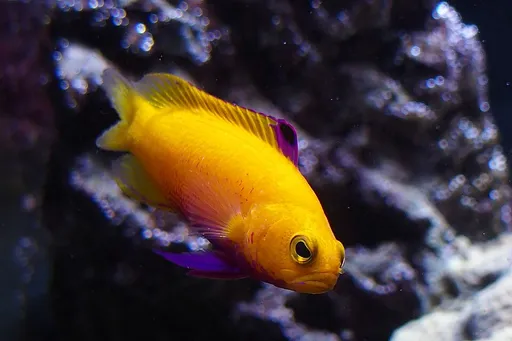
Golden basslet
Gramma dejongi
Saltwater2.8 in (7 cm) · 29 gal (110 L)75–81°F (24–27°C)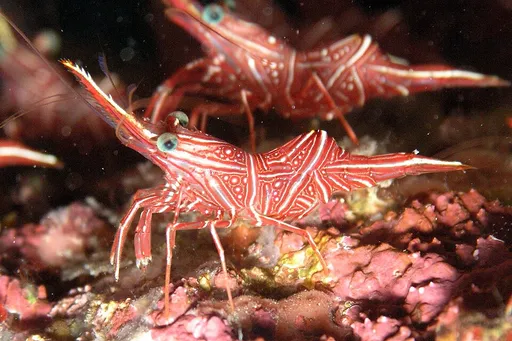
Camel / dancing shrimp
Rhynchocinetes durbanensis
Saltwater2 in (5 cm) · 16 gal (60 L)75–81°F (24–27°C)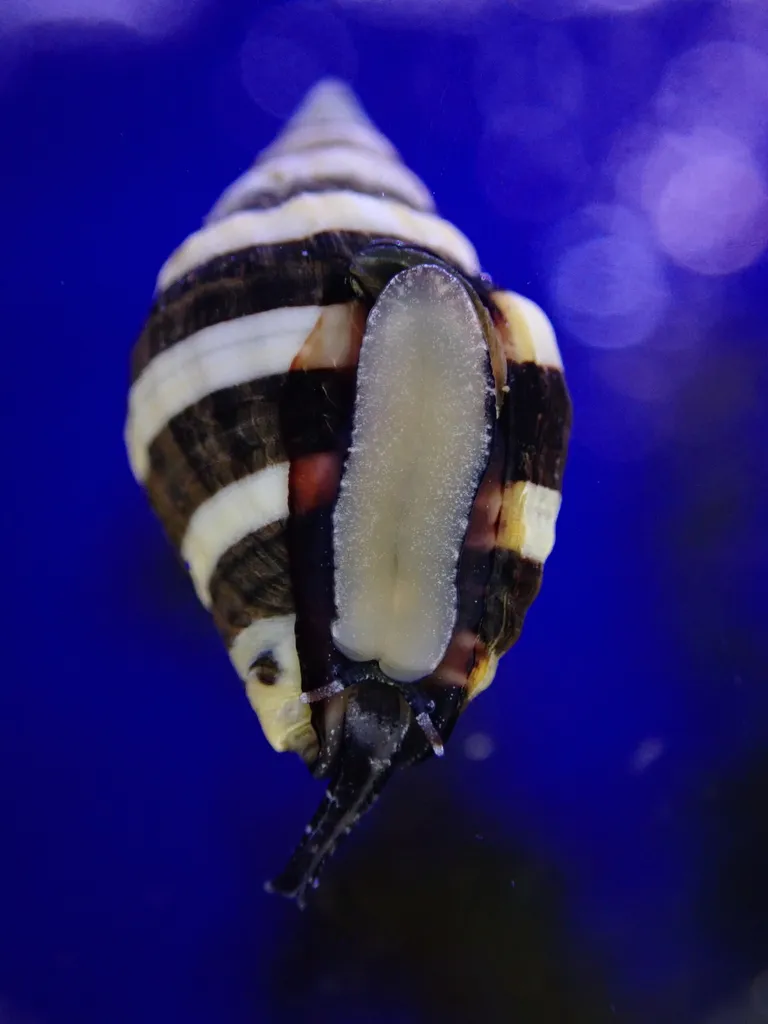
Bumble bee snail
Engina mendicaria
Saltwater0.8 in (2 cm) · 11 gal (40 L)75–81°F (24–27°C)
Common questions
What size tank does a Percula clownfish need?
A Percula clownfish needs at least 20 gal (75 L). It spends most of its time in the middle.
What temperature and pH does a Percula clownfish need?
A Percula clownfish is comfortable at 75–82°F (24–28°C) with a pH of 8.1–8.4.
How big does a Percula clownfish get?
An adult Percula clownfish reaches about 3.1 in (8 cm).
Related species
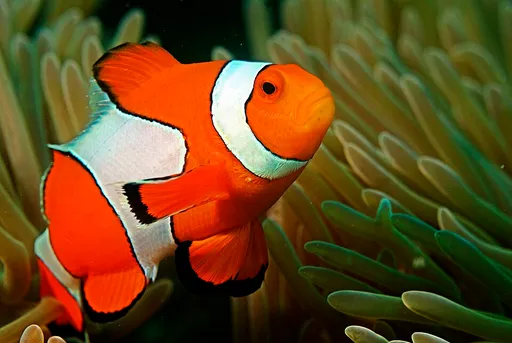 3.1 in (8 cm)20 gal (75 L)75–82°F (24–28°C)
Ocellaris clownfish
Amphiprion ocellaris
3.1 in (8 cm) · 20 gal (75 L)
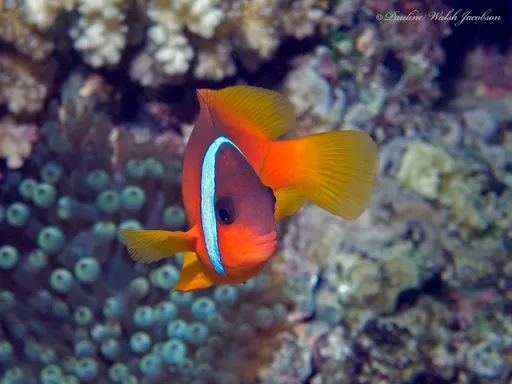 3.5 in (9 cm)30 gal (115 L)75–81°F (24–27°C)
Barberi clownfish
Amphiprion barberi
3.5 in (9 cm) · 30 gal (115 L)
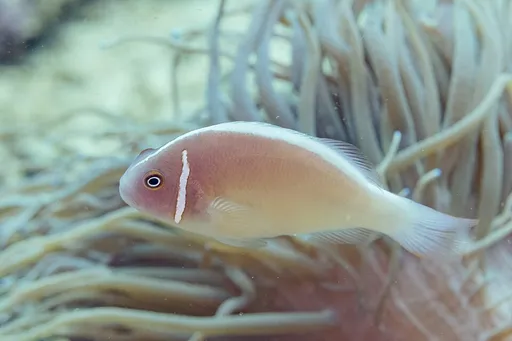 3.9 in (10 cm)30 gal (115 L)75–82°F (24–28°C)
Pink skunk clownfish
Amphiprion perideraion
3.9 in (10 cm) · 30 gal (115 L)
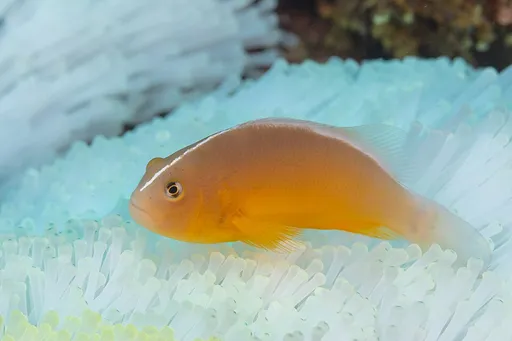 4.3 in (11 cm)26 gal (100 L)75–82°F (24–28°C)
Skunk clownfish
Amphiprion akallopisos
4.3 in (11 cm) · 26 gal (100 L)
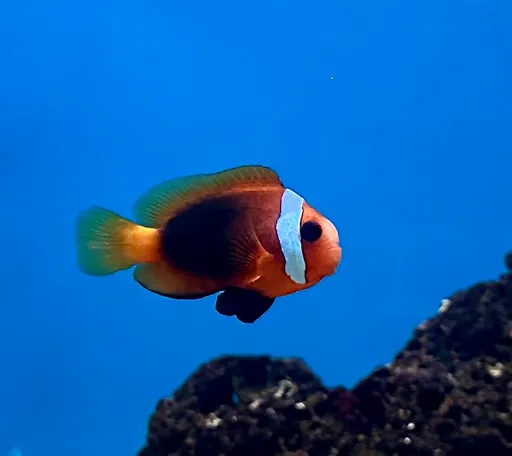 4.7 in (12 cm)30 gal (115 L)75–82°F (24–28°C)
Cinnamon clownfish
Amphiprion melanopus
4.7 in (12 cm) · 30 gal (115 L)
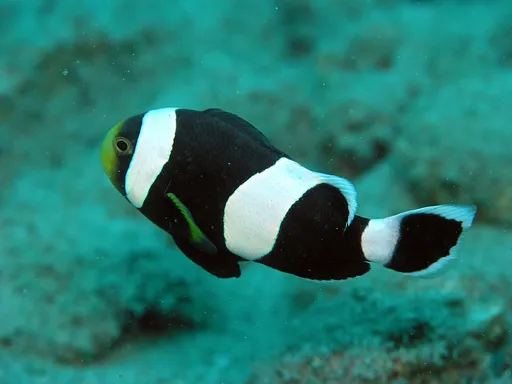 5.1 in (13 cm)40 gal (150 L)75–82°F (24–28°C)
Saddleback clownfish
Amphiprion polymnus
5.1 in (13 cm) · 40 gal (150 L)