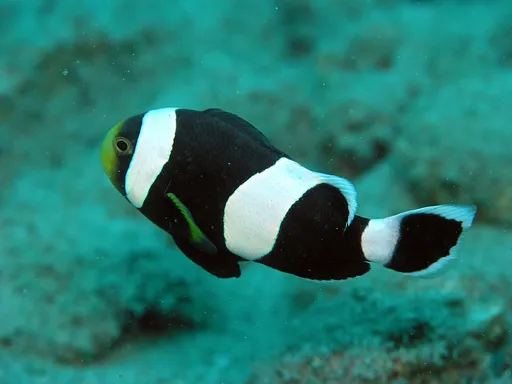
Saddleback clownfish
Amphiprion polymnus
Also known as Saddleback Anemonefish, Yellowfin Anemonefish, Brownsaddle Clownfish
SaltwaterFish
Care at a glance
- Temperature
- 75–82°F
- 24–28°C
- pH
- 8.1–8.4
- Adult size
- 5.1 in
- 13 cm
- Minimum tank
- 40 gal
- 150 L
- Temperament
- Mostly peaceful
- Social behavior
- Social
- Swim level
- Middle
- Difficulty
- Medium
- Breeding
- Hard
- Rarity
- Rare
- Reef safe
- Reef safe
- Family
- Pomacentridae
- Origin
- Silty lagoons and harbors of the Indo-Pacific Coral Triangle, from the Philippines to northern Australia
Overview
One of the calmer anemonefish toward other species, but it is territorial and will chase off other clownfish or anything that threatens its anemone. It does best kept singly or as a bonded pair rather than in a group. It is an easy omnivore in the aquarium, taking mysis, krill, enriched brine shrimp, flake, and pellet food, with some spirulina welcome if it is not grazing on algae in the tank. Captive-bred stock adjusts to aquarium life quickly, though wild-caught individuals can take months to settle in.
In the wild
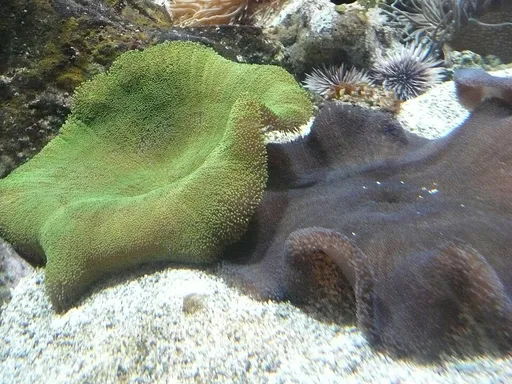
Lives in silty lagoons and harbor areas of the Indo-Pacific Coral Triangle, from the Philippines to northern Australia and the Ryukyu Islands, generally in murkier water than many other clownfish tolerate. It is a host specialist, pairing almost exclusively with the saddle carpet anemone and occasionally the sebae anemone. In the aquarium it does fine without an anemone, though a saddle carpet anemone is its natural match if you want to keep one.
Good to know
Amphiprion polymnus is named for the broad white 'saddle' marking that slants across its midsection over a dark brown to yellow-orange body. Unlike most clownfish, males and females are close to the same size, which may help both partners dart for cover when a predator approaches the anemone. It is a protandrous hermaphrodite that reaches sexual maturity at around 1.5 to 2 years old, and eggs hatch in 7 to 10 days.
Did you know
Its white saddle marking is unique among common clownfish, a single slanted bar rather than the vertical stripes most other Amphiprion species wear.
Symbiotic relationships
Clownfish and their host anemones
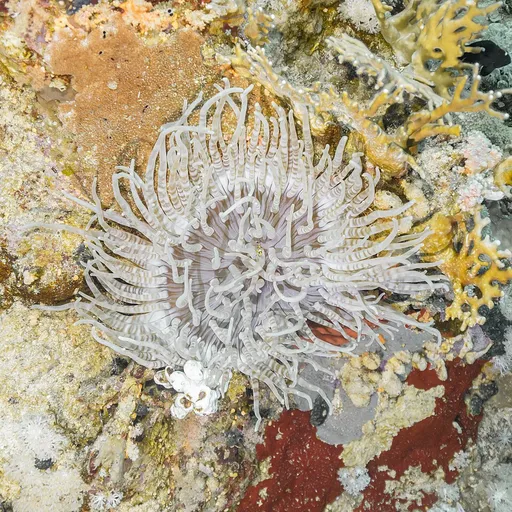
A clownfish lives inside an anemone that stings and eats other fish its size. Its mucus coat keeps the anemone's stinging cells from firing, and a new fish builds that protection up over hours of brief touches. The fish gets a refuge no predator will follow it into and a nest site at the anemone's base. The anemone gets a guard that drives off the butterflyfish that would graze its tentacles, a steady supply of nitrogen from the fish's waste, and water movement at night, when the fish fans its fins among the tentacles and the anemone takes up more oxygen. Only ten anemone species host clownfish in the wild, and each clownfish species uses its own short list of them.
Captive-bred clownfish have never seen an anemone and do not need one; they settle for a coral, a powerhead or a corner of the tank. If you want the pairing, the anemone is the harder animal by far and goes in first, into a mature tank with strong light and stable water, at the tank size its own profile lists. The bubble tip anemone is the hardy host, and the one most clownfish accept in captivity even when it is not a natural host, so a clownfish profile lists it as the usual tank host where that is the case. The sebae, magnificent and carpet anemones are marked difficult, and the carpets eat fish. Expect a paired clownfish to defend its anemone against everything else in the tank.
Weekly picks
Tank mates
Saddleback clownfish is a mostly peaceful, social species that keeps to the middle. These picks share a community profile with it, are safe together in both directions, and overlap on water type, temperature and pH.
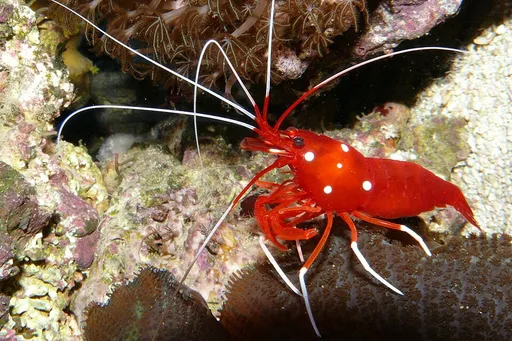
Fire shrimp
Lysmata debelius
Saltwater2.4 in (6 cm) · 20 gal (75 L)72–79°F (22–26°C)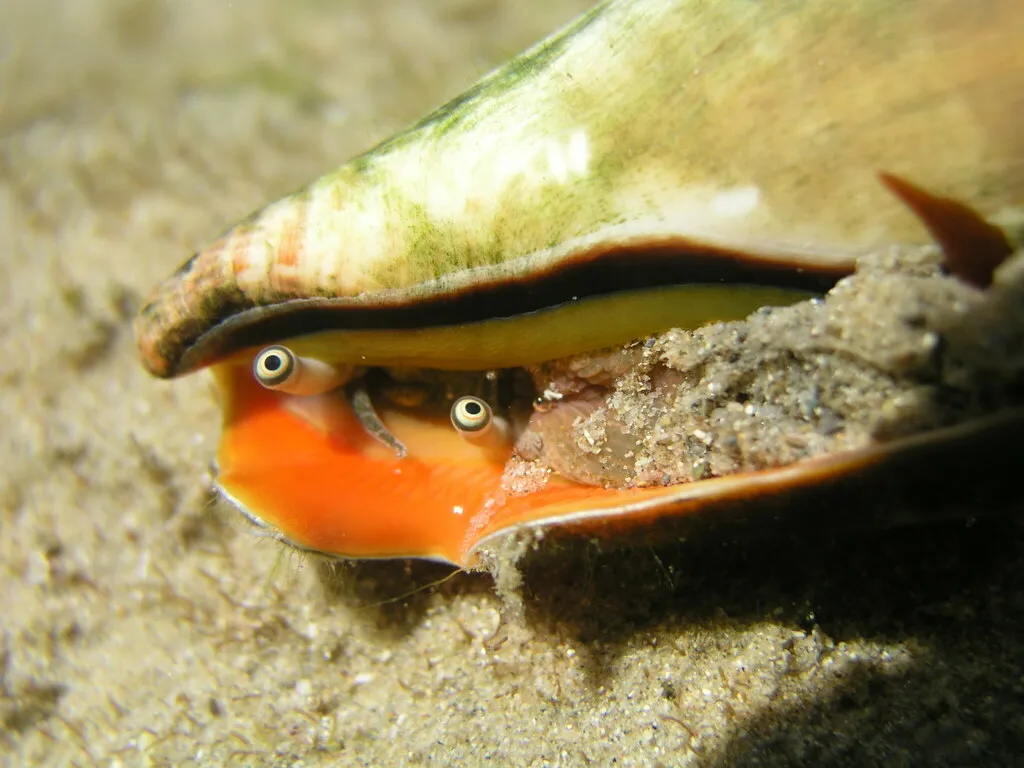
Tiger / strawberry conch
Conomurex luhuanus
Saltwater2.8 in (7 cm) · 20 gal (75 L)75–81°F (24–27°C)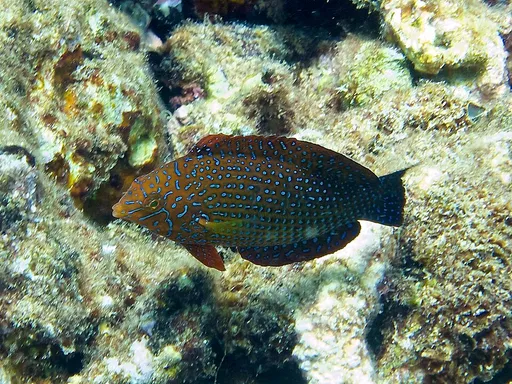
Divided leopard wrasse
Macropharyngodon bipartitus
Saltwater5.1 in (13 cm) · 55 gal (208 L)72–79°F (22–26°C)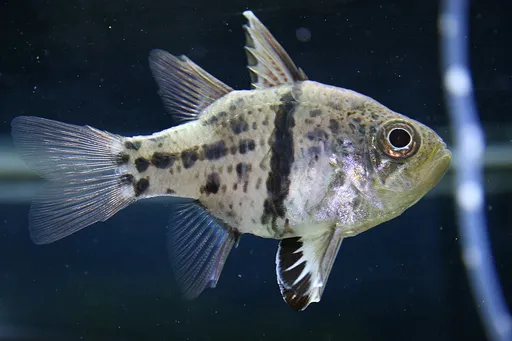
Orbiculate cardinalfish
Sphaeramia orbicularis
Saltwater3.9 in (10 cm) · 30 gal (115 L)75–82°F (24–28°C)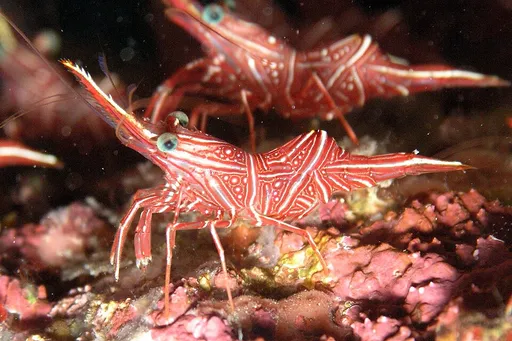
Camel / dancing shrimp
Rhynchocinetes durbanensis
Saltwater2 in (5 cm) · 16 gal (60 L)75–81°F (24–27°C)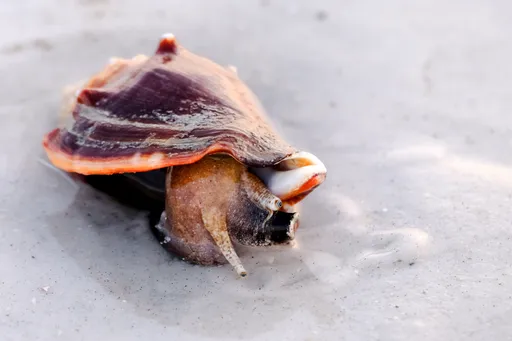
Fighting conch
Strombus alatus
Saltwater3.1 in (8 cm) · 20 gal (75 L)75–81°F (24–27°C)
Common questions
What size tank does a Saddleback clownfish need?
A Saddleback clownfish needs at least 40 gal (150 L). It spends most of its time in the middle.
What temperature and pH does a Saddleback clownfish need?
A Saddleback clownfish is comfortable at 75–82°F (24–28°C) with a pH of 8.1–8.4.
How big does a Saddleback clownfish get?
An adult Saddleback clownfish reaches about 5.1 in (13 cm).
Related species
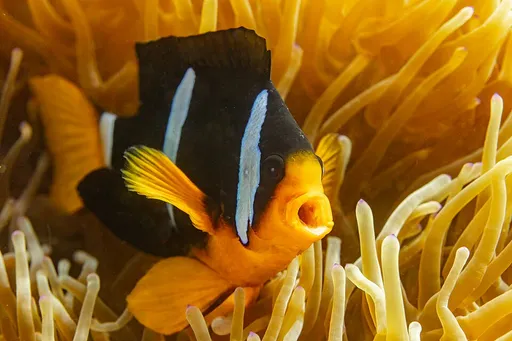 5.5 in (14 cm)30 gal (115 L)75–82°F (24–28°C)
Clark's clownfish
Amphiprion clarkii
5.5 in (14 cm) · 30 gal (115 L)
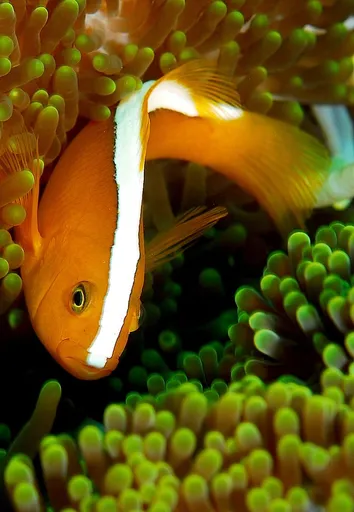 5.5 in (14 cm)30 gal (115 L)75–82°F (24–28°C)
Orange skunk clownfish
Amphiprion sandaracinos
5.5 in (14 cm) · 30 gal (115 L)
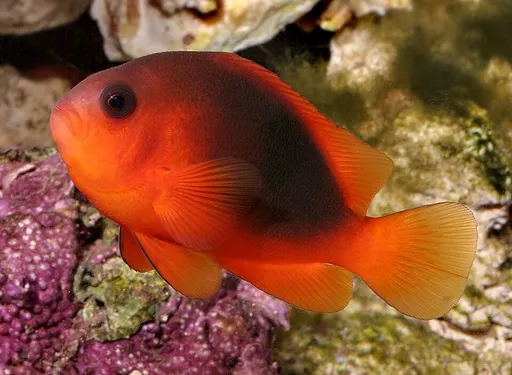 5.5 in (14 cm)30 gal (115 L)75–81°F (24–27°C)
Red saddleback anemonefish
Amphiprion ephippium
5.5 in (14 cm) · 30 gal (115 L)
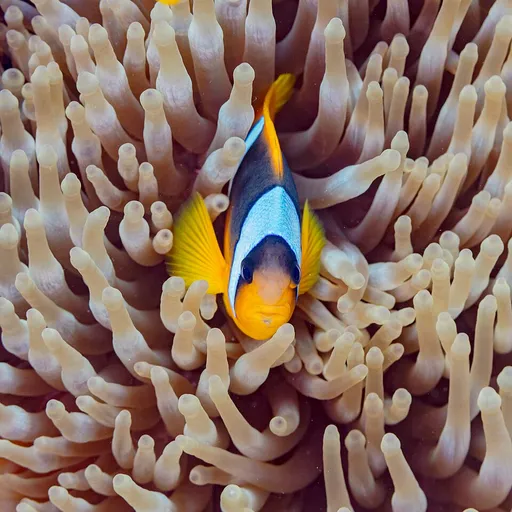 5.5 in (14 cm)30 gal (115 L)75–82°F (24–28°C)
Red Sea clownfish
Amphiprion bicinctus
5.5 in (14 cm) · 30 gal (115 L)
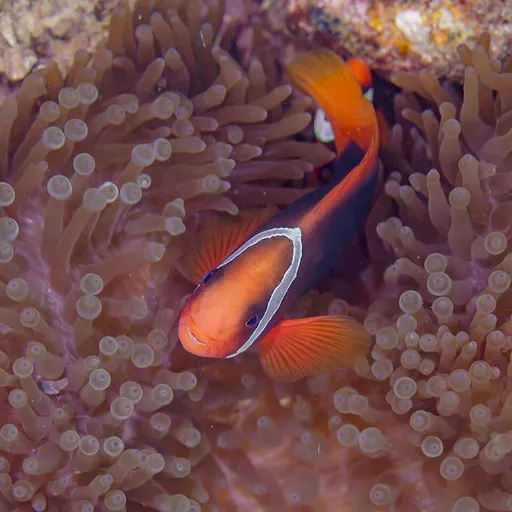 5.5 in (14 cm)30 gal (115 L)75–82°F (24–28°C)
Tomato clownfish
Amphiprion frenatus
5.5 in (14 cm) · 30 gal (115 L)
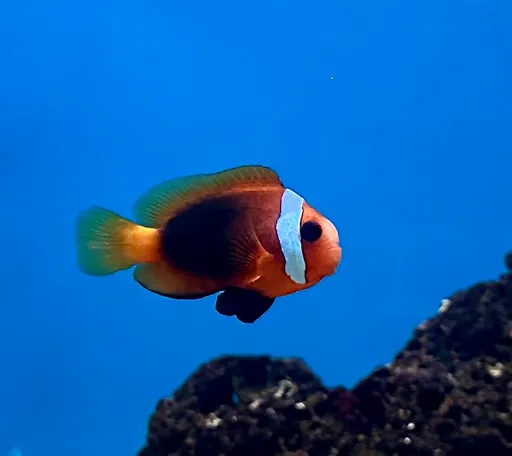 4.7 in (12 cm)30 gal (115 L)75–82°F (24–28°C)
Cinnamon clownfish
Amphiprion melanopus
4.7 in (12 cm) · 30 gal (115 L)