One species · 17 varieties
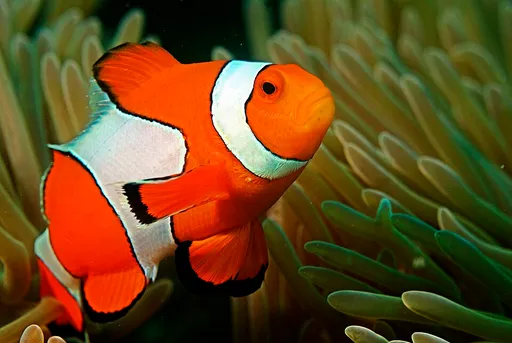
Ocellaris clownfish
Amphiprion ocellaris
Also known as False Percula Clownfish, Common Clownfish, Nemo
SaltwaterFish
Care at a glance
- Temperature
- 75–82°F
- 24–28°C
- pH
- 8.1–8.4
- Adult size
- 3.1 in
- 8 cm
- Minimum tank
- 20 gal
- 75 L
- Temperament
- Mostly peaceful
- Social behavior
- Social
- Swim level
- Middle
- Difficulty
- Beginner
- Breeding
- Easy
- Rarity
- Very common
- Reef safe
- Reef safe
- Family
- Pomacentridae
- Origin
- Indo-Pacific
Pick a variety
One setup covers every line on this page: care is the species' care.
Pattern lines
20 gal (75 L) minimum · grows to 3.1 in (8 cm) · 75–82°F (24–28°C) · pH 8.1–8.4
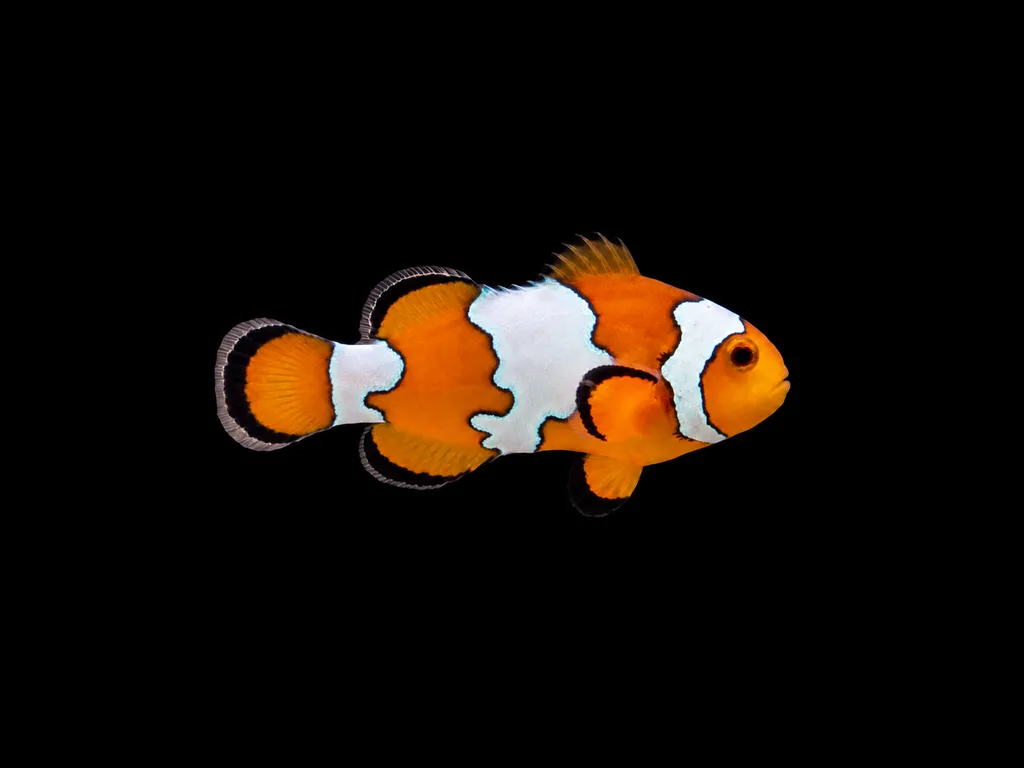
Snowflake clownfish
white bars widen into irregular patches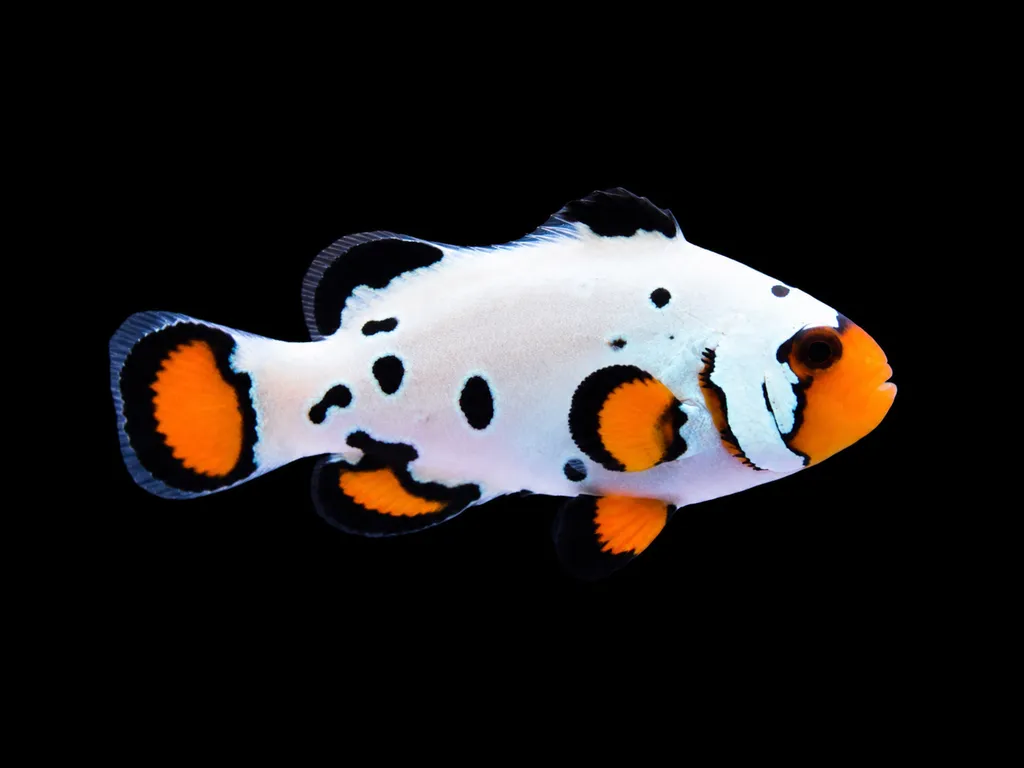
Frostbite clownfish
jagged white coverage well beyond snowflake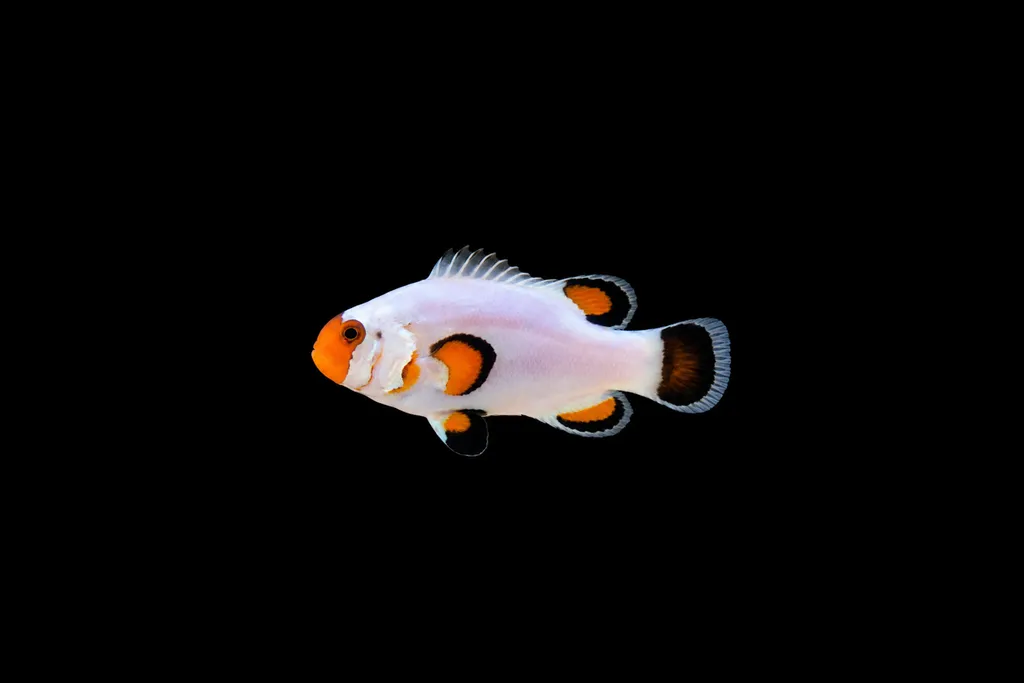
Wyoming White clownfish
solid white body with orange face and fins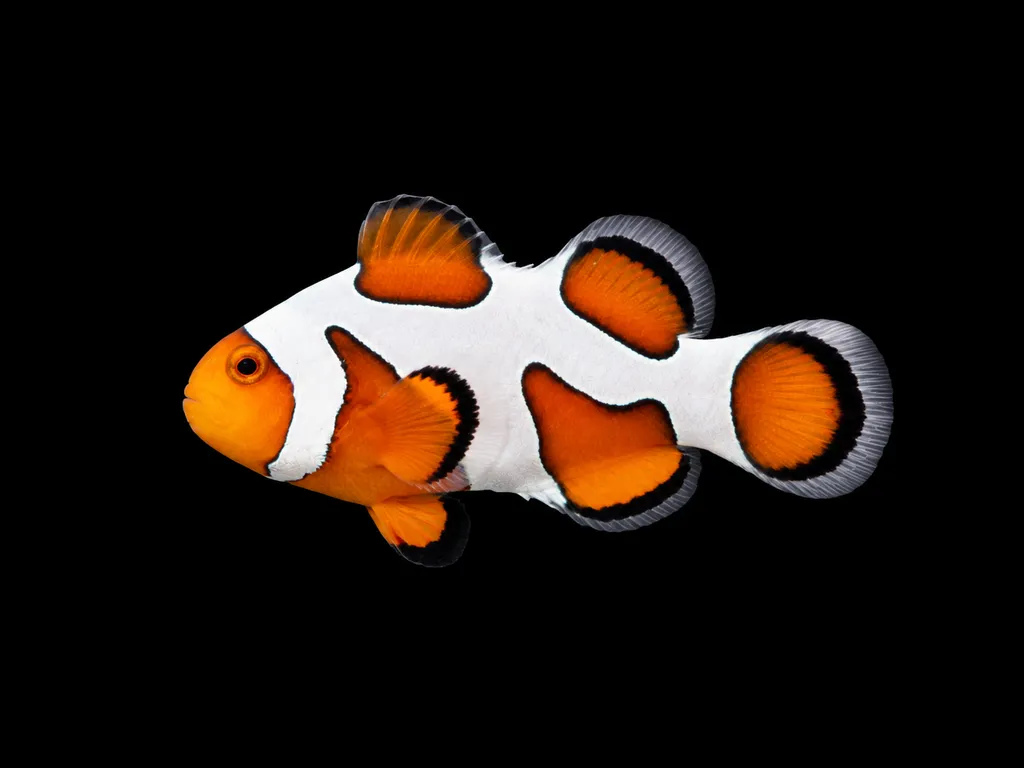
DaVinci clownfish
bars sweep and connect along the flank; also sold as fancy white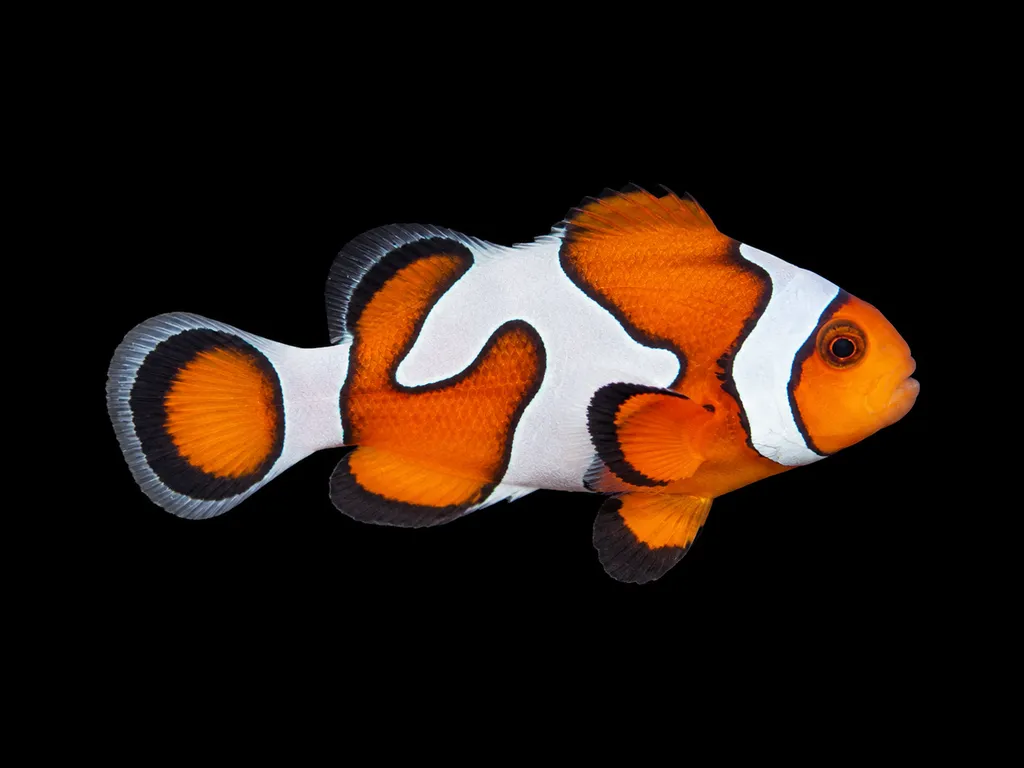
Gladiator clownfish
ORA's name for the DaVinci pattern; bars sweep back and nearly join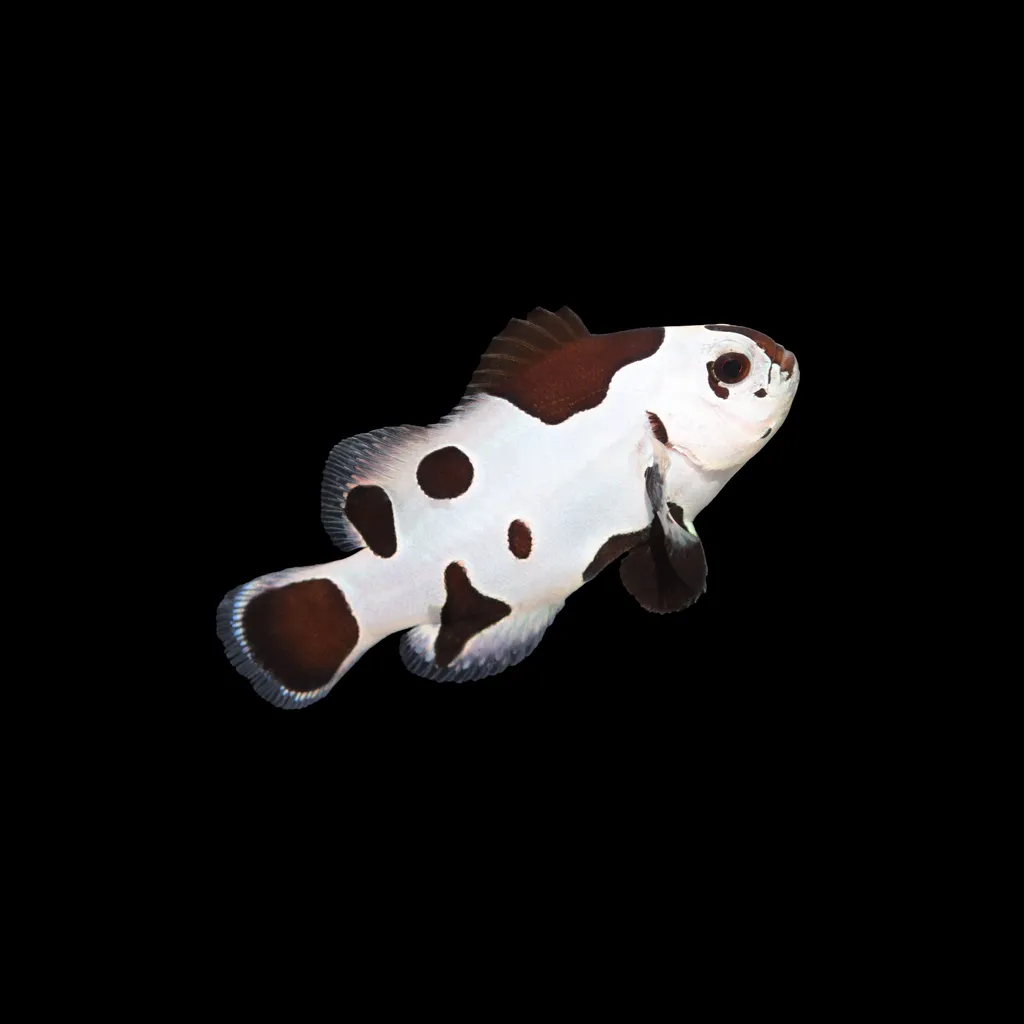
Black Storm clownfish
white marbling over a black Darwin base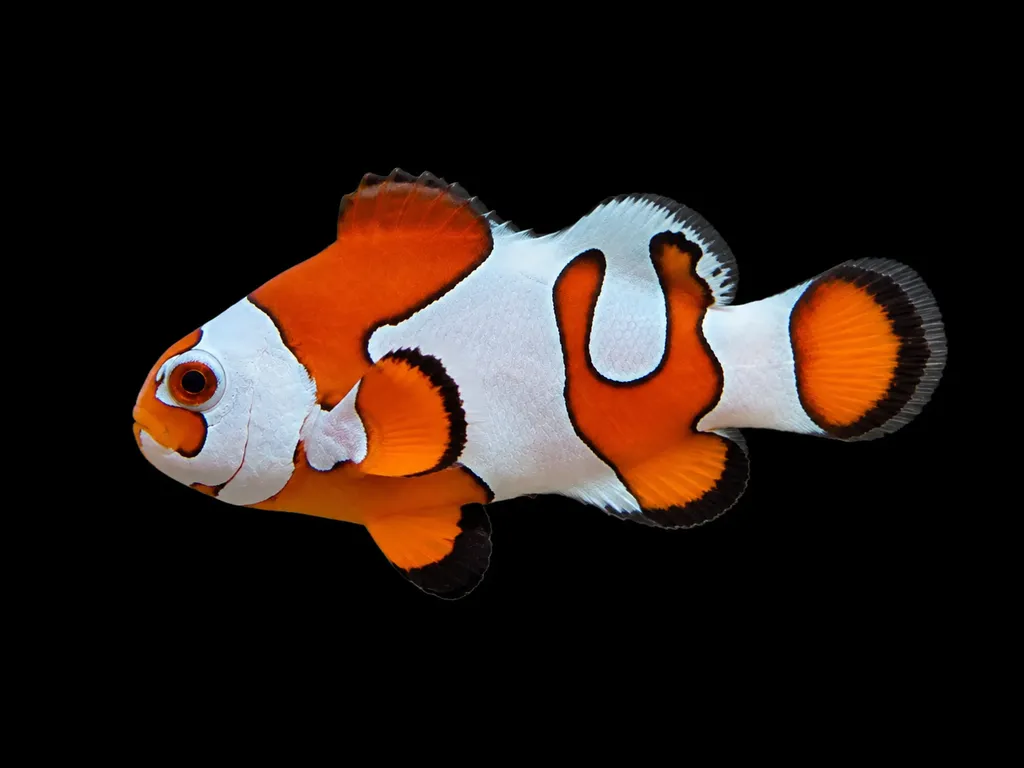
Orange Storm clownfish
storm marbling over an orange body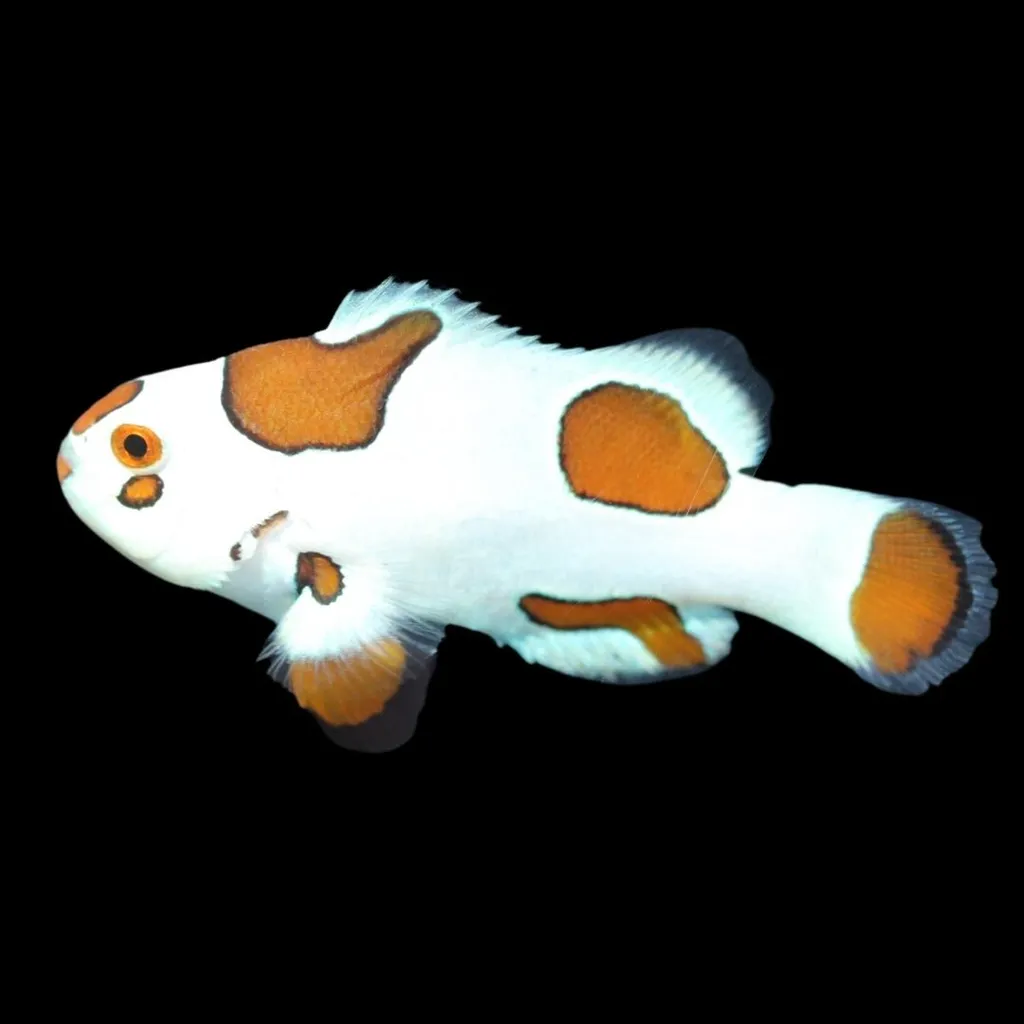
Mocha Storm clownfish
storm marbling on a coffee-brown base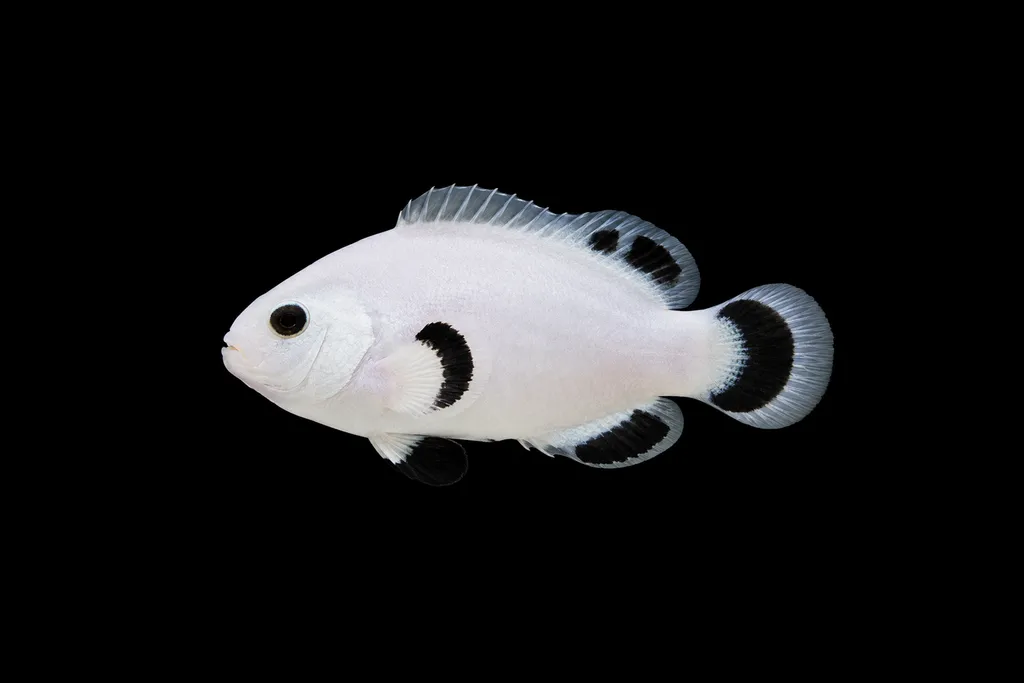
Snow Storm clownfish
storm line bred toward a nearly solid white body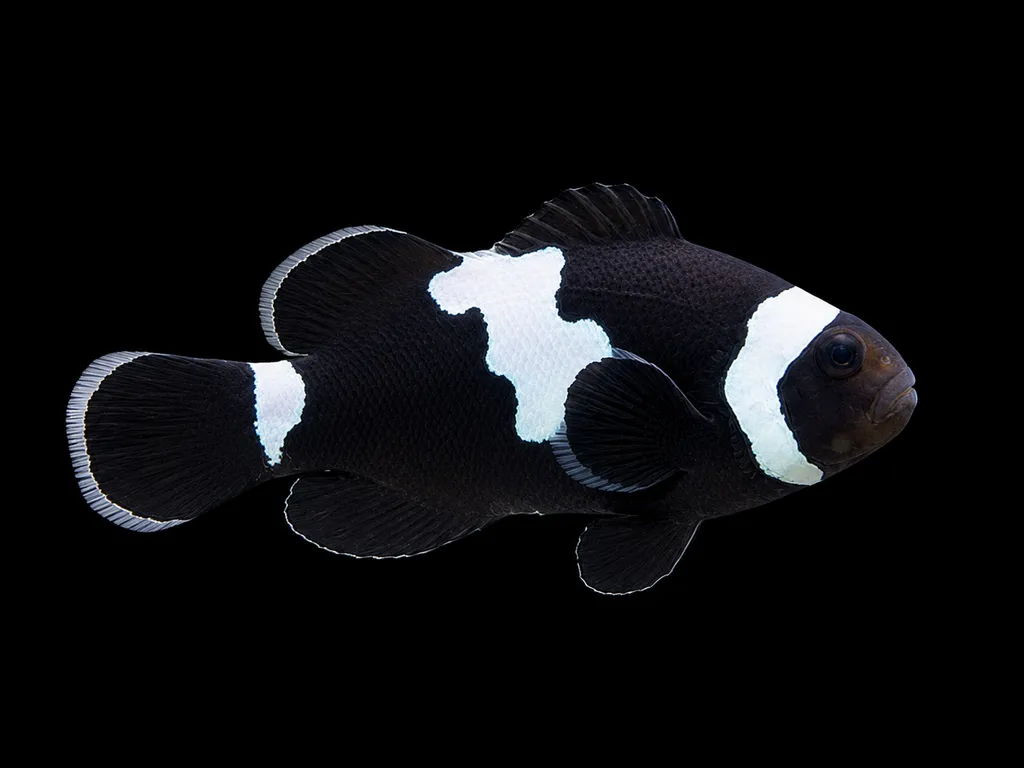
Midnight Lightning clownfish
fine white filigree over a near-black body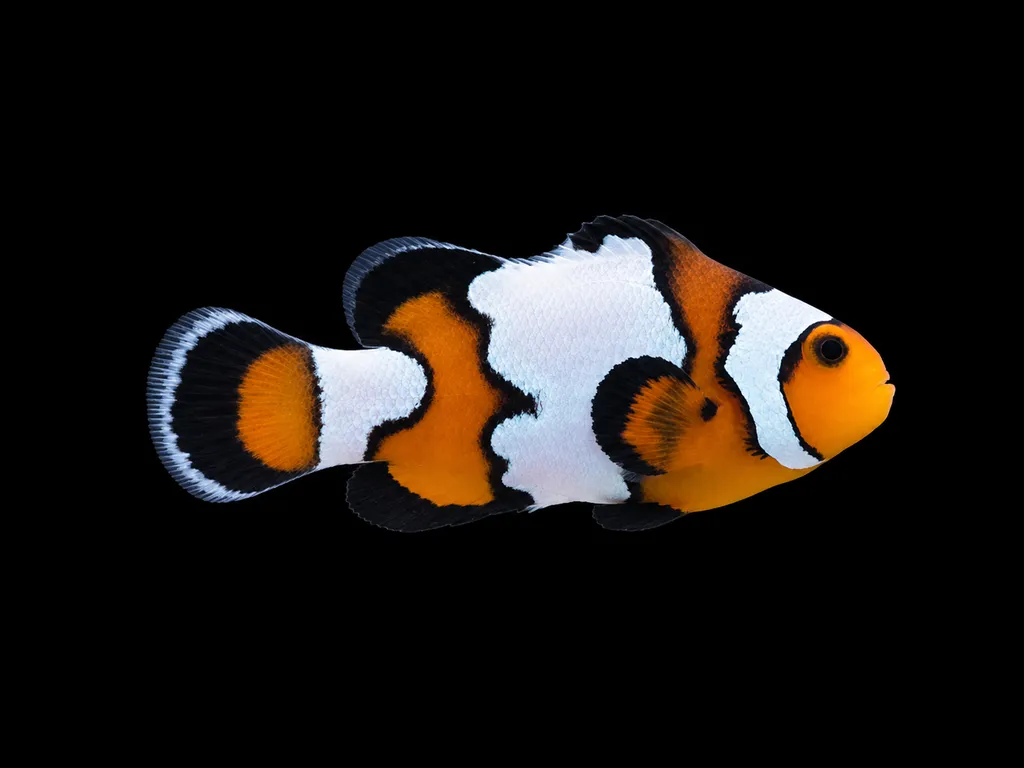
Black Ice clownfish
snowflake pattern with salt-and-pepper dark edging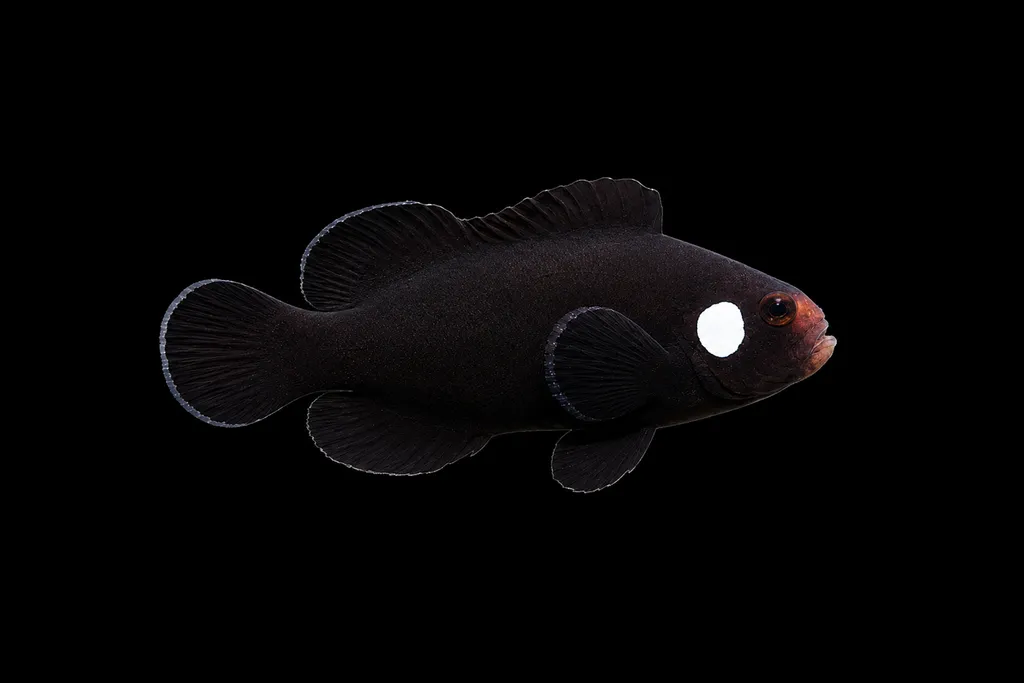
Domino clownfish
dark body with a single white head spot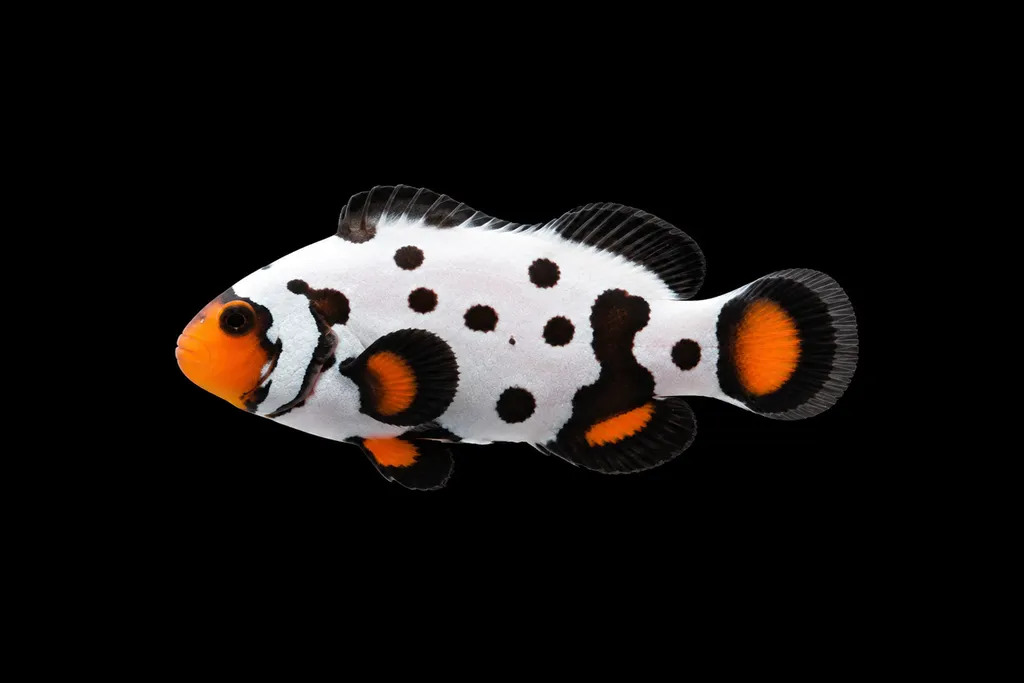
Dalmatian clownfish
scattered dark freckling; spotting varies fish to fish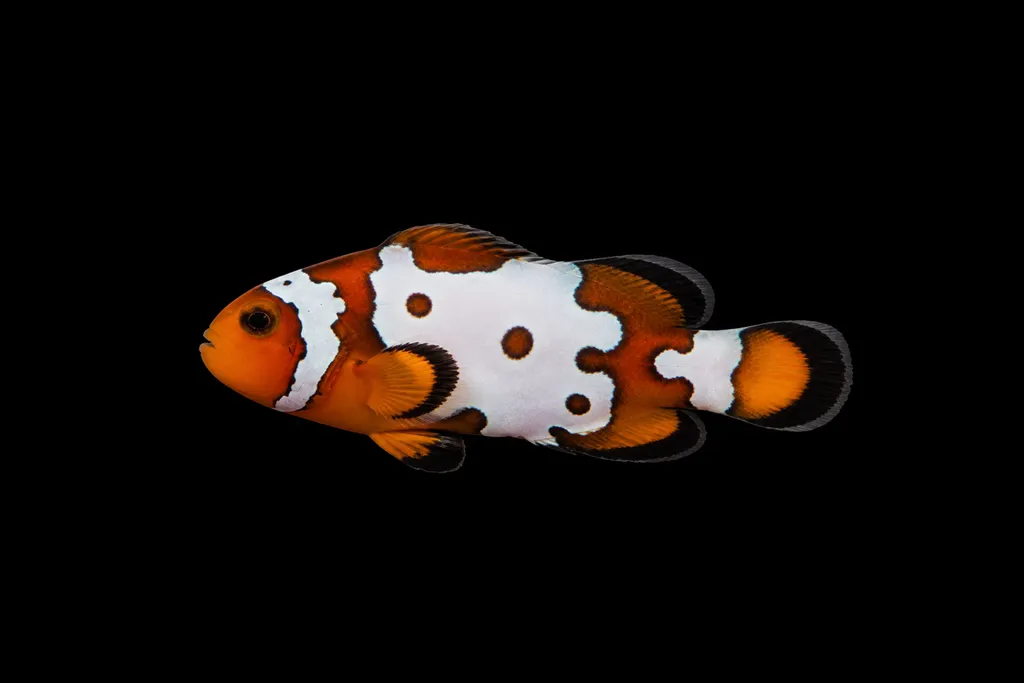
Bullet Hole clownfish
round white spots punched outside the bars
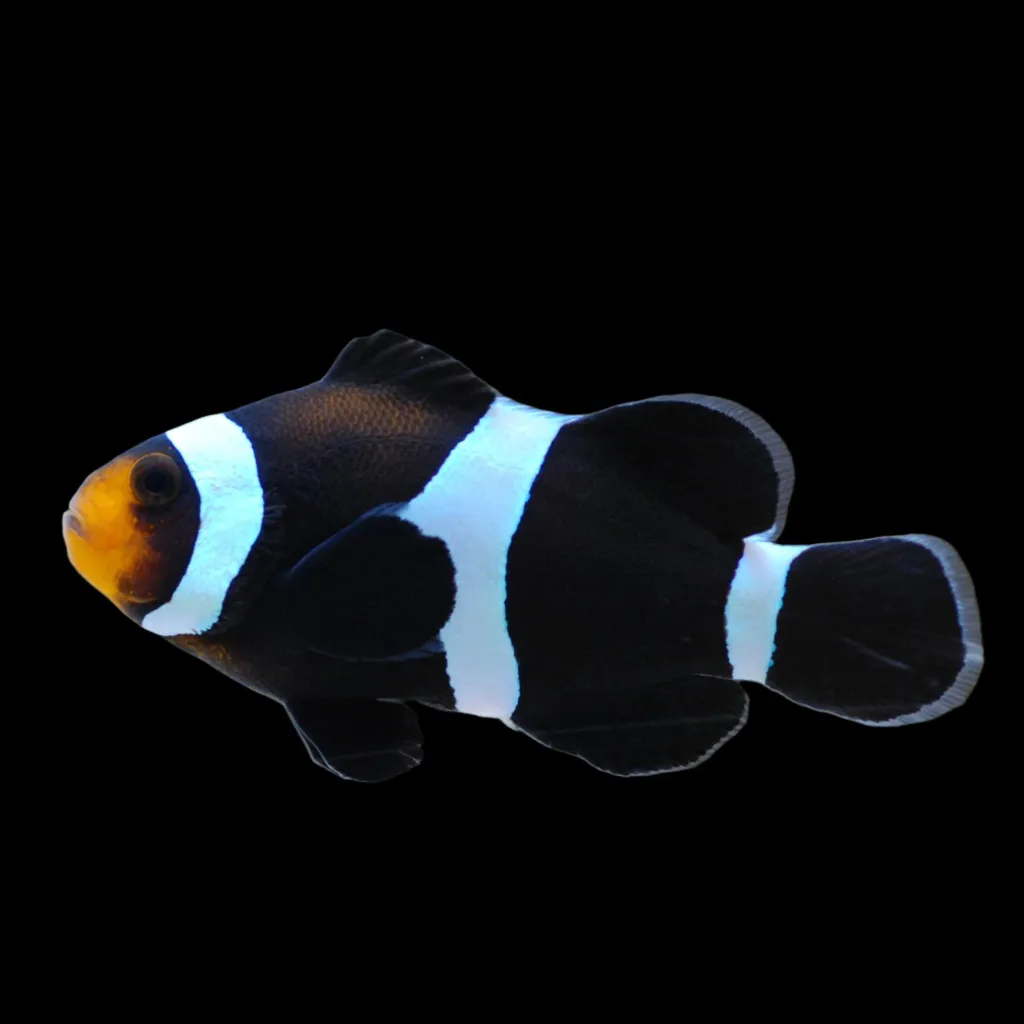
Color bases
20 gal (75 L) minimum · grows to 3.1 in (8 cm) · 75–82°F (24–28°C) · pH 8.1–8.4
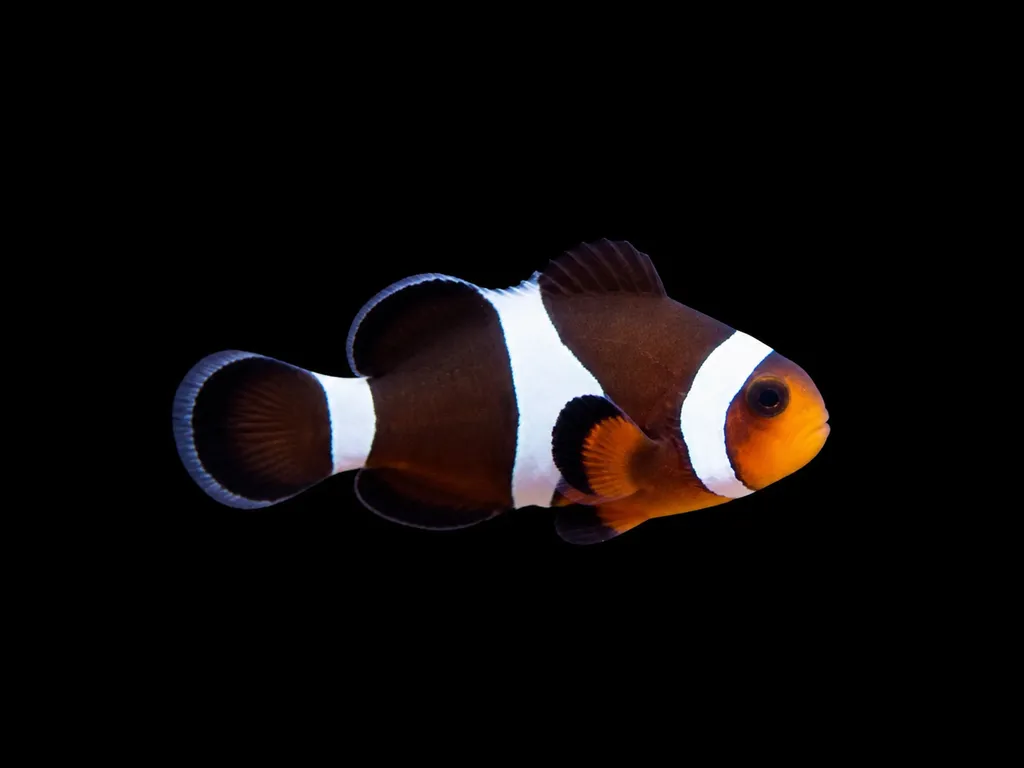
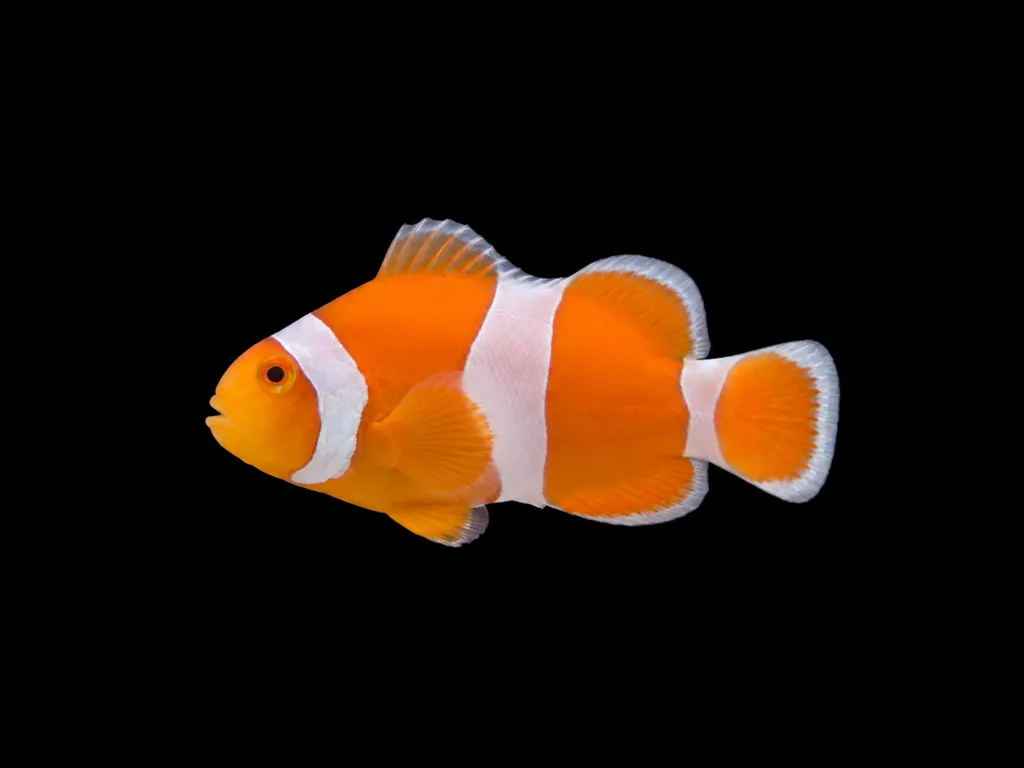
Overview
A hardy, easygoing fish that is a great choice for a first saltwater tank. It stays in a small territory around its chosen host and rarely bothers other species, though it can be territorial toward other clownfish and will usually harass a second clown that is not its mate. Best kept singly or as a bonded pair. Accepts virtually all prepared, frozen, and live foods.
In the wild
Lives in warm, shallow coral reefs and lagoons across the Indo-Pacific, almost always nestled in a host anemone that shelters it from predators. The clownfish's protective slime coat lets it live unharmed among the anemone's stinging tentacles, and the two share a well known partnership. In the aquarium it will happily settle near a host anemone, certain corals, or even just a corner of the rockwork.
Good to know
All clownfish are born male and are sequential hermaphrodites (protandrous), meaning the largest and most dominant fish in a group becomes the female. If she dies, the top-ranking male changes sex to replace her. A. ocellaris is one of the most widely captive-bred marine fish, which is why tank-raised stock is so hardy and readily available.
Did you know
It does not need a live anemone to thrive in captivity and will often adopt a coral, a powerhead, or a patch of rock as a surrogate home instead.
Symbiotic relationships
Clownfish and their host anemones
A clownfish lives inside an anemone that stings and eats other fish its size. Its mucus coat keeps the anemone's stinging cells from firing, and a new fish builds that protection up over hours of brief touches. The fish gets a refuge no predator will follow it into and a nest site at the anemone's base. The anemone gets a guard that drives off the butterflyfish that would graze its tentacles, a steady supply of nitrogen from the fish's waste, and water movement at night, when the fish fans its fins among the tentacles and the anemone takes up more oxygen. Only ten anemone species host clownfish in the wild, and each clownfish species uses its own short list of them.
Captive-bred clownfish have never seen an anemone and do not need one; they settle for a coral, a powerhead or a corner of the tank. If you want the pairing, the anemone is the harder animal by far and goes in first, into a mature tank with strong light and stable water, at the tank size its own profile lists. The bubble tip anemone is the hardy host, and the one most clownfish accept in captivity even when it is not a natural host, so a clownfish profile lists it as the usual tank host where that is the case. The sebae, magnificent and carpet anemones are marked difficult, and the carpets eat fish. Expect a paired clownfish to defend its anemone against everything else in the tank.
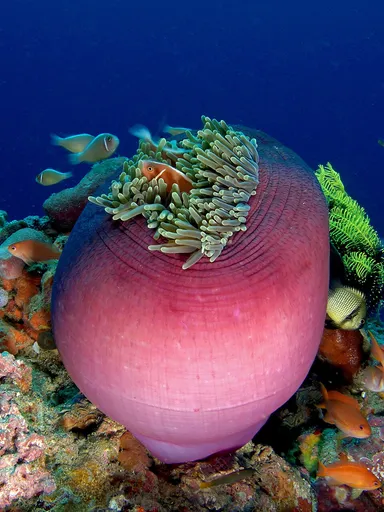
Magnificent anemone
Heteractis magnifica
Saltwater19.7 in (50 cm) · 53 gal (200 L)75–81°F (24–27°C)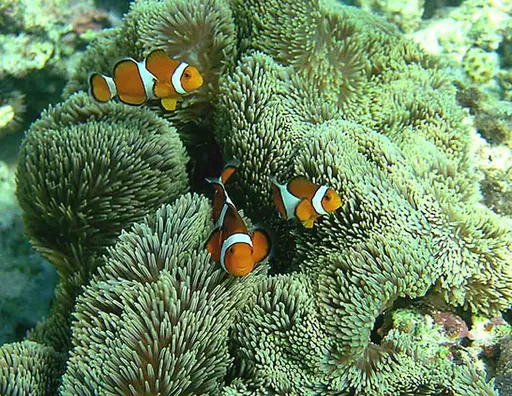
Gigantea carpet anemone
Stichodactyla gigantea
Saltwater19.7 in (50 cm) · 53 gal (200 L)75–81°F (24–27°C)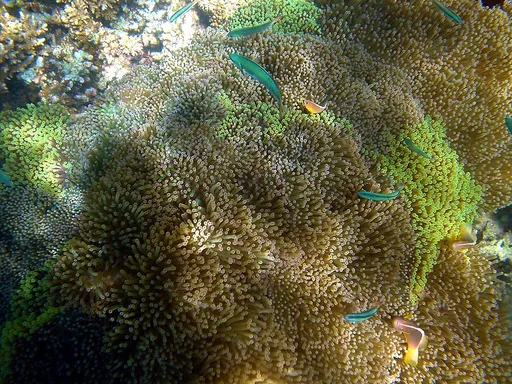
Mertens' carpet anemone
Stichodactyla mertensii
Saltwater35.4 in (90 cm) · 53 gal (200 L)75–81°F (24–27°C)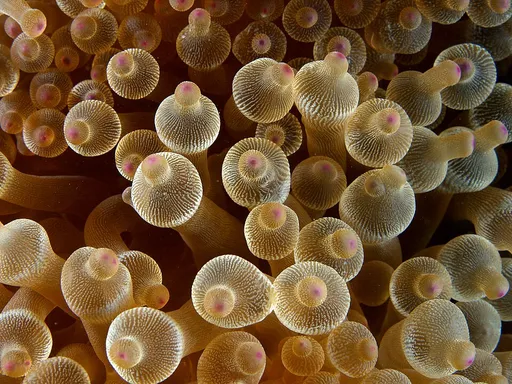
Bubble tip anemone
Entacmaea quadricolor
Saltwater11.8 in (30 cm) · 30 gal (115 L)75–81°F (24–27°C)Usual tank host, not a natural one
Weekly picks
Tank mates
Every variety on this page wants the same water, so one set of picks fits them all. These picks match on water type, temperature, pH, size and temperament.
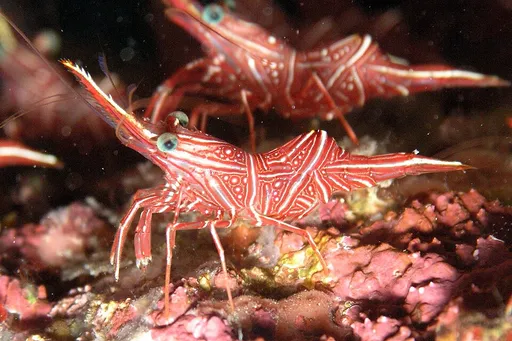
Camel / dancing shrimp
Rhynchocinetes durbanensis
Saltwater2 in (5 cm) · 16 gal (60 L)75–81°F (24–27°C)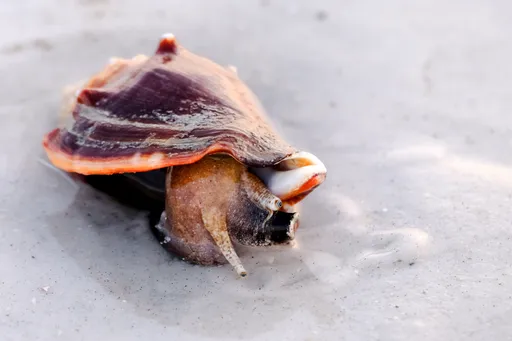
Fighting conch
Strombus alatus
Saltwater3.1 in (8 cm) · 20 gal (75 L)75–81°F (24–27°C)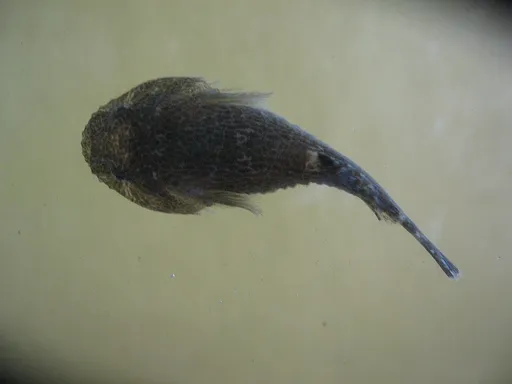
Skilletfish
Gobiesox strumosus
Saltwater3.1 in (8 cm) · 20 gal (76 L)72–79°F (22–26°C)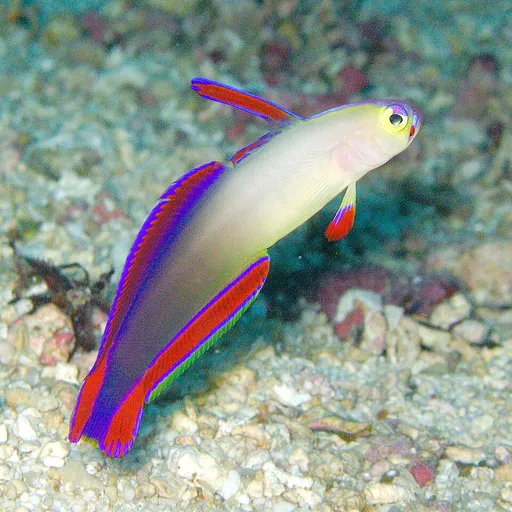
Purple firefish
Nemateleotris decora
Saltwater3.5 in (9 cm) · 20 gal (75 L)72–79°F (22–26°C)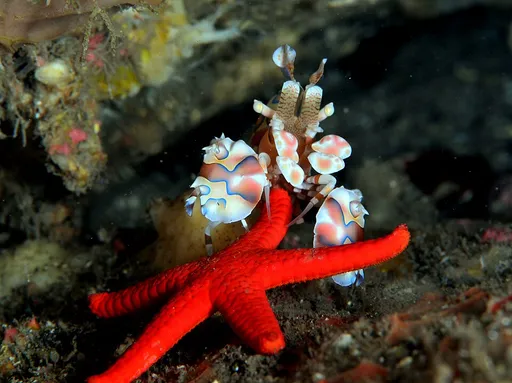
Harlequin shrimp
Hymenocera picta
Saltwater2 in (5 cm) · 11 gal (40 L)75–81°F (24–27°C)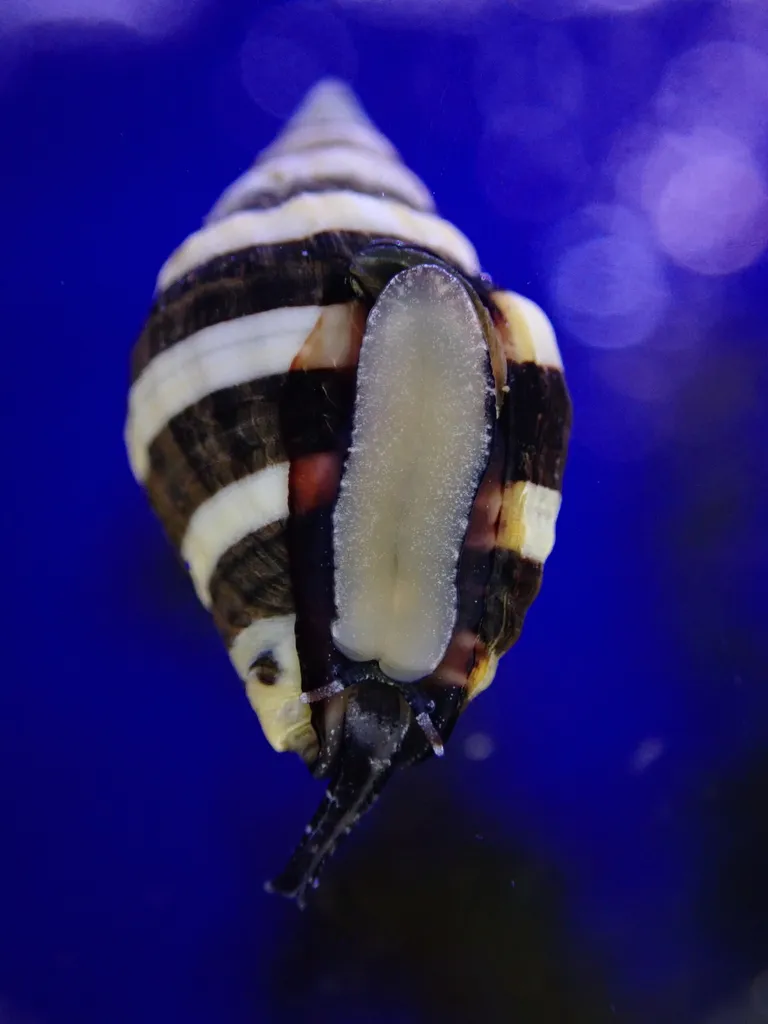
Bumble bee snail
Engina mendicaria
Saltwater0.8 in (2 cm) · 11 gal (40 L)75–81°F (24–27°C)
Common questions
What size tank does an Ocellaris clownfish need?
An Ocellaris clownfish needs at least 20 gal (75 L). It spends most of its time in the middle.
What temperature and pH does an Ocellaris clownfish need?
An Ocellaris clownfish is comfortable at 75–82°F (24–28°C) with a pH of 8.1–8.4.
How big does an Ocellaris clownfish get?
An adult Ocellaris clownfish reaches about 3.1 in (8 cm).
Related species
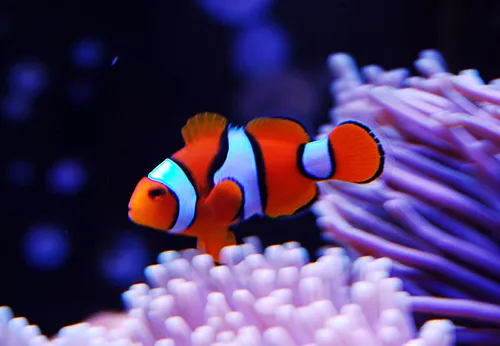 3.1 in (8 cm)20 gal (75 L)75–82°F (24–28°C)
Percula clownfish
Amphiprion percula
3.1 in (8 cm) · 20 gal (75 L)
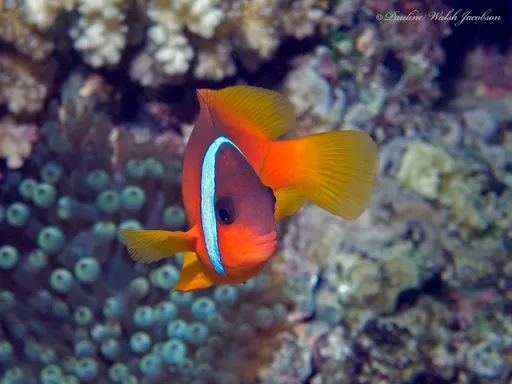 3.5 in (9 cm)30 gal (115 L)75–81°F (24–27°C)
Barberi clownfish
Amphiprion barberi
3.5 in (9 cm) · 30 gal (115 L)
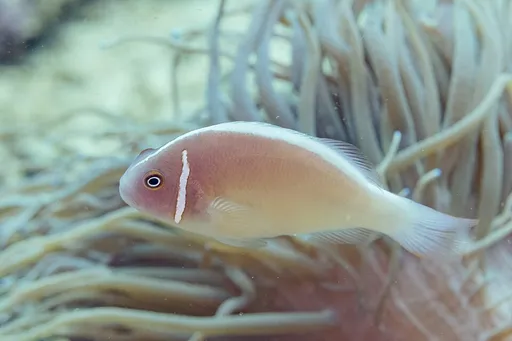 3.9 in (10 cm)30 gal (115 L)75–82°F (24–28°C)
Pink skunk clownfish
Amphiprion perideraion
3.9 in (10 cm) · 30 gal (115 L)
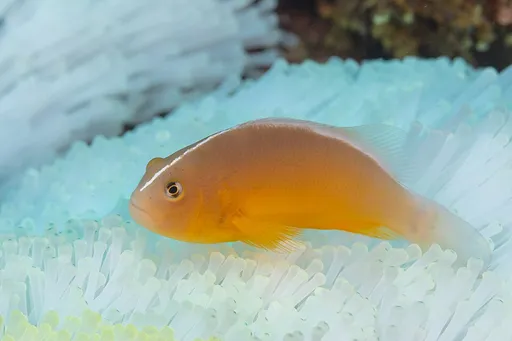 4.3 in (11 cm)26 gal (100 L)75–82°F (24–28°C)
Skunk clownfish
Amphiprion akallopisos
4.3 in (11 cm) · 26 gal (100 L)
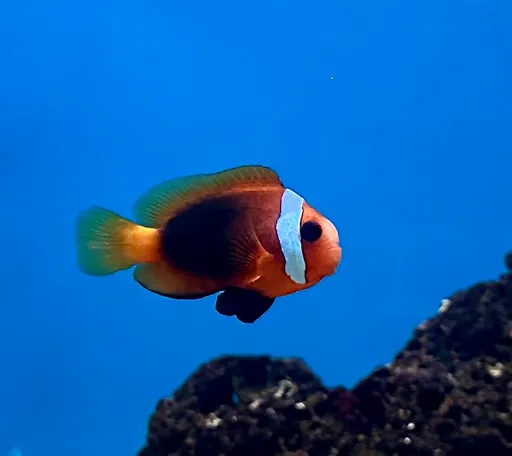 4.7 in (12 cm)30 gal (115 L)75–82°F (24–28°C)
Cinnamon clownfish
Amphiprion melanopus
4.7 in (12 cm) · 30 gal (115 L)
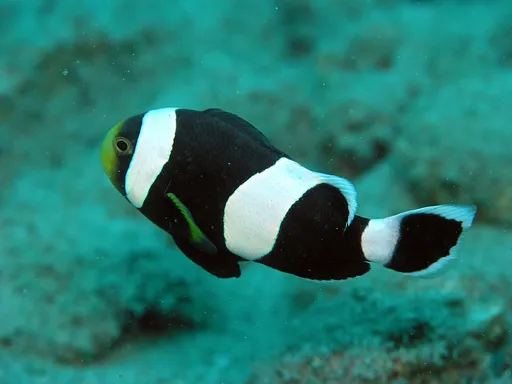 5.1 in (13 cm)40 gal (150 L)75–82°F (24–28°C)
Saddleback clownfish
Amphiprion polymnus
5.1 in (13 cm) · 40 gal (150 L)