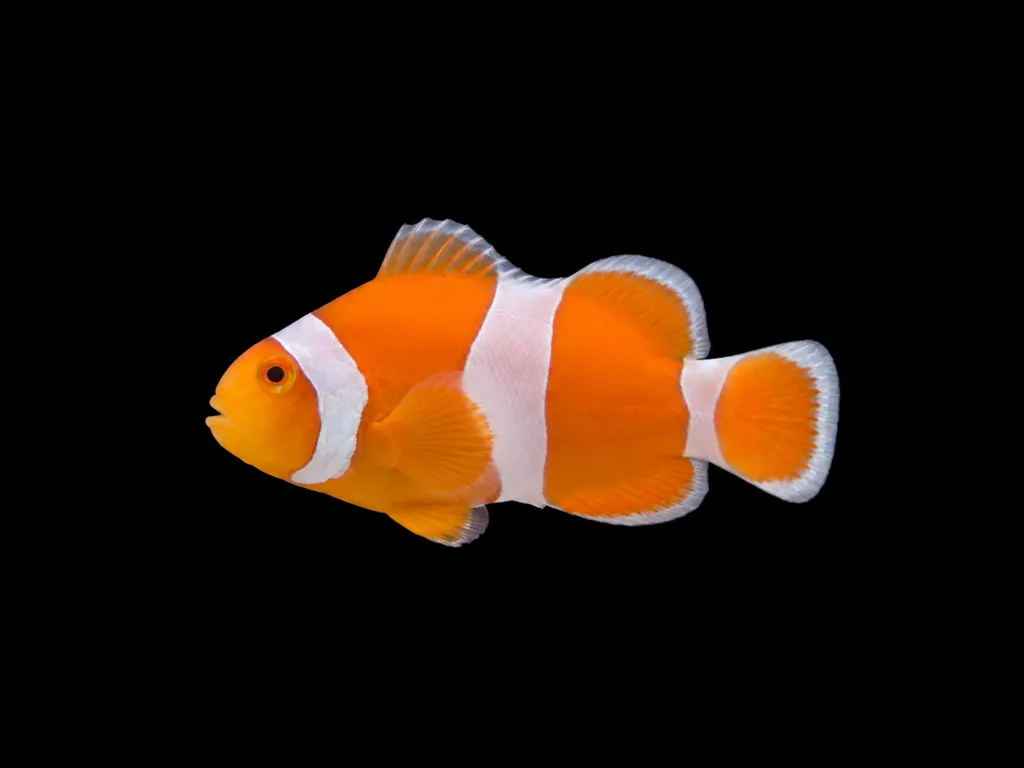
Variety of Ocellaris clownfish
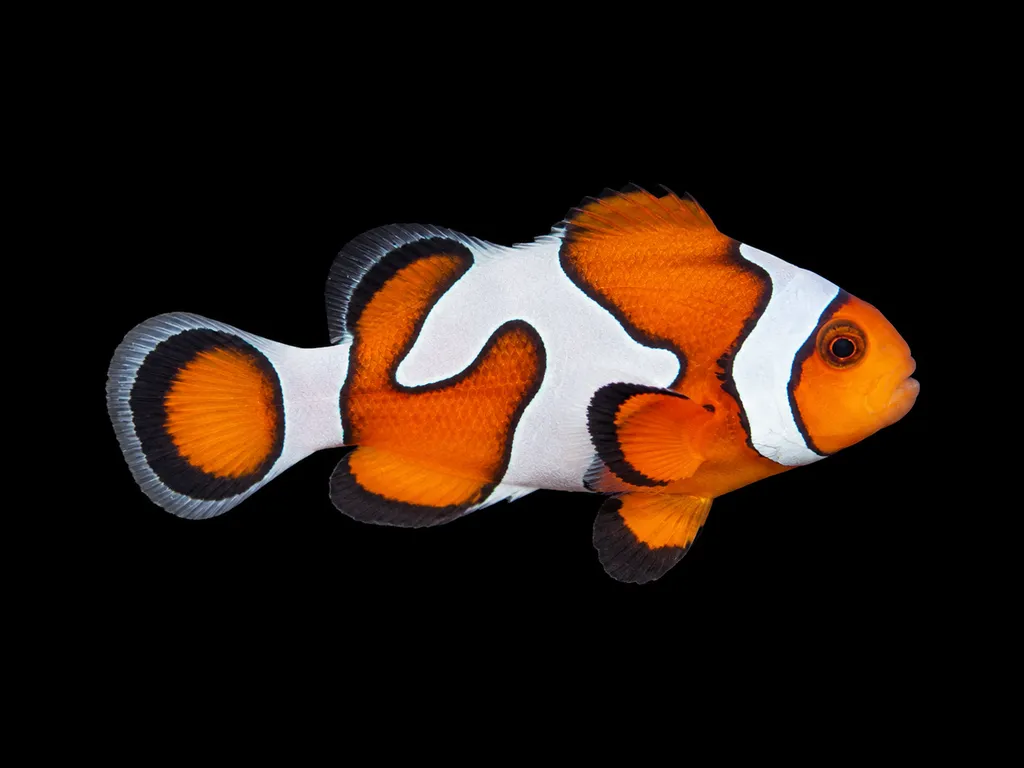
Gladiator clownfish
Amphiprion ocellaris
One of 17 varieties of Amphiprion ocellaris · See all varieties →
SaltwaterFish
Varieties · Amphiprion ocellaris
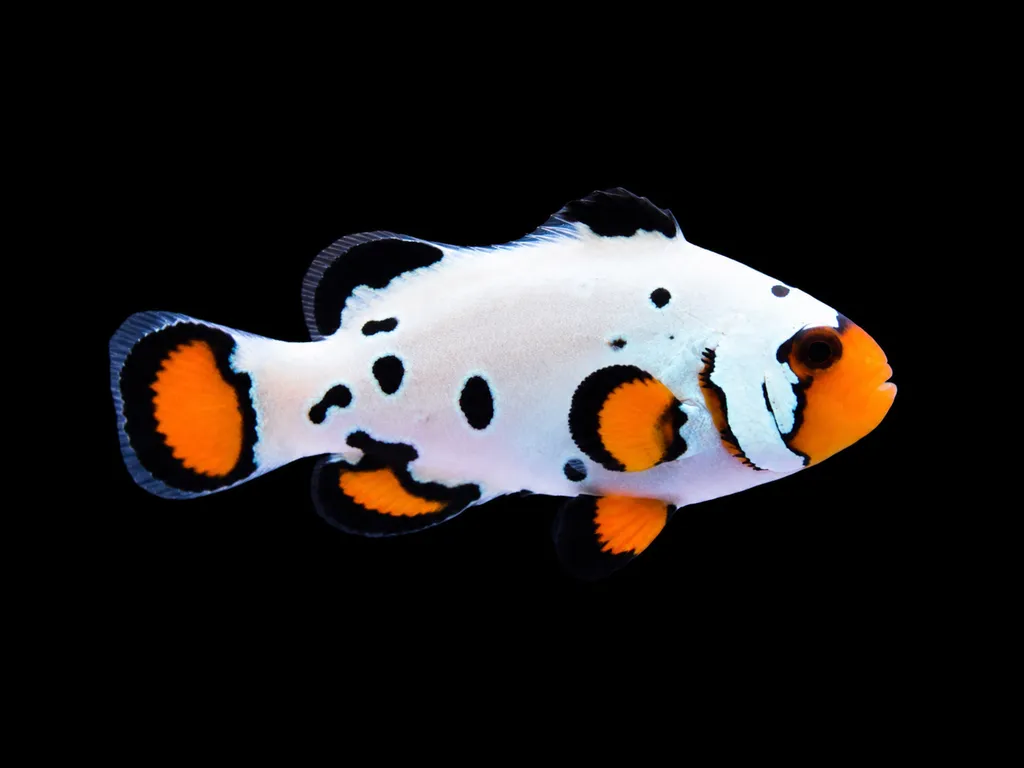
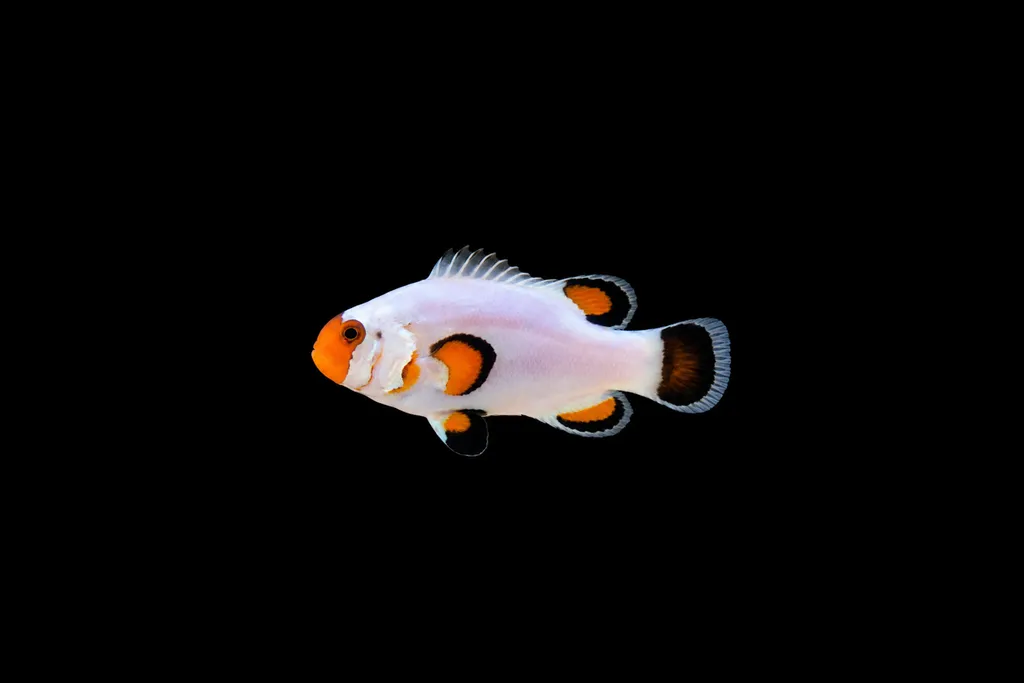
See all 17 →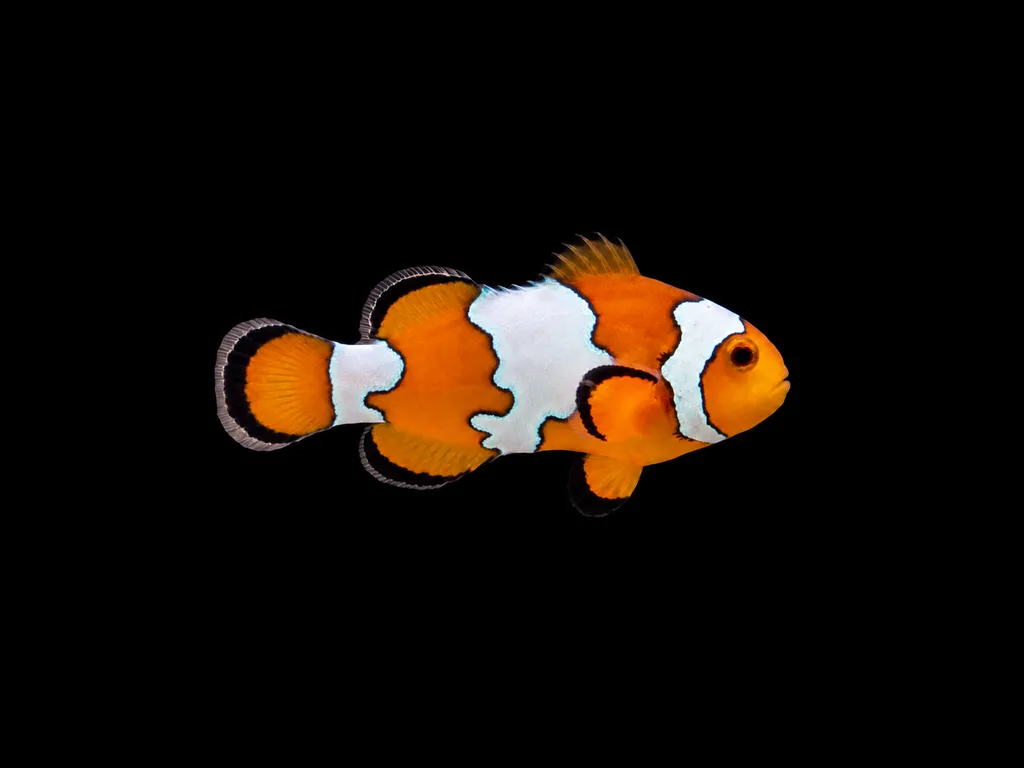
Care at a glance
- Temperature
- 75–82°F
- 24–28°C
- pH
- 8.1–8.4
- Adult size
- 3.1 in
- 8 cm
- Minimum tank
- 20 gal
- 75 L
- Temperament
- Mostly peaceful
- Social behavior
- Social
- Swim level
- Middle
- Difficulty
- Beginner
- Breeding
- Easy
- Rarity
- Very common
- Reef safe
- Reef safe
- Family
- Pomacentridae
Overview
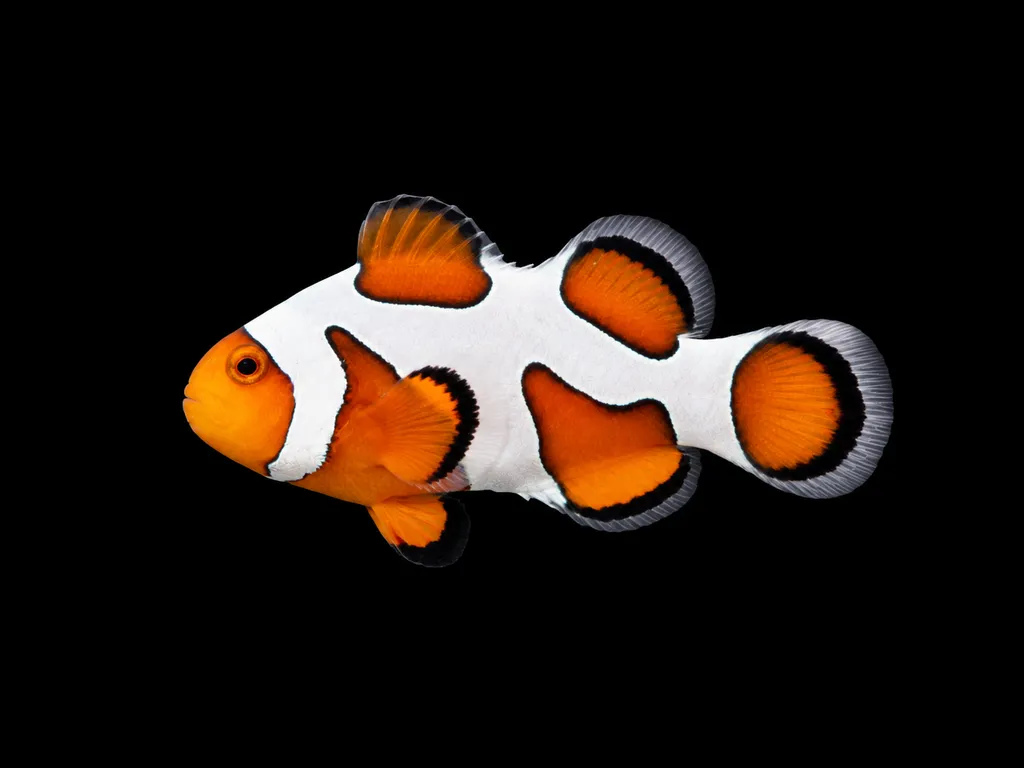
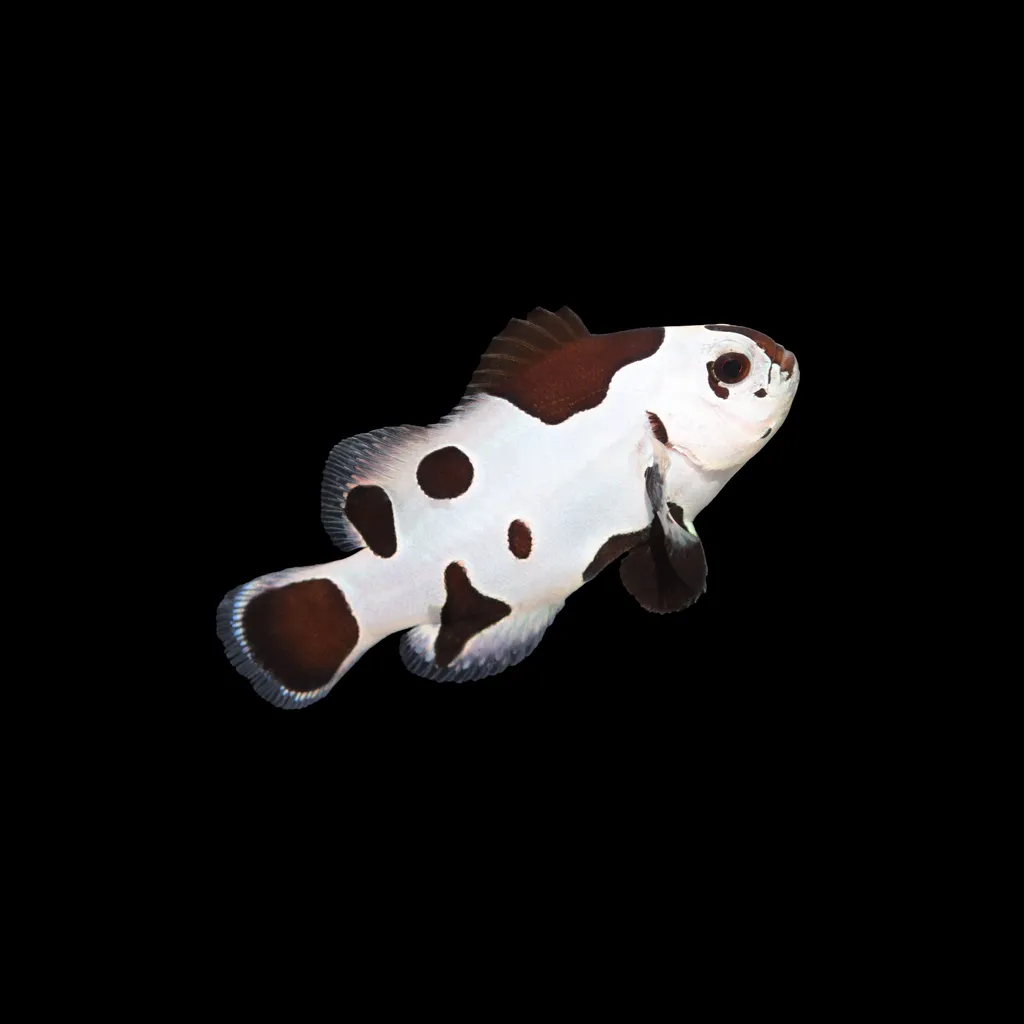
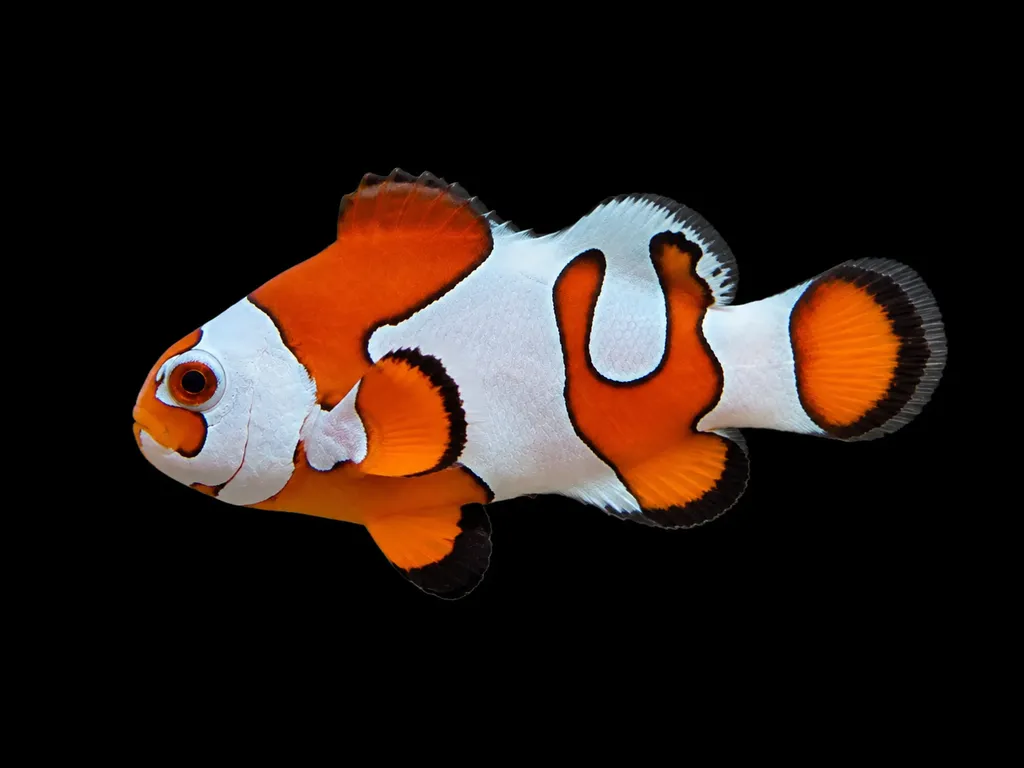
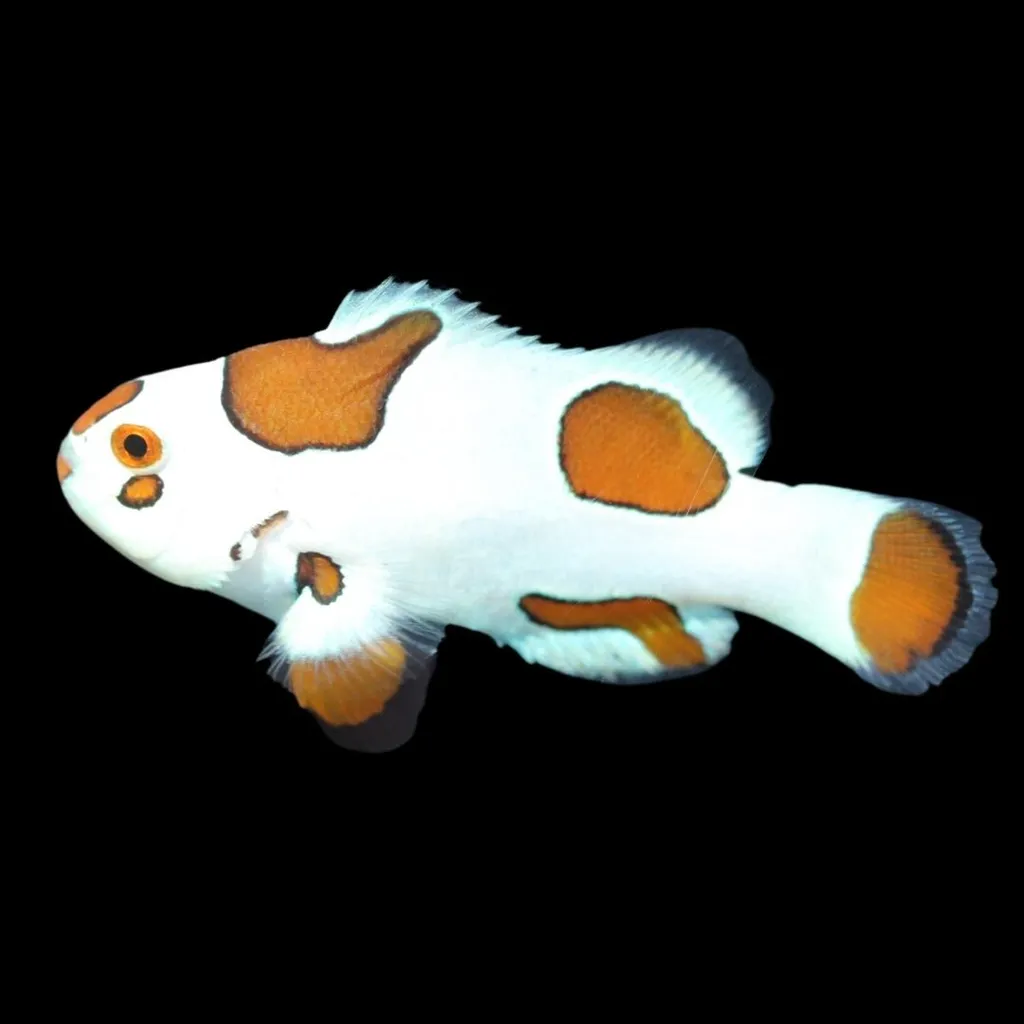
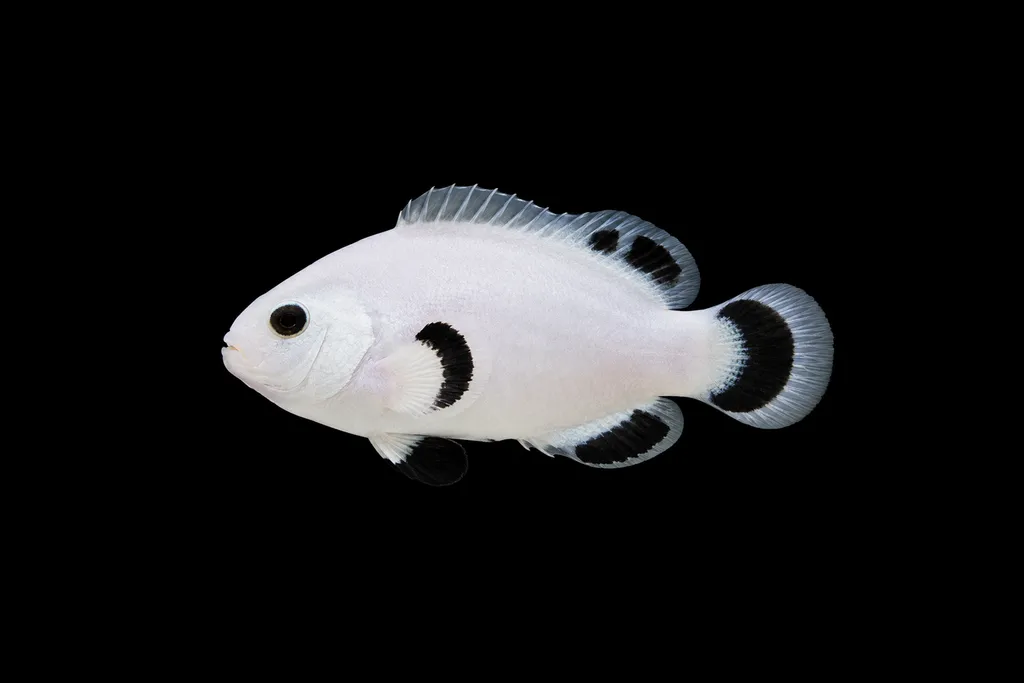
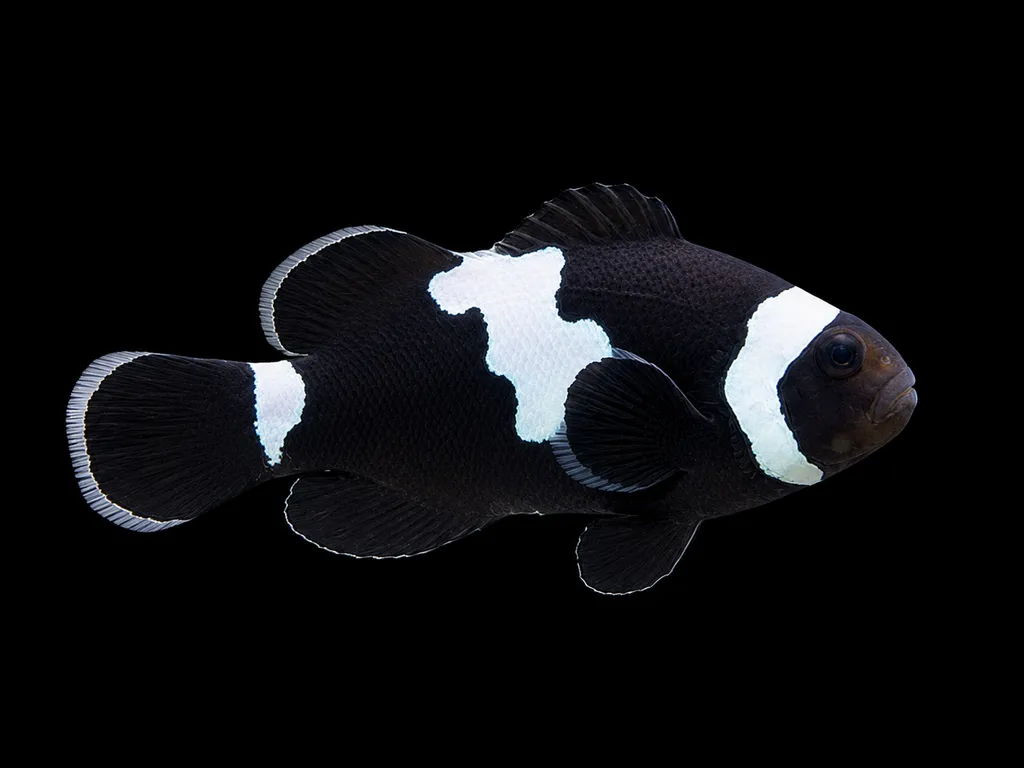
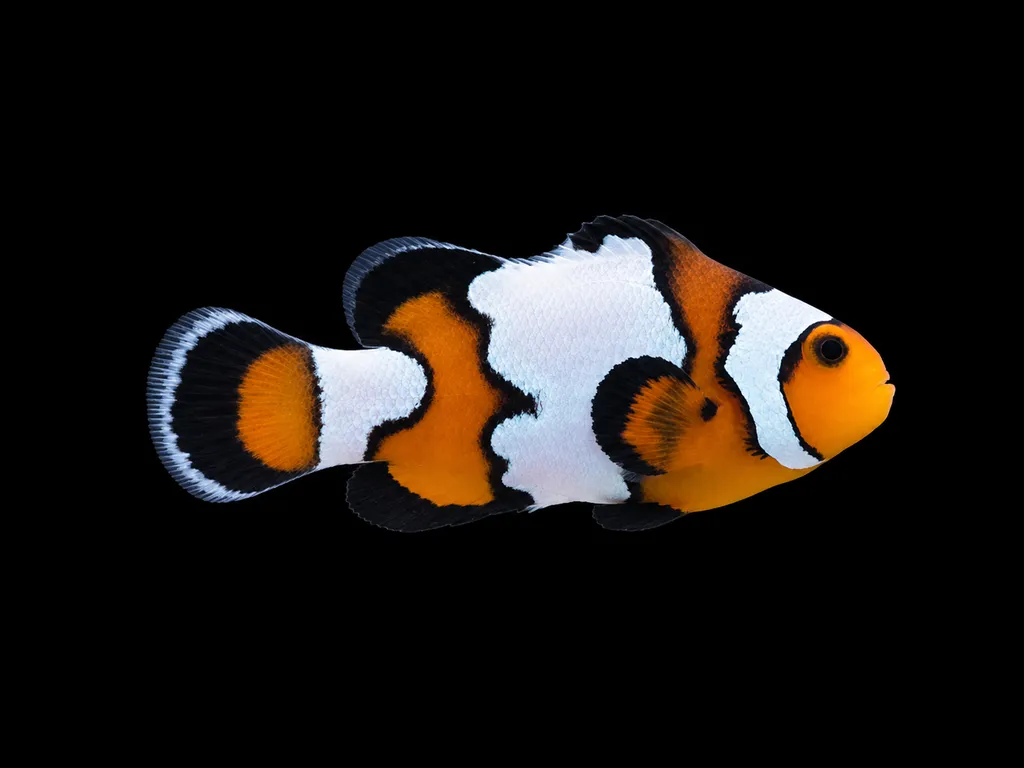
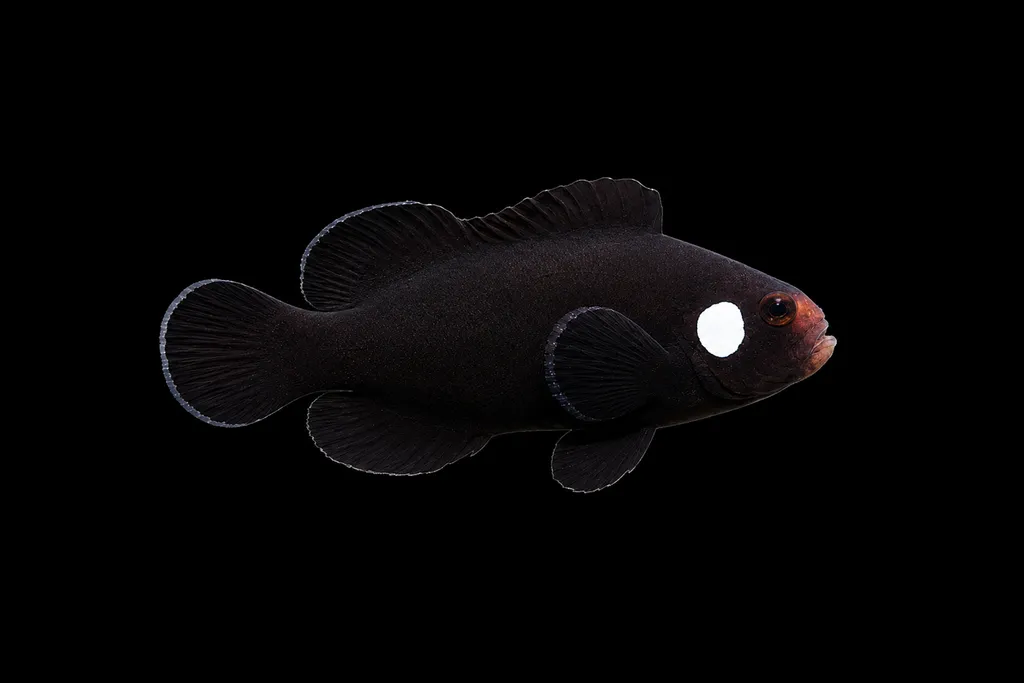
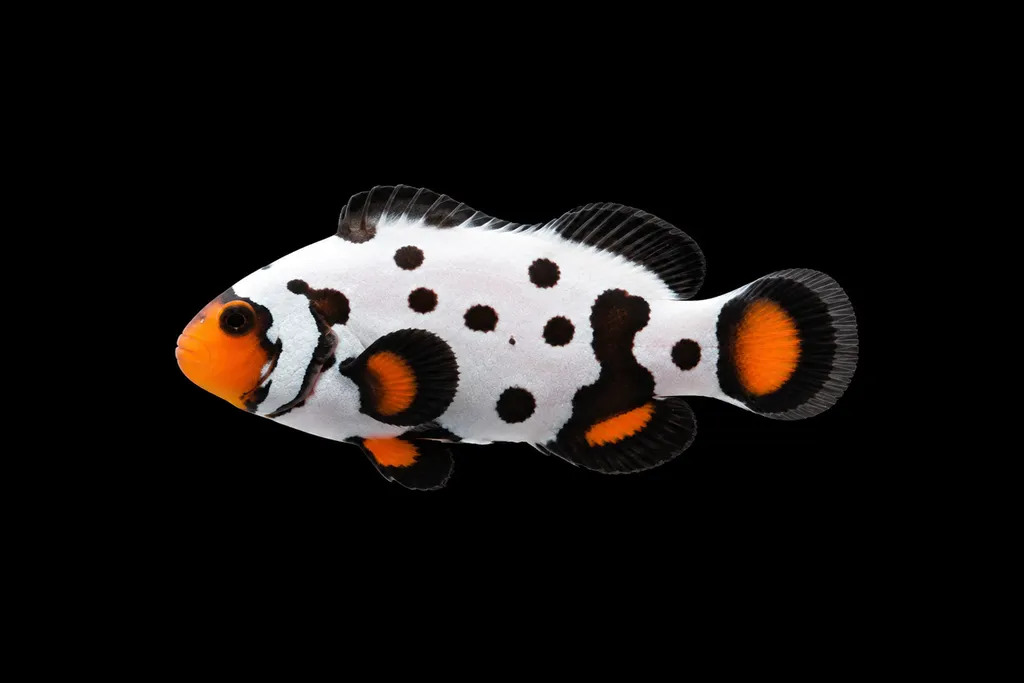
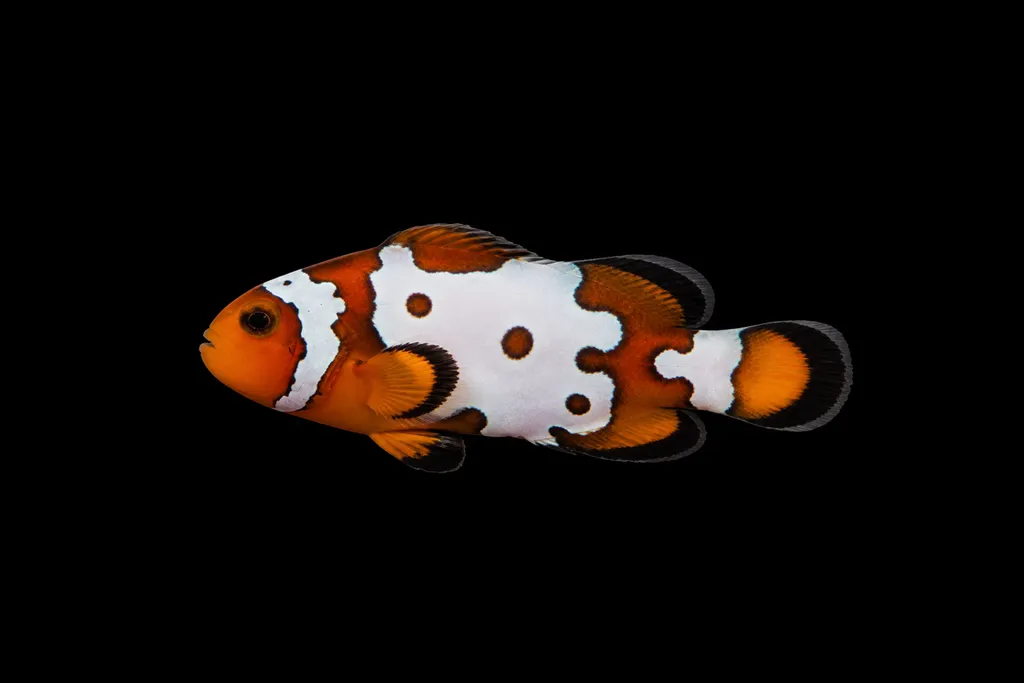
ORA sells Gladiator in two grades, Gladiator and Premium Gladiator, sorted by how much pattern a fish shows. A standard fish carries one to three unique markings that set it apart from a wild-type ocellaris. The same look reaches shops as DaVinci or Fancy from other farms, so read the photo and not the label.
In the wild
ORA credits Bill Addison with discovering and naming the Gladiator and says its fish follow his genetic blueprints. Addison ran C-Quest, the hatchery that also released the Wyoming White. Sea & Reef covers the same ground with its DaVinci under a different name. The pattern exists only in captive lines.
Good to know
Gladiator markings vary in kind, not just in amount. ORA lists stripes that connect two of the three white bands, isolated white spots between the bands, swooshes of white, hazy markings it calls nebula or smudgy, and a white belly reminiscent of countershading. The changes are all in pattern: ORA describes the fish by its markings, not by any change to fin or body shape.
Did you know
ORA's own product page lists Gladiator as also known as DaVinci or Fancy clownfish. In this group the designer name tracks the farm that raised the fish about as closely as it tracks the pattern.
Symbiotic relationships
Clownfish and their host anemones
A clownfish lives inside an anemone that stings and eats other fish its size. Its mucus coat keeps the anemone's stinging cells from firing, and a new fish builds that protection up over hours of brief touches. The fish gets a refuge no predator will follow it into and a nest site at the anemone's base. The anemone gets a guard that drives off the butterflyfish that would graze its tentacles, a steady supply of nitrogen from the fish's waste, and water movement at night, when the fish fans its fins among the tentacles and the anemone takes up more oxygen. Only ten anemone species host clownfish in the wild, and each clownfish species uses its own short list of them.
Captive-bred clownfish have never seen an anemone and do not need one; they settle for a coral, a powerhead or a corner of the tank. If you want the pairing, the anemone is the harder animal by far and goes in first, into a mature tank with strong light and stable water, at the tank size its own profile lists. The bubble tip anemone is the hardy host, and the one most clownfish accept in captivity even when it is not a natural host, so a clownfish profile lists it as the usual tank host where that is the case. The sebae, magnificent and carpet anemones are marked difficult, and the carpets eat fish. Expect a paired clownfish to defend its anemone against everything else in the tank.
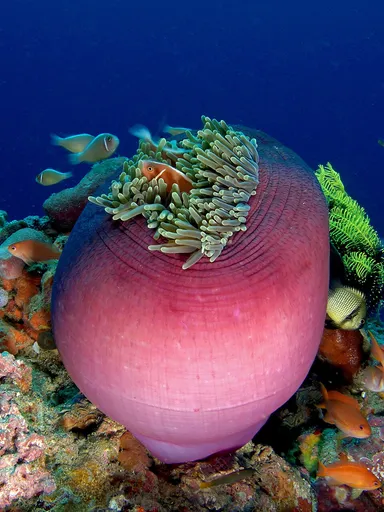
Magnificent anemone
Heteractis magnifica
Saltwater19.7 in (50 cm) · 53 gal (200 L)75–81°F (24–27°C)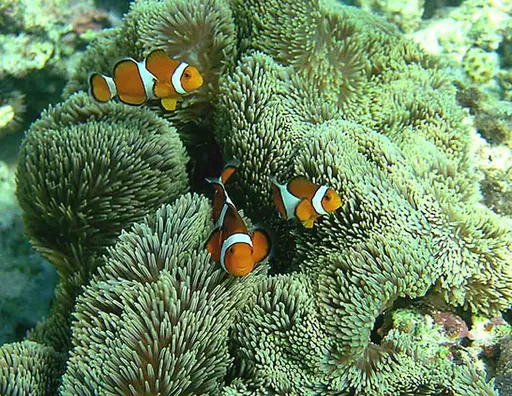
Gigantea carpet anemone
Stichodactyla gigantea
Saltwater19.7 in (50 cm) · 53 gal (200 L)75–81°F (24–27°C)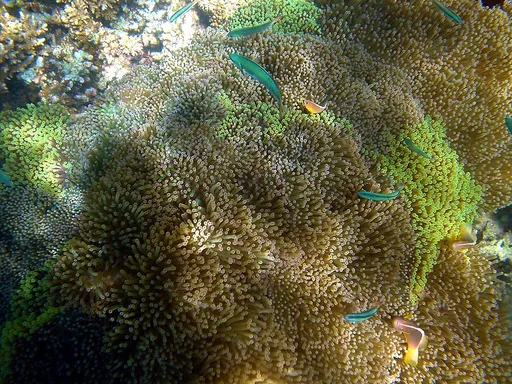
Mertens' carpet anemone
Stichodactyla mertensii
Saltwater35.4 in (90 cm) · 53 gal (200 L)75–81°F (24–27°C)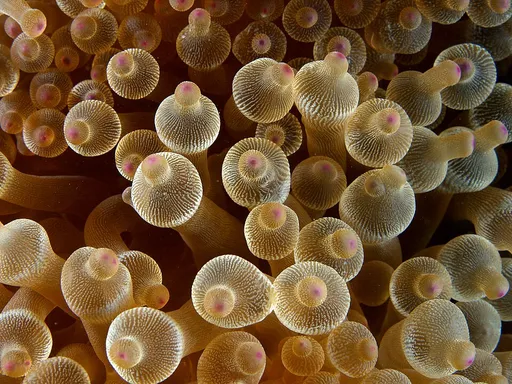
Bubble tip anemone
Entacmaea quadricolor
Saltwater11.8 in (30 cm) · 30 gal (115 L)75–81°F (24–27°C)Usual tank host, not a natural one
Weekly picks
Tank mates
Gladiator clownfish is a mostly peaceful, social species that keeps to the middle. These picks share a community profile with it, are safe together in both directions, and overlap on water type, temperature and pH.
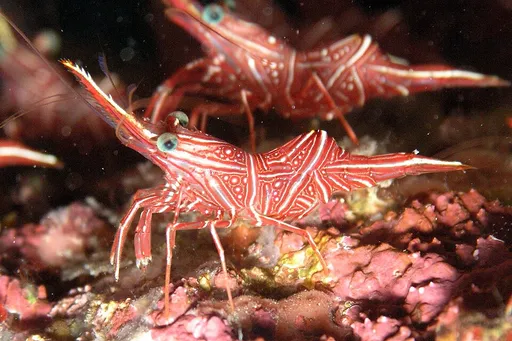
Camel / dancing shrimp
Rhynchocinetes durbanensis
Saltwater2 in (5 cm) · 16 gal (60 L)75–81°F (24–27°C)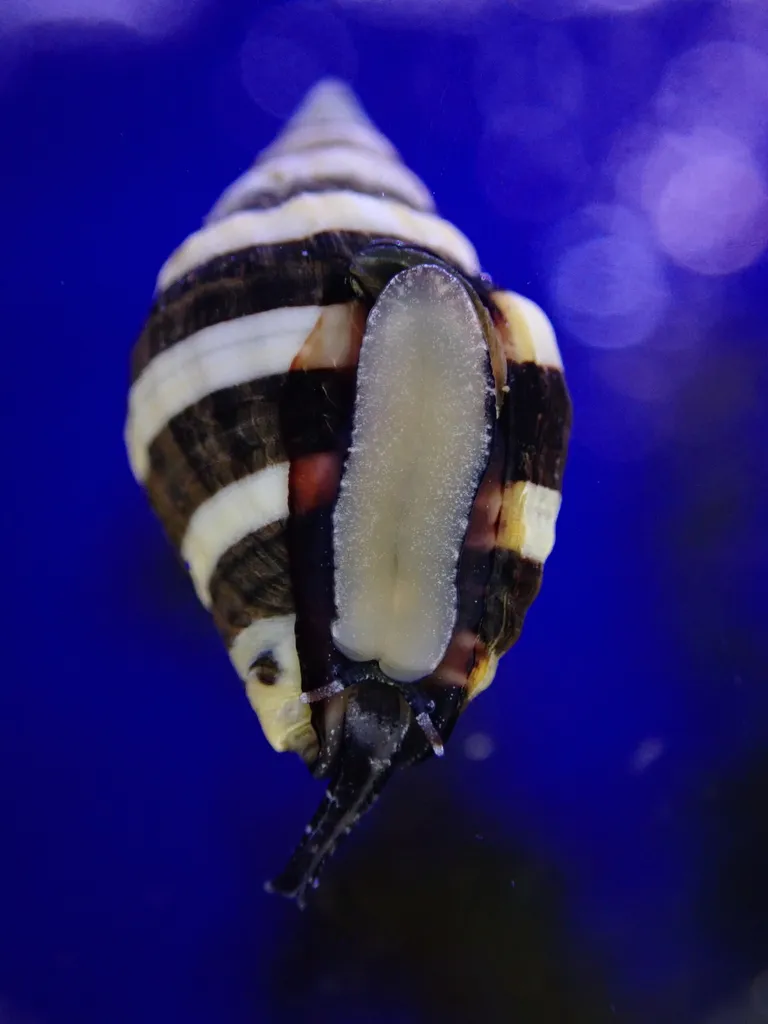
Bumble bee snail
Engina mendicaria
Saltwater0.8 in (2 cm) · 11 gal (40 L)75–81°F (24–27°C)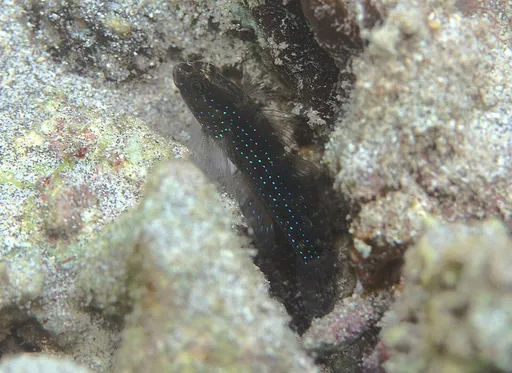
Starry goby
Asterropteryx semipunctata
Saltwater2.8 in (7 cm) · 13 gal (50 L)73–81°F (23–27°C)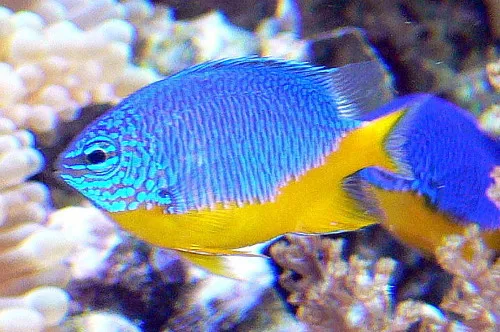
Azure damsel
Chrysiptera hemicyanea
Saltwater2.8 in (7 cm) · 29 gal (110 L)75–81°F (24–27°C)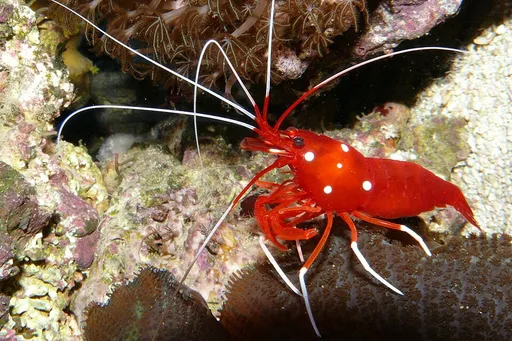
Fire shrimp
Lysmata debelius
Saltwater2.4 in (6 cm) · 20 gal (75 L)72–79°F (22–26°C)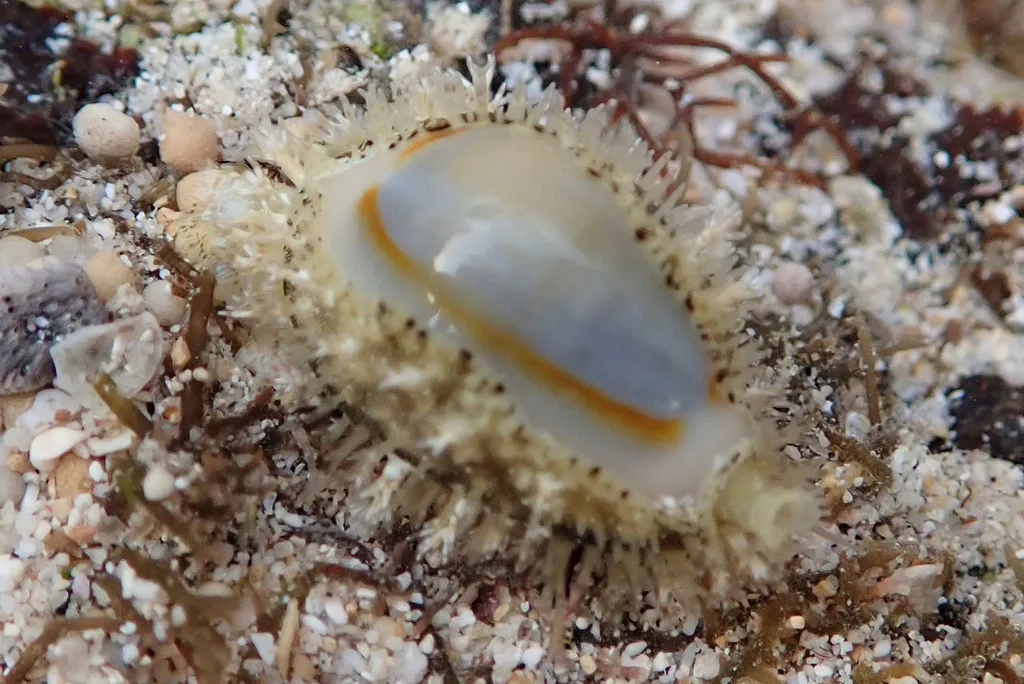
Ring cowrie
Monetaria annulus
Saltwater1.2 in (3 cm) · 20 gal (75 L)75–81°F (24–27°C)
Common questions
Is a Gladiator clownfish a different species from the Ocellaris clownfish?
No. A Gladiator clownfish is a variety of the Ocellaris clownfish, Amphiprion ocellaris, and it wants the same tank, water and food as the species.
Is a Gladiator clownfish the same as a DaVinci?
In look, yes. ORA's own listing says its Gladiators are also known as DaVinci or Fancy clownfish. ORA credits Bill Addison of C-Quest with discovering and naming the pattern and says its fish follow his blueprints.
What markings make a Gladiator clownfish?
ORA lists stripes that connect two of the three bands, isolated white spots between the bands, swooshes of white, hazy markings it calls nebula or smudgy, and a white belly. A standard fish carries one to three of these, and Premium Gladiator means more pattern. Fins and body shape are unchanged.
What size tank does a Gladiator clownfish need?
A Gladiator clownfish needs at least 20 gal (75 L). It spends most of its time in the middle.
How big does a Gladiator clownfish get?
An adult Gladiator clownfish reaches about 3.1 in (8 cm).
Related species
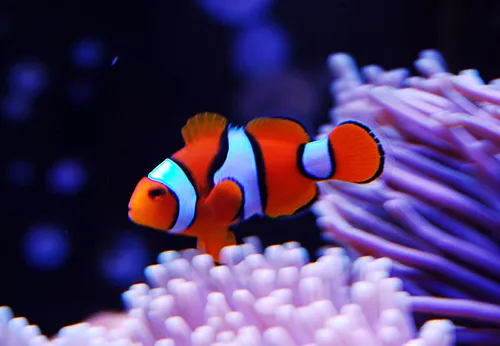 3.1 in (8 cm)20 gal (75 L)75–82°F (24–28°C)
Percula clownfish
Amphiprion percula
3.1 in (8 cm) · 20 gal (75 L)
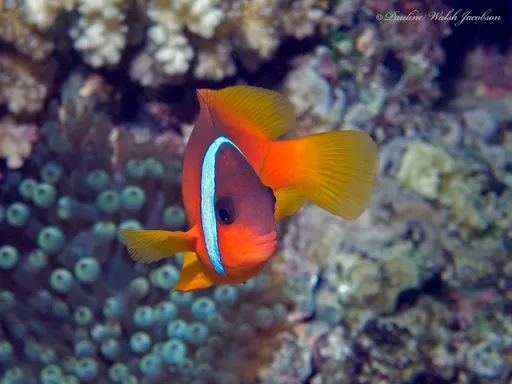 3.5 in (9 cm)30 gal (115 L)75–81°F (24–27°C)
Barberi clownfish
Amphiprion barberi
3.5 in (9 cm) · 30 gal (115 L)
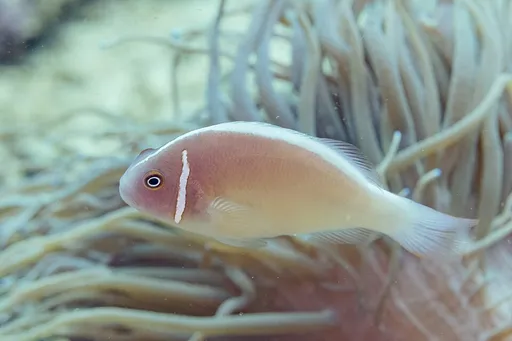 3.9 in (10 cm)30 gal (115 L)75–82°F (24–28°C)
Pink skunk clownfish
Amphiprion perideraion
3.9 in (10 cm) · 30 gal (115 L)
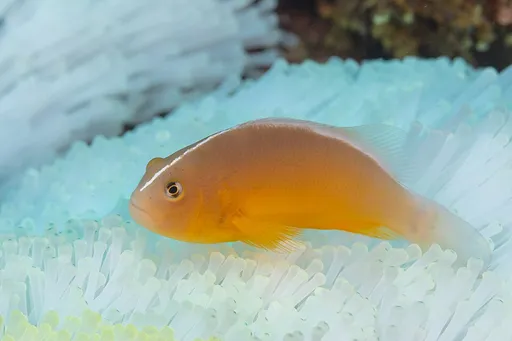 4.3 in (11 cm)26 gal (100 L)75–82°F (24–28°C)
Skunk clownfish
Amphiprion akallopisos
4.3 in (11 cm) · 26 gal (100 L)
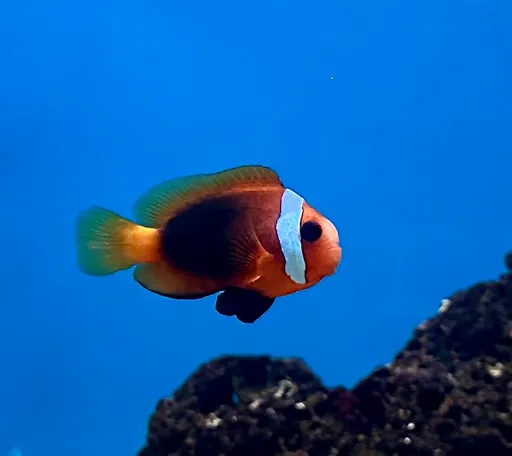 4.7 in (12 cm)30 gal (115 L)75–82°F (24–28°C)
Cinnamon clownfish
Amphiprion melanopus
4.7 in (12 cm) · 30 gal (115 L)
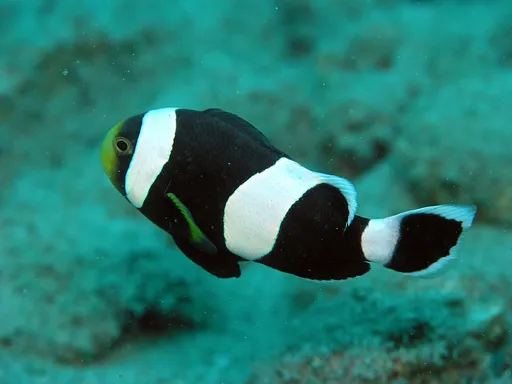 5.1 in (13 cm)40 gal (150 L)75–82°F (24–28°C)
Saddleback clownfish
Amphiprion polymnus
5.1 in (13 cm) · 40 gal (150 L)