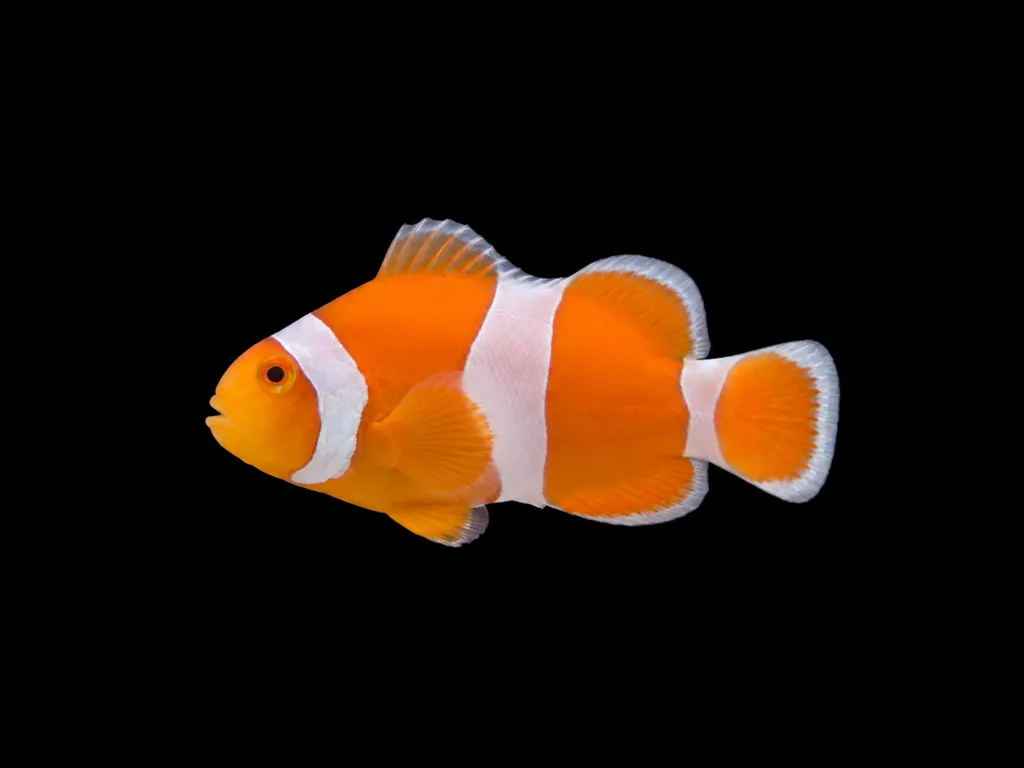
Variety of Ocellaris clownfish
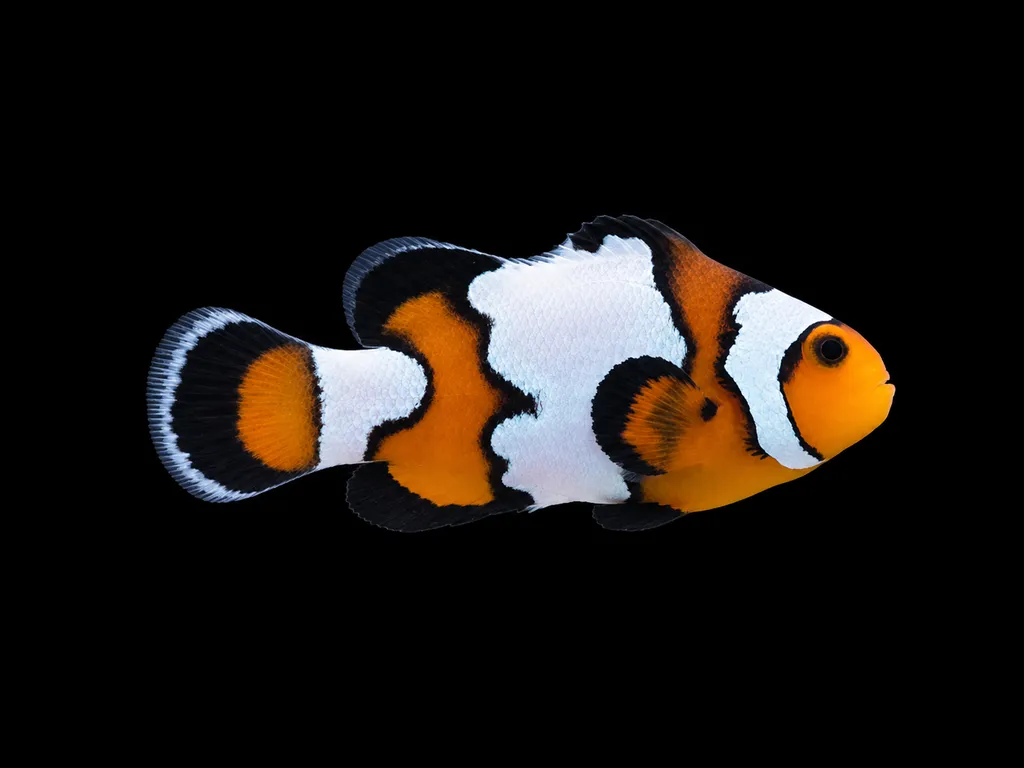
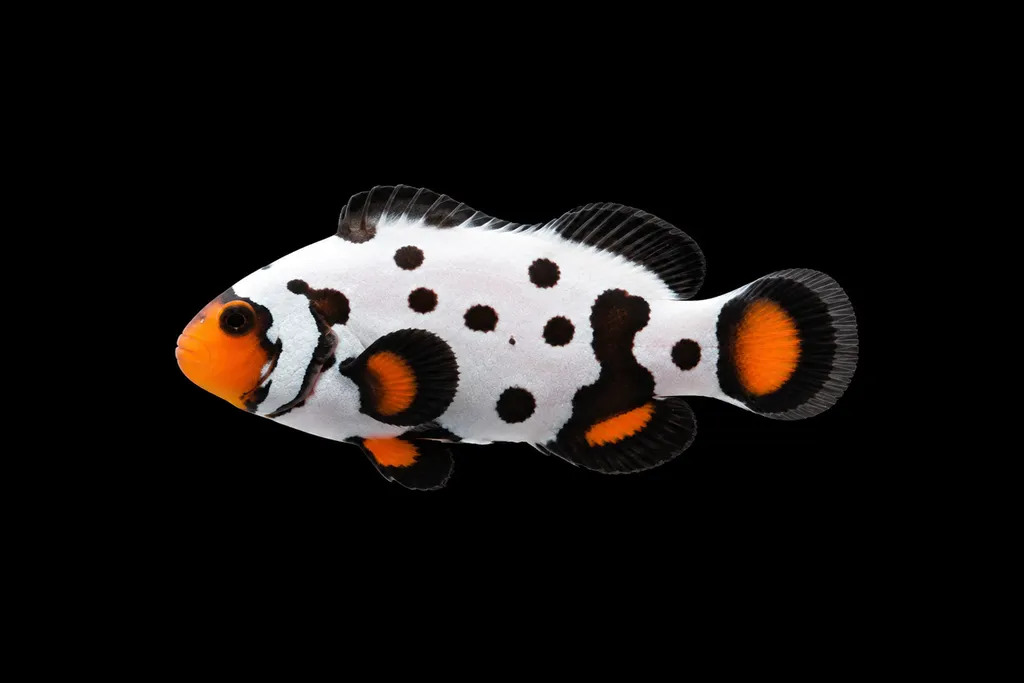
Black Ice clownfish
Amphiprion ocellaris
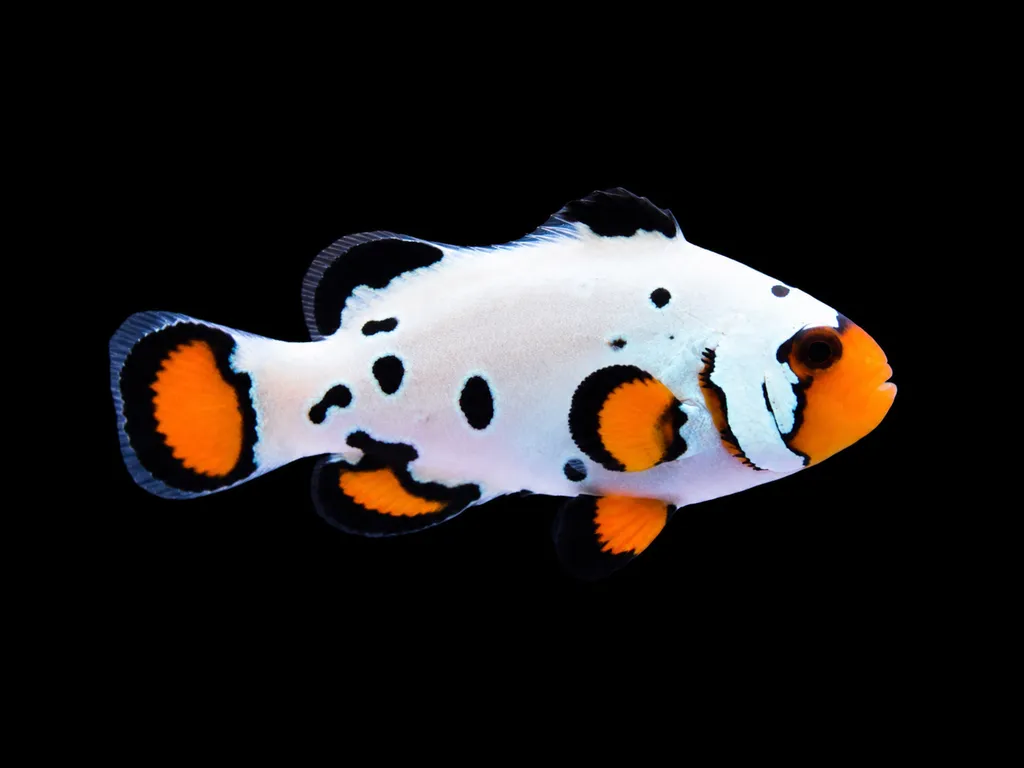
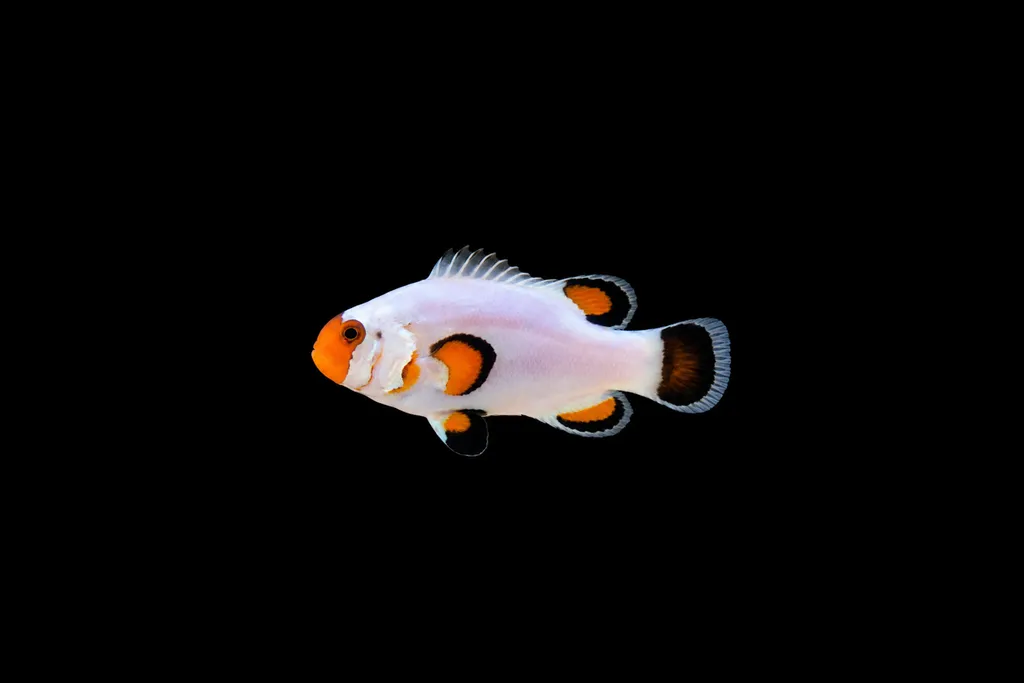
One of 17 varieties of Amphiprion ocellaris · See all varieties →
SaltwaterFish
Varieties · Amphiprion ocellaris
See all 17 →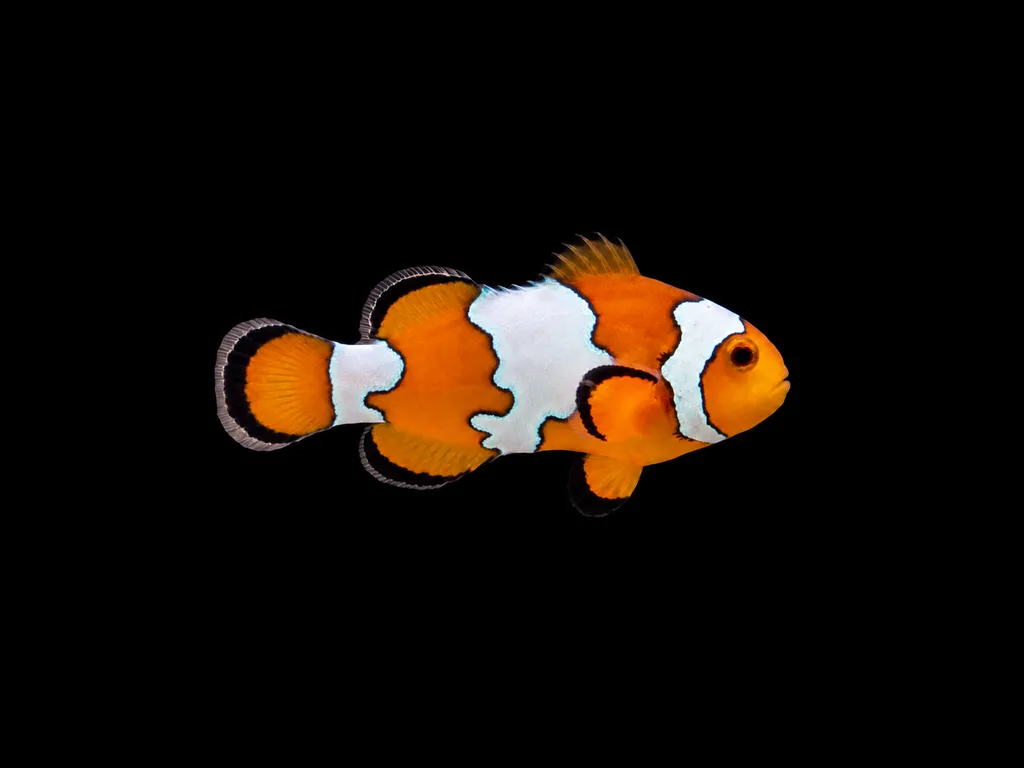
Care at a glance
- Temperature
- 75–82°F
- 24–28°C
- pH
- 8.1–8.4
- Adult size
- 3.1 in
- 8 cm
- Minimum tank
- 20 gal
- 75 L
- Temperament
- Mostly peaceful
- Social behavior
- Social
- Swim level
- Middle
- Difficulty
- Beginner
- Breeding
- Easy
- Rarity
- Very common
- Reef safe
- Reef safe
- Family
- Pomacentridae
Overview
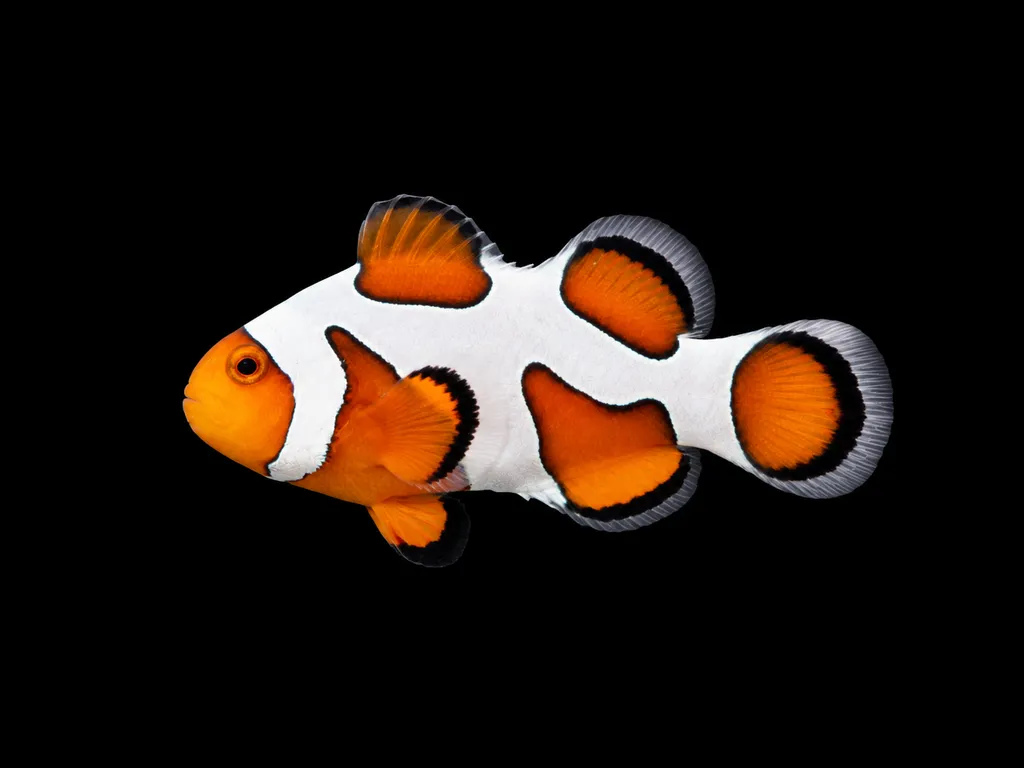
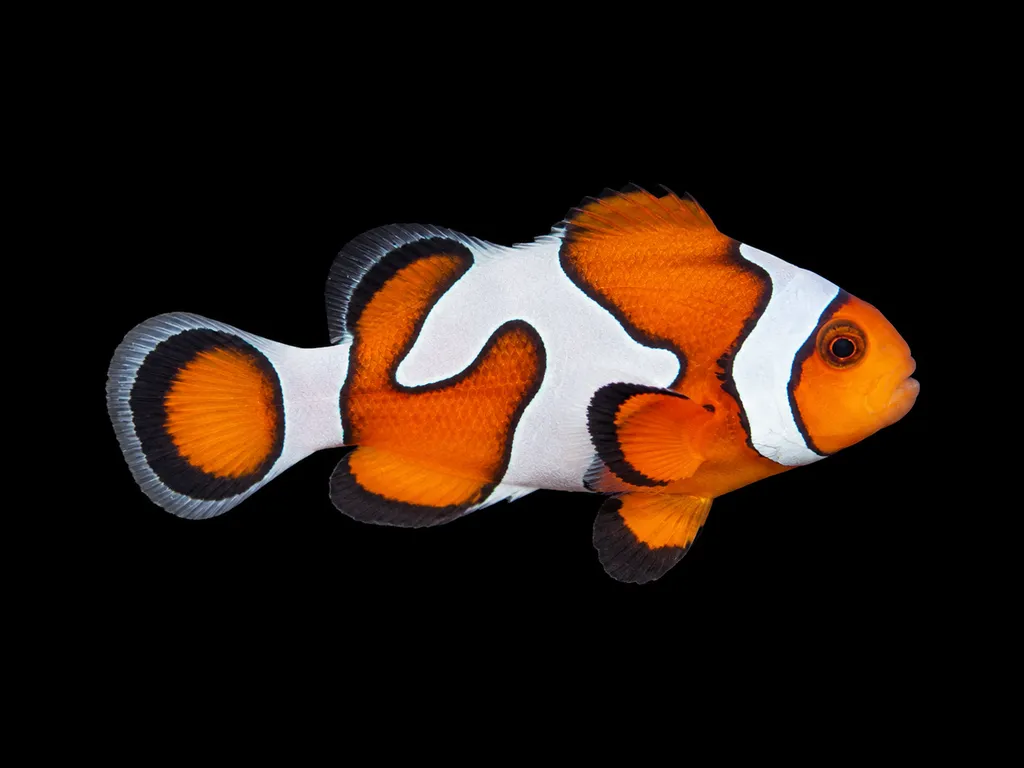
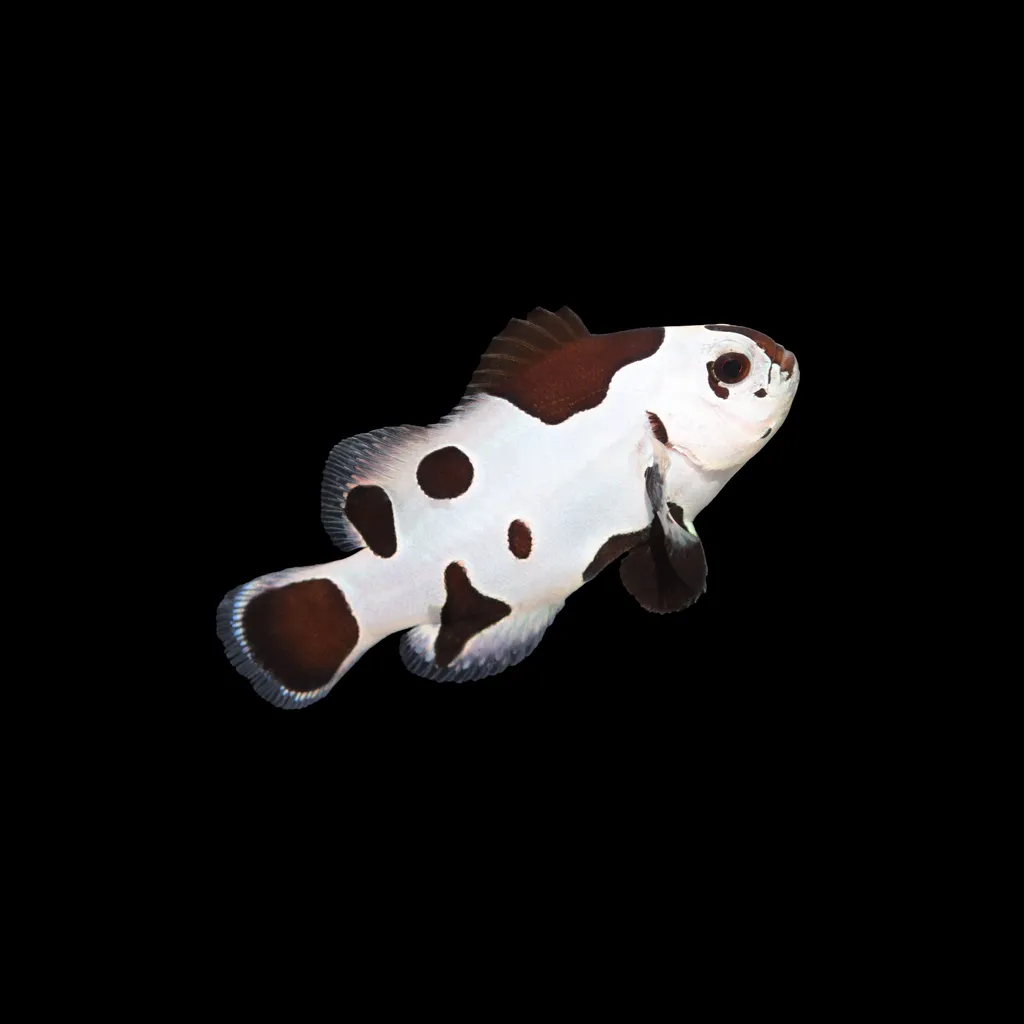
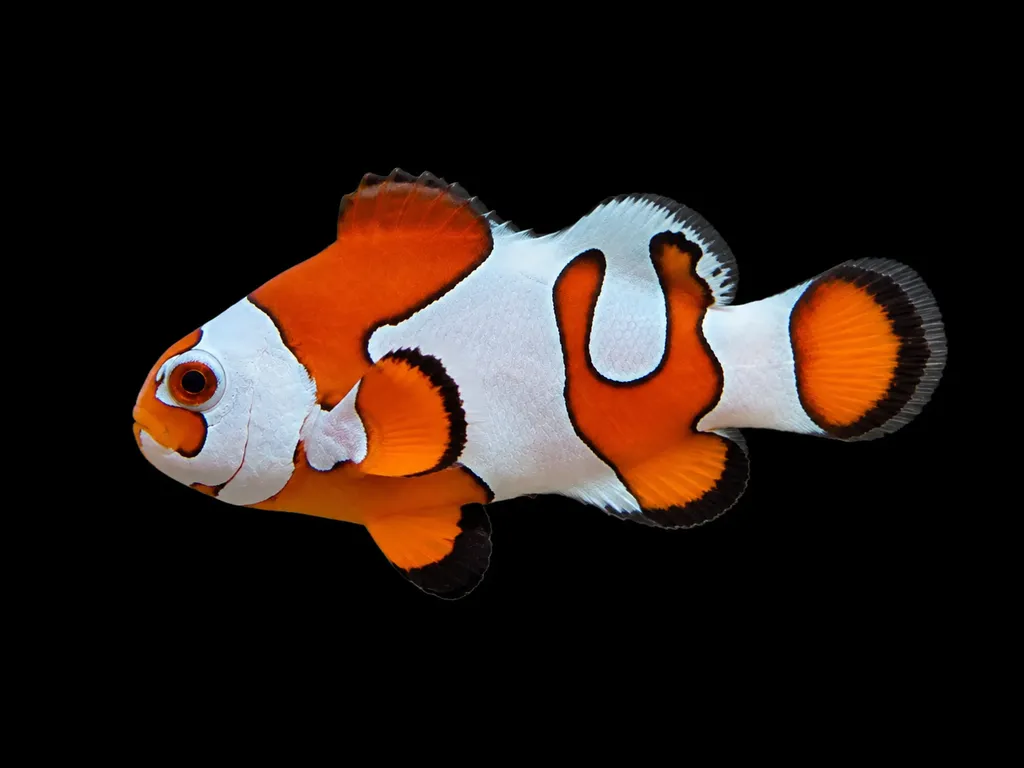
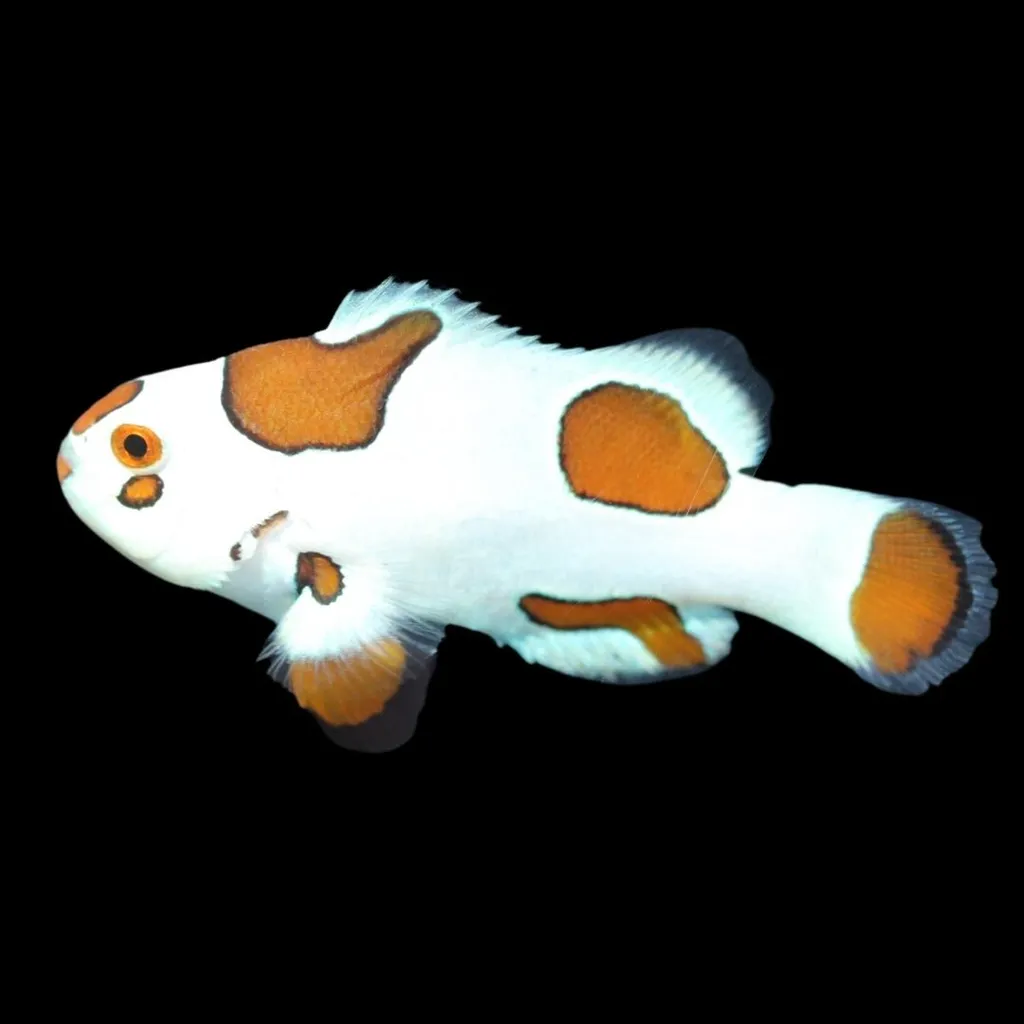
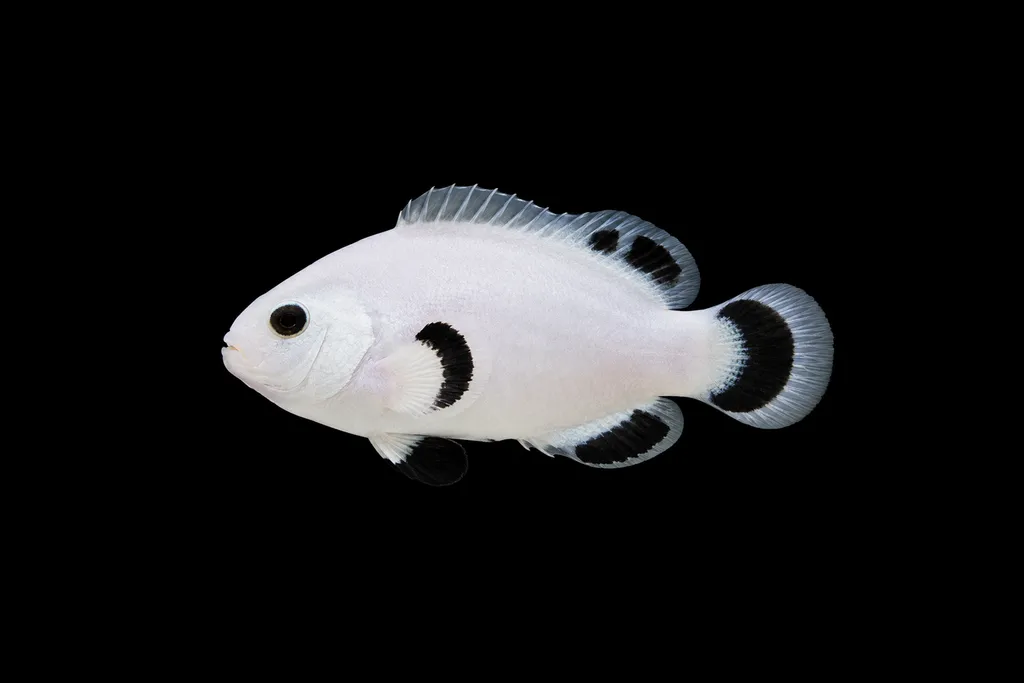
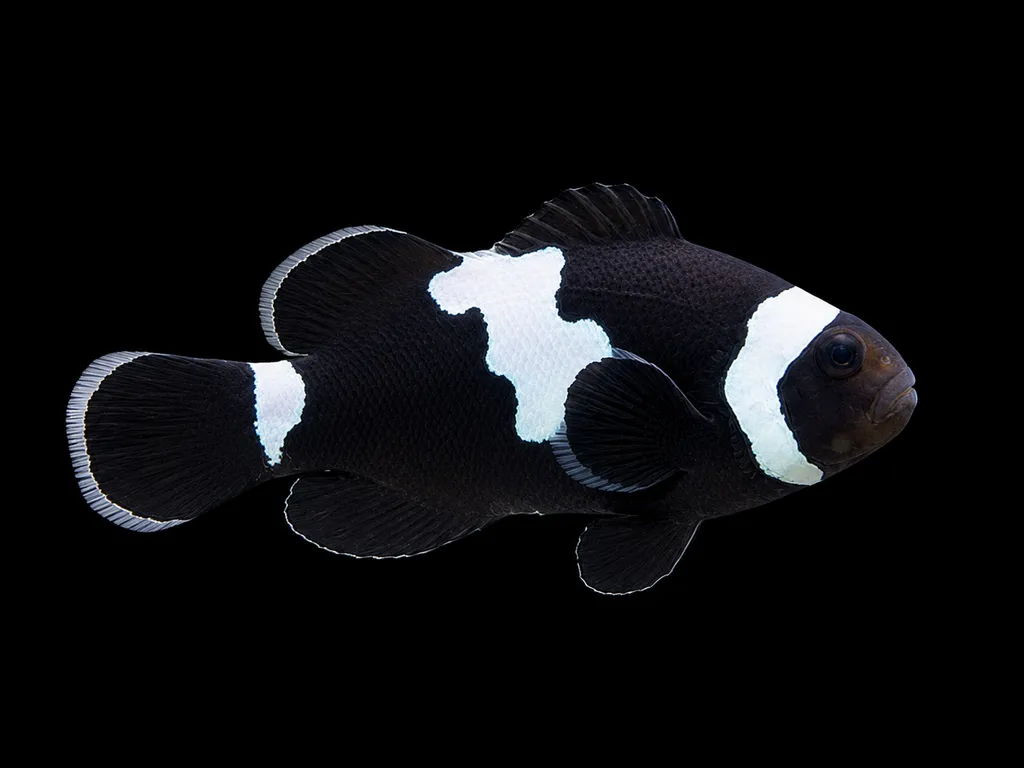
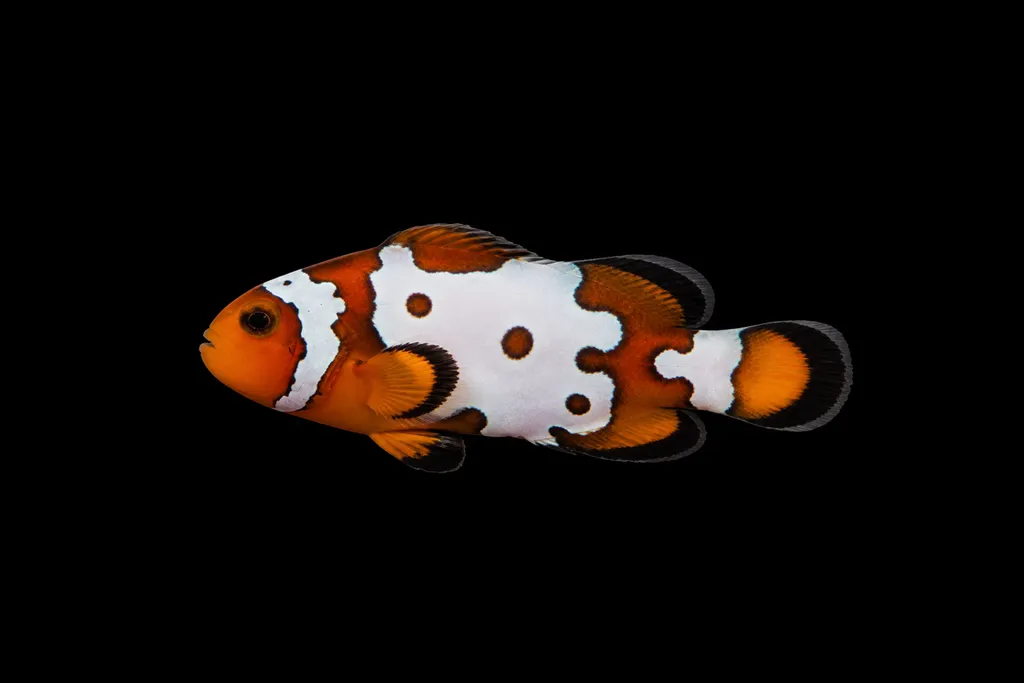
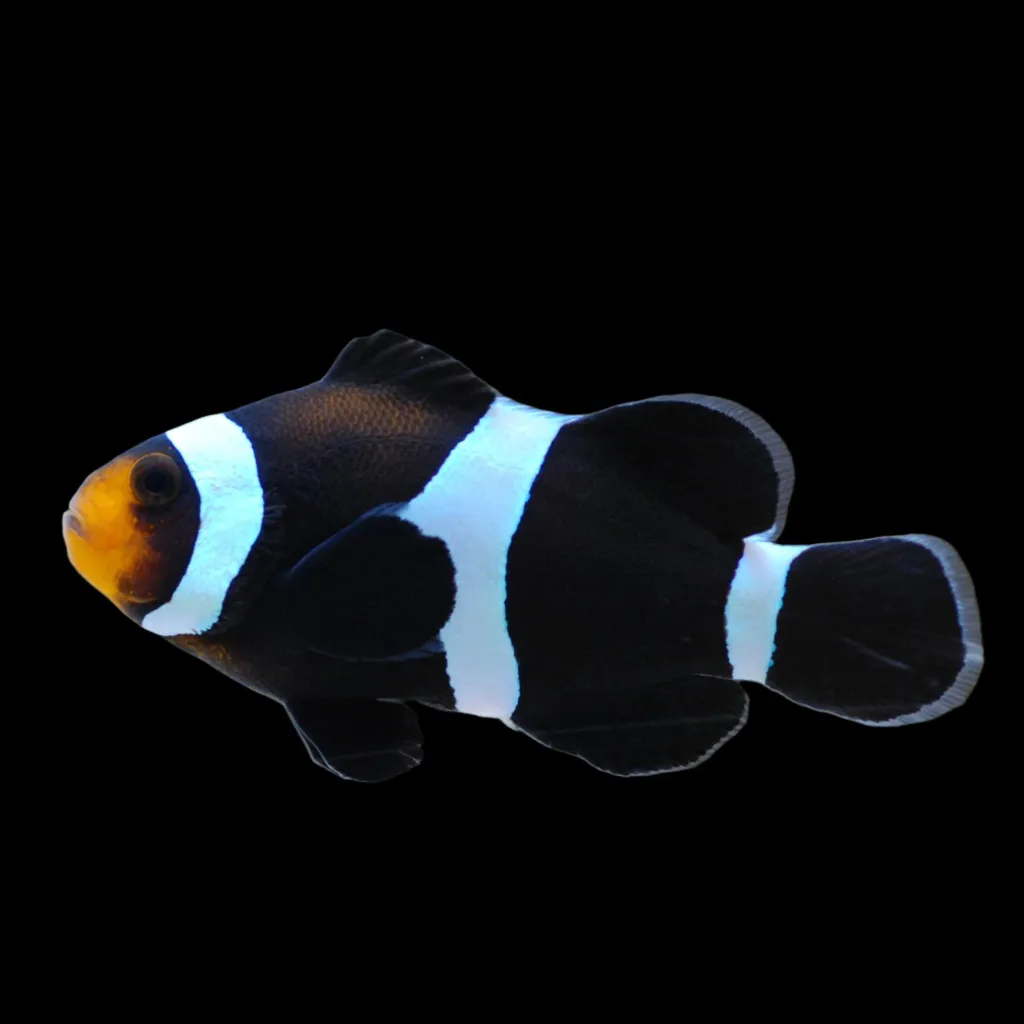
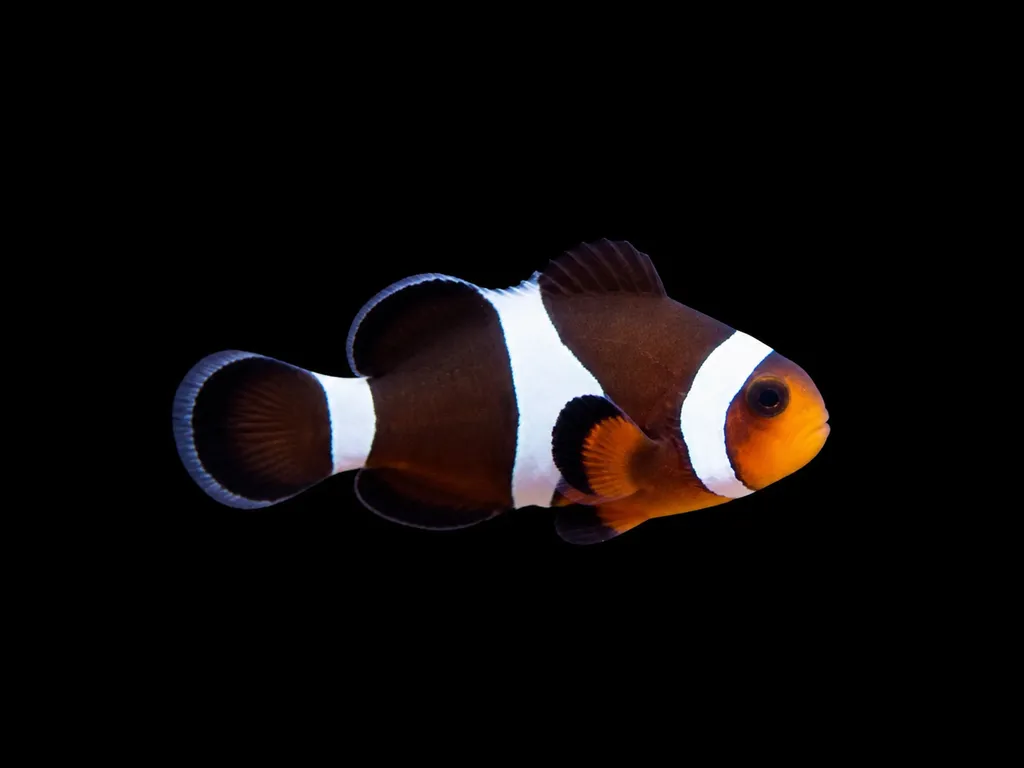
Black Ice reads as a snowflake pattern on a dark orange-brown body, and Sea & Reef says the color darkens with maturity. A juvenile in a shop tank looks lighter than the adult you keep. Sea & Reef sells it as Black Ice and as Ultra Black Ice, sorted by how much white a fish carries. ORA and Sustainable Aquatics sell their own stock under the name.
In the wild
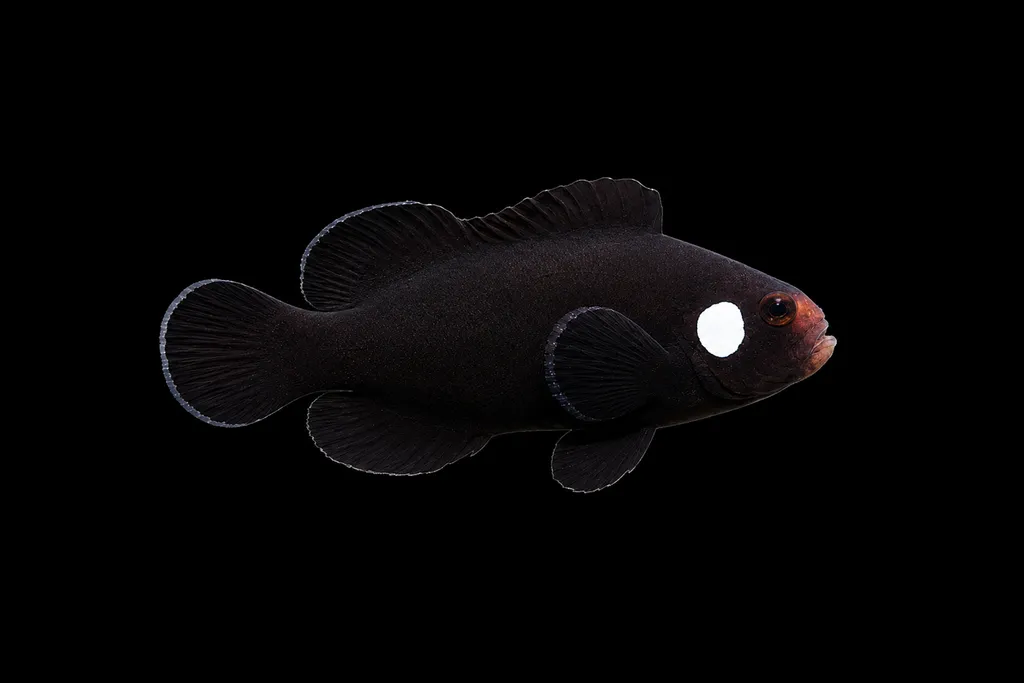
Sea & Reef describes its Black Ice as a cross between its Premium Snowflake ocellaris and its ultra-black Darwin ocellaris, the naturally black population of northern Australia. Generations of backcrossing stabilized the result. Both parents are Amphiprion ocellaris, so it is a line cross and not a hybrid between species.
Good to know
Black Ice carries the Snowflake bar-widening trait on a dark ground, which is why the three white stripes stay exaggerated and irregular rather than straight. Breeders report that a Black Snowflake crossed to an orange ocellaris gives both Mocha ocellaris and Black Ice out of one spawn, so siblings split by how much melanin they express. Darkening with age is normal here.
Did you know
The dark half of this fish came from a real place. Darwin ocellaris are a naturally black population from one stretch of northern Australian coast, and the black designer lines trace back to that stock.
Symbiotic relationships
Clownfish and their host anemones
A clownfish lives inside an anemone that stings and eats other fish its size. Its mucus coat keeps the anemone's stinging cells from firing, and a new fish builds that protection up over hours of brief touches. The fish gets a refuge no predator will follow it into and a nest site at the anemone's base. The anemone gets a guard that drives off the butterflyfish that would graze its tentacles, a steady supply of nitrogen from the fish's waste, and water movement at night, when the fish fans its fins among the tentacles and the anemone takes up more oxygen. Only ten anemone species host clownfish in the wild, and each clownfish species uses its own short list of them.
Captive-bred clownfish have never seen an anemone and do not need one; they settle for a coral, a powerhead or a corner of the tank. If you want the pairing, the anemone is the harder animal by far and goes in first, into a mature tank with strong light and stable water, at the tank size its own profile lists. The bubble tip anemone is the hardy host, and the one most clownfish accept in captivity even when it is not a natural host, so a clownfish profile lists it as the usual tank host where that is the case. The sebae, magnificent and carpet anemones are marked difficult, and the carpets eat fish. Expect a paired clownfish to defend its anemone against everything else in the tank.
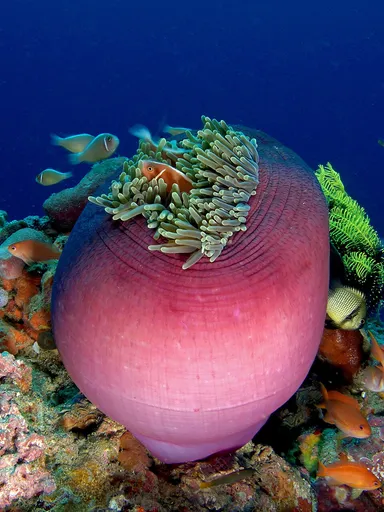
Magnificent anemone
Heteractis magnifica
Saltwater19.7 in (50 cm) · 53 gal (200 L)75–81°F (24–27°C)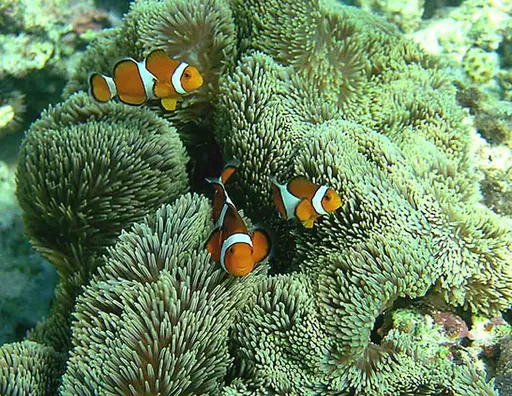
Gigantea carpet anemone
Stichodactyla gigantea
Saltwater19.7 in (50 cm) · 53 gal (200 L)75–81°F (24–27°C)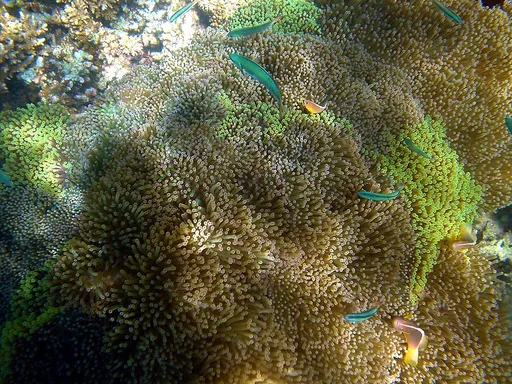
Mertens' carpet anemone
Stichodactyla mertensii
Saltwater35.4 in (90 cm) · 53 gal (200 L)75–81°F (24–27°C)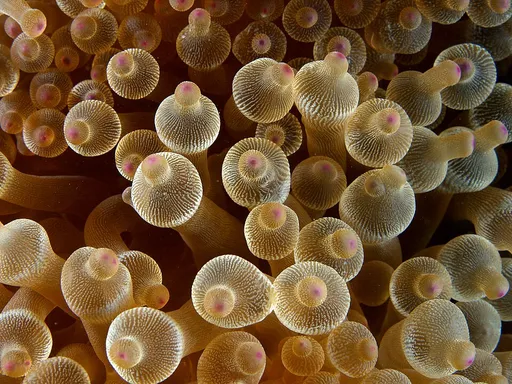
Bubble tip anemone
Entacmaea quadricolor
Saltwater11.8 in (30 cm) · 30 gal (115 L)75–81°F (24–27°C)Usual tank host, not a natural one
Weekly picks
Tank mates
Black Ice clownfish is a mostly peaceful, social species that keeps to the middle. These picks share a community profile with it, are safe together in both directions, and overlap on water type, temperature and pH.
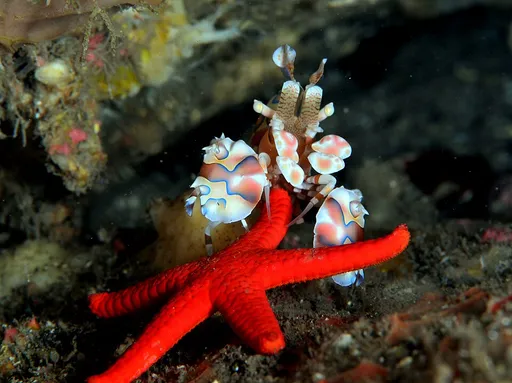
Harlequin shrimp
Hymenocera picta
Saltwater2 in (5 cm) · 11 gal (40 L)75–81°F (24–27°C)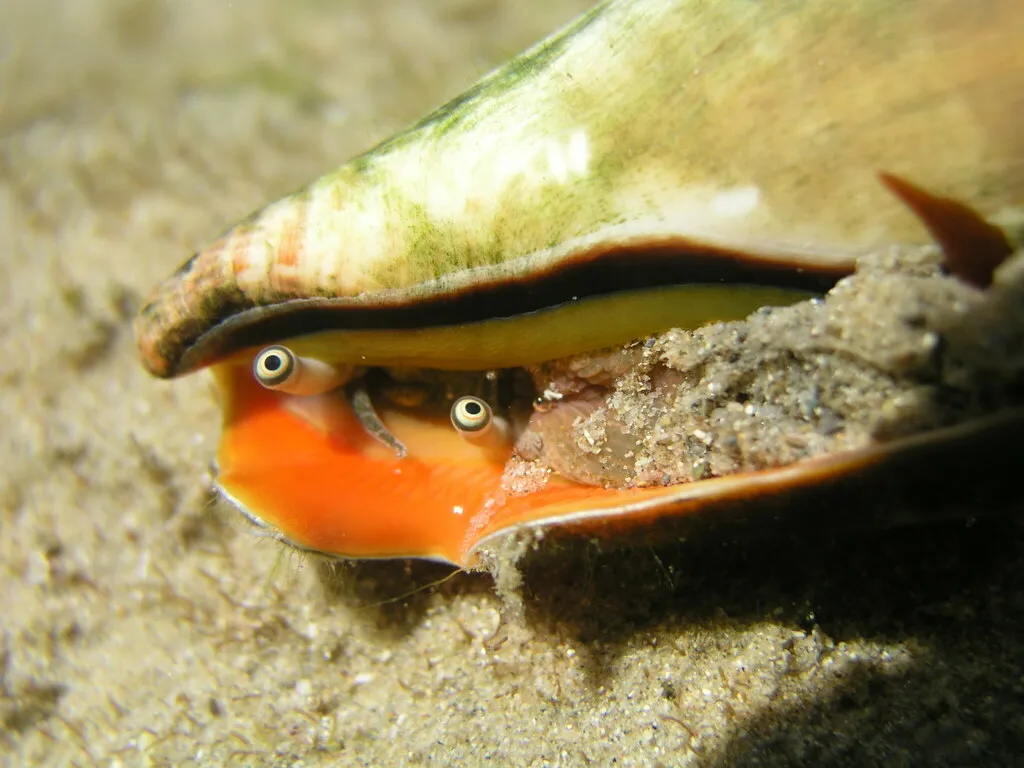
Tiger / strawberry conch
Conomurex luhuanus
Saltwater2.8 in (7 cm) · 20 gal (75 L)75–81°F (24–27°C)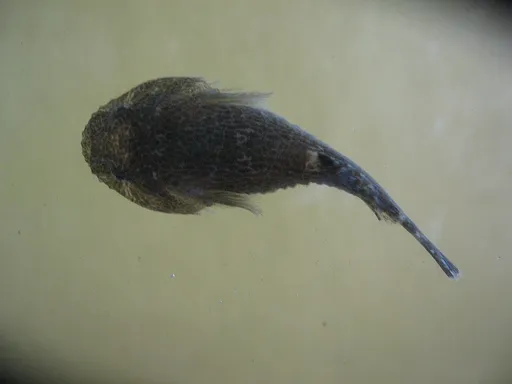
Skilletfish
Gobiesox strumosus
Saltwater3.1 in (8 cm) · 20 gal (76 L)72–79°F (22–26°C)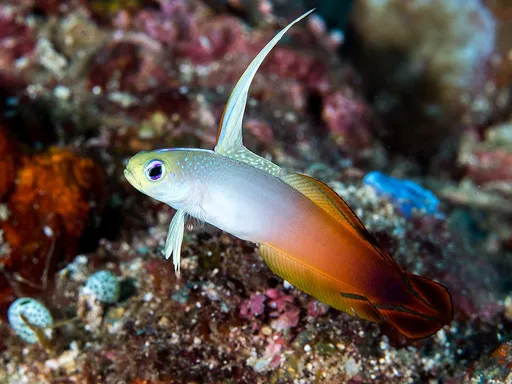
Firefish
Nemateleotris magnifica
Saltwater3.5 in (9 cm) · 20 gal (75 L)72–81°F (22–27°C)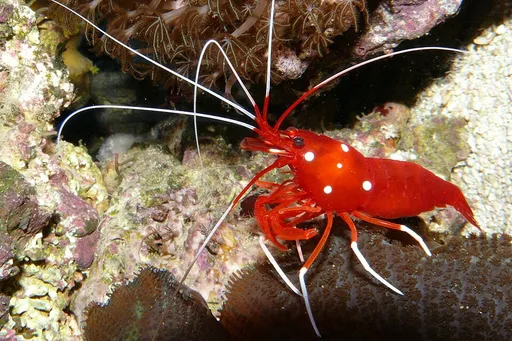
Fire shrimp
Lysmata debelius
Saltwater2.4 in (6 cm) · 20 gal (75 L)72–79°F (22–26°C)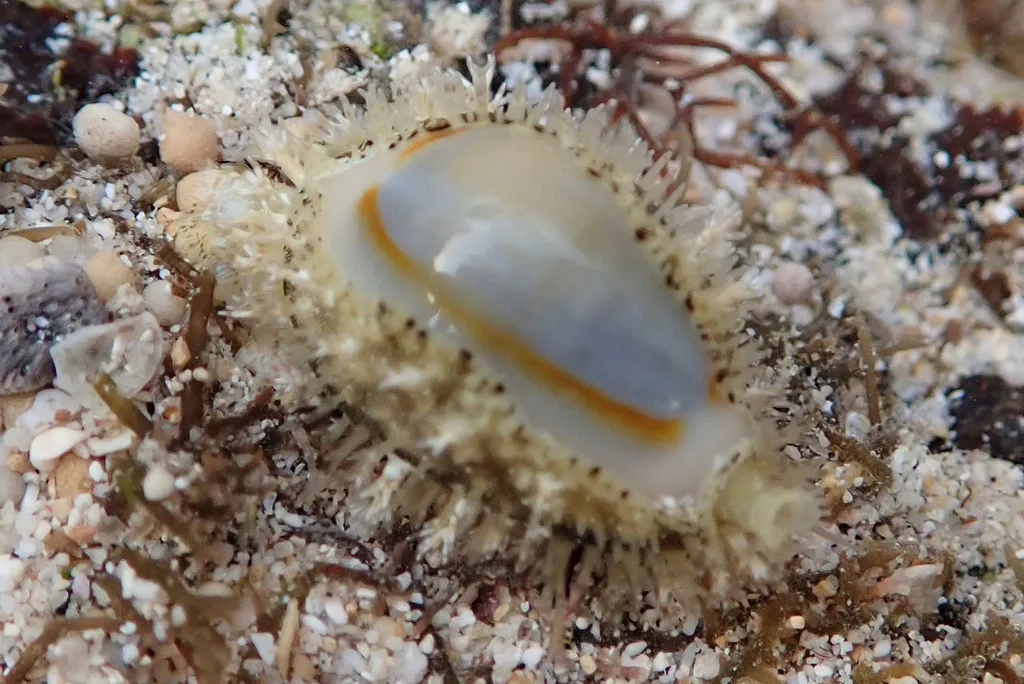
Ring cowrie
Monetaria annulus
Saltwater1.2 in (3 cm) · 20 gal (75 L)75–81°F (24–27°C)
Common questions
Is a Black Ice clownfish a different species from the Ocellaris clownfish?
No. A Black Ice clownfish is a variety of the Ocellaris clownfish, Amphiprion ocellaris, and it wants the same tank, water and food as the species.
What is a Black Ice clownfish a cross of?
Sea & Reef describes it as its Premium Snowflake ocellaris crossed to its ultra-black Darwin ocellaris, the naturally black population of northern Australia, then stabilized over generations of backcrossing. Both parents are Amphiprion ocellaris.
Does a Black Ice clownfish get darker with age?
Yes. Sea & Reef says the color darkens with maturity, so a juvenile in a shop tank looks lighter than the adult you keep. It sells the fish as Black Ice and Ultra Black Ice, sorted by how much white a fish carries.
What size tank does a Black Ice clownfish need?
A Black Ice clownfish needs at least 20 gal (75 L). It spends most of its time in the middle.
How big does a Black Ice clownfish get?
An adult Black Ice clownfish reaches about 3.1 in (8 cm).
Related species
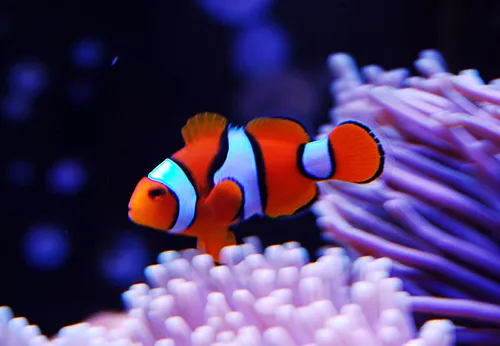 3.1 in (8 cm)20 gal (75 L)75–82°F (24–28°C)
Percula clownfish
Amphiprion percula
3.1 in (8 cm) · 20 gal (75 L)
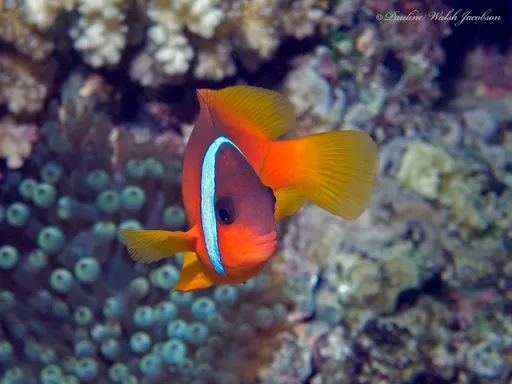 3.5 in (9 cm)30 gal (115 L)75–81°F (24–27°C)
Barberi clownfish
Amphiprion barberi
3.5 in (9 cm) · 30 gal (115 L)
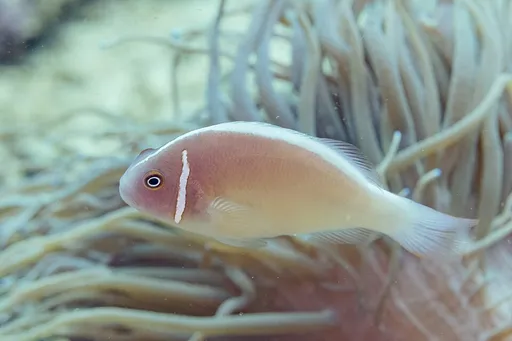 3.9 in (10 cm)30 gal (115 L)75–82°F (24–28°C)
Pink skunk clownfish
Amphiprion perideraion
3.9 in (10 cm) · 30 gal (115 L)
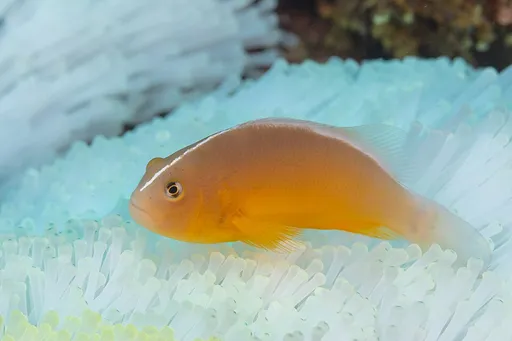 4.3 in (11 cm)26 gal (100 L)75–82°F (24–28°C)
Skunk clownfish
Amphiprion akallopisos
4.3 in (11 cm) · 26 gal (100 L)
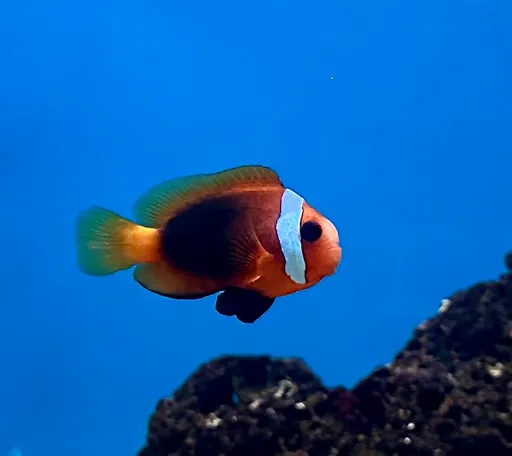 4.7 in (12 cm)30 gal (115 L)75–82°F (24–28°C)
Cinnamon clownfish
Amphiprion melanopus
4.7 in (12 cm) · 30 gal (115 L)
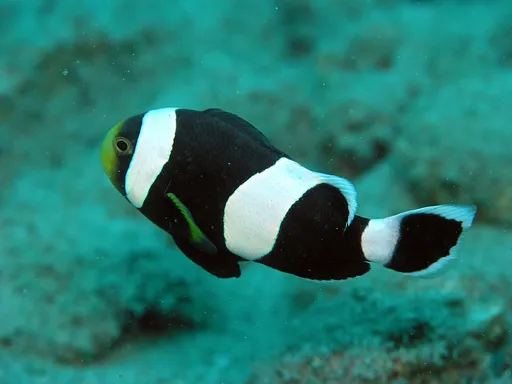 5.1 in (13 cm)40 gal (150 L)75–82°F (24–28°C)
Saddleback clownfish
Amphiprion polymnus
5.1 in (13 cm) · 40 gal (150 L)