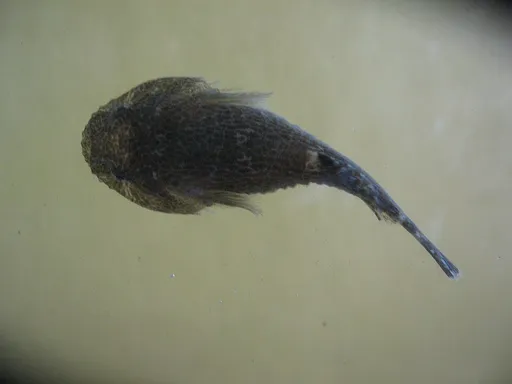
Skilletfish
Gobiesox strumosus
Also known as Oyster Clingfish, Skilletfish Clingfish
SaltwaterFish
Care at a glance
- Temperature
- 72–79°F
- 22–26°C
- pH
- 8.1–8.4
- Adult size
- 3.1 in
- 8 cm
- Minimum tank
- 20 gal
- 76 L
- Temperament
- Peaceful
- Social behavior
- Solitary
- Swim level
- Bottom
- Difficulty
- Easy
- Breeding
- Cave spawner · Medium
- Rarity
- Rare
- Reef safe
- Reef safe with caution
- Family
- Gobiesocidae
- Origin
- Western Atlantic, New Jersey to the Gulf of Mexico
Overview
The skilletfish is a hardy, peaceful oddball for an oyster reef or hard-bottom biotope tank. It is a good first saltwater fish.
Did you know
The skilletfish's pelvic fins are fused into a broad suction disc. It clamps onto shell, rock or even aquarium glass, and holds tight while tides and waves sweep past.
Caring for the skilletfish
Give a skilletfish a tank of 20 gal (76 L) or more. Keep the water at 72 to 79°F (22 to 26°C) with a pH of 8.1 to 8.4. It lives on the bottom and is a solitary fish.
The skilletfish takes mysis, brine shrimp and small pellets without fuss. It is peaceful and safe with corals. Bristleworms, amphipods and shrimp small enough to swallow count as food, so treat it as reef safe with caution.
Skilletfish spawn inside empty oyster shells, gluing a few hundred amber eggs to the shell. The eggs are guarded until they hatch, and breeding is moderately hard.
Good to know
The skilletfish takes its name from its frying pan outline. It is a clingfish in the family Gobiesocidae, not a goby, despite the similar look. It is also known as the oyster clingfish.
In the wild
The skilletfish is an oyster reef specialist of the western Atlantic, from around New Jersey through the Gulf of Mexico. It often lives in water less than a meter deep, wedged under shells, rocks and pilings.
Weekly picks
Tank mates
The skilletfish is a peaceful, solitary species that keeps to the bottom. These picks share a community profile with it, are safe together in both directions, and overlap on water type, temperature and pH.
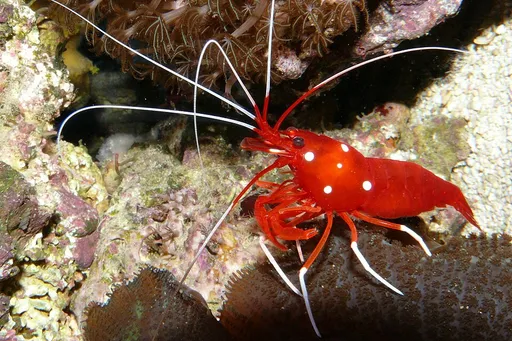
Fire shrimp
Lysmata debelius
Saltwater2.4 in (6 cm) · 20 gal (75 L)72–79°F (22–26°C)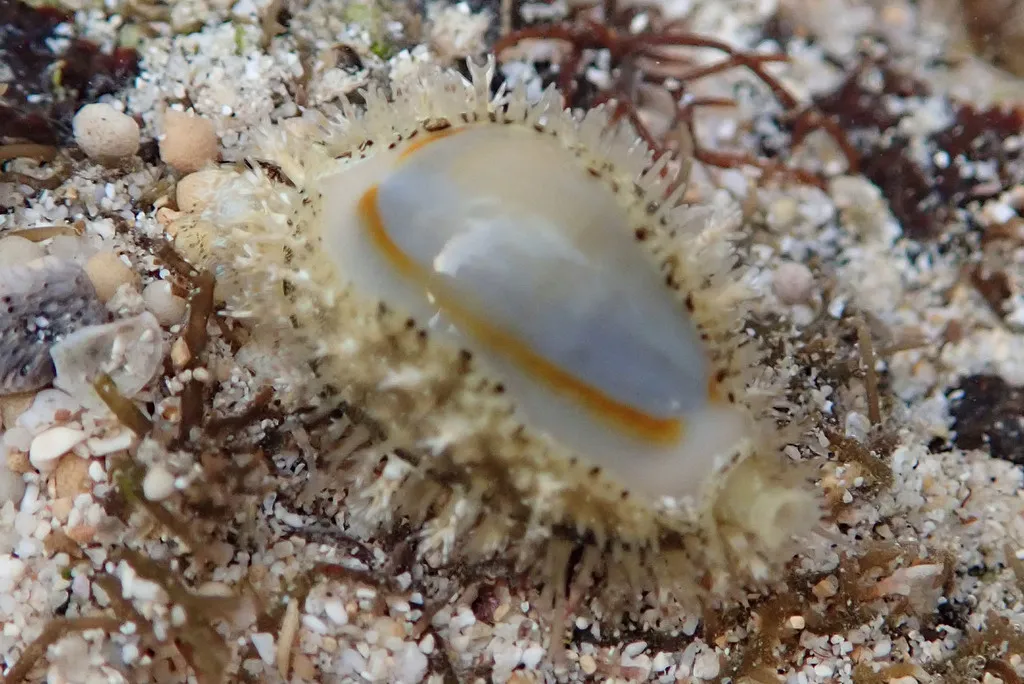
Ring cowrie
Monetaria annulus
Saltwater1.2 in (3 cm) · 20 gal (75 L)75–81°F (24–27°C)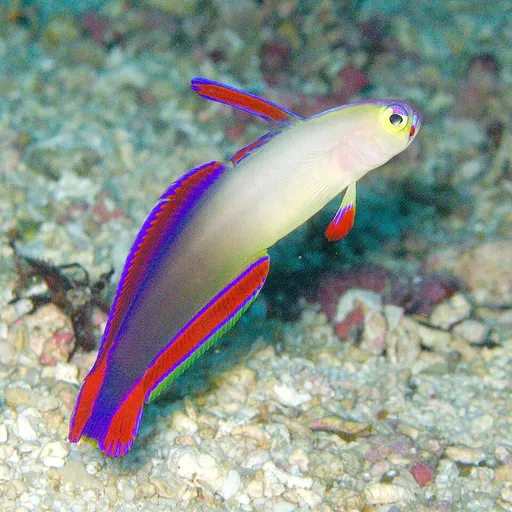
Purple firefish
Nemateleotris decora
Saltwater3.5 in (9 cm) · 20 gal (75 L)72–79°F (22–26°C)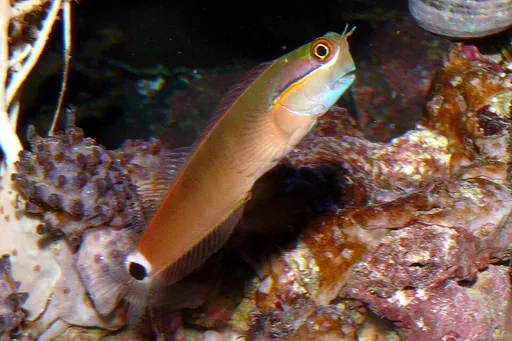
Tailspot blenny
Ecsenius stigmatura
Saltwater2.4 in (6 cm) · 20 gal (75 L)72–79°F (22–26°C)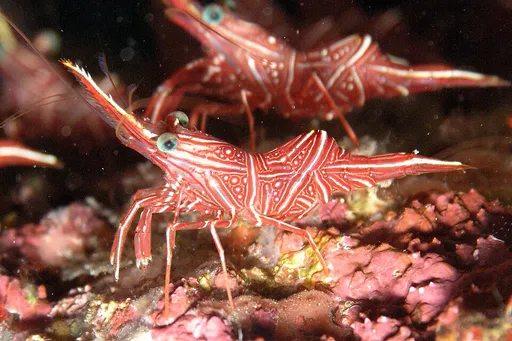
Camel / dancing shrimp
Rhynchocinetes durbanensis
Saltwater2 in (5 cm) · 16 gal (60 L)75–81°F (24–27°C)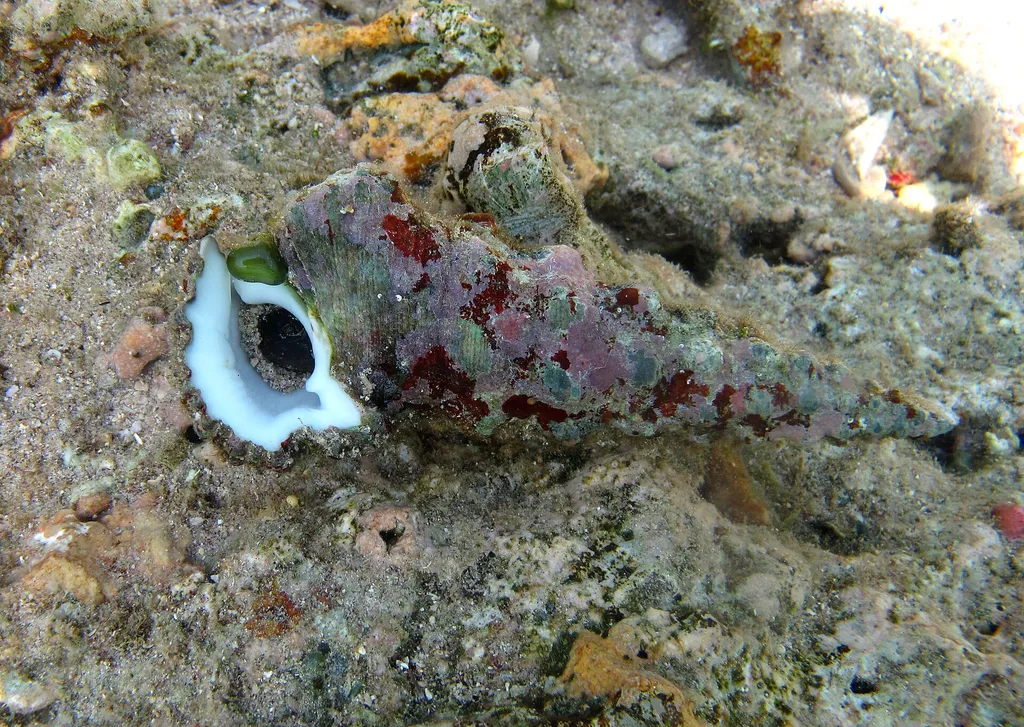
Cerith snail
Cerithium sp.
Saltwater1.6 in (4 cm) · 11 gal (40 L)72–79°F (22–26°C)
Common questions
What size tank does a skilletfish need?
A skilletfish needs at least 20 gal (76 L). It spends most of its time in the bottom.
What temperature and pH does a skilletfish need?
A skilletfish is comfortable at 72–79°F (22–26°C) with a pH of 8.1–8.4.
What does a skilletfish eat?
A skilletfish takes mysis, brine shrimp and small pellets without fuss. It will also eat bristleworms, amphipods and any shrimp small enough to swallow.
How big does a skilletfish get?
An adult skilletfish reaches about 3.1 in (8 cm).
How does a skilletfish breed?
Skilletfish spawn inside empty oyster shells and glue a few hundred amber eggs to the shell. The eggs are guarded until they hatch, and breeding is moderately hard.
Related species
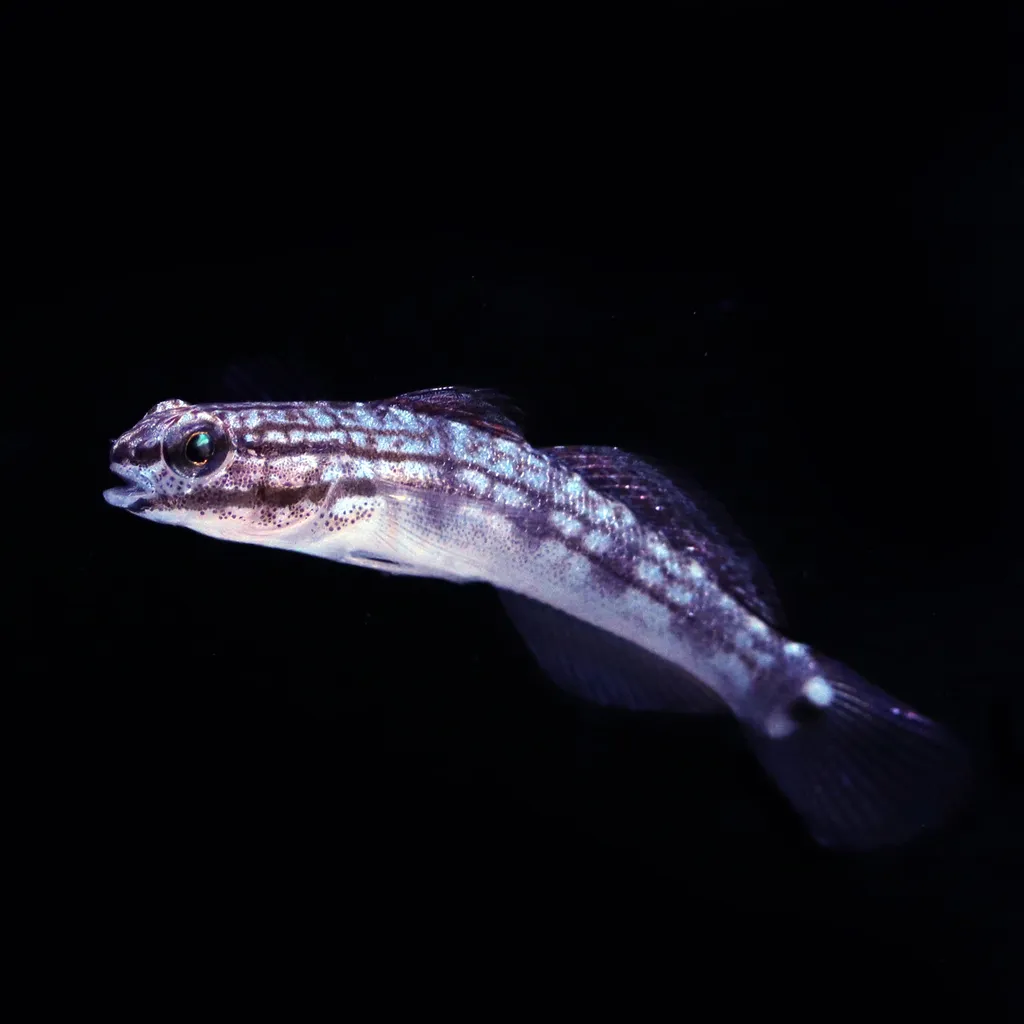 3.1 in (8 cm)20 gal (75 L)73–81°F (23–27°C)
Buan's sleeper goby
Amblygobius buanensis
3.1 in (8 cm) · 20 gal (75 L)
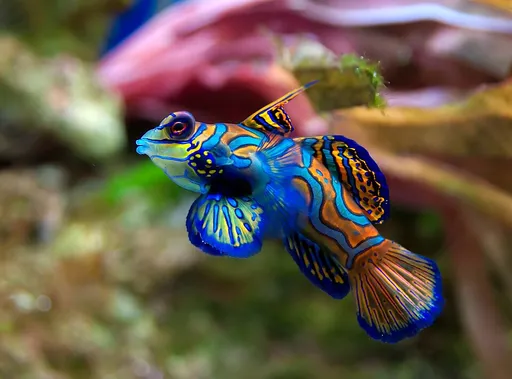 3.1 in (8 cm)53 gal (200 L)75–81°F (24–27°C)
Green mandarin dragonet
Synchiropus splendidus
3.1 in (8 cm) · 53 gal (200 L)
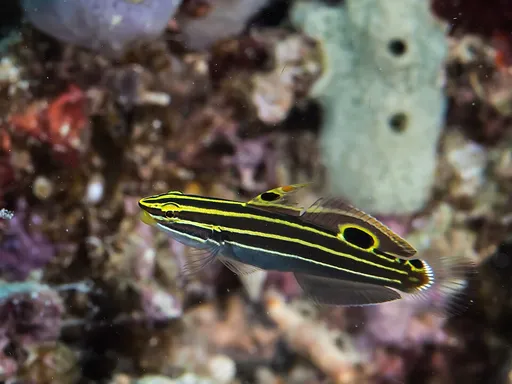 3.1 in (8 cm)20 gal (75 L)73–81°F (23–27°C)
Hector's goby
Koumansetta hectori
3.1 in (8 cm) · 20 gal (75 L)
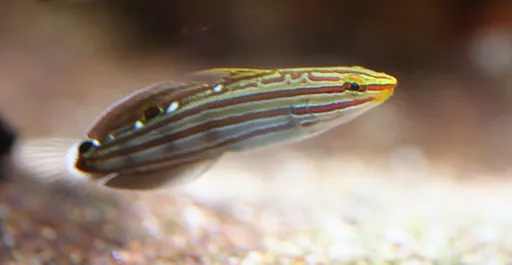 3.1 in (8 cm)20 gal (75 L)72–79°F (22–26°C)
Rainford's goby
Koumansetta rainfordi
3.1 in (8 cm) · 20 gal (75 L)
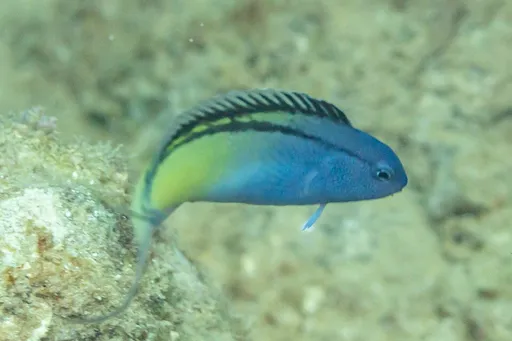 3.1 in (8 cm)20 gal (75 L)75–81°F (24–27°C)
Red Sea mimic blenny
Ecsenius gravieri
3.1 in (8 cm) · 20 gal (75 L)
 3.1 in (8 cm)29 gal (110 L)75–81°F (24–27°C)
Swissguard basslet
Liopropoma rubre
3.1 in (8 cm) · 29 gal (110 L)