Bumble bee snail
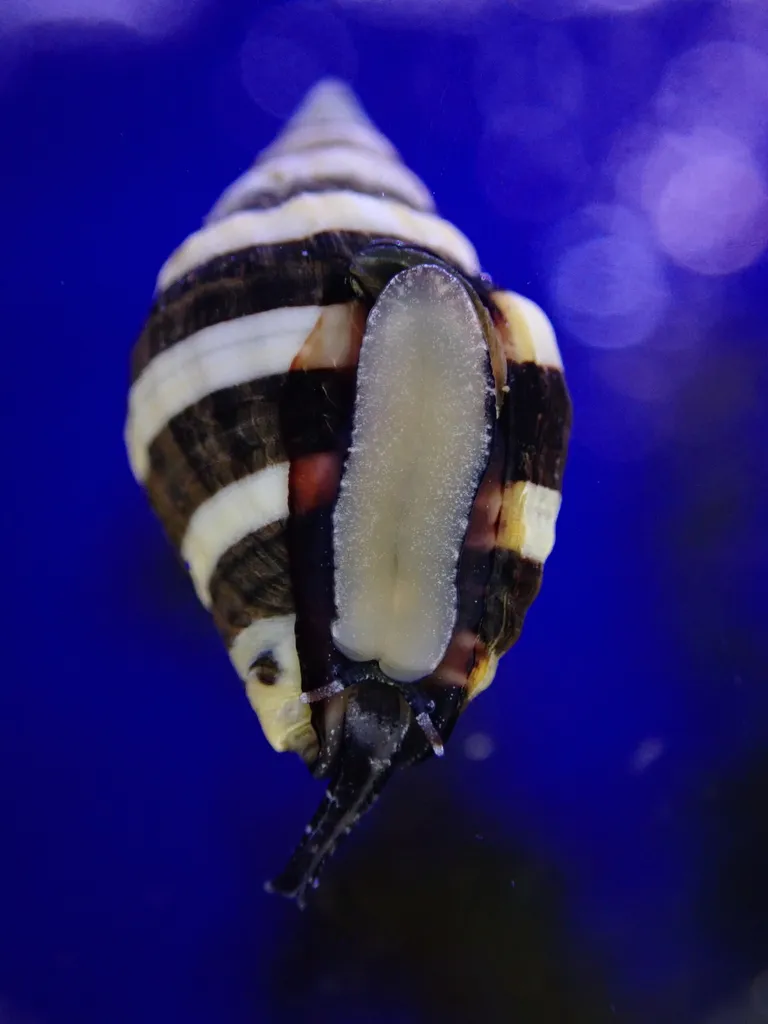
Engina mendicaria
Also known as Striped Engina, Bumblebee Snail, Pusiostoma mendicaria, Columbella mendicaria
SaltwaterSnail
Care at a glance
- Temperature
- 75–81°F
- 24–27°C
- pH
- 8.1–8.4
- Adult size
- 0.8 in
- 2 cm
- Minimum tank
- 11 gal
- 40 L
- Temperament
- Peaceful
- Social behavior
- Solitary
- Swim level
- Bottom
- Difficulty
- Beginner
- Breeding
- No record
- Rarity
- Common
- Reef safe
- Reef safe
- Family
- Pisaniidae
- Origin
- Indo-Pacific, from the Red Sea and East Africa across the Indian Ocean to Australia and the western Pacific
Overview
A carnivorous scavenger rather than an algae eater, patrolling rock and sand at night for detritus, leftover meaty food and carrion, and it is credited with picking off pest snails such as vermetids and pyramidellids along the way. Because it needs meaty food to stay fed, an established tank with real detritus and microfauna suits it better than a freshly cycled one. In a very clean or under-stocked tank it can turn on tankmates, going after small worms, bristleworms or other small snails when nothing else is available, so keep it fed with the odd sinking meaty food if the tank runs lean.
In the wild
Engina mendicaria lives on shallow reef flats and rubble across the Indo-Pacific, from the Red Sea and East Africa through the Indian Ocean to Australia and the western Pacific, tucked into rock crevices and sand pockets during the day. In the aquarium it wants an established system with plenty of live rock to hide in and a sand bed to forage over, since it spends daylight hours out of sight and only comes out to hunt once the lights go down.
Good to know
Engina mendicaria is a small marine snail in the family Pisaniidae, a group of whelk-like carnivorous gastropods; older references also list it under the names Columbella mendicaria and Pusiostoma mendicaria as its classification was revised over the years. Its yellow shell banded in rows of small black beaded ridges gives it a strong resemblance to a bee or wasp, which is where the common name comes from. It stays small, rarely growing past about 2 cm, and unlike the grazing snails in a cleanup crew it hunts and scavenges by smell rather than eating algae.
Did you know
Its black-and-yellow banded shell mimics a bee or wasp, but the resemblance ends there. It hunts other small invertebrates by smell after dark and has no interest in algae at all.
Weekly picks
Tank mates
Bumble bee snail is a peaceful, solitary species that keeps to the bottom. These picks share a community profile with it, are safe together in both directions, and overlap on water type, temperature and pH.
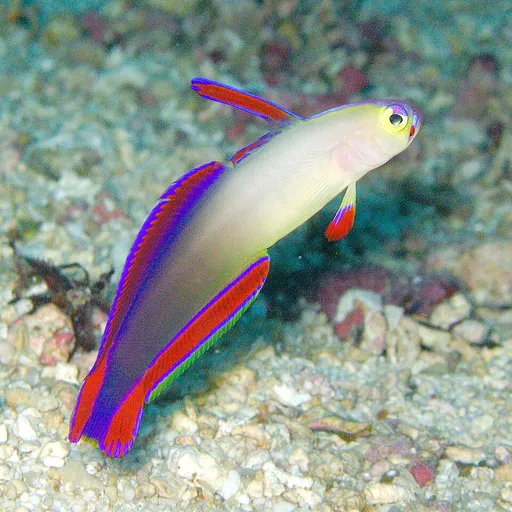
Purple firefish
Nemateleotris decora
Saltwater3.5 in (9 cm) · 20 gal (75 L)72–79°F (22–26°C)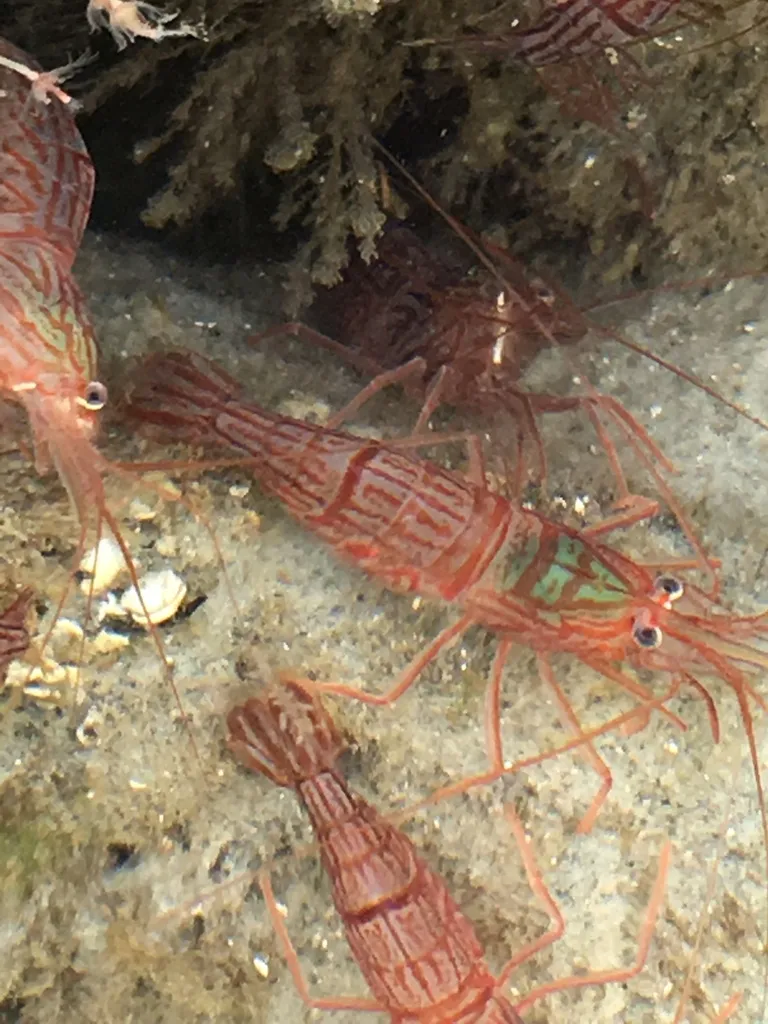
Peppermint shrimp
Lysmata wurdemanni
Saltwater2 in (5 cm) · 11 gal (40 L)72–81°F (22–27°C)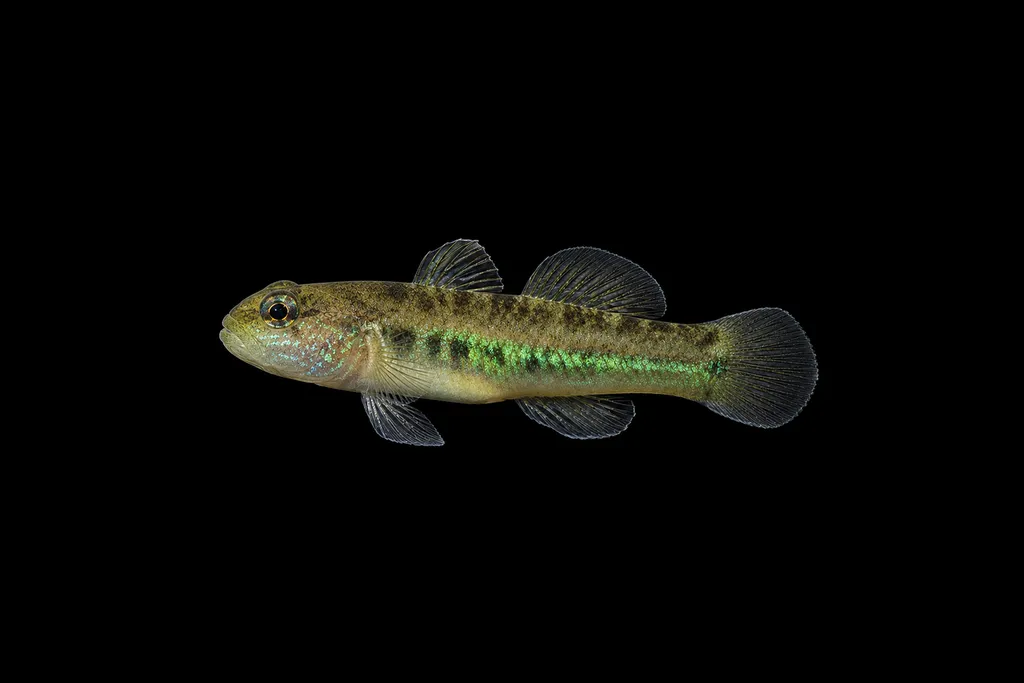
Panamanian greenbanded goby
Tigrigobius panamensis
Saltwater1.2 in (3 cm) · 11 gal (40 L)75–81°F (24–27°C)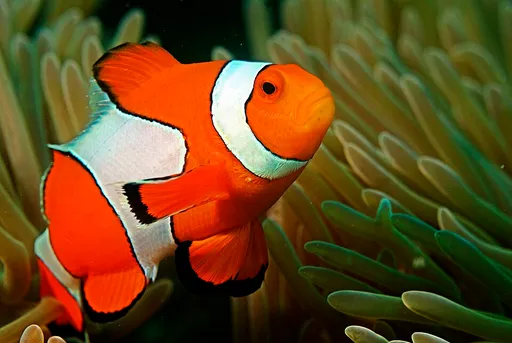
Ocellaris clownfish
Amphiprion ocellaris
Saltwater3.1 in (8 cm) · 20 gal (75 L)75–82°F (24–28°C)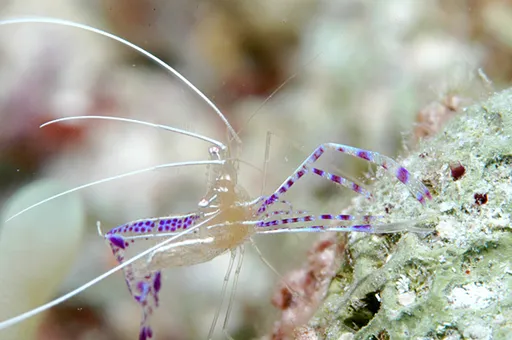
Pederson's cleaner shrimp
Ancylomenes pedersoni
Saltwater1.2 in (3 cm) · 11 gal (40 L)73–81°F (23–27°C)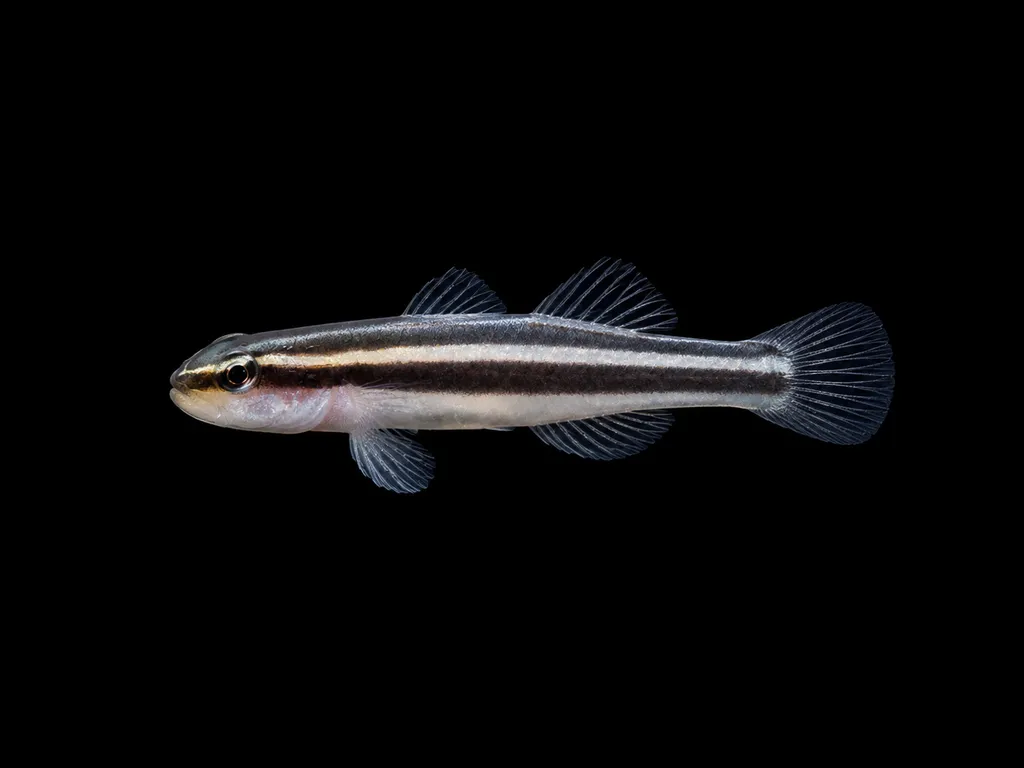
Broadstripe cleaner goby
Elacatinus prochilos
Saltwater1.6 in (4 cm) · 11 gal (40 L)72–79°F (22–26°C)
Common questions
What size tank does a Bumble bee snail need?
A Bumble bee snail needs at least 11 gal (40 L). It spends most of its time in the bottom.
What temperature and pH does a Bumble bee snail need?
A Bumble bee snail is comfortable at 75–81°F (24–27°C) with a pH of 8.1–8.4.
How big does a Bumble bee snail get?
An adult Bumble bee snail reaches about 0.8 in (2 cm).
Related species
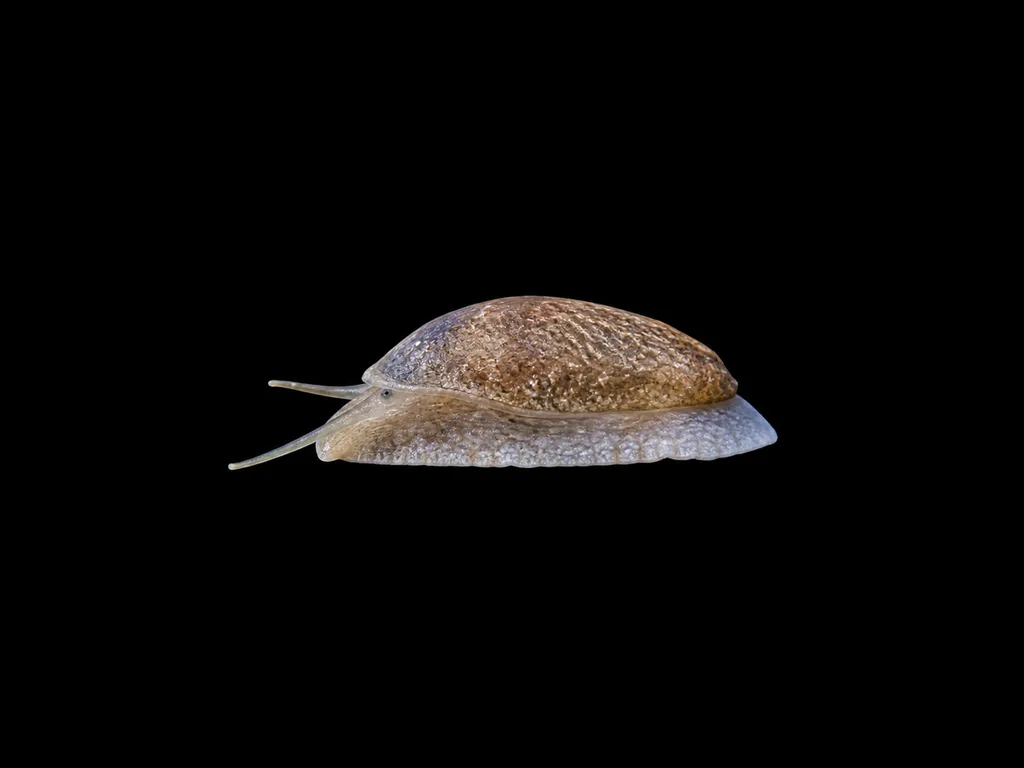 0.8 in (2 cm)11 gal (40 L)75–81°F (24–27°C)
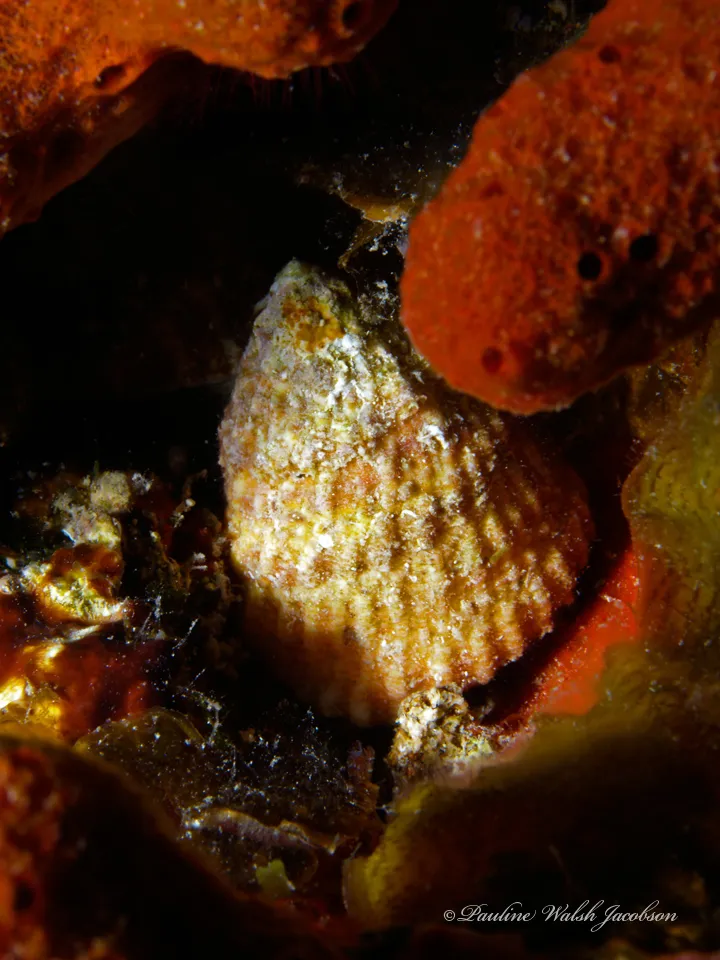
Stomatella snail
Stomatella varia
0.8 in (2 cm) · 11 gal (40 L)
 1 in (2.5 cm)11 gal (40 L)72–79°F (22–26°C)
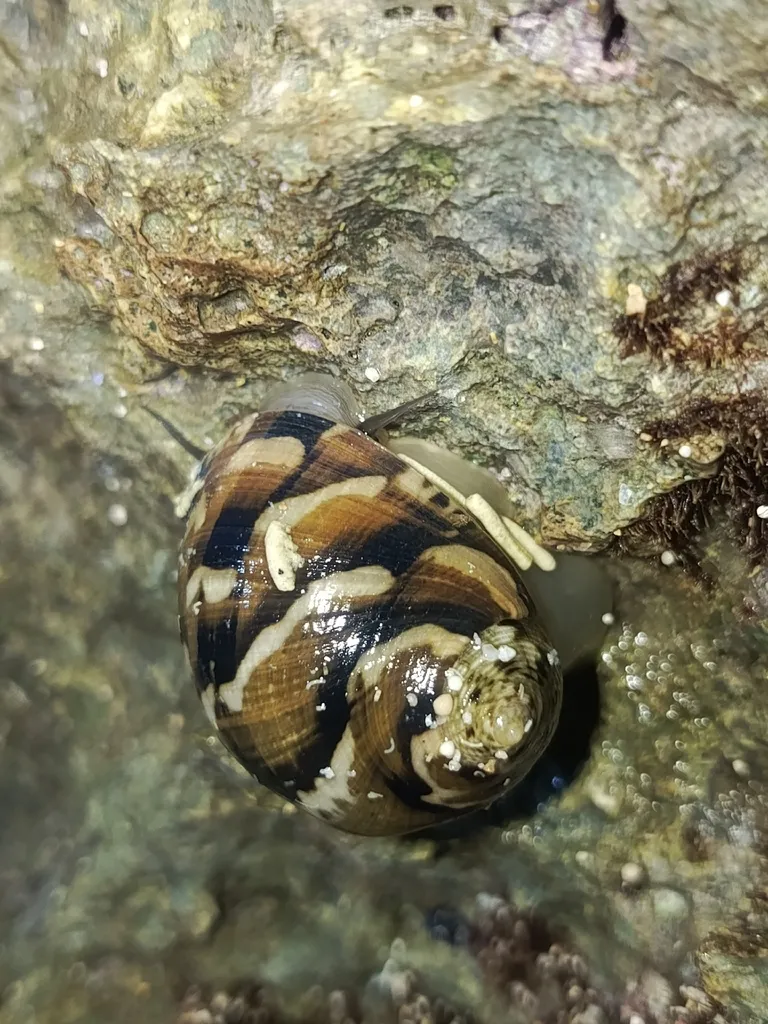
Astraea turbo snail
Astraea tecta
1 in (2.5 cm) · 11 gal (40 L)
 1 in (2.5 cm)11 gal (40 L)72–79°F (22–26°C)
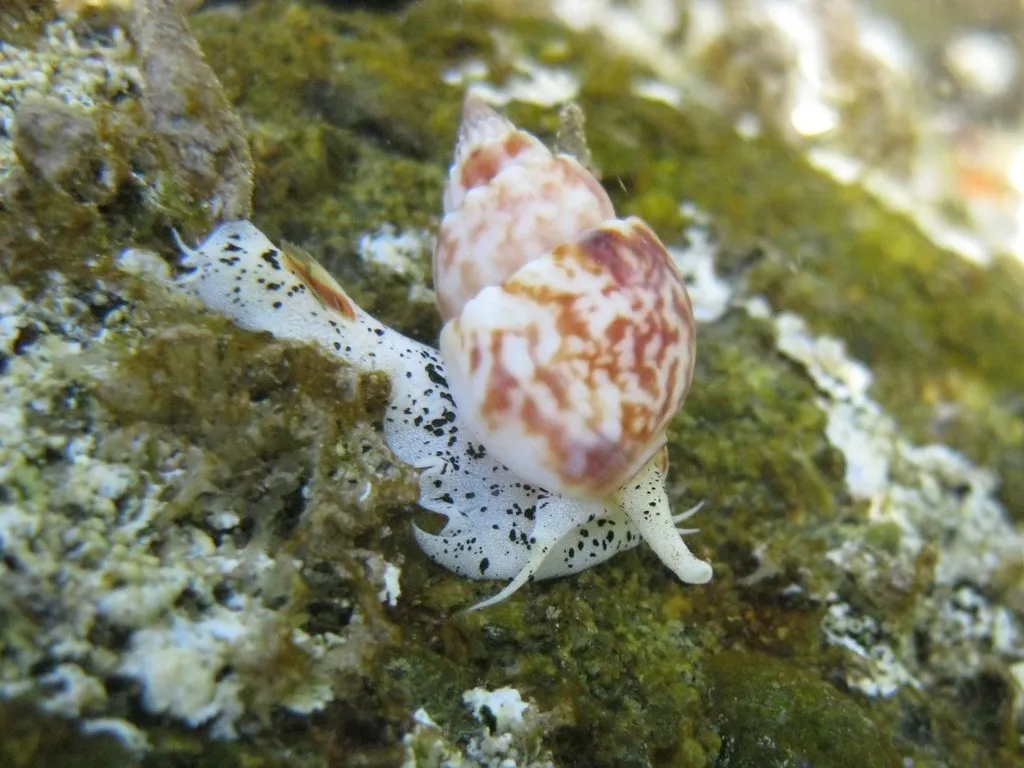
Marine nerite snail
Nerita sp.
1 in (2.5 cm) · 11 gal (40 L)
 1 in (2.5 cm)11 gal (40 L)72–79°F (22–26°C)
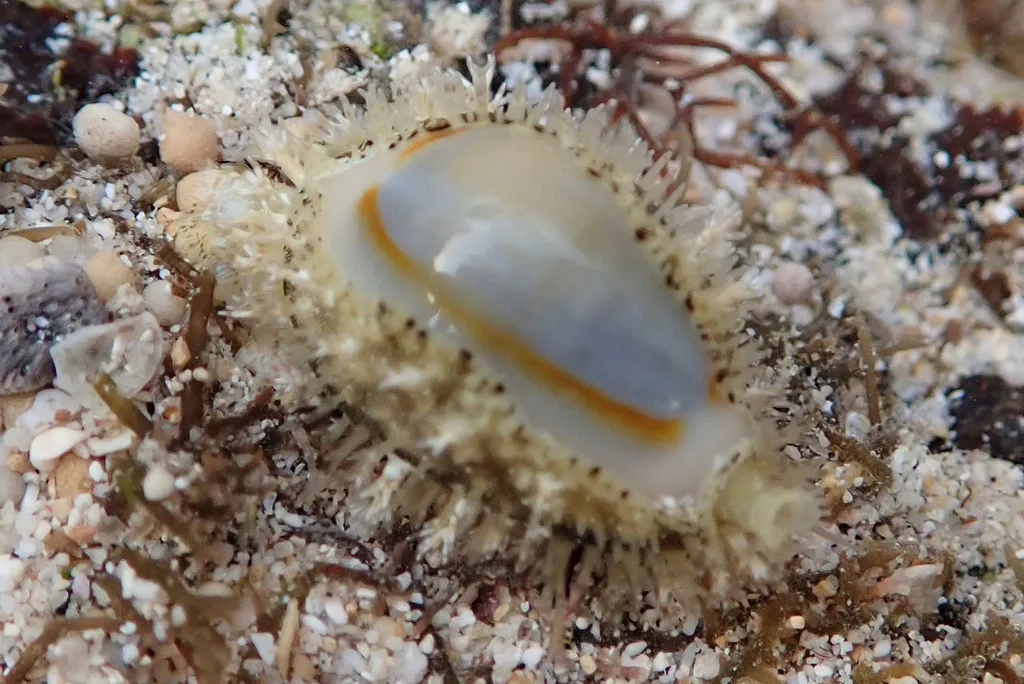
Nassarius snail
Nassarius sp.
1 in (2.5 cm) · 11 gal (40 L)
 1.2 in (3 cm)20 gal (75 L)75–81°F (24–27°C)
Ring cowrie
Monetaria annulus
1.2 in (3 cm) · 20 gal (75 L)
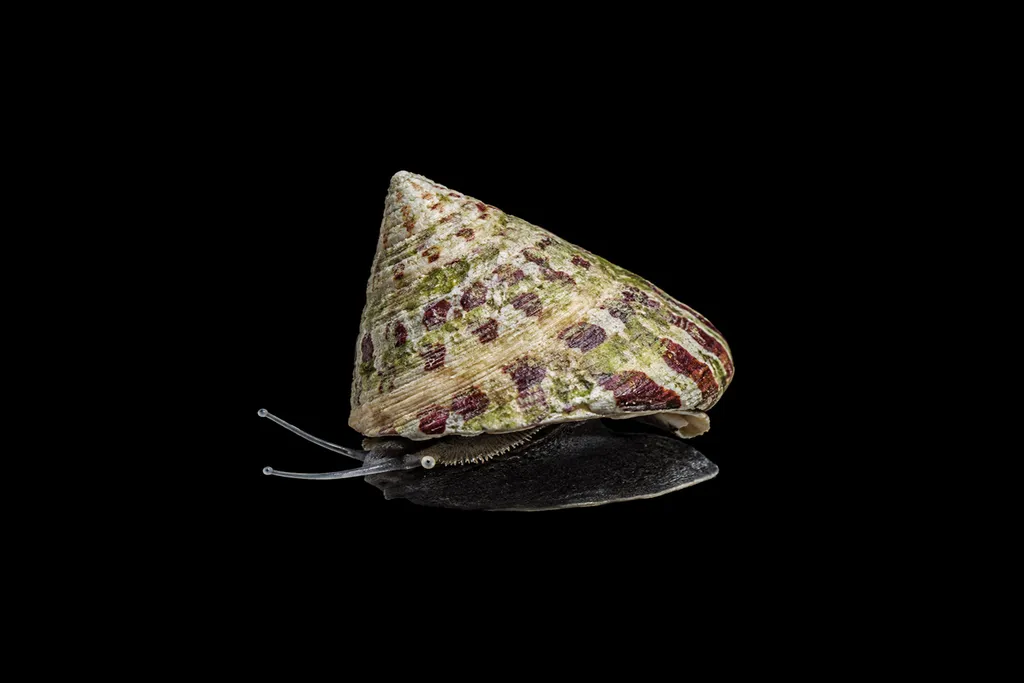 1.2 in (3 cm)11 gal (40 L)72–79°F (22–26°C)
Trochus snail
Trochus sp.
1.2 in (3 cm) · 11 gal (40 L)