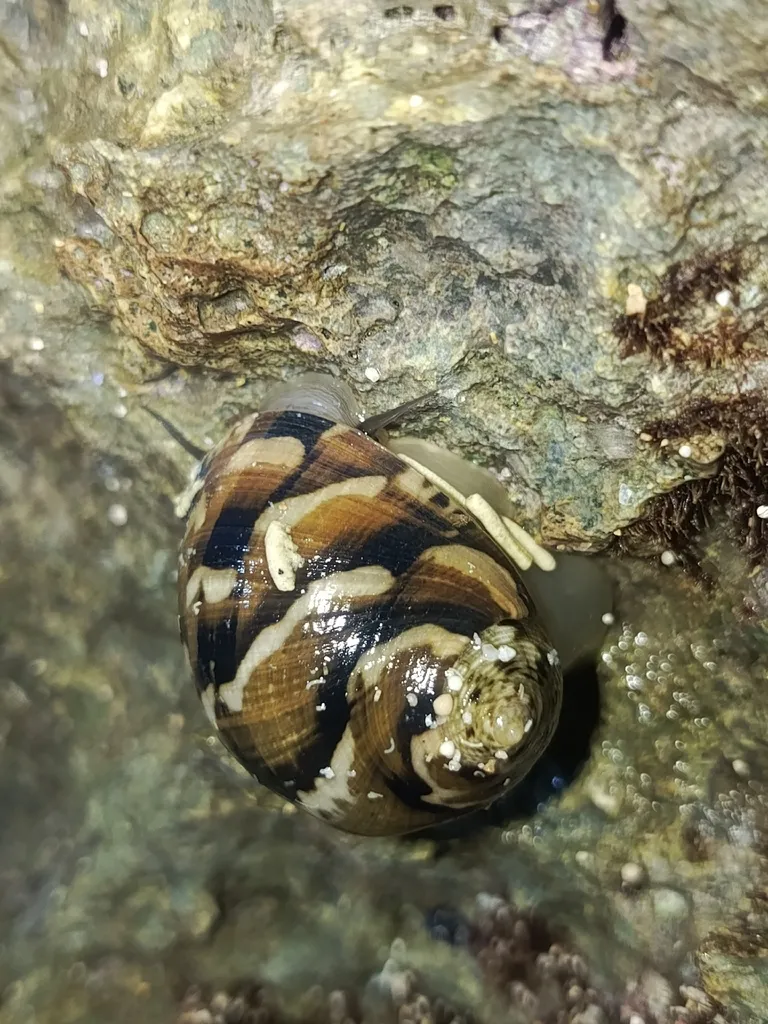
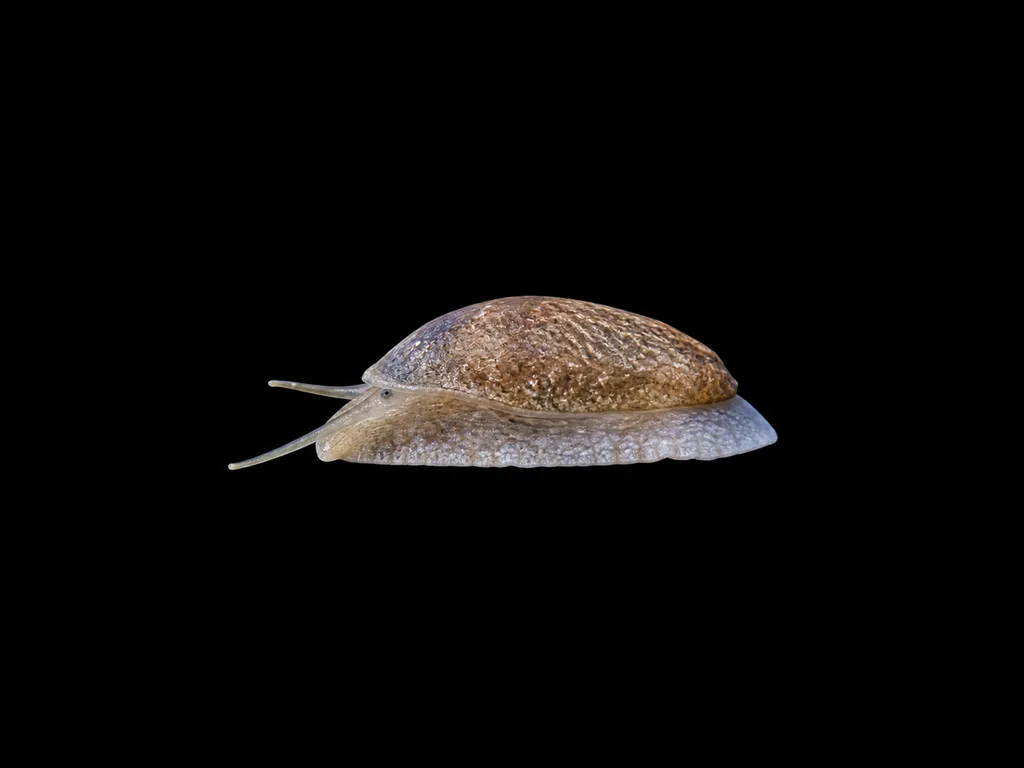
Marine nerite snail
Nerita sp.
Also known as Nerite Snail, Vittina sp., Zebra Nerite
SaltwaterSnail
Care at a glance
- Temperature
- 72–79°F
- 22–26°C
- pH
- 8.1–8.4
- Adult size
- 1 in
- 2.5 cm
- Minimum tank
- 11 gal
- 40 L
- Temperament
- Peaceful
- Social behavior
- Social
- Swim level
- Bottom
- Diet
- Herbivore
- Difficulty
- Beginner
- Breeding
- Egg layer · Hard
- Rarity
- Common
- Reef safe
- Reef safe
- Family
- Neritidae
- Origin
- Intertidal Pacific and Caribbean
Overview
The marine nerite snail is a small, peaceful algae grazer and a favorite for nano reefs. It is easy to keep.
Did you know
Marine nerite snails are widely rated among the most efficient algae eaters in the hobby. Besides algae, they take several cyanobacteria, including Lyngbya.
Caring for the marine nerite snail
Give a marine nerite snail a tank of at least 11 gal (40 L). It tends to climb out of open-top tanks, especially right after you add it. A lid or a thick rim lip keeps it from wandering out.
Keep the water at 72 to 79°F (22 to 26°C) with a pH of 8.1 to 8.4. Like other snails, it is sensitive to copper and high nitrate. It works the live rock and glass hard, grazing diatoms, film algae and finer hair algae.
The marine nerite snail is peaceful and reef safe, and it gets on fine alone or in a group. It is small enough that it never disturbs corals or rockwork.
It lays small white egg capsules on hard surfaces all over the tank. Its larvae need saltwater and are extremely difficult to raise, so they almost never survive in captivity. Despite the constant egg-laying, the population never grows.
Good to know
The marine nerite snail belongs to the family Neritidae. Nerita and the closely related Vittina are round, hard-shelled snails with highly variable markings.
In the wild
Marine nerite snails live in the intertidal zones of the Pacific and Caribbean, grazing rock in the splash and surge zone. That intertidal background is why they often try to climb above the waterline.
Weekly picks
Tank mates
The marine nerite snail is a peaceful, social species that keeps to the bottom. These picks share a community profile with it, are safe together in both directions, and overlap on water type, temperature and pH.
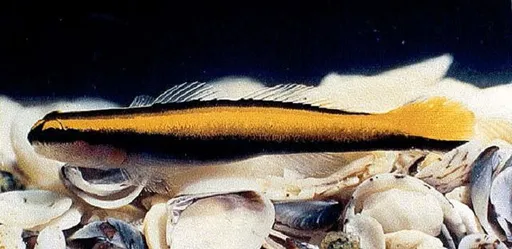
Barber goby
Elacatinus figaro
Saltwater1.6 in (4 cm) · 11 gal (40 L)72–79°F (22–26°C)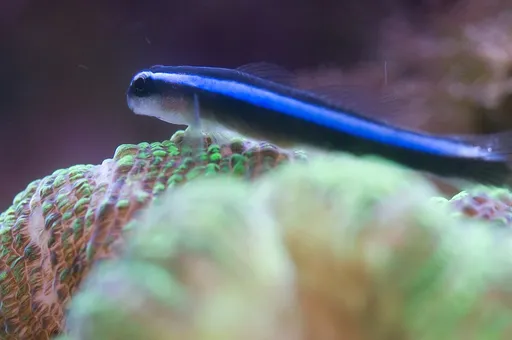
Neon goby
Elacatinus oceanops
Saltwater2 in (5 cm) · 11 gal (40 L)72–79°F (22–26°C)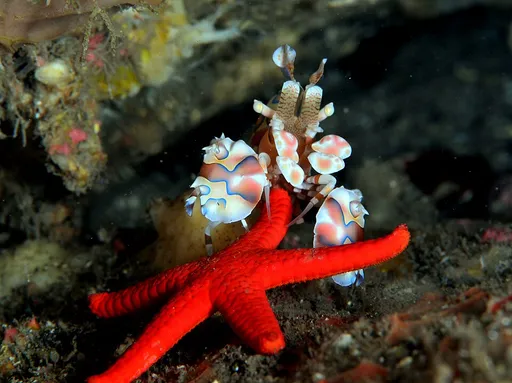
Harlequin shrimp
Hymenocera picta
Saltwater2 in (5 cm) · 11 gal (40 L)75–81°F (24–27°C)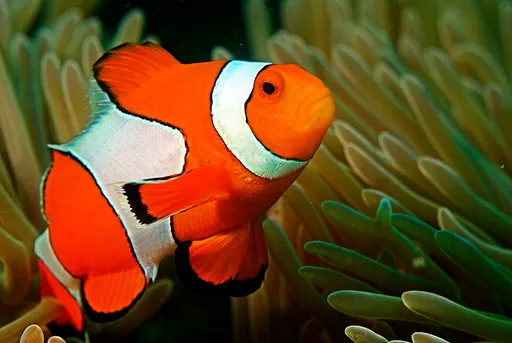
Ocellaris clownfish
Amphiprion ocellaris
Saltwater3.1 in (8 cm) · 20 gal (75 L)75–82°F (24–28°C)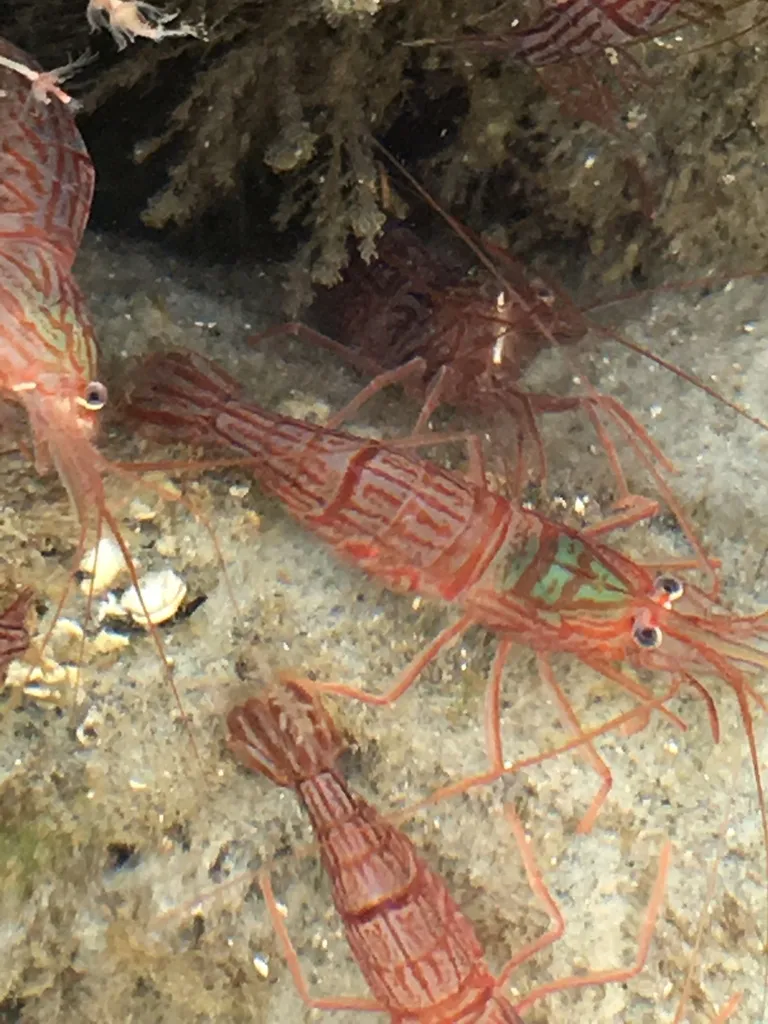
Peppermint shrimp
Lysmata wurdemanni
Saltwater2 in (5 cm) · 11 gal (40 L)72–81°F (22–27°C)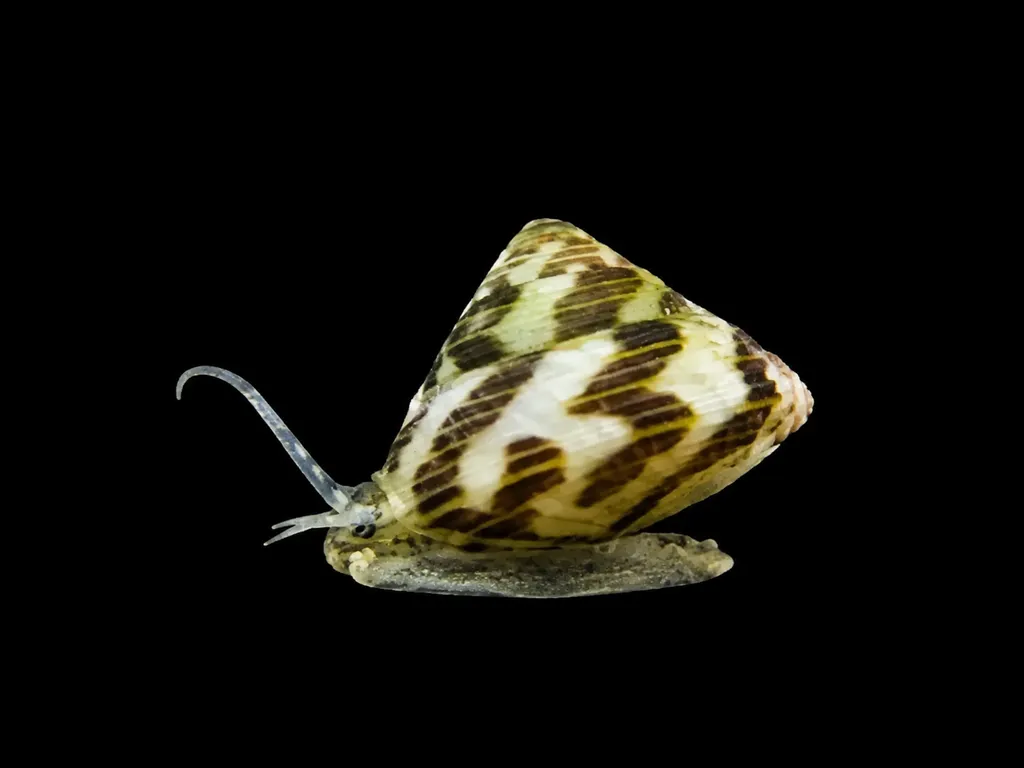
Mini trochus snail
Collonista sp.
Saltwater0.2 in (0.6 cm) · 5 gal (20 L)73–81°F (23–27°C)
Common questions
What size tank does a marine nerite snail need?
A marine nerite snail needs at least 11 gal (40 L). It spends most of its time in the bottom.
What temperature and pH does a marine nerite snail need?
A marine nerite snail is comfortable at 72–79°F (22–26°C) with a pH of 8.1–8.4.
What does a marine nerite snail eat?
A marine nerite snail grazes diatoms, film algae and finer hair algae off live rock and glass.
How big does a marine nerite snail get?
An adult marine nerite snail reaches about 1 in (2.5 cm).
How does a marine nerite snail breed?
A marine nerite snail lays small white egg capsules on hard surfaces all over the tank. Its larvae are extremely difficult to raise and almost never survive in captivity, so the population never grows.
Related species
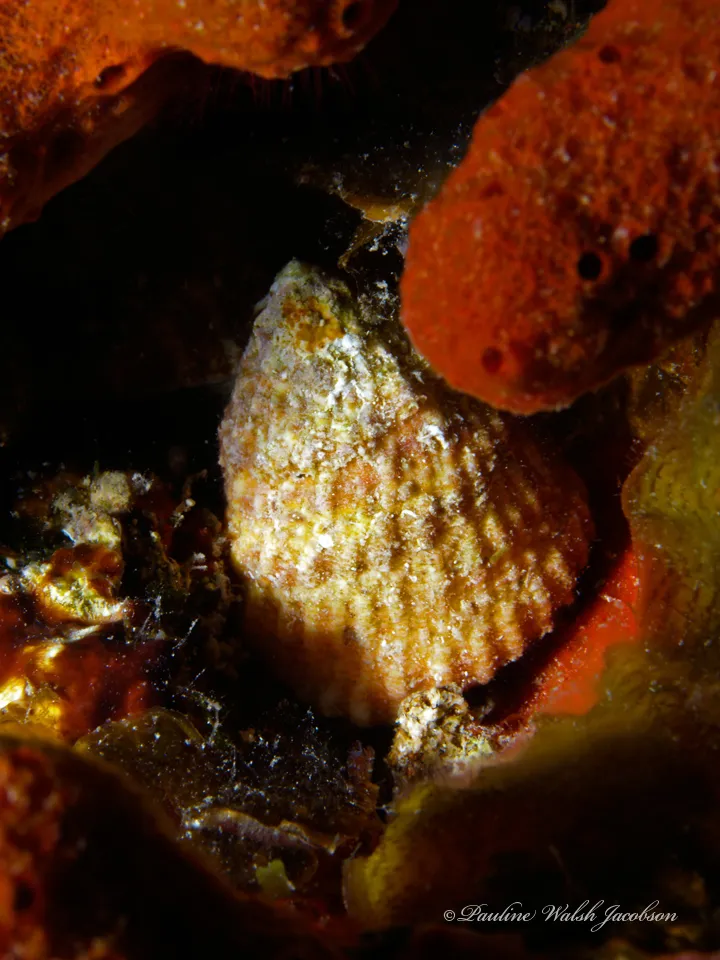 1 in (2.5 cm)11 gal (40 L)72–79°F (22–26°C)
Astraea turbo snail
Astraea tecta
1 in (2.5 cm) · 11 gal (40 L)
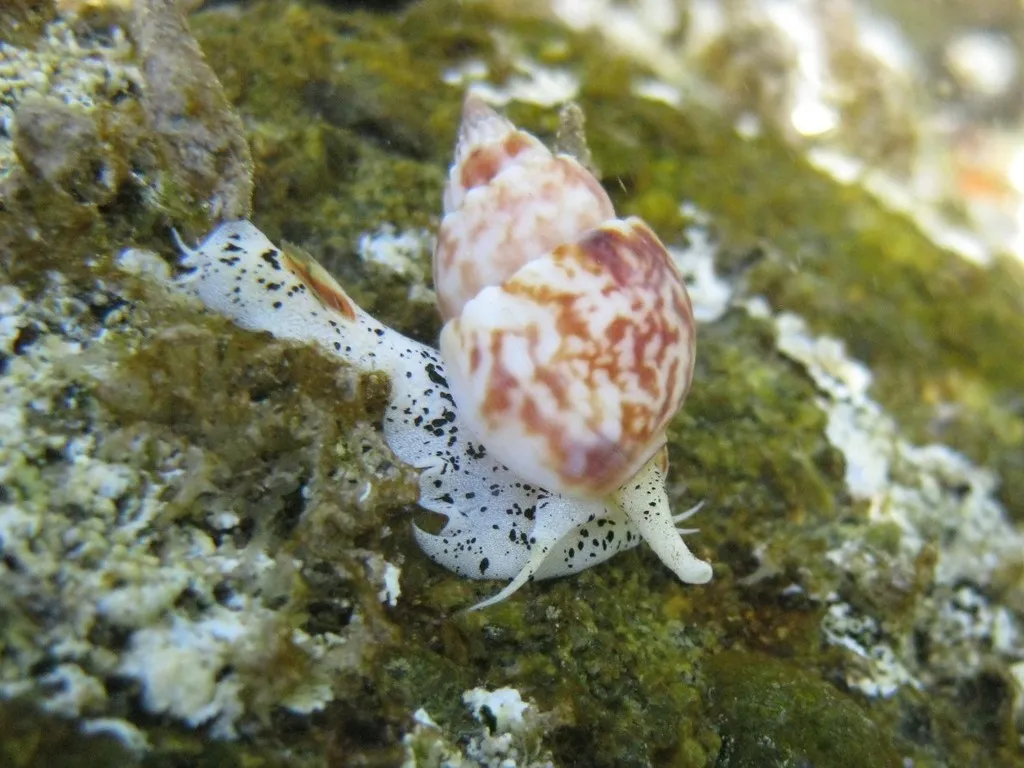 1 in (2.5 cm)11 gal (40 L)72–79°F (22–26°C)
Nassarius snail
Nassarius sp.
1 in (2.5 cm) · 11 gal (40 L)
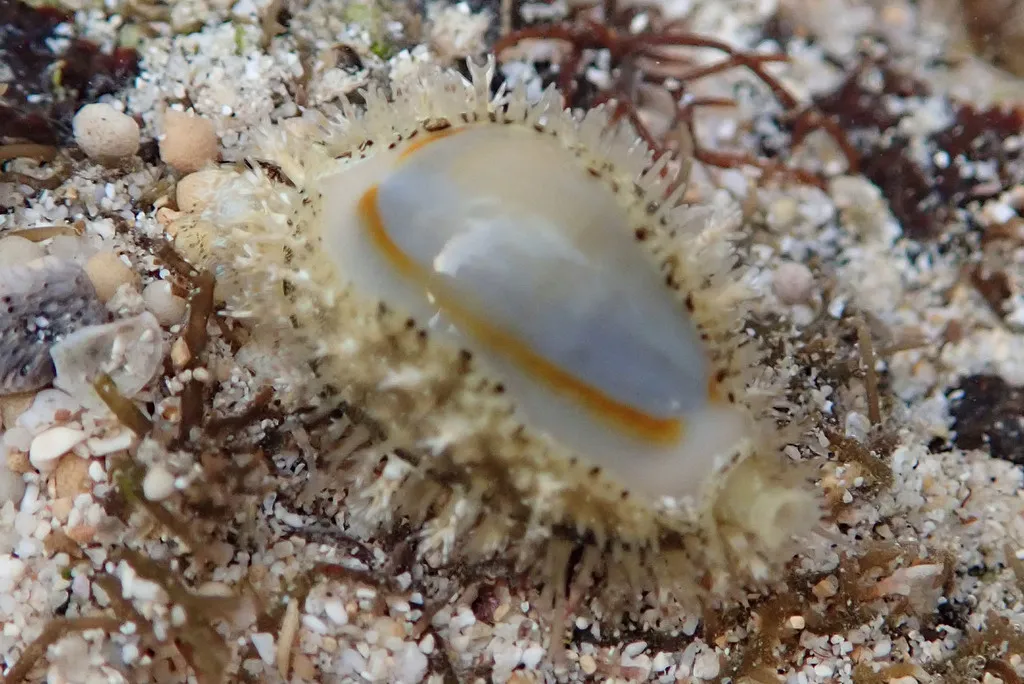 1.2 in (3 cm)20 gal (75 L)75–81°F (24–27°C)
Ring cowrie
Monetaria annulus
1.2 in (3 cm) · 20 gal (75 L)
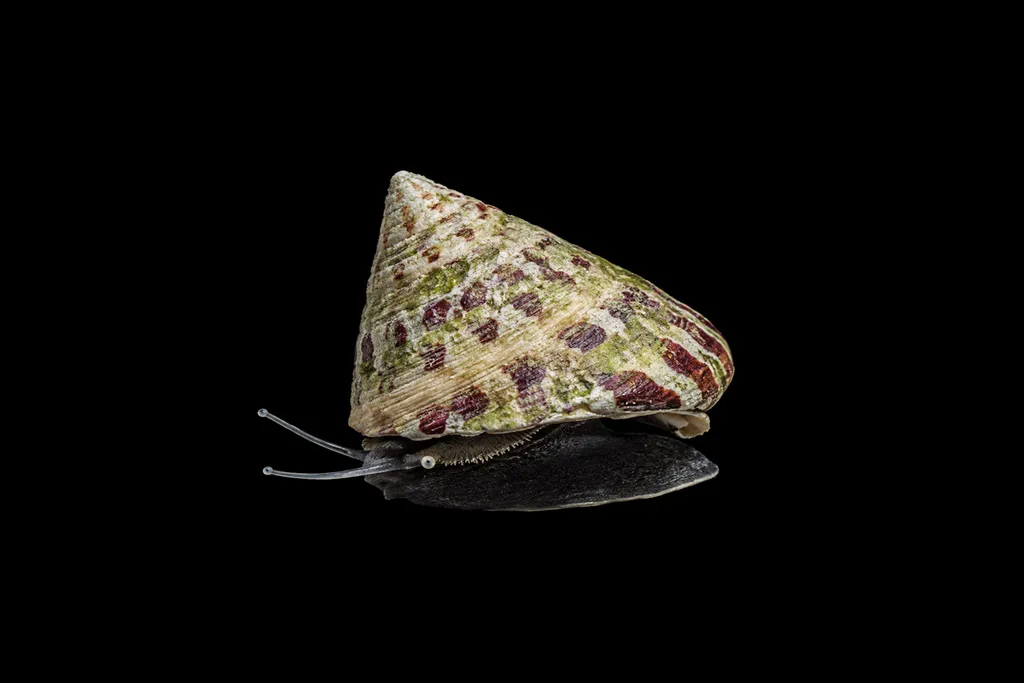 1.2 in (3 cm)11 gal (40 L)72–79°F (22–26°C)
Trochus snail
Trochus sp.
1.2 in (3 cm) · 11 gal (40 L)
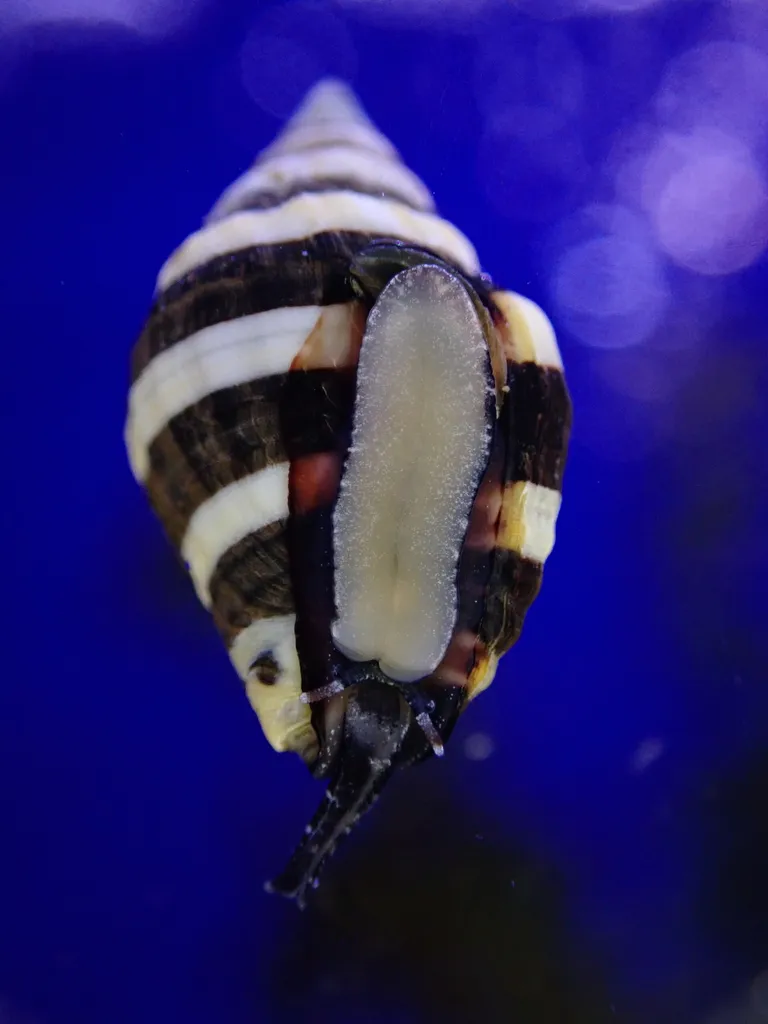 0.8 in (2 cm)11 gal (40 L)75–81°F (24–27°C)
Bumble bee snail
Engina mendicaria
0.8 in (2 cm) · 11 gal (40 L)
 0.8 in (2 cm)11 gal (40 L)75–81°F (24–27°C)
Stomatella snail
Stomatella varia
0.8 in (2 cm) · 11 gal (40 L)