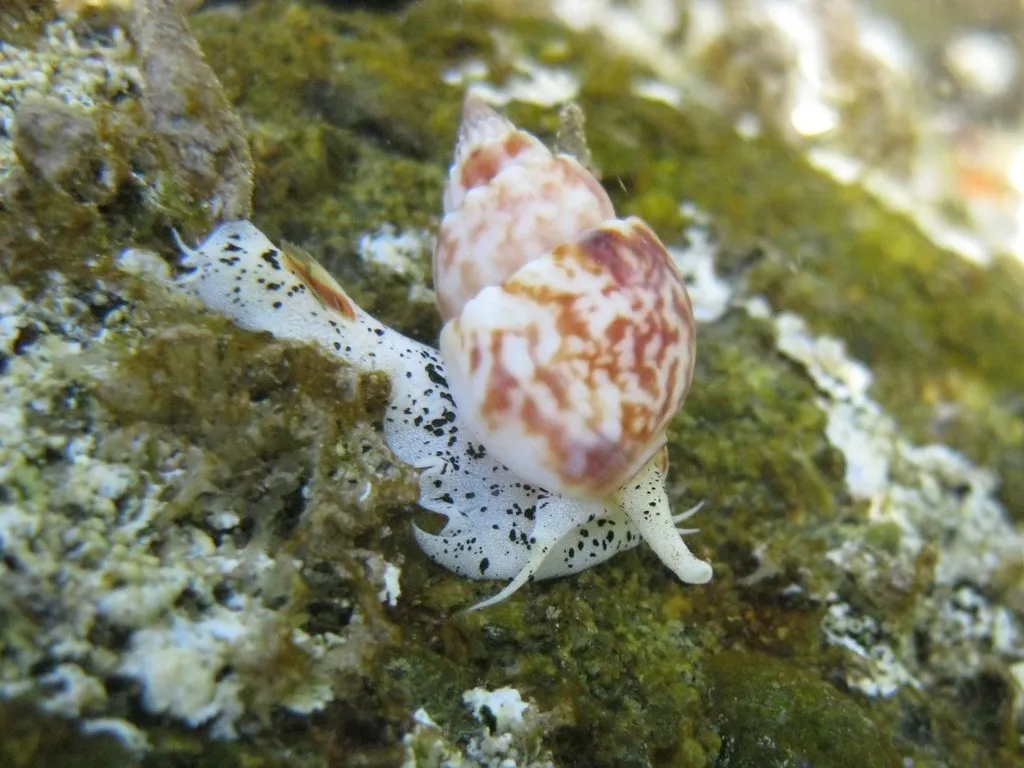
Nassarius snail
Nassarius sp.
Also known as Super Tongan Nassarius, Zombie Snail
SaltwaterSnail
Care at a glance
- Temperature
- 72–79°F
- 22–26°C
- pH
- 8.1–8.4
- Adult size
- 1 in
- 2.5 cm
- Minimum tank
- 11 gal
- 40 L
- Temperament
- Peaceful
- Social behavior
- Social
- Swim level
- Bottom
- Difficulty
- Beginner
- Breeding
- No record
- Rarity
- Common
- Reef safe
- Reef safe
- Family
- Nassariidae
- Origin
- Indo-Pacific and Atlantic (species dependent)
Overview
A peaceful detritivore that patrols under the sand eating leftover meaty food, detritus, and decaying matter, and its constant burrowing keeps the sand bed turned over and aerated. It ignores corals and algae almost entirely, so it is a scavenger rather than an algae grazer. It works best in tanks with an open sand bed and gets along fine in groups.
In the wild
Nassarius snails are sand-dwelling scavengers that live buried in soft substrate with only their long tube-like siphon poking out to smell for food. They need an established tank with a sand bed to burrow in, ideally a few centimetres deep of fine aragonite. They are sensitive to high nitrate and copper-based medications like other marine snails.
Good to know
Nassarius are mud and dog whelks (family Nassariidae) that detect food by scent through an extended siphon. When food hits the water they erupt from the sand almost instantly, which earns them the nickname zombie snails. The smaller common types stay around 1.5 to 2 cm while the larger Super or Tongan Nassarius reaches roughly 2.5 cm.
Did you know
They stay buried until they smell food, then burst out of the sand all at once to swarm a dropped morsel, which is why hobbyists call them zombie snails.
Weekly picks
Tank mates
Nassarius snail is a peaceful, social species that keeps to the bottom. These picks share a community profile with it, are safe together in both directions, and overlap on water type, temperature and pH.
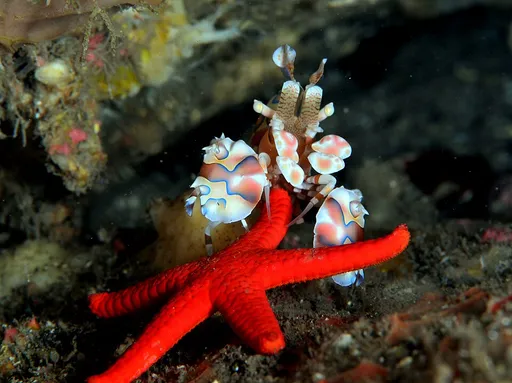
Harlequin shrimp
Hymenocera picta
Saltwater2 in (5 cm) · 11 gal (40 L)75–81°F (24–27°C)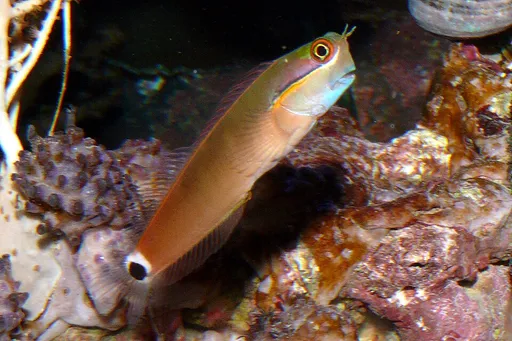
Tailspot blenny
Ecsenius stigmatura
Saltwater2.4 in (6 cm) · 20 gal (75 L)72–79°F (22–26°C)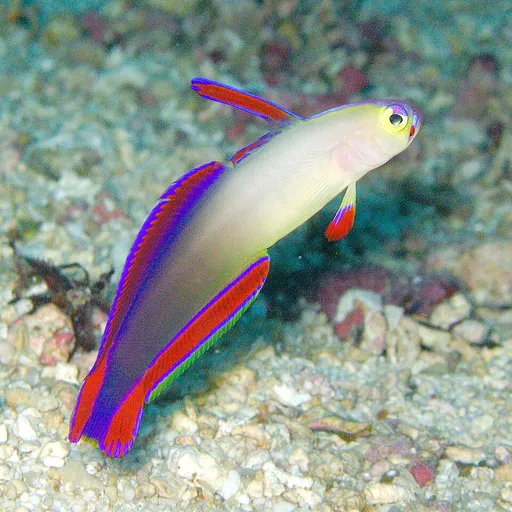
Purple firefish
Nemateleotris decora
Saltwater3.5 in (9 cm) · 20 gal (75 L)72–79°F (22–26°C)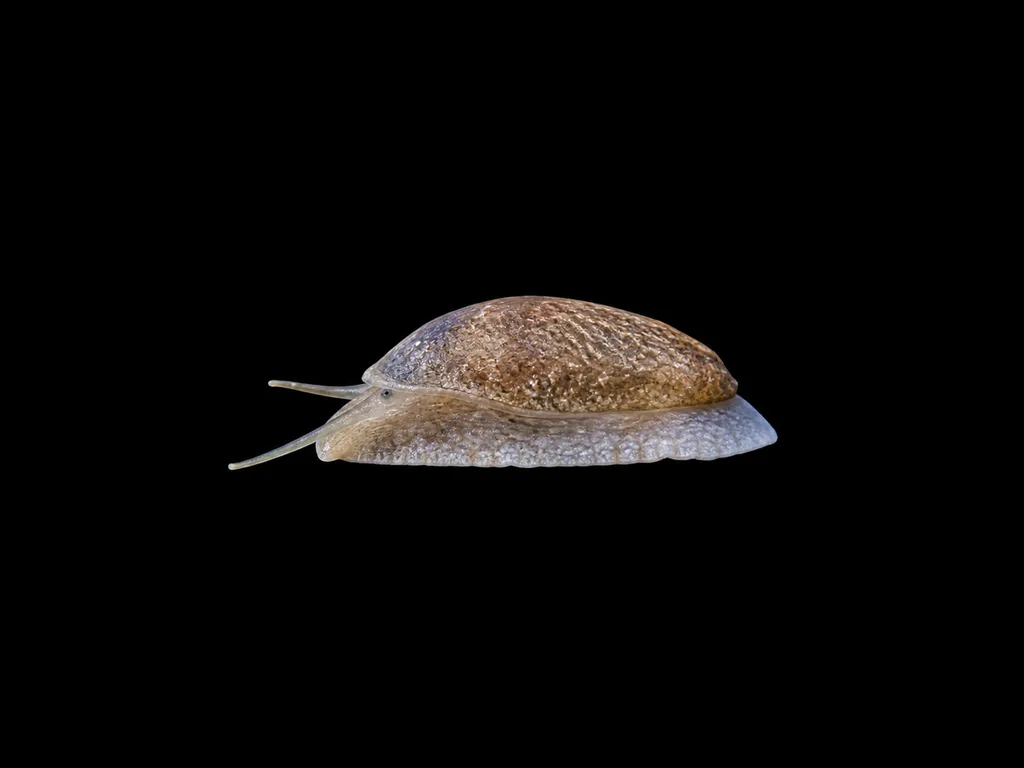
Stomatella snail
Stomatella varia
Saltwater0.8 in (2 cm) · 11 gal (40 L)75–81°F (24–27°C)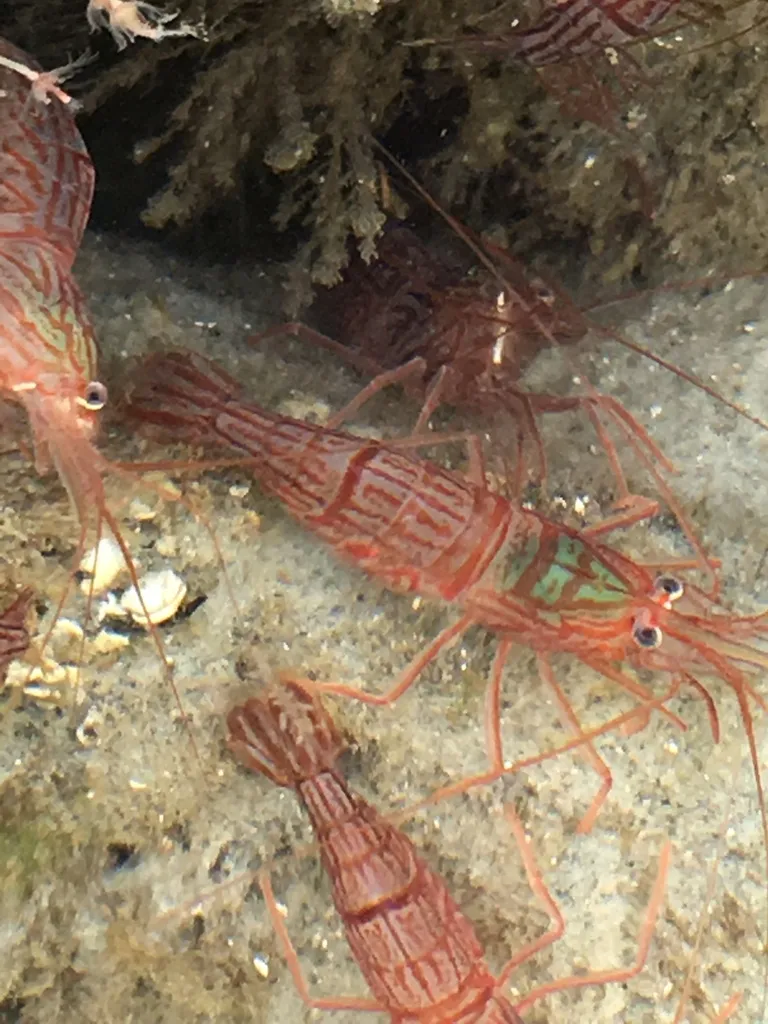
Peppermint shrimp
Lysmata wurdemanni
Saltwater2 in (5 cm) · 11 gal (40 L)72–81°F (22–27°C)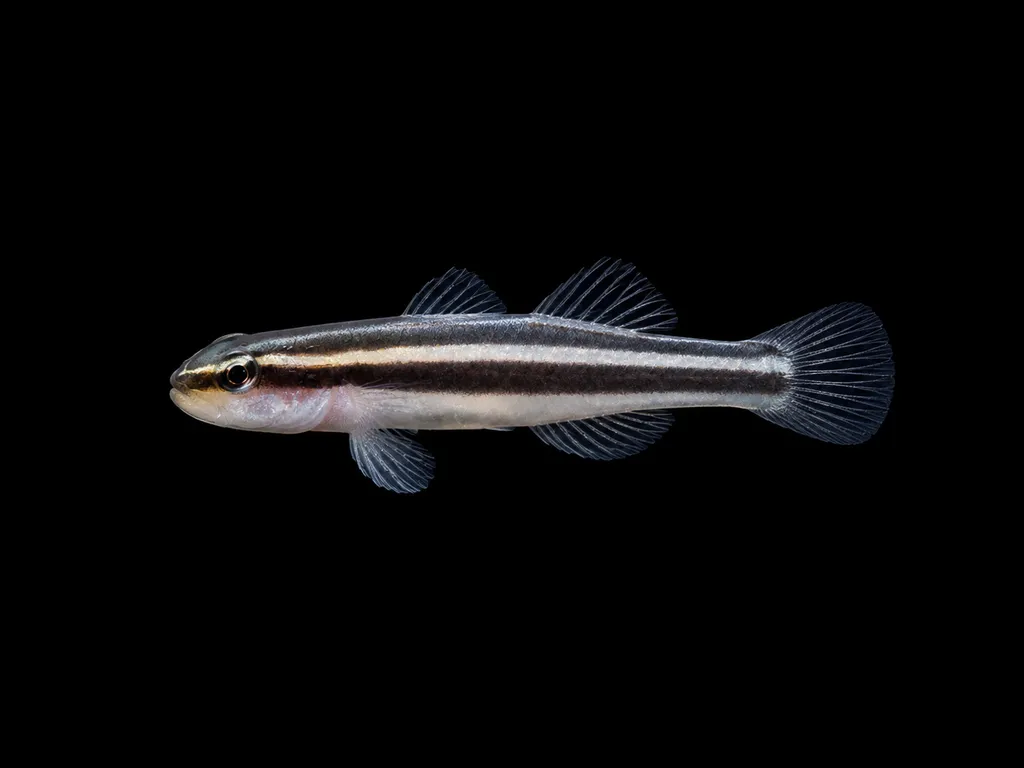
Broadstripe cleaner goby
Elacatinus prochilos
Saltwater1.6 in (4 cm) · 11 gal (40 L)72–79°F (22–26°C)
Common questions
What size tank does a Nassarius snail need?
A Nassarius snail needs at least 11 gal (40 L). It spends most of its time in the bottom.
What temperature and pH does a Nassarius snail need?
A Nassarius snail is comfortable at 72–79°F (22–26°C) with a pH of 8.1–8.4.
How big does a Nassarius snail get?
An adult Nassarius snail reaches about 1 in (2.5 cm).
Related species
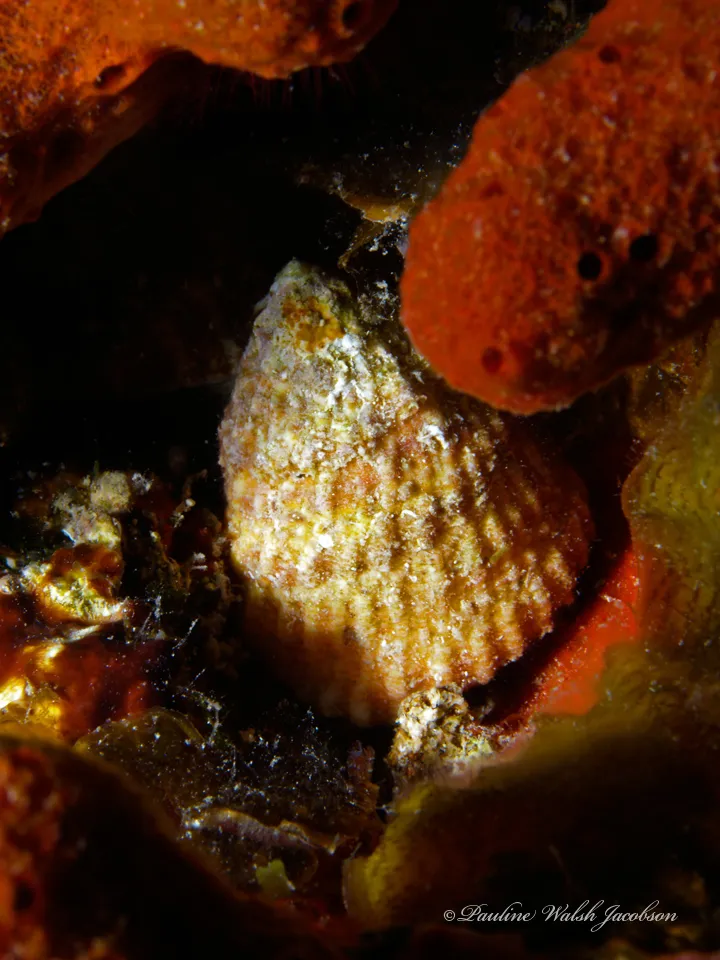 1 in (2.5 cm)11 gal (40 L)72–79°F (22–26°C)
Astraea turbo snail
Astraea tecta
1 in (2.5 cm) · 11 gal (40 L)
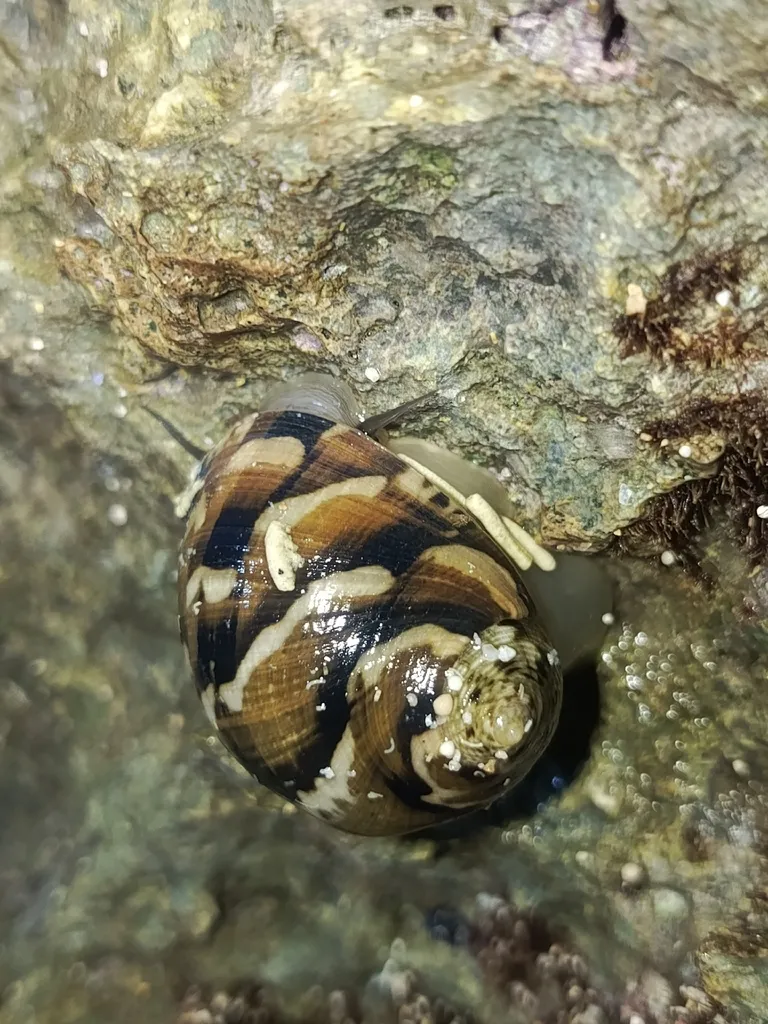 1 in (2.5 cm)11 gal (40 L)72–79°F (22–26°C)
Marine nerite snail
Nerita sp.
1 in (2.5 cm) · 11 gal (40 L)
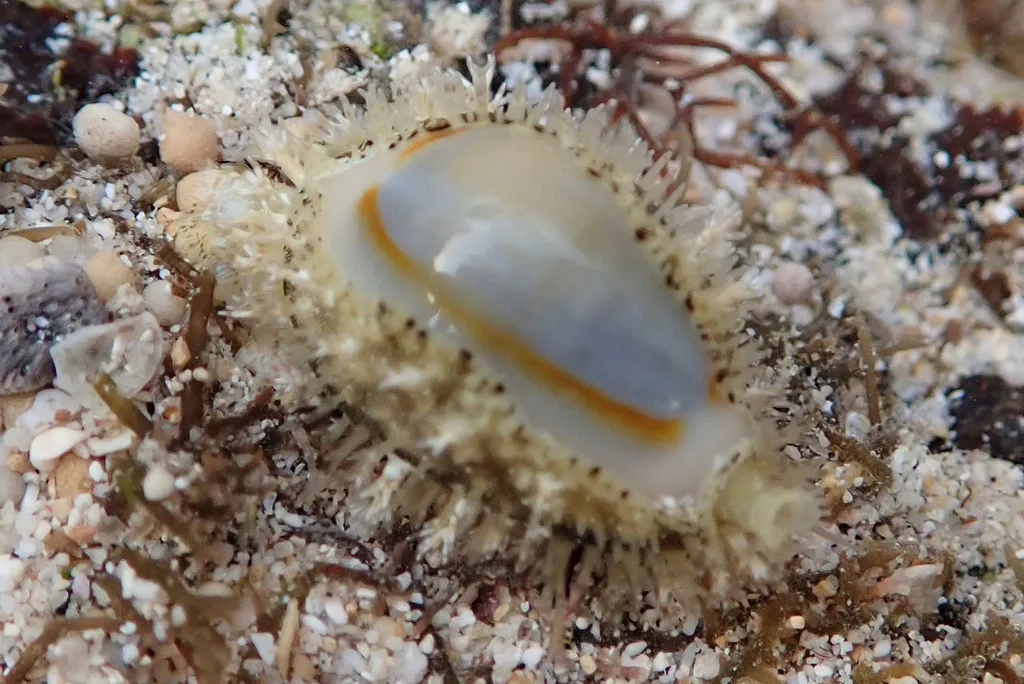 1.2 in (3 cm)20 gal (75 L)75–81°F (24–27°C)
Ring cowrie
Monetaria annulus
1.2 in (3 cm) · 20 gal (75 L)
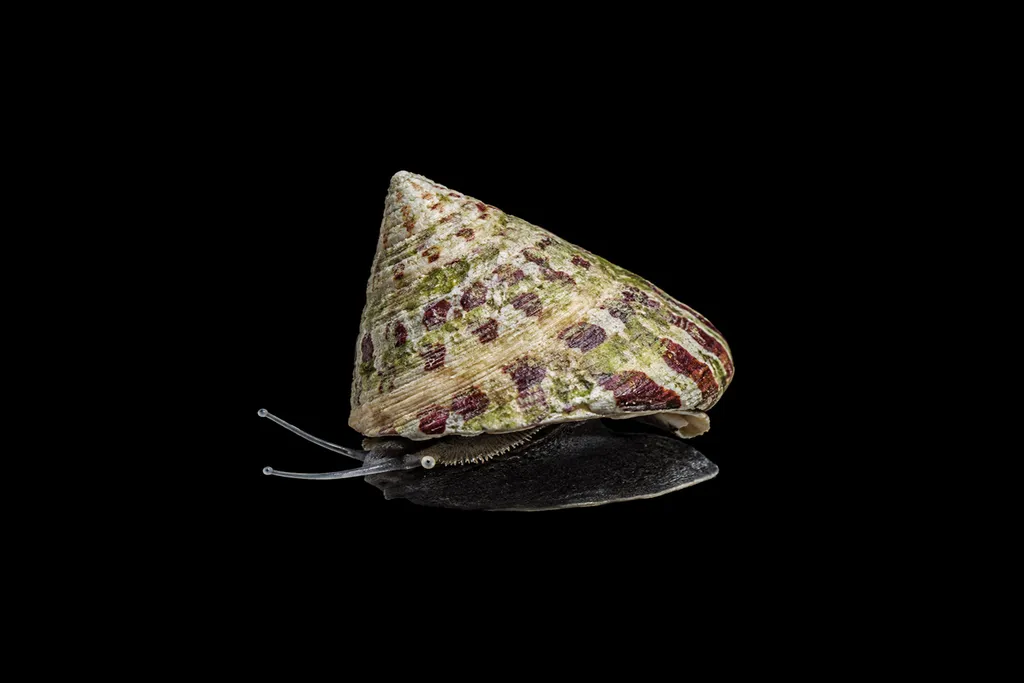 1.2 in (3 cm)11 gal (40 L)72–79°F (22–26°C)
Trochus snail
Trochus sp.
1.2 in (3 cm) · 11 gal (40 L)
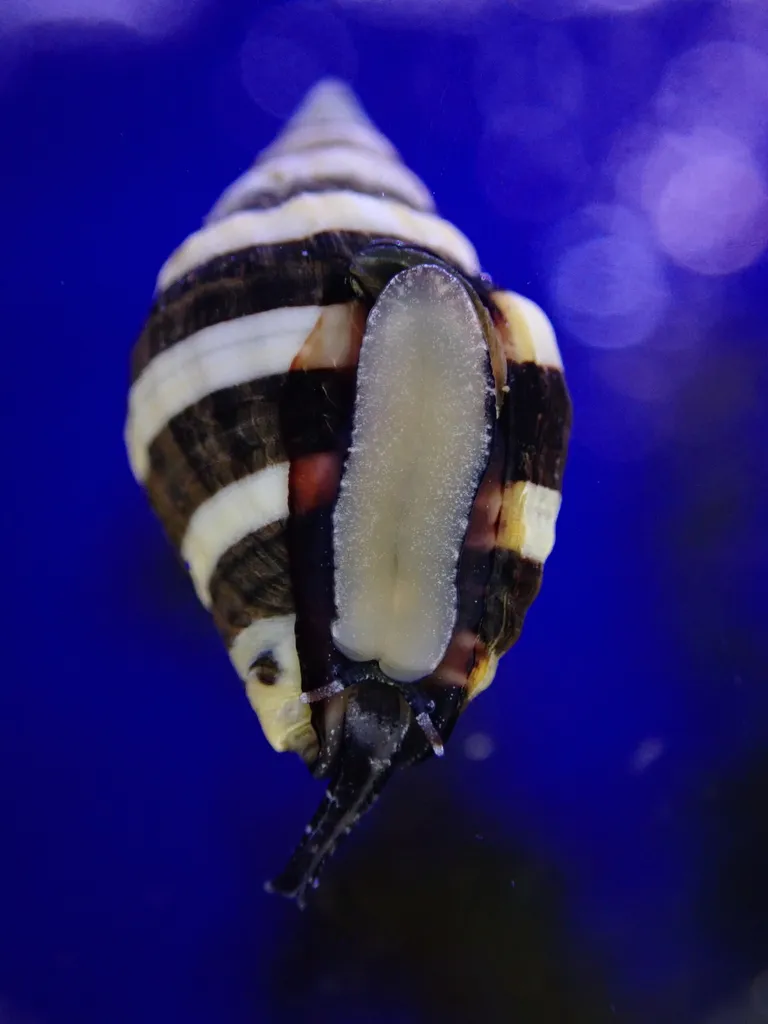 0.8 in (2 cm)11 gal (40 L)75–81°F (24–27°C)
Bumble bee snail
Engina mendicaria
0.8 in (2 cm) · 11 gal (40 L)
- 0.8 in (2 cm)11 gal (40 L)75–81°F (24–27°C)
Stomatella snail
Stomatella varia
0.8 in (2 cm) · 11 gal (40 L)