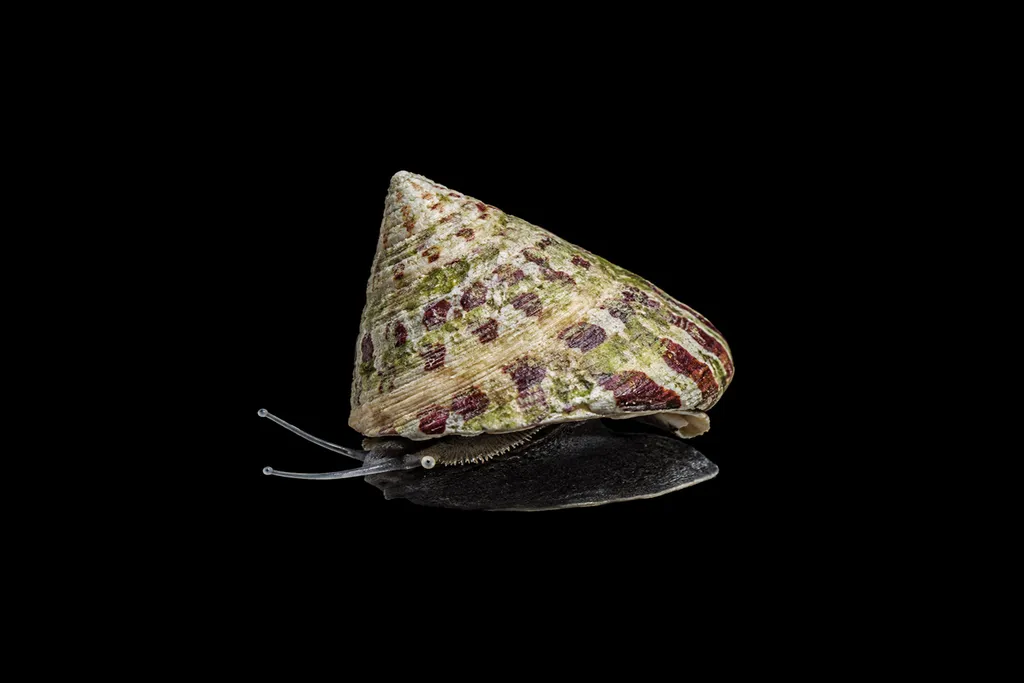
Trochus snail
Trochus sp.
Also known as Banded Trochus Snail, Turban Snail, Trochus histrio
SaltwaterSnail
Care at a glance
- Temperature
- 72–79°F
- 22–26°C
- pH
- 8.1–8.4
- Adult size
- 1.2 in
- 3 cm
- Minimum tank
- 11 gal
- 40 L
- Temperament
- Peaceful
- Social behavior
- Social
- Swim level
- Bottom
- Difficulty
- Beginner
- Breeding
- Medium
- Rarity
- Common
- Reef safe
- Reef safe
- Family
- Trochidae
- Origin
- Indo-Pacific
Overview
A peaceful, strictly herbivorous grazer that works the rock and glass day and night eating nuisance algae. It poses no threat to corals, fish, or other inverts, and its tall shell shape makes it harder for hermit crabs to evict than flatter snails. Stock roughly one snail per 8 to 12 litres and provide enough algae or supplement with dried seaweed if the tank is very clean.
In the wild
Trochus snails come from rocky reef flats and hard substrate across the Indo-Pacific, where they graze film algae, diatoms, and cyanobacteria off rock and glass. In the tank they want a mature system with plenty of live rock to forage over and good water quality. Like most marine snails they are sensitive to high nitrate and will not tolerate copper-based medications, so drip acclimate them slowly.
Good to know
Trochus is a genus of top snails (family Trochidae) with a distinctive pyramid or top-shaped shell, often pale gray with maroon banding. Unlike the similar Astraea, most Trochus can flip themselves back upright after being knocked over, which cuts down on losses. Some hobbyists report them breeding in the tank, releasing gametes into the water column, though raising the larvae to settlement is difficult.
Did you know
Unlike its close relative the Astraea, a knocked-over Trochus can usually right itself, so it rarely starves upside down on the sand.
Weekly picks
Tank mates
Trochus snail is a peaceful, social species that keeps to the bottom. These picks share a community profile with it, are safe together in both directions, and overlap on water type, temperature and pH.
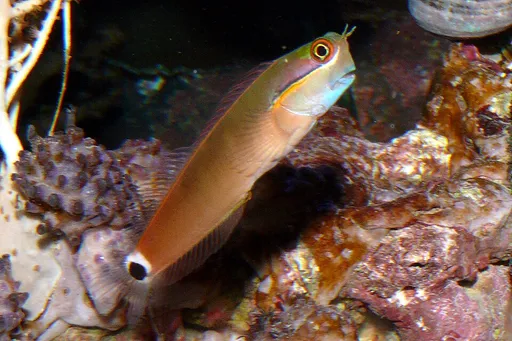
Tailspot blenny
Ecsenius stigmatura
Saltwater2.4 in (6 cm) · 20 gal (75 L)72–79°F (22–26°C)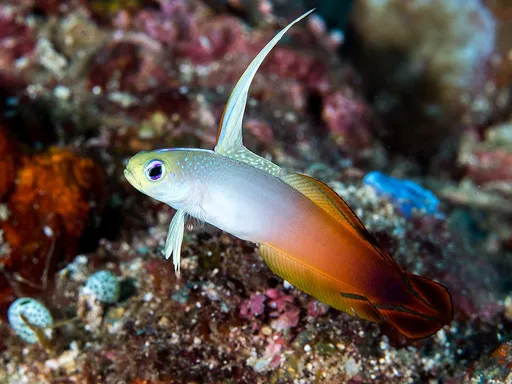
Firefish
Nemateleotris magnifica
Saltwater3.5 in (9 cm) · 20 gal (75 L)72–81°F (22–27°C)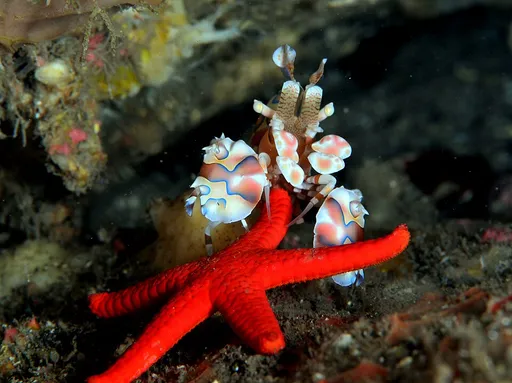
Harlequin shrimp
Hymenocera picta
Saltwater2 in (5 cm) · 11 gal (40 L)75–81°F (24–27°C)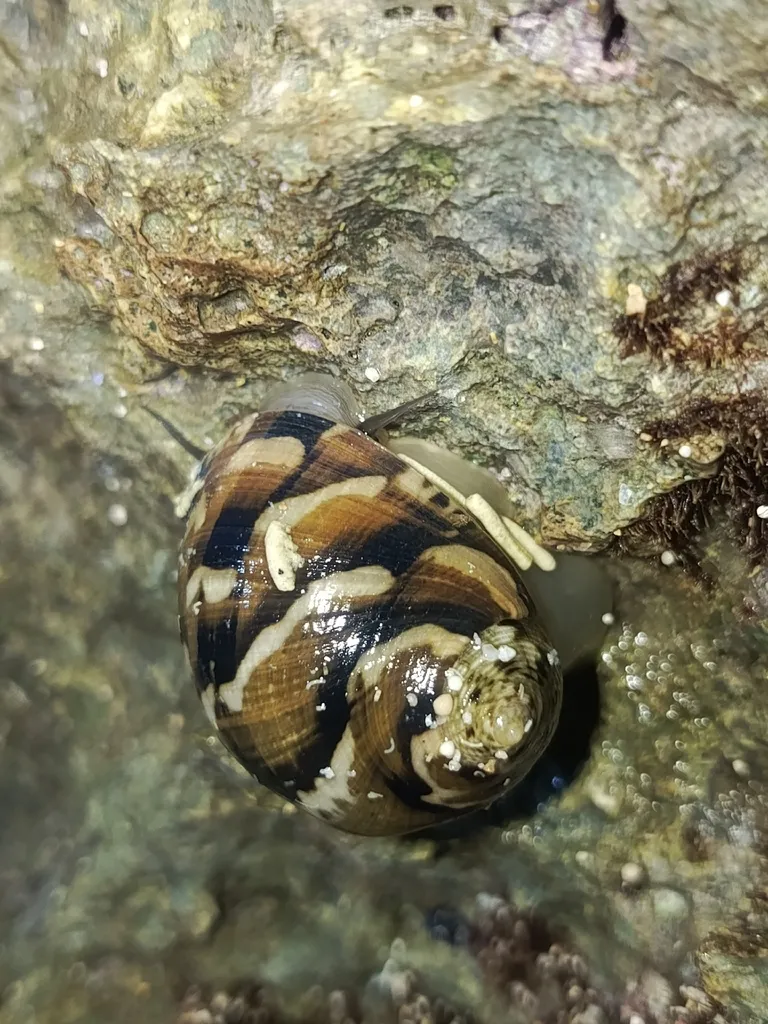
Marine nerite snail
Nerita sp.
Saltwater1 in (2.5 cm) · 11 gal (40 L)72–79°F (22–26°C)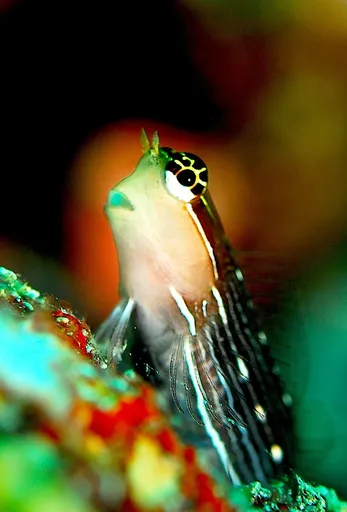
Pictus blenny
Ecsenius pictus
Saltwater2 in (5 cm) · 20 gal (75 L)73–81°F (23–27°C)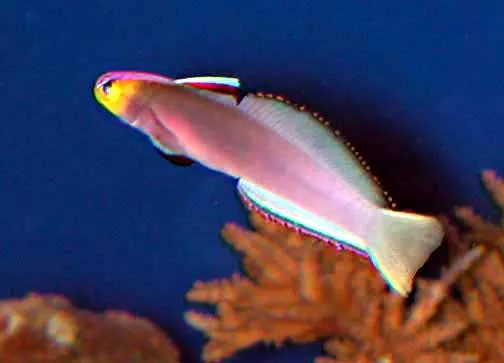
Helfrich's firefish
Nemateleotris helfrichi
Saltwater2.4 in (6 cm) · 20 gal (75 L)73–81°F (23–27°C)
Common questions
What size tank does a Trochus snail need?
A Trochus snail needs at least 11 gal (40 L). It spends most of its time in the bottom.
What temperature and pH does a Trochus snail need?
A Trochus snail is comfortable at 72–79°F (22–26°C) with a pH of 8.1–8.4.
How big does a Trochus snail get?
An adult Trochus snail reaches about 1.2 in (3 cm).
Related species
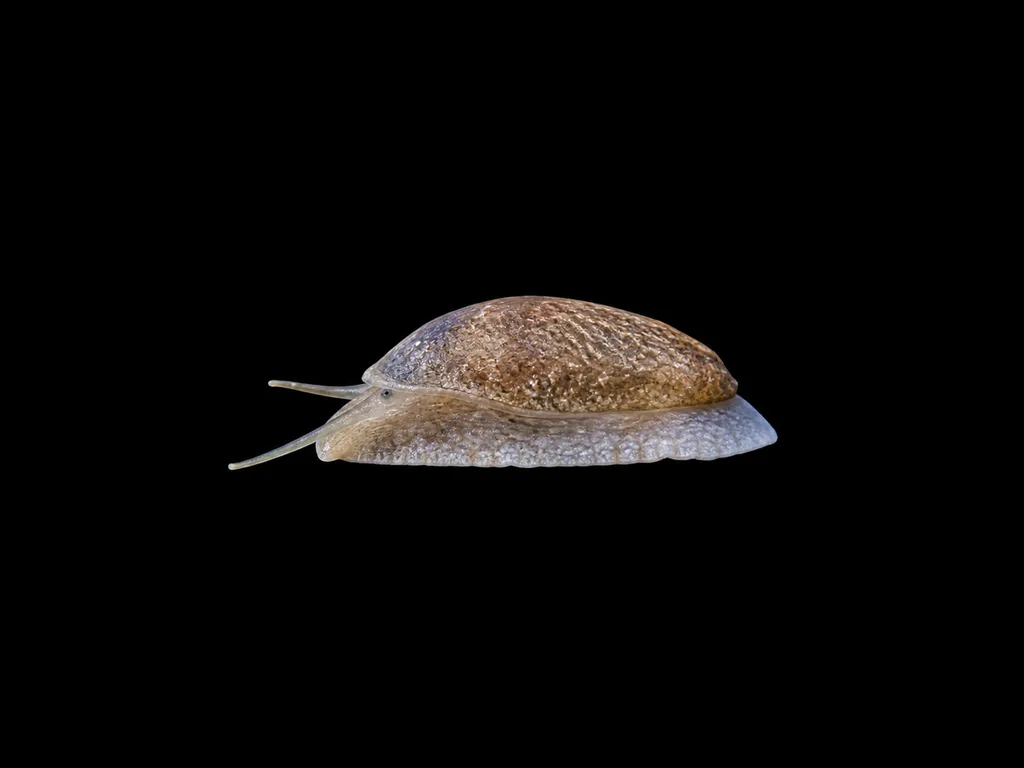 0.8 in (2 cm)11 gal (40 L)75–81°F (24–27°C)
Stomatella snail
Stomatella varia
0.8 in (2 cm) · 11 gal (40 L)
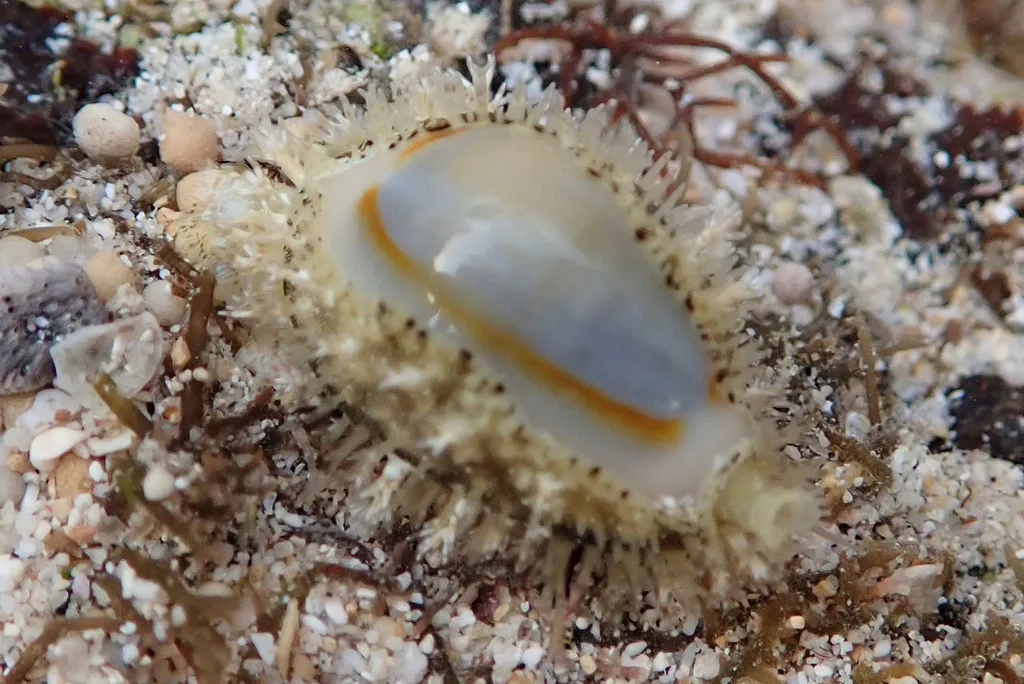 1.2 in (3 cm)20 gal (75 L)75–81°F (24–27°C)
Ring cowrie
Monetaria annulus
1.2 in (3 cm) · 20 gal (75 L)
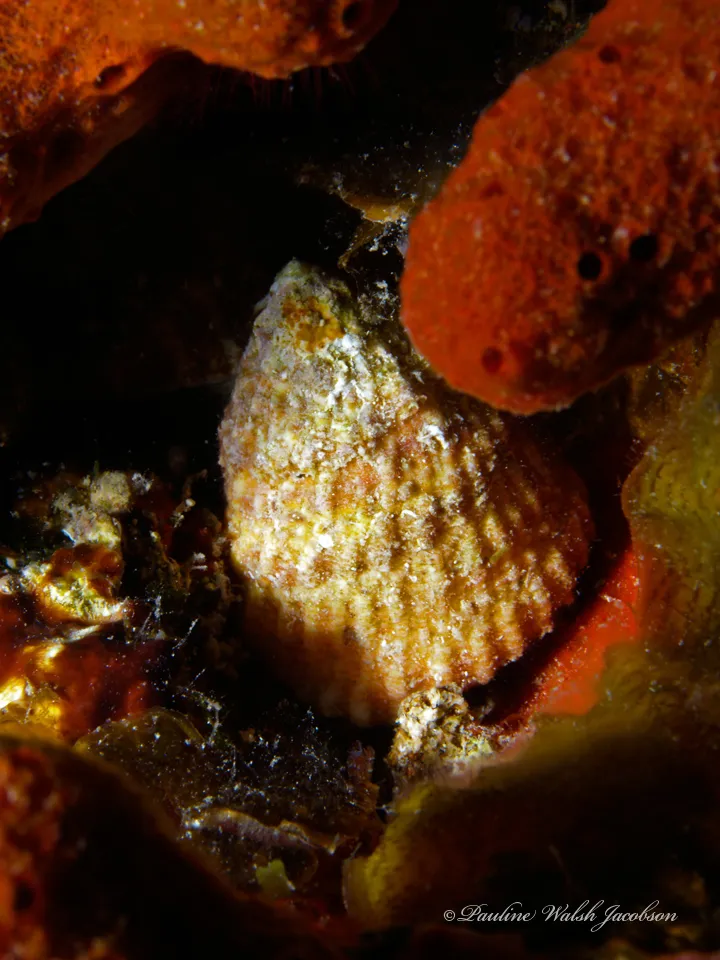 1 in (2.5 cm)11 gal (40 L)72–79°F (22–26°C)
Astraea turbo snail
Astraea tecta
1 in (2.5 cm) · 11 gal (40 L)
- 1 in (2.5 cm)11 gal (40 L)72–79°F (22–26°C)
Marine nerite snail
Nerita sp.
1 in (2.5 cm) · 11 gal (40 L)
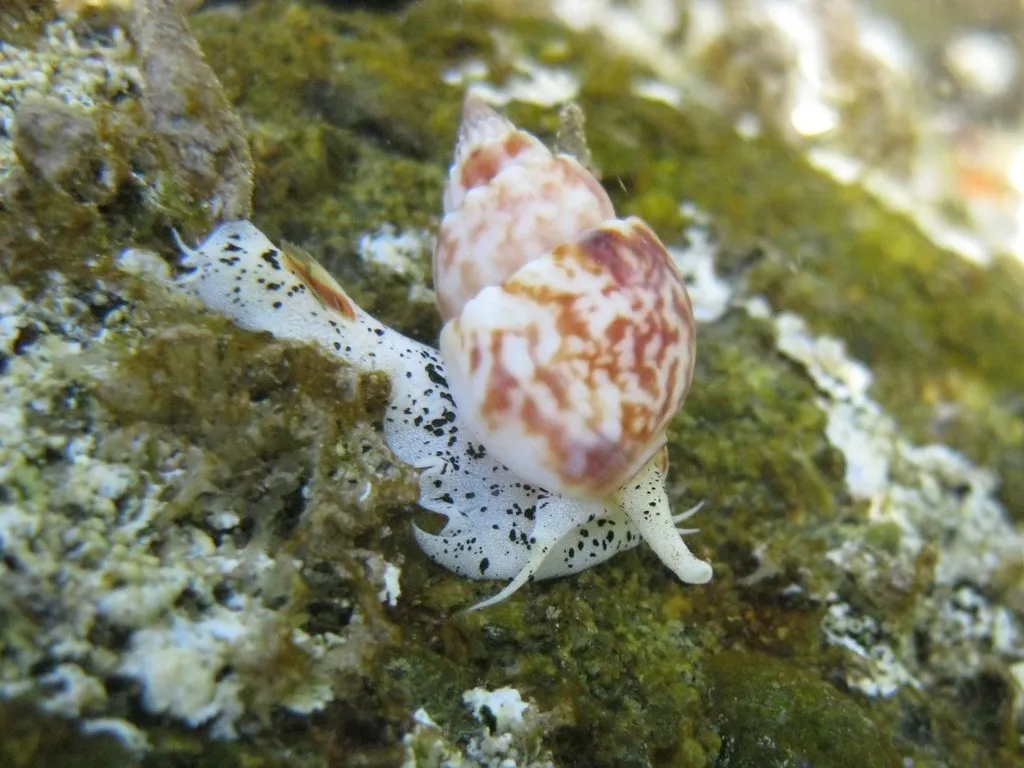 1 in (2.5 cm)11 gal (40 L)72–79°F (22–26°C)
Nassarius snail
Nassarius sp.
1 in (2.5 cm) · 11 gal (40 L)
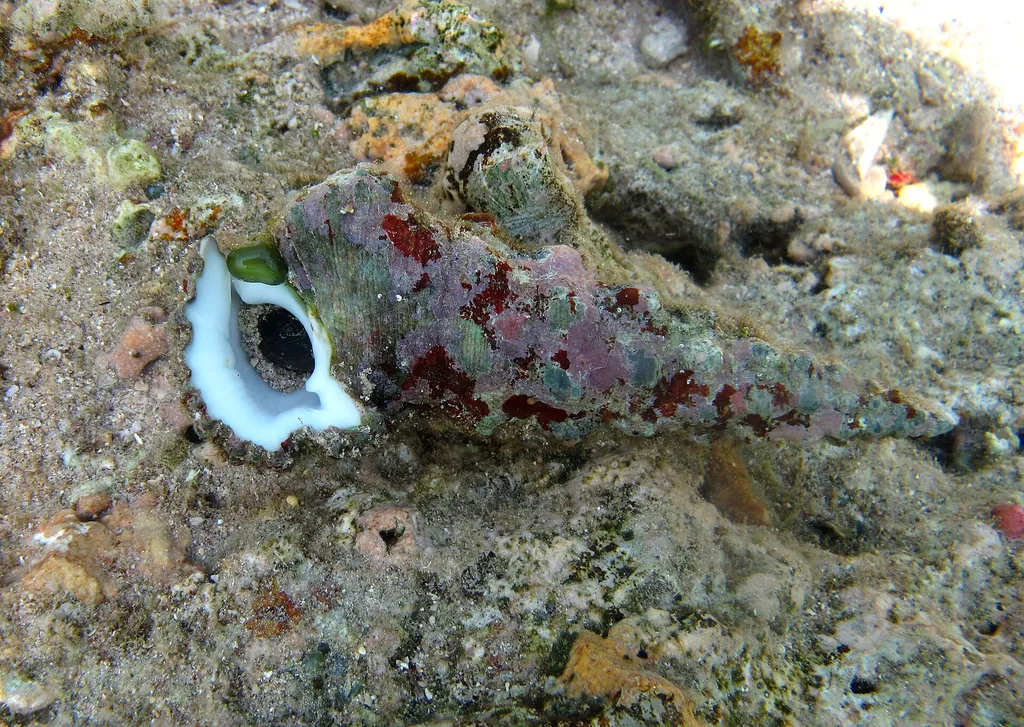 1.6 in (4 cm)11 gal (40 L)72–79°F (22–26°C)
Cerith snail
Cerithium sp.
1.6 in (4 cm) · 11 gal (40 L)