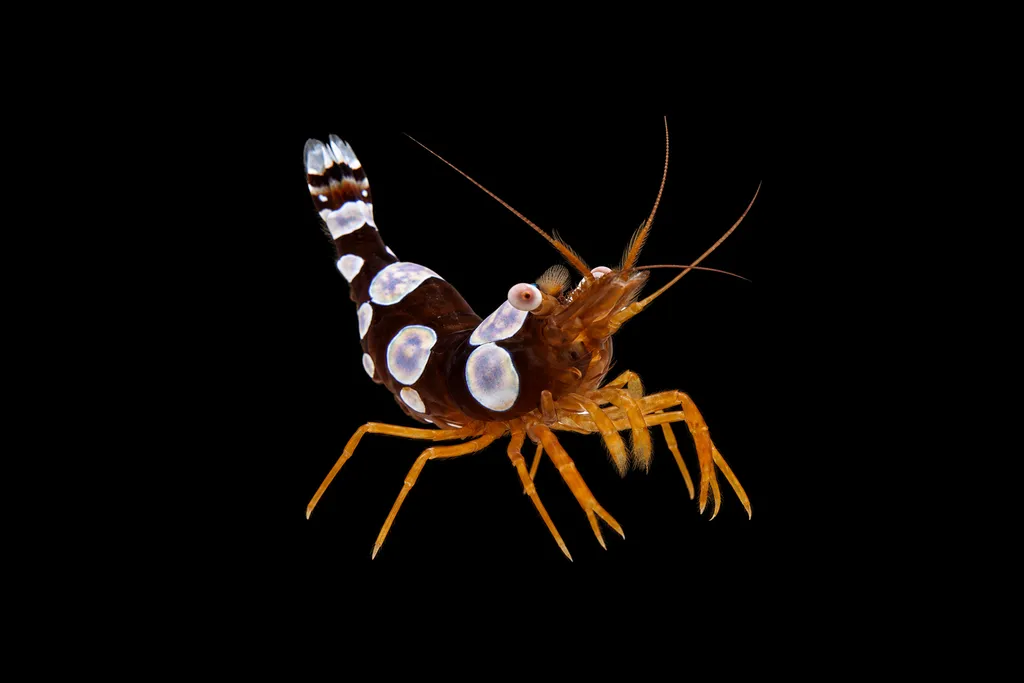
Sexy shrimp
Thor amboinensis
Also known as Squat Anemone Shrimp, Dancing Shrimp, Ambon Anemone Shrimp
SaltwaterShrimp
Care at a glance
- Temperature
- 75–81°F
- 24–27°C
- pH
- 8.1–8.4
- Adult size
- 1.2 in
- 3 cm
- Minimum tank
- 5 gal
- 20 L
- Temperament
- Peaceful
- Social behavior
- Social
- Swim level
- Bottom
- Difficulty
- Easy
- Breeding
- Medium
- Rarity
- Common
- Reef safe
- Reef safe
- Family
- Thoridae
- Origin
- Circumtropical (Indo-Pacific, Caribbean)
Overview
The sexy shrimp is a tiny, gregarious anemone shrimp for a nano reef. It is an easy shrimp to keep.
Did you know
The sexy shrimp perches right in the stinging tentacles of anemones that would kill most other shrimp. A small group bobbing together on a bubble-tip anemone is one of the most charming sights in a nano reef.
Caring for the sexy shrimp
Keep sexy shrimp in a peaceful nano or reef tank of at least 5 gal (20 L). Give them a host anemone such as a bubble-tip, or a hammer or other coral to perch on. They do fine without a host but are far more settled with one. They stay in the open on their host rather than hiding in rock.
Hold the water at 75 to 81°F (24 to 27°C) with a pH of 8.1 to 8.4. Sexy shrimp are peaceful and gregarious, and they live in groups. Keep several together for the classic dancing cluster on a host.
Avoid large predators, since anything that eats small shrimp will make short work of them. They are reef safe, though a rare individual may nip at SPS or coral polyps, especially if underfed. Breeding them is moderately difficult.
Good to know
The sexy shrimp, Thor amboinensis, belongs to the family Thoridae. It lives with anemones in commensal symbiosis, gaining shelter and camouflage while the anemone is largely unaffected. This differs from the tighter mutualism of clownfish. It constantly bobs its raised abdomen and tail, the motion behind its other name, dancing shrimp. The bobbing is likely a signaling or balance behavior.
In the wild
The sexy shrimp is circumtropical, living on shallow reefs in the Indo-Pacific and the Caribbean. It lives among the tentacles of sea anemones and corals, and it has been recorded with at least a dozen different anemone genera.
Symbiotic relationships
Shrimp and crabs that live in anemones
Several small crustaceans live where almost nothing else can: among the tentacles of an anemone. Sexy shrimp perch in the tentacles in a cluster, bobbing their tails in the display that named them. The white-spot anemone shrimp is near transparent apart from its spots and lives on carpet anemones. The porcelain anemone crab sits at the anemone's edge and filters plankton from the water with two fan-like arms. Pederson's cleaner shrimp lives in the Caribbean corkscrew anemone and cleans fish from there. In every case the anemone is a bodyguard: its sting keeps off the small fish that would eat the shrimp. The anemone gains little, and the white-spot shrimp will nibble its host's tentacles when it is hungry.
Give each of them its anemone. Sexy shrimp take a rock flower anemone, a bubble tip or a carpet. The white-spot shrimp and the porcelain crab want a carpet anemone or a long tentacle anemone, both of which need a mature tank at the tank size their profiles list. Pederson's shrimp wants a corkscrew anemone or a condy. Without a host they perch on a coral or hide in the rock and are picked off by any fish that eats shrimp, so they suit a peaceful nano reef. A clownfish will evict them from an anemone it has claimed.

Rock flower anemone
Phymanthus crucifer
Saltwater3.9 in (10 cm) · 20 gal (75 L)75–81°F (24–27°C)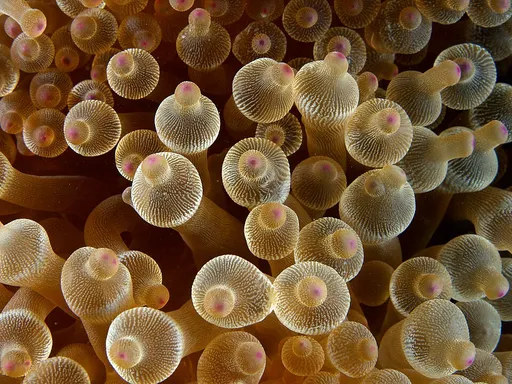
Bubble tip anemone
Entacmaea quadricolor
Saltwater11.8 in (30 cm) · 30 gal (115 L)75–81°F (24–27°C)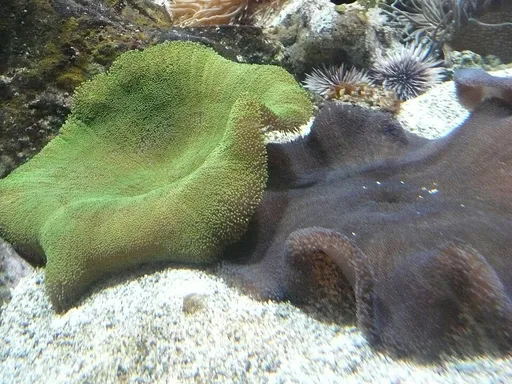
Haddon's carpet anemone
Stichodactyla haddoni
Saltwater33.5 in (85 cm) · 53 gal (200 L)75–81°F (24–27°C)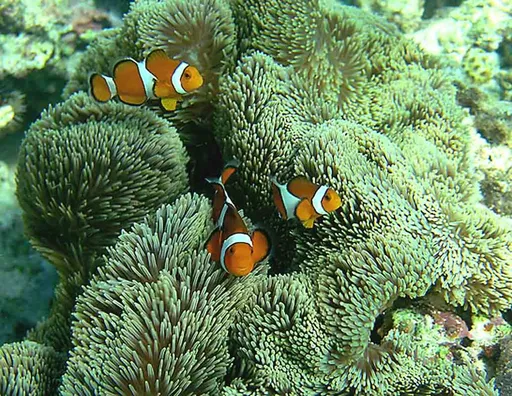
Gigantea carpet anemone
Stichodactyla gigantea
Saltwater19.7 in (50 cm) · 53 gal (200 L)75–81°F (24–27°C)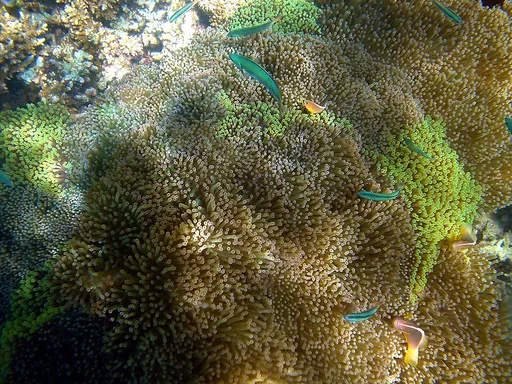
Mertens' carpet anemone
Stichodactyla mertensii
Saltwater35.4 in (90 cm) · 53 gal (200 L)75–81°F (24–27°C)
Weekly picks
Tank mates
The sexy shrimp is a peaceful, social species that keeps to the bottom. These picks share a community profile with it, are safe together in both directions, and overlap on water type, temperature and pH.
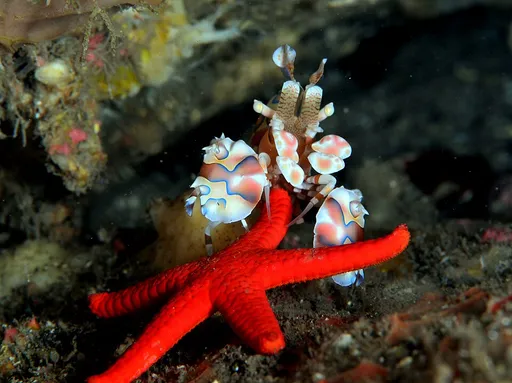
Harlequin shrimp
Hymenocera picta
Saltwater2 in (5 cm) · 11 gal (40 L)75–81°F (24–27°C)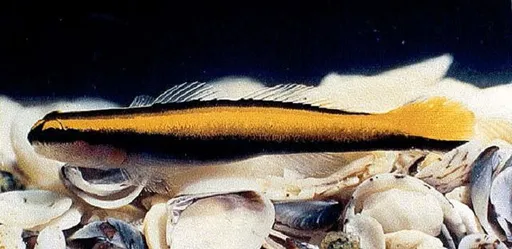
Barber goby
Elacatinus figaro
Saltwater1.6 in (4 cm) · 11 gal (40 L)72–79°F (22–26°C)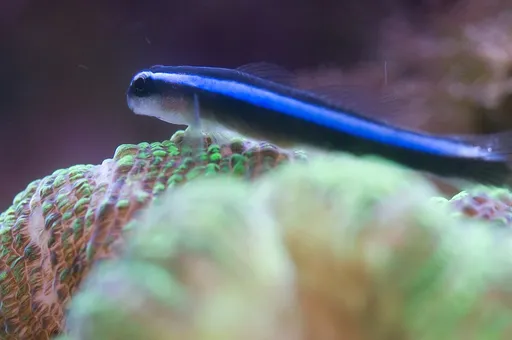
Neon goby
Elacatinus oceanops
Saltwater2 in (5 cm) · 11 gal (40 L)72–79°F (22–26°C)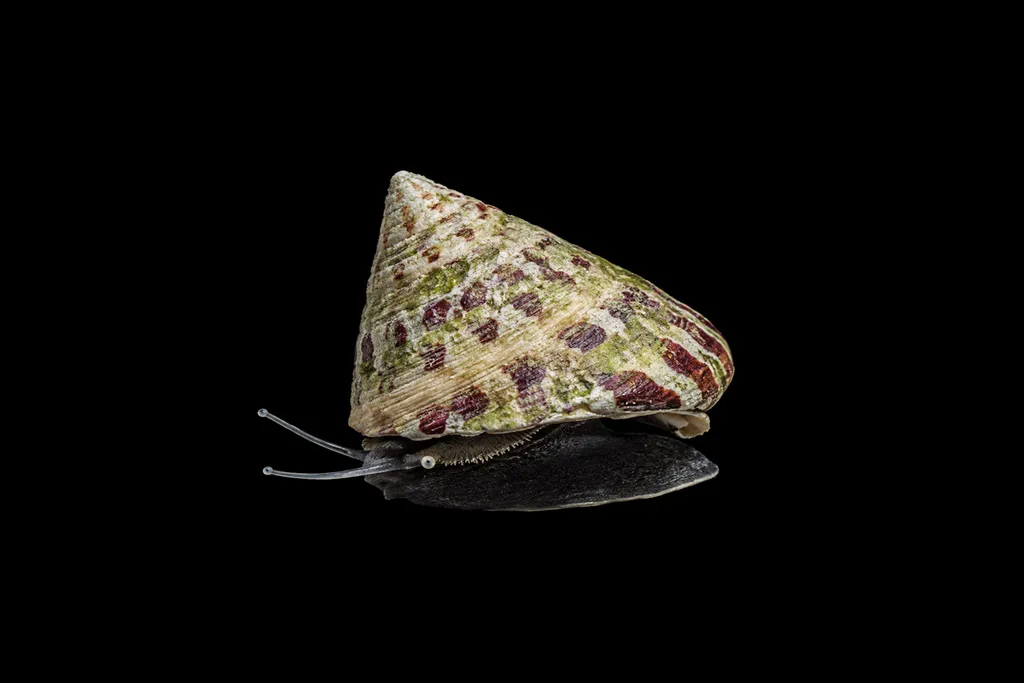
Trochus snail
Trochus sp.
Saltwater1.2 in (3 cm) · 11 gal (40 L)72–79°F (22–26°C)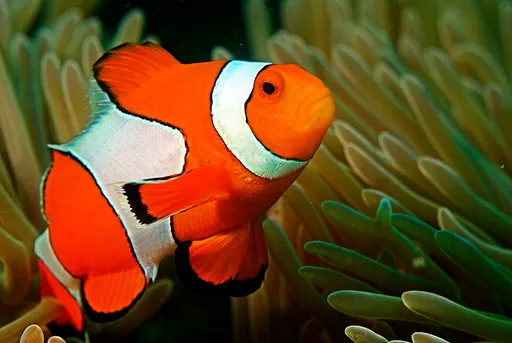
Ocellaris clownfish
Amphiprion ocellaris
Saltwater3.1 in (8 cm) · 20 gal (75 L)75–82°F (24–28°C)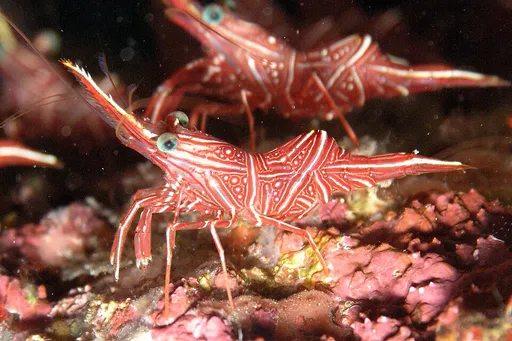
Camel / dancing shrimp
Rhynchocinetes durbanensis
Saltwater2 in (5 cm) · 16 gal (60 L)75–81°F (24–27°C)
Common questions
What size tank does a sexy shrimp need?
A sexy shrimp needs at least 5 gal (20 L). It spends most of its time in the bottom.
What temperature and pH does a sexy shrimp need?
A sexy shrimp is comfortable at 75–81°F (24–27°C) with a pH of 8.1–8.4.
How big does a sexy shrimp get?
An adult sexy shrimp reaches about 1.2 in (3 cm).
Related species
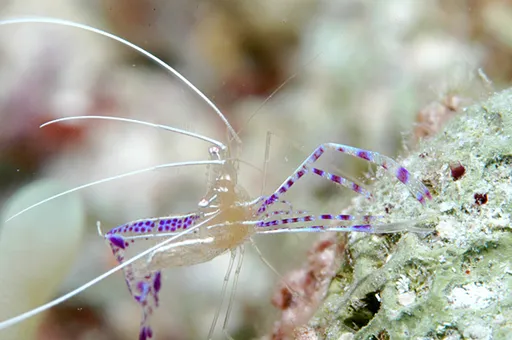 1.2 in (3 cm)11 gal (40 L)73–81°F (23–27°C)
Pederson's cleaner shrimp
Ancylomenes pedersoni
1.2 in (3 cm) · 11 gal (40 L)
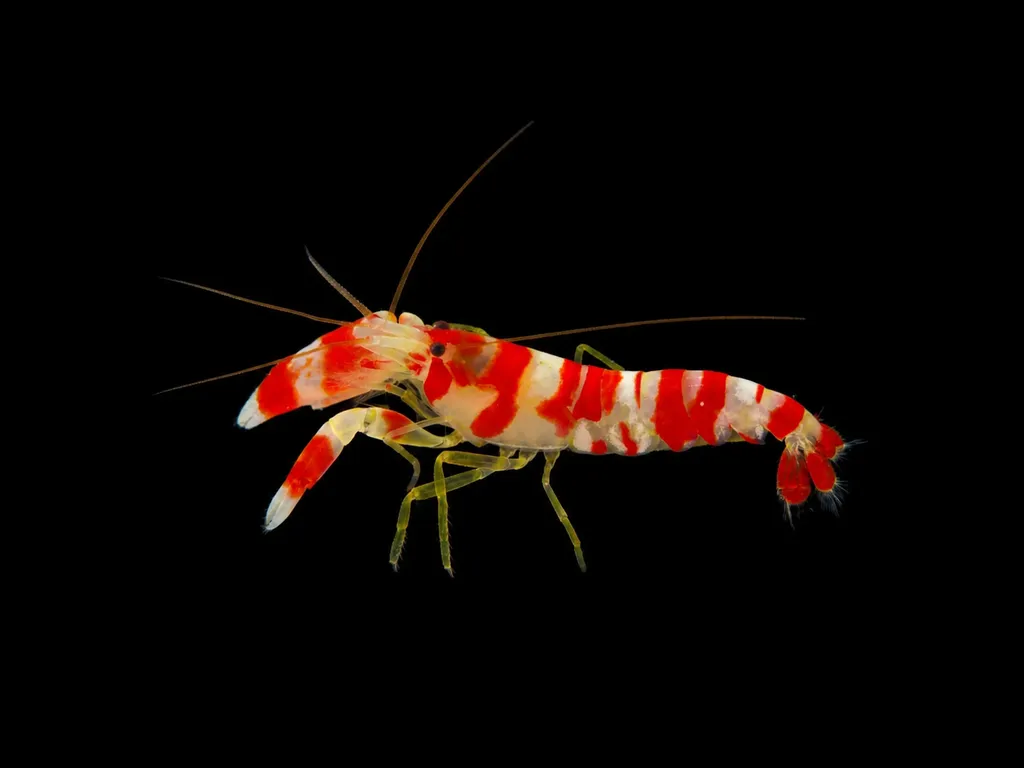 1.6 in (4 cm)11 gal (40 L)75–81°F (24–27°C)
Randall's pistol shrimp
Alpheus randalli
1.6 in (4 cm) · 11 gal (40 L)
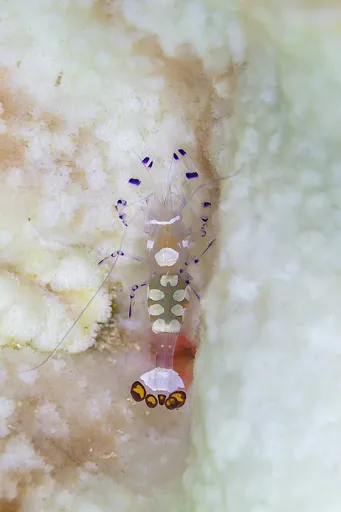 1.6 in (4 cm)11 gal (40 L)75–81°F (24–27°C)
White-spot anemone shrimp
Periclimenes brevicarpalis
1.6 in (4 cm) · 11 gal (40 L)
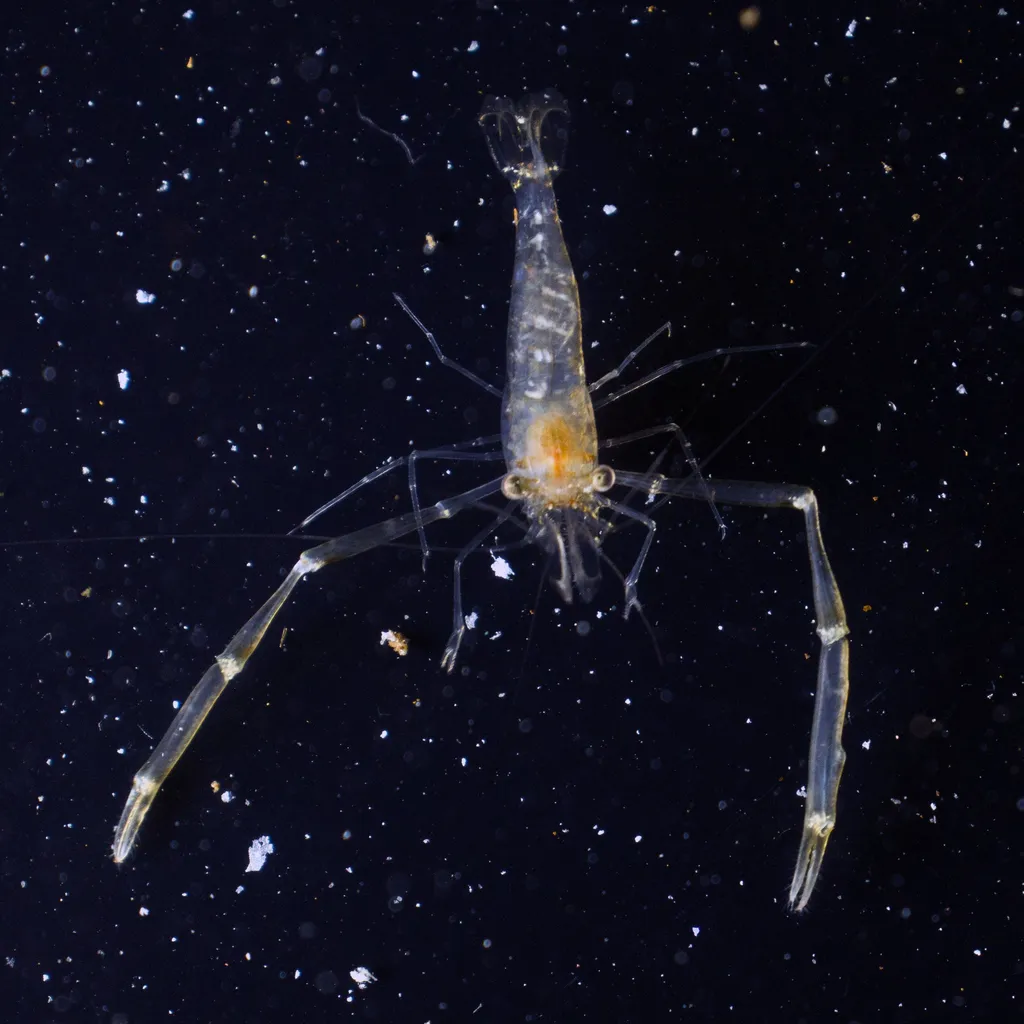 0.8 in (2 cm)5 gal (20 L)75–82°F (24–28°C)
Long arm shrimp
Cuapetes sp.
0.8 in (2 cm) · 5 gal (20 L)
- 2 in (5 cm)16 gal (60 L)75–81°F (24–27°C)
Camel / dancing shrimp
Rhynchocinetes durbanensis
2 in (5 cm) · 16 gal (60 L)
- 2 in (5 cm)11 gal (40 L)75–81°F (24–27°C)
Harlequin shrimp
Hymenocera picta
2 in (5 cm) · 11 gal (40 L)