Pederson's cleaner shrimp
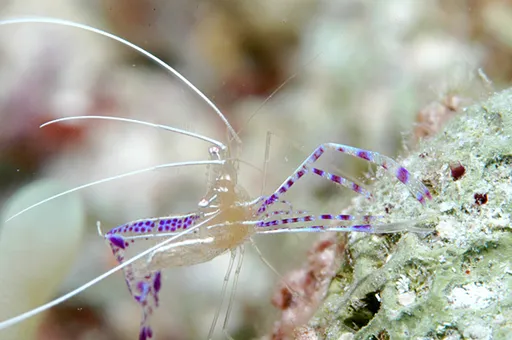
Ancylomenes pedersoni
Also known as Pederson Cleaner Shrimp, Pederson Anemone Shrimp, Spotted Cleaner Anemone Shrimp
SaltwaterShrimp
Care at a glance
- Temperature
- 73–81°F
- 23–27°C
- pH
- 8.1–8.4
- Adult size
- 1.2 in
- 3 cm
- Minimum tank
- 11 gal
- 40 L
- Temperament
- Peaceful
- Social behavior
- Social
- Swim level
- Bottom
- Difficulty
- Easy
- Breeding
- Hard
- Rarity
- Common
- Reef safe
- Reef safe
- Family
- Palaemonidae
- Origin
- Western Atlantic and Caribbean
Overview
A peaceful, hardy, beneficial cleaner and scavenger that is fully reef safe with corals and other inverts. It does well singly or in small groups and pairs naturally with a host anemone. Sensitive to copper and many medications, so treat elsewhere and never dose the display. Keep away from predators that eat small shrimp, and provide iodine-stable water for clean molts.
In the wild
A small Caribbean and Western Atlantic shrimp that lives in association with sea anemones such as the corkscrew and condy anemones, using the anemone as a protected home base. It is nearly transparent with violet and blue markings and long white antennae. In the aquarium it wants live rock with caves plus ideally a host anemone, and it will set up a cleaning station near its home.
Good to know
Ancylomenes pedersoni is a genuine cleaner shrimp: field studies confirm it removes parasites and dead tissue from reef fish, and its anemone host gains nitrogen from the shrimp's waste while receiving free cleanings, a two-way relationship closer to mutualism than the sexy shrimp's commensalism. It is a Caribbean ecological counterpart to the Indo-Pacific Lysmata cleaners.
Did you know
It is the Caribbean's answer to the Pacific cleaner shrimp, running an anemone-based cleaning station where reef fish queue up to be groomed, and it will even try to clean the aquarist's hand.
Symbiotic relationships
Cleaner shrimp, cleaner gobies and their clients
A cleaner holds a station on the reef and advertises it: cleaner shrimp wave their long white antennae and rock from side to side, cleaner wrasses swim a bobbing dance. Fish arrive and pose, head up or head down with fins spread, and hold still while the cleaner picks off parasitic isopods, dead skin and loose scales, working into the mouth and under the gill covers of fish that could swallow it in one bite. The client leaves with fewer parasites and the cleaner eats a meal it never had to hunt. Reef fish queue for it, and a busy station is visited hundreds of times a day.
The skunk cleaner shrimp is the one that does this reliably in an aquarium: it sets up on a rock ledge, and tank fish, tangs and wrasses especially, learn to stop by within days. The fire shrimp cleans too but hides more and works at dusk. Pederson's cleaner shrimp does the same job from the tentacles of its anemone. The neon goby and its relatives are small, hardy cleaners for tanks that cannot take a shrimp. The cleaner wrasses are the difficult ones: many never take prepared food, and both are marked difficult here. None of them will cure an outbreak of ich; they pick off some parasites and keep a healthy fish tidier, and that is the honest claim. Keep every cleaner away from predators such as large hawkfish, triggers, lionfish and big wrasses.
Shrimp and crabs that live in anemones
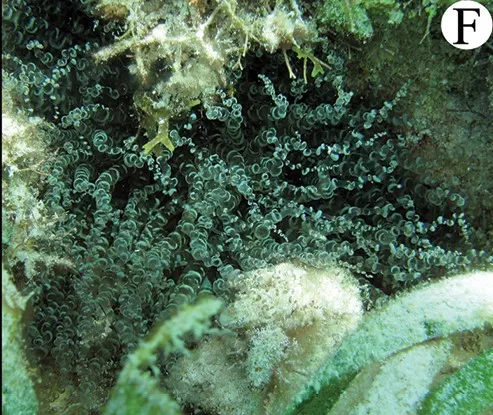
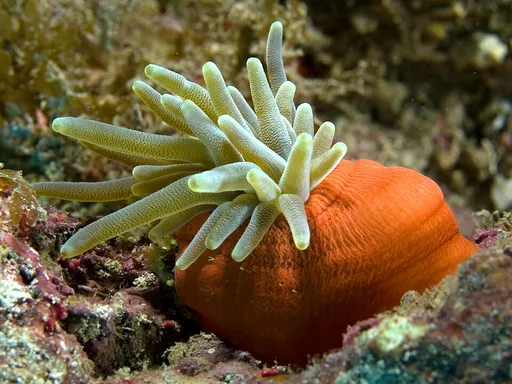
Several small crustaceans live where almost nothing else can: among the tentacles of an anemone. Sexy shrimp perch in the tentacles in a cluster, bobbing their tails in the display that named them. The white-spot anemone shrimp is near transparent apart from its spots and lives on carpet anemones. The porcelain anemone crab sits at the anemone's edge and filters plankton from the water with two fan-like arms. Pederson's cleaner shrimp lives in the Caribbean corkscrew anemone and cleans fish from there. In every case the anemone is a bodyguard: its sting keeps off the small fish that would eat the shrimp. The anemone gains little, and the white-spot shrimp will nibble its host's tentacles when it is hungry.
Give each of them its anemone. Sexy shrimp take a rock flower anemone, a bubble tip or a carpet. The white-spot shrimp and the porcelain crab want a carpet anemone or a long tentacle anemone, both of which need a mature tank at the tank size their profiles list. Pederson's shrimp wants a corkscrew anemone or a condy. Without a host they perch on a coral or hide in the rock and are picked off by any fish that eats shrimp, so they suit a peaceful nano reef. A clownfish will evict them from an anemone it has claimed.
Weekly picks
Tank mates
Pederson's cleaner shrimp is a peaceful, social species that keeps to the bottom. These picks share a community profile with it, are safe together in both directions, and overlap on water type, temperature and pH.
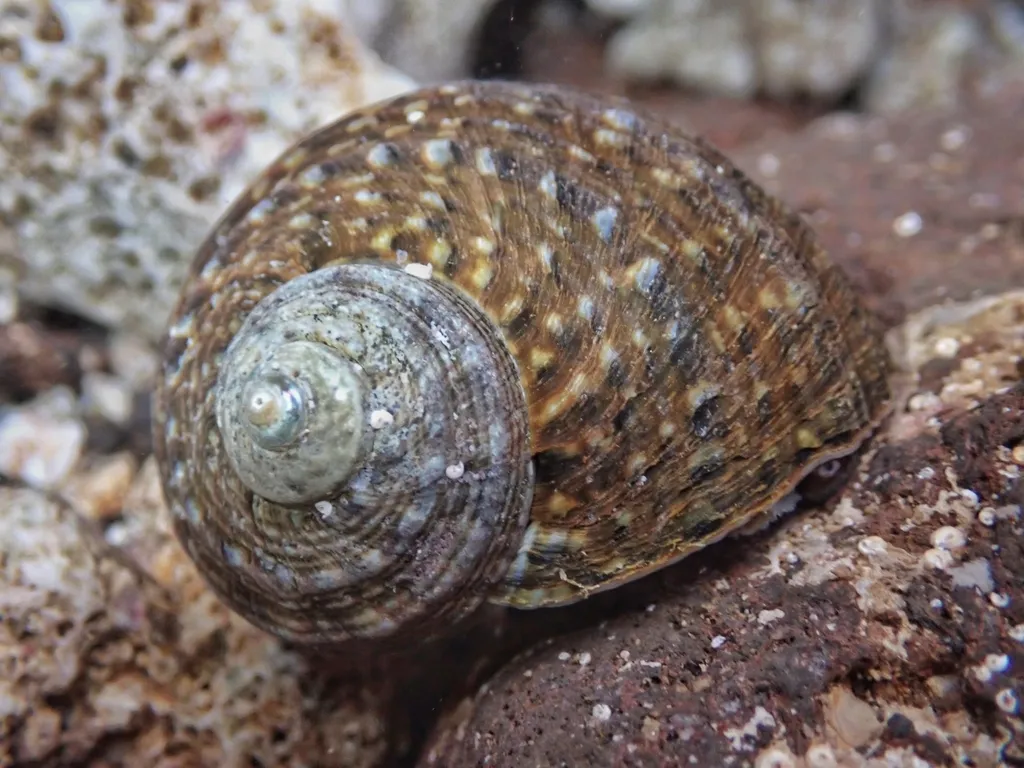
Mexican turbo snail
Turbo fluctuosus
Saltwater2.4 in (6 cm) · 11 gal (40 L)75–81°F (24–27°C)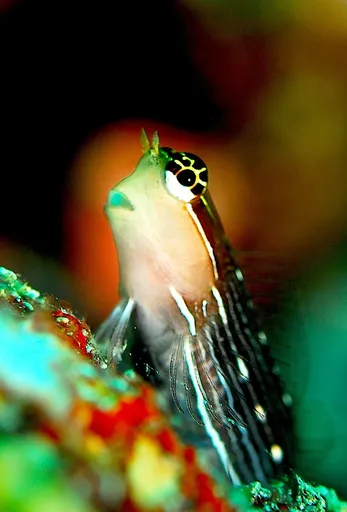
Pictus blenny
Ecsenius pictus
Saltwater2 in (5 cm) · 20 gal (75 L)73–81°F (23–27°C)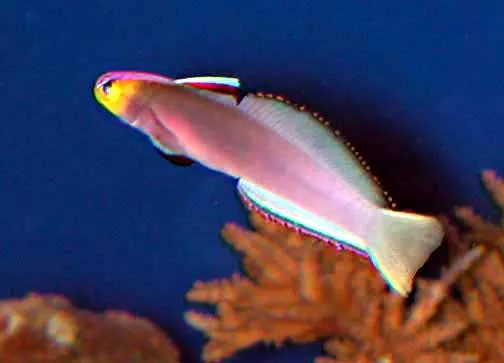
Helfrich's firefish
Nemateleotris helfrichi
Saltwater2.4 in (6 cm) · 20 gal (75 L)73–81°F (23–27°C)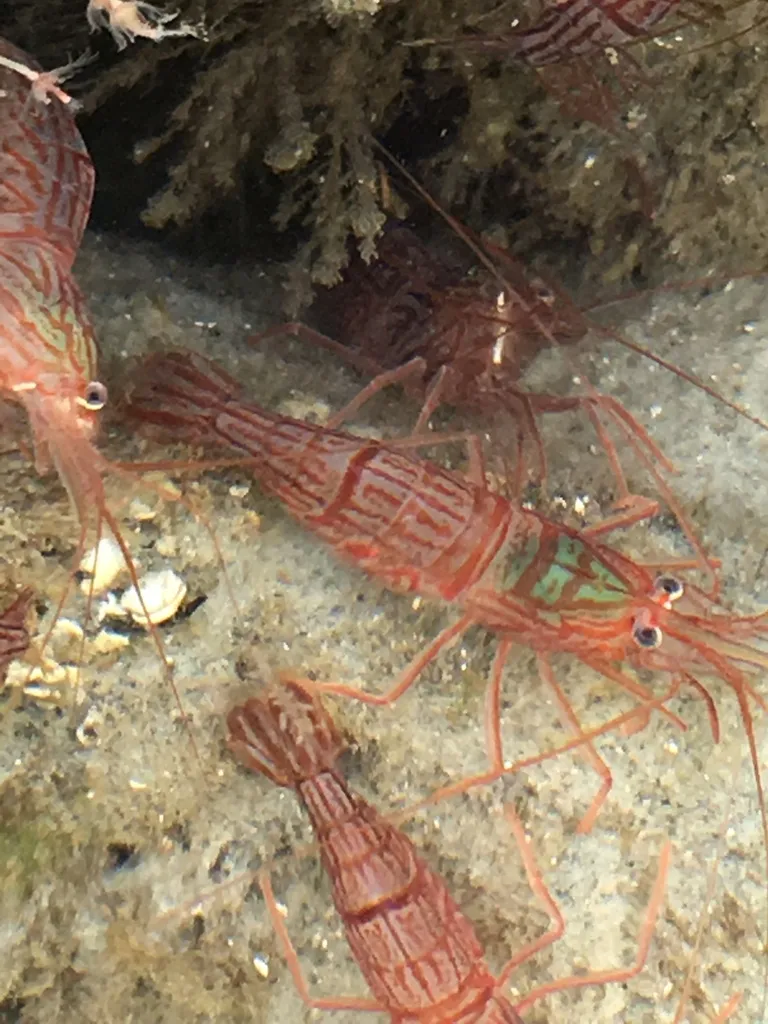
Peppermint shrimp
Lysmata wurdemanni
Saltwater2 in (5 cm) · 11 gal (40 L)72–81°F (22–27°C)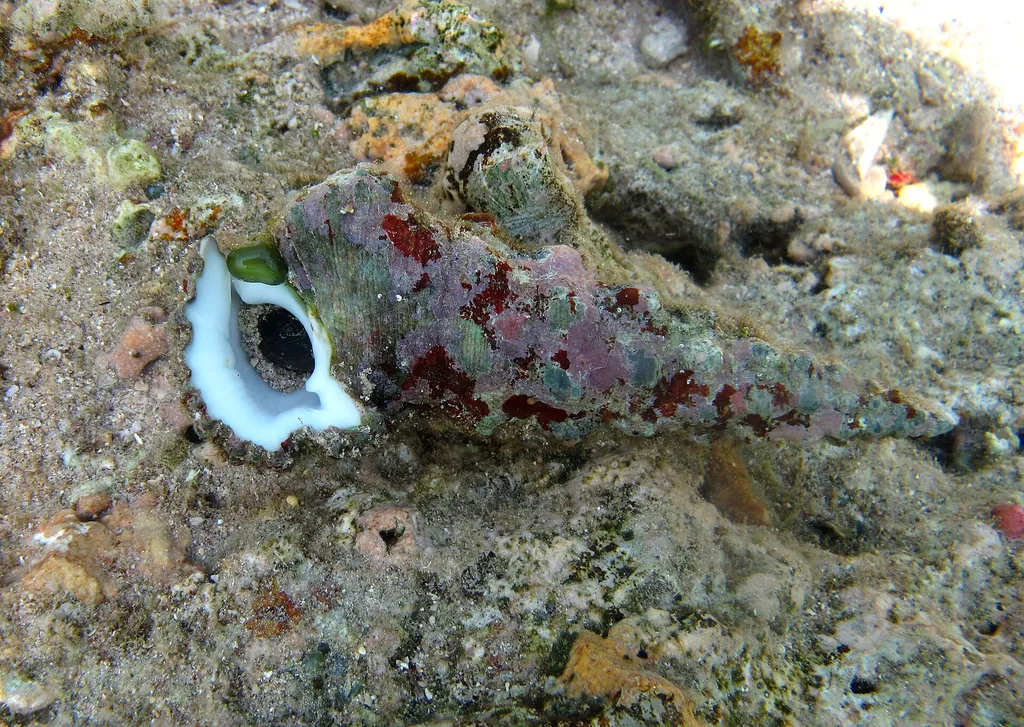
Cerith snail
Cerithium sp.
Saltwater1.6 in (4 cm) · 11 gal (40 L)72–79°F (22–26°C)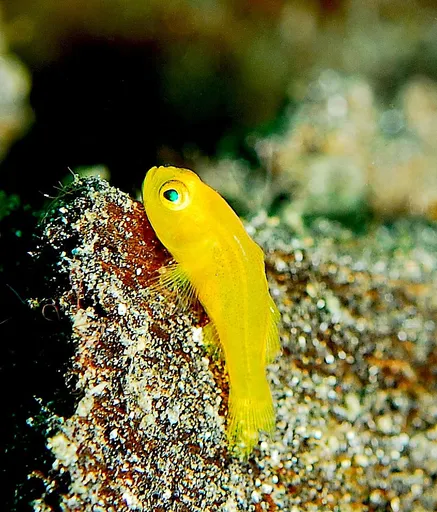
Yellow clown goby
Gobiodon okinawae
Saltwater1.6 in (4 cm) · 11 gal (40 L)73–81°F (23–27°C)
Common questions
What size tank does a Pederson's cleaner shrimp need?
A Pederson's cleaner shrimp needs at least 11 gal (40 L). It spends most of its time in the bottom.
What temperature and pH does a Pederson's cleaner shrimp need?
A Pederson's cleaner shrimp is comfortable at 73–81°F (23–27°C) with a pH of 8.1–8.4.
How big does a Pederson's cleaner shrimp get?
An adult Pederson's cleaner shrimp reaches about 1.2 in (3 cm).
Related species
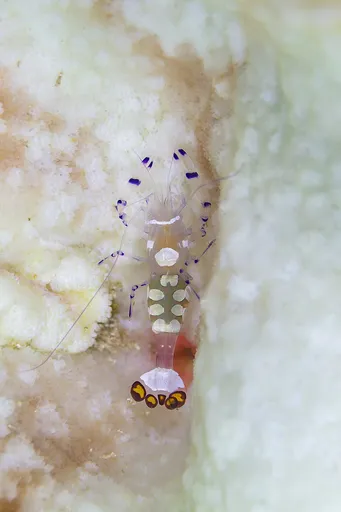 1.6 in (4 cm)11 gal (40 L)75–81°F (24–27°C)
White-spot anemone shrimp
Periclimenes brevicarpalis
1.6 in (4 cm) · 11 gal (40 L)
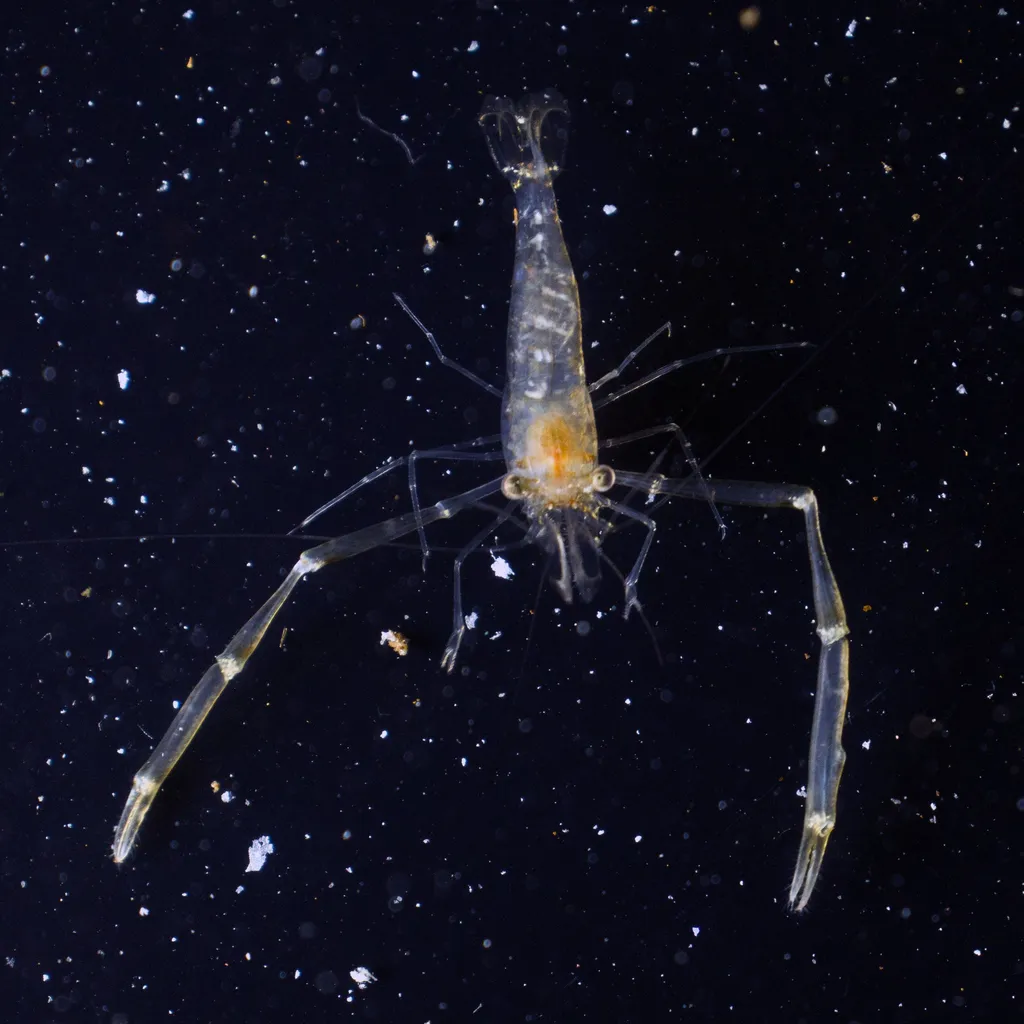 0.8 in (2 cm)5 gal (20 L)75–82°F (24–28°C)
Long arm shrimp
Cuapetes sp.
0.8 in (2 cm) · 5 gal (20 L)
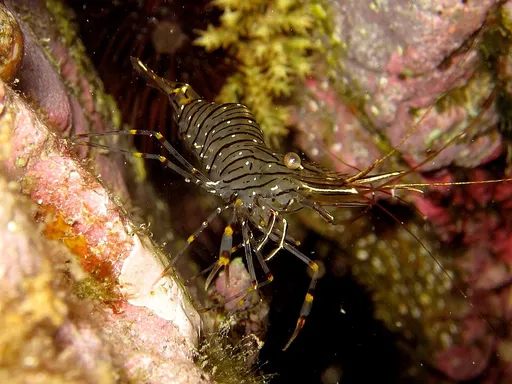 2.4 in (6 cm)11 gal (40 L)61–79°F (16–26°C)
Elegant rockpool shrimp
Palaemon elegans
2.4 in (6 cm) · 11 gal (40 L)
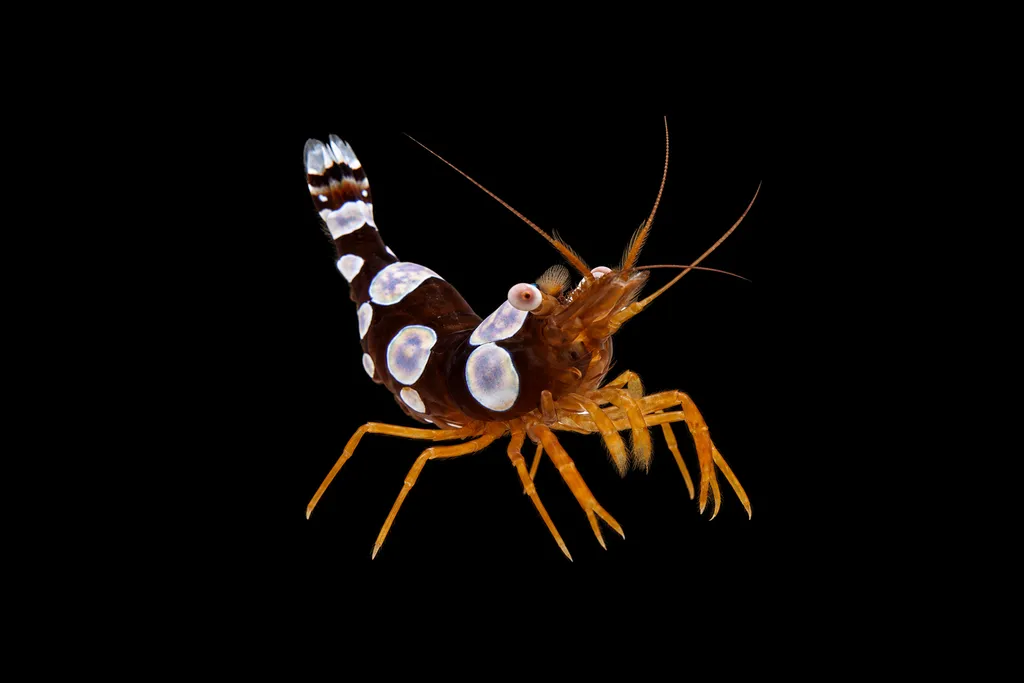 1.2 in (3 cm)5 gal (20 L)75–81°F (24–27°C)
Sexy shrimp
Thor amboinensis
1.2 in (3 cm) · 5 gal (20 L)
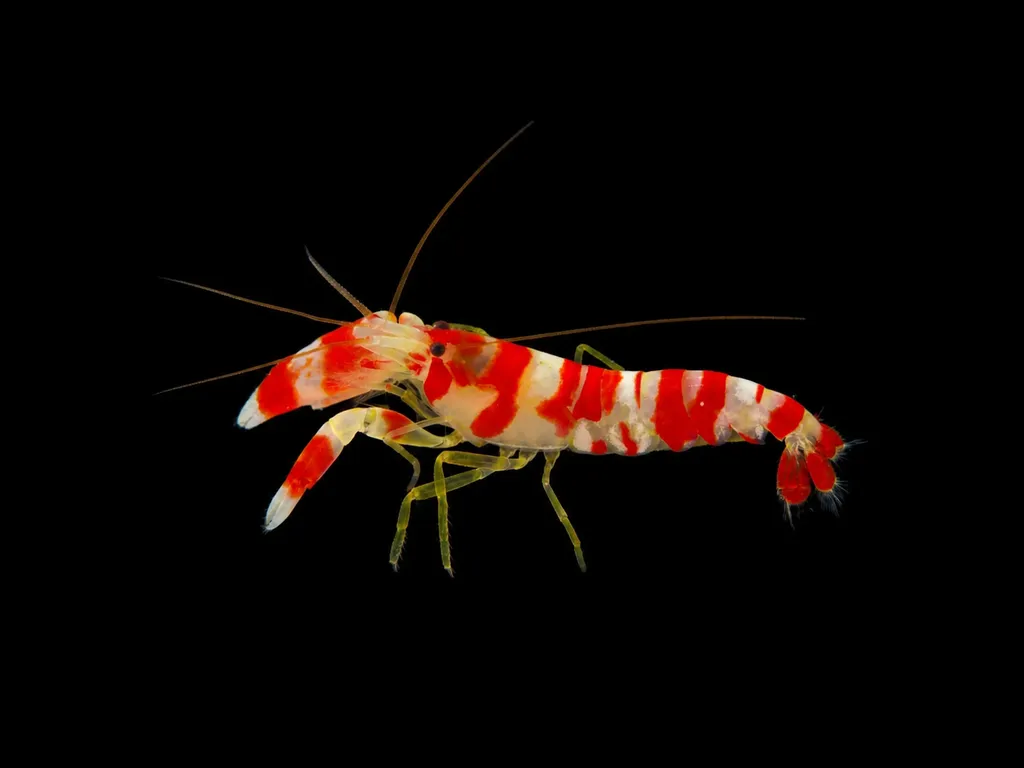 1.6 in (4 cm)11 gal (40 L)75–81°F (24–27°C)
Randall's pistol shrimp
Alpheus randalli
1.6 in (4 cm) · 11 gal (40 L)
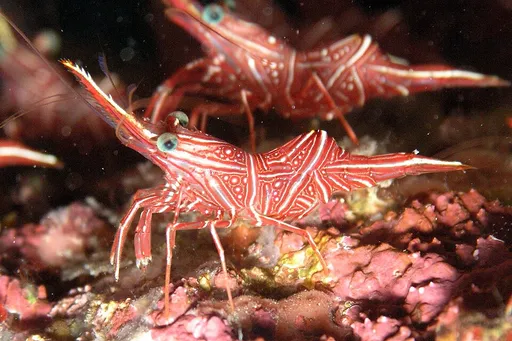 2 in (5 cm)16 gal (60 L)75–81°F (24–27°C)
Camel / dancing shrimp
Rhynchocinetes durbanensis
2 in (5 cm) · 16 gal (60 L)