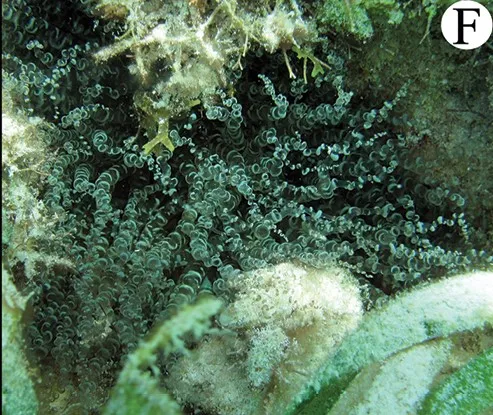
Curlyque anemone
Bartholomea annulata
Also known as Corkscrew Anemone, Curly-Cue Anemone, Ringed Anemone, Curlique Anemone
SaltwaterAnemone
Care at a glance
- Temperature
- 75–81°F
- 24–27°C
- pH
- 8.0–8.4
- Adult size
- 5.9 in
- 15 cm
- Minimum tank
- 20 gal
- 75 L
- Temperament
- Mostly peaceful
- Social behavior
- Solitary
- Tankmates
- With caution
- Swim level
- Bottom
- Diet
- Carnivore
- Difficulty
- Medium
- Breeding
- No record
- Rarity
- Common
- Reef safe
- Reef safe with caution
- Family
- Aiptasiidae
- Origin
- Caribbean and western Atlantic, in reef crevices and seagrass on shallow reefs.
Overview
The curlyque anemone is a hardy Caribbean anemone for the rockwork of a reef tank. It is a step up from the easiest invertebrates.
Did you know
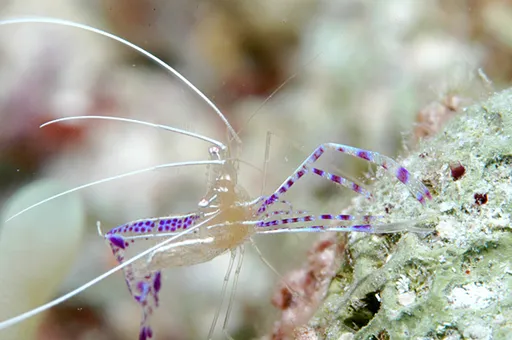
On the reef, the curlyque anemone runs a cleaning station. Shrimp, especially Pederson's cleaner shrimp, shelter at its base and pick parasites off visiting fish in exchange for its protection.
Caring for the curlyque anemone
Keep the curlyque anemone in 20 gal (75 L) or more, with moderate light and flow. It anchors its base in a rock crevice and spends its time low in the tank.
Hold the water at 75 to 81°F (24 to 27°C) and a pH of 8.0 to 8.4. Feed it chopped meaty foods a few times a week. It shares the weedy toughness of its cousin Aiptasia.
Its sting is potent, and its tentacles reach farther than they look, so give corals plenty of space. Pair it with Pederson's cleaner shrimp or other anemone shrimp for a natural cleaning display.
Good to know
The curlyque anemone, Bartholomea annulata, belongs to the family Aiptasiidae and is a Caribbean cousin of the pest Aiptasia. Its long, semi-transparent tentacles carry spiraling corkscrew bands of white, packed with stinging cells. It can inflate its tentacles out to 5 to 8 cm or deflate to a small blob in seconds. It is also sold as the corkscrew, ringed or curly-cue anemone.
In the wild
The curlyque anemone comes from the Caribbean and the western Atlantic. It lives in reef crevices and seagrass on shallow reefs.
Symbiotic relationships
Shrimp and crabs that live in anemones
Several small crustaceans live where almost nothing else can: among the tentacles of an anemone. Sexy shrimp perch in the tentacles in a cluster, bobbing their tails in the display that named them. The white-spot anemone shrimp is near transparent apart from its spots and lives on carpet anemones. The porcelain anemone crab sits at the anemone's edge and filters plankton from the water with two fan-like arms. Pederson's cleaner shrimp lives in the Caribbean corkscrew anemone and cleans fish from there. In every case the anemone is a bodyguard: its sting keeps off the small fish that would eat the shrimp. The anemone gains little, and the white-spot shrimp will nibble its host's tentacles when it is hungry.
Give each of them its anemone. Sexy shrimp take a rock flower anemone, a bubble tip or a carpet. The white-spot shrimp and the porcelain crab want a carpet anemone or a long tentacle anemone, both of which need a mature tank at the tank size their profiles list. Pederson's shrimp wants a corkscrew anemone or a condy. Without a host they perch on a coral or hide in the rock and are picked off by any fish that eats shrimp, so they suit a peaceful nano reef. A clownfish will evict them from an anemone it has claimed.
Common questions
What size tank does a curlyque anemone need?
A curlyque anemone needs at least 20 gal (75 L).
What temperature and pH does a curlyque anemone need?
A curlyque anemone is comfortable at 75–81°F (24–27°C) with a pH of 8.0–8.4.
What does a curlyque anemone eat?
A curlyque anemone eats chopped meaty foods, fed a few times a week.
How big does a curlyque anemone get?
An adult curlyque anemone reaches about 5.9 in (15 cm).
Related species
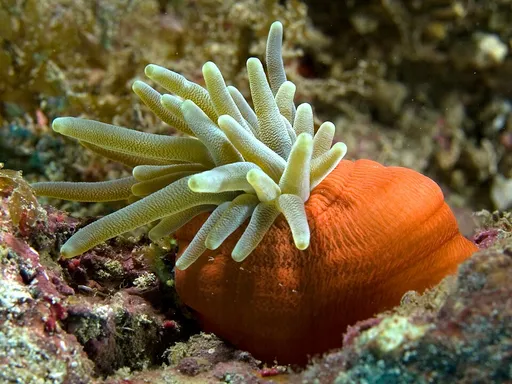 11.8 in (30 cm)40 gal (150 L)75–81°F (24–27°C)
Condy anemone
Condylactis gigantea
11.8 in (30 cm) · 40 gal (150 L)
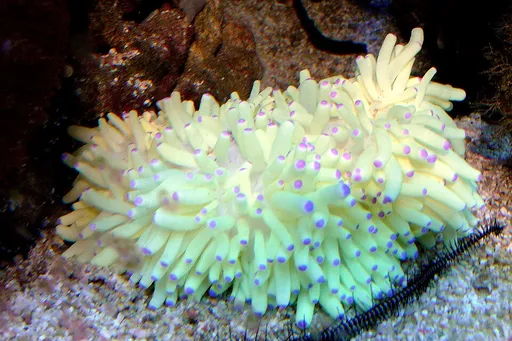 7.9 in (20 cm)40 gal (150 L)75–81°F (24–27°C)
Malu anemone
Heteractis malu
7.9 in (20 cm) · 40 gal (150 L)
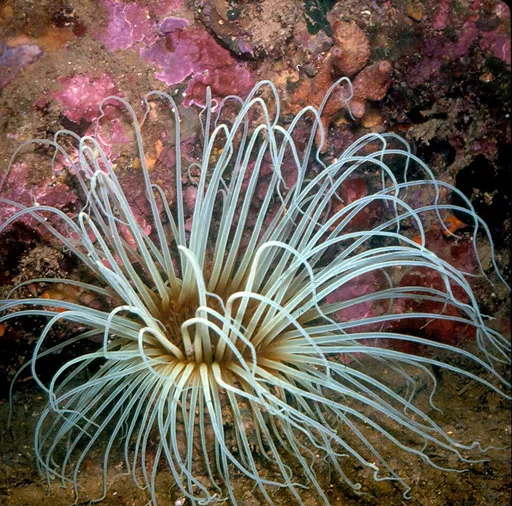 7.9 in (20 cm)20 gal (75 L)75–81°F (24–27°C)
Tube anemone
Cerianthus sp.
7.9 in (20 cm) · 20 gal (75 L)
 3.9 in (10 cm)20 gal (75 L)75–81°F (24–27°C)
Rock flower anemone
Phymanthus crucifer
3.9 in (10 cm) · 20 gal (75 L)
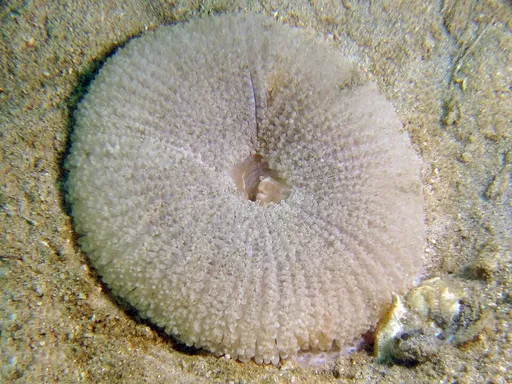 3.1 in (8 cm)20 gal (75 L)75–81°F (24–27°C)
Maxi-mini carpet anemone
Stichodactyla tapetum
3.1 in (8 cm) · 20 gal (75 L)
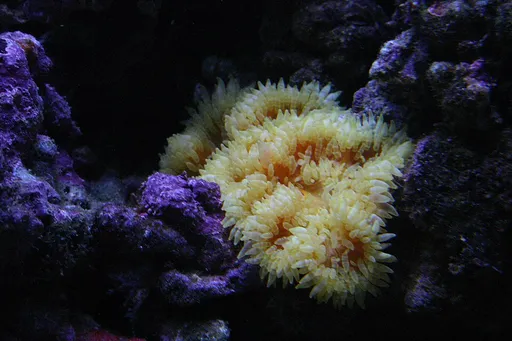 11.8 in (30 cm)50 gal (190 L)72–79°F (22–26°C)
Aurora anemone
Heteractis aurora
11.8 in (30 cm) · 50 gal (190 L)