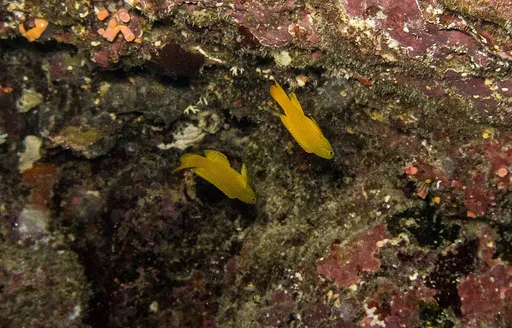
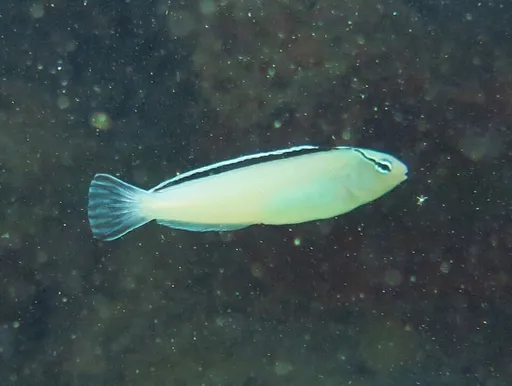
Yellow assessor
Assessor flavissimus
Also known as Yellow Assessor Basslet, Yellow Devilfish, Gold Assessor Basslet
SaltwaterFish
Care at a glance
- Temperature
- 72–79°F
- 22–26°C
- pH
- 8.1–8.4
- Adult size
- 2.8 in
- 7 cm
- Minimum tank
- 29 gal
- 110 L
- Temperament
- Peaceful
- Social behavior
- Social
- Swim level
- Middle
- Difficulty
- Easy
- Breeding
- Medium
- Rarity
- Rare
- Reef safe
- Reef safe
- Family
- Plesiopidae
- Origin
- Western Pacific, around the Great Barrier Reef, the Coral Sea, and Papua New Guinea
Overview
A genuinely peaceful plankton picker that gets along with nearly everything except its own kind in a cramped tank, where it can turn snappish over territory. It is completely reef safe and will not bother corals or invertebrates. Because it hovers upside down under a ledge rather than swimming freely through the tank, the aquascape needs to be built around it, with caves and overhangs in place before the fish goes in. It feeds on small zooplankton in the wild and readily accepts frozen mysis, enriched brine shrimp, and other small meaty foods in the aquarium.
In the wild
Found on the Great Barrier Reef, the Coral Sea, and reefs off Papua New Guinea, sheltering in small groups under overhangs, ledges, and inside caves. It swims upside down against the ceiling of its shelter, oriented to the rock rather than to the surface, and rarely ventures far from cover. Rockwork is the single most important thing to get right: without real caves and overhangs to hide under and swim against, this fish stays stressed and loses its color. A tank of at least 110 liters gives it room for a cave system, with 200 liters or more recommended for keeping a small group.
Good to know
Assessor flavissimus belongs to the small reef family Plesiopidae. Males are mouthbrooders, holding the fertilized eggs in their mouths until they hatch rather than leaving them in a nest. It is bred commercially in modest numbers, notably by ORA, so tank-raised individuals are available alongside wild-caught fish.
Did you know
It spends nearly all of its time upside down, cruising along the underside of a ledge with its belly toward the rock and its back toward open water, an orientation so consistent that a yellow assessor kept without an overhang to swim against will struggle to feel secure.
Weekly picks
Tank mates
Yellow assessor is a peaceful, social species that keeps to the middle. These picks share a community profile with it, are safe together in both directions, and overlap on water type, temperature and pH.
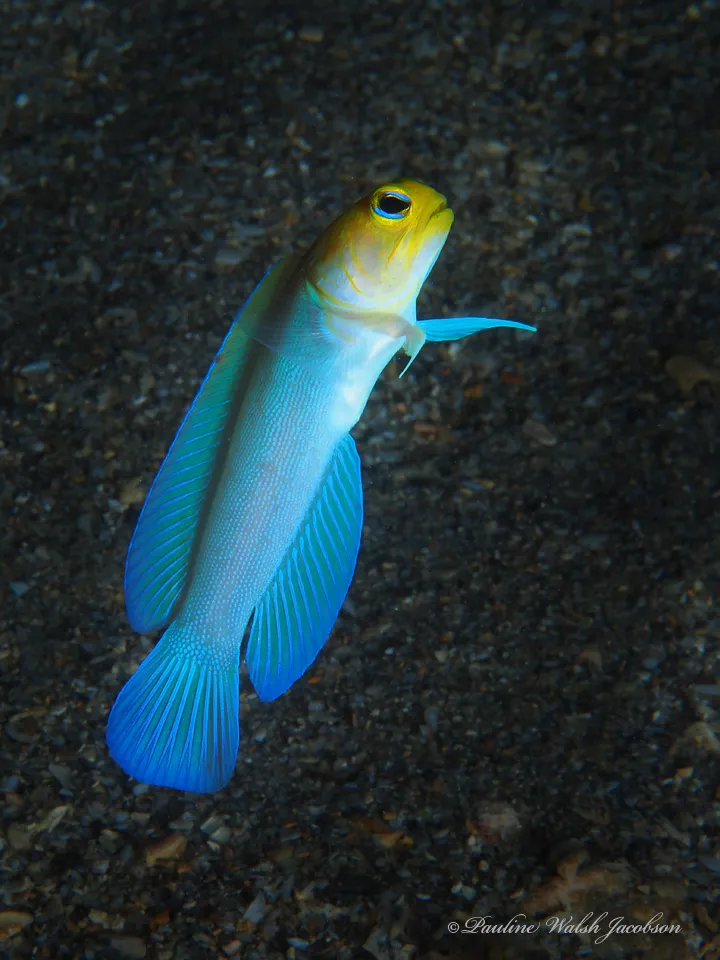
Pearly jawfish
Opistognathus aurifrons
Saltwater3.9 in (10 cm) · 29 gal (110 L)73–81°F (23–27°C)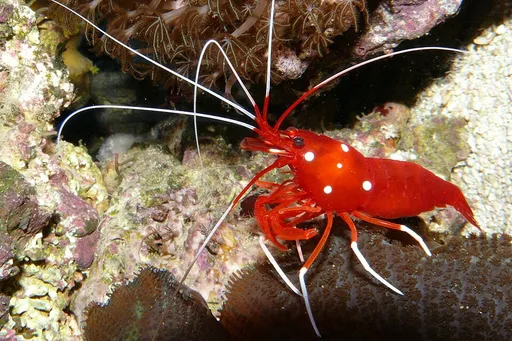
Fire shrimp
Lysmata debelius
Saltwater2.4 in (6 cm) · 20 gal (75 L)72–79°F (22–26°C)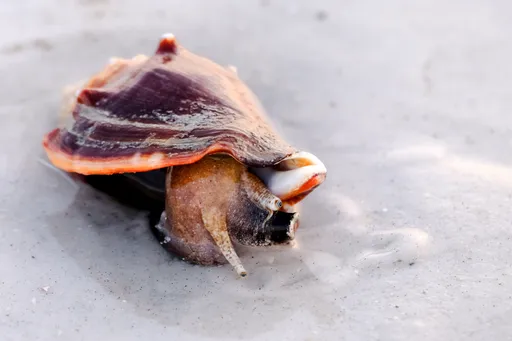
Fighting conch
Strombus alatus
Saltwater3.1 in (8 cm) · 20 gal (75 L)75–81°F (24–27°C)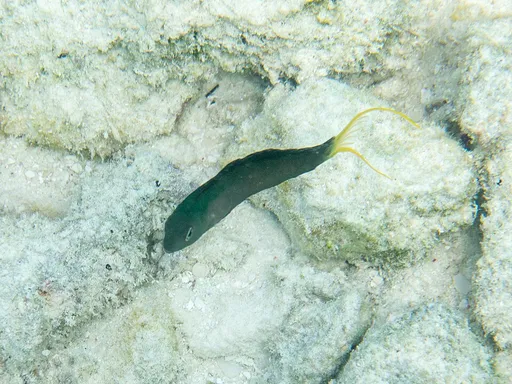
Mozambique fangblenny
Meiacanthus mossambicus
Saltwater3.5 in (9 cm) · 29 gal (110 L)72–79°F (22–26°C)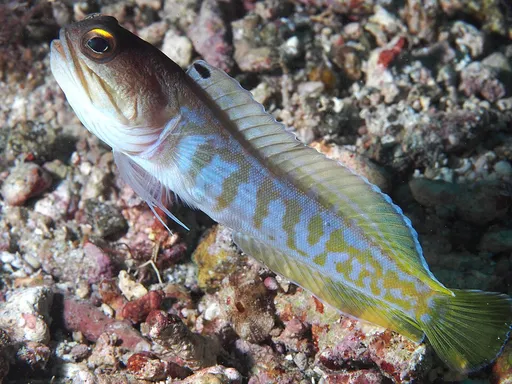
Gold-specs jawfish
Opistognathus randalli
Saltwater3.9 in (10 cm) · 30 gal (115 L)73–81°F (23–27°C)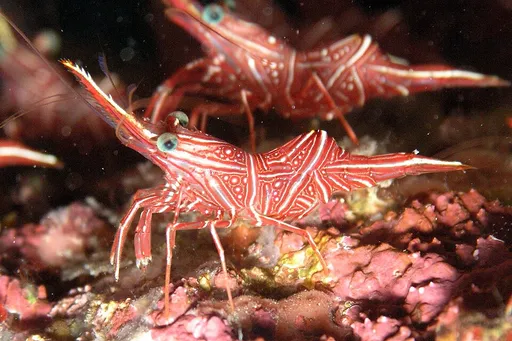
Camel / dancing shrimp
Rhynchocinetes durbanensis
Saltwater2 in (5 cm) · 16 gal (60 L)75–81°F (24–27°C)
Common questions
What size tank does a Yellow assessor need?
A Yellow assessor needs at least 29 gal (110 L). It spends most of its time in the middle.
What temperature and pH does a Yellow assessor need?
A Yellow assessor is comfortable at 72–79°F (22–26°C) with a pH of 8.1–8.4.
How big does a Yellow assessor get?
An adult Yellow assessor reaches about 2.8 in (7 cm).
Related species
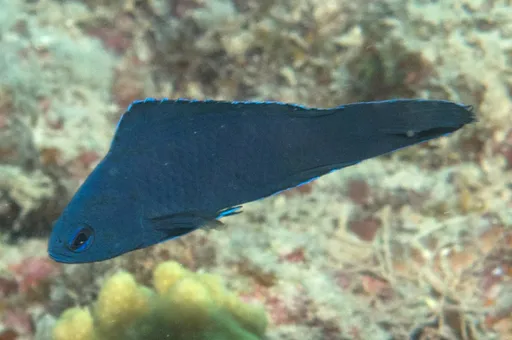 2.8 in (7 cm)29 gal (110 L)72–79°F (22–26°C)
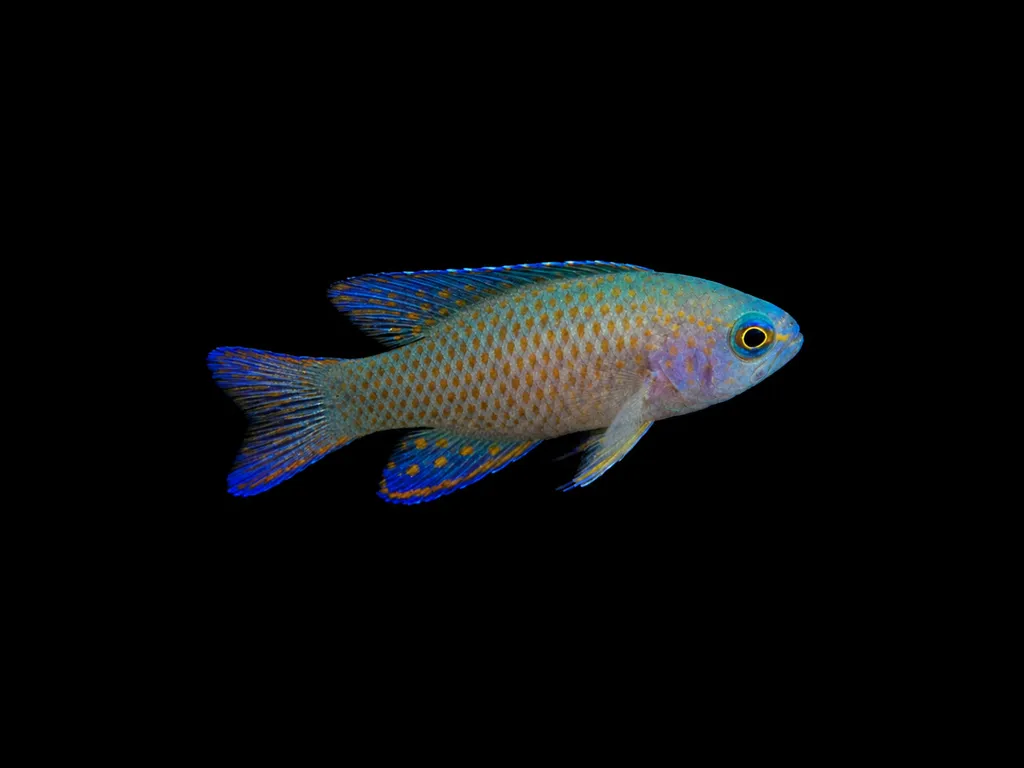
Blue assessor
Assessor macneilli
2.8 in (7 cm) · 29 gal (110 L)
 3.1 in (8 cm)29 gal (110 L)73–81°F (23–27°C)
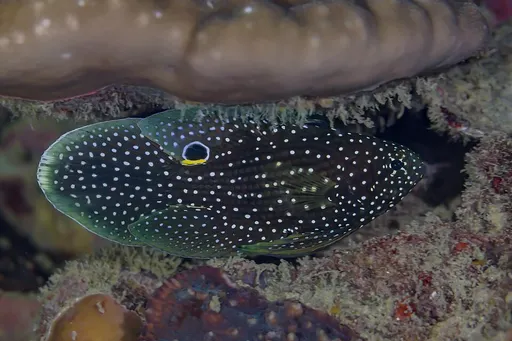
Randall's assessor
Assessor randalli
3.1 in (8 cm) · 29 gal (110 L)
 6.3 in (16 cm)55 gal (210 L)73–81°F (23–27°C)
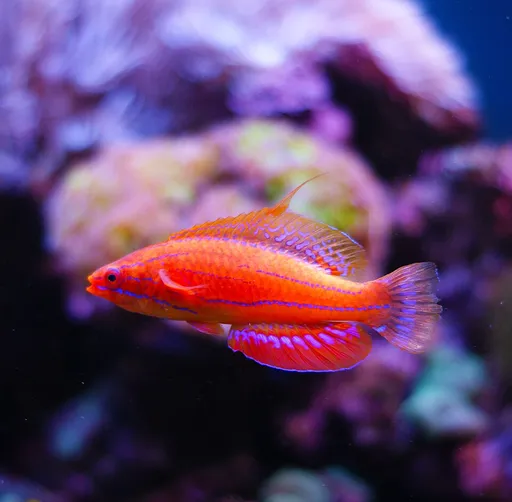
Marine betta
Calloplesiops altivelis
6.3 in (16 cm) · 55 gal (210 L)
 3.1 in (8 cm)53 gal (200 L)73–81°F (23–27°C)
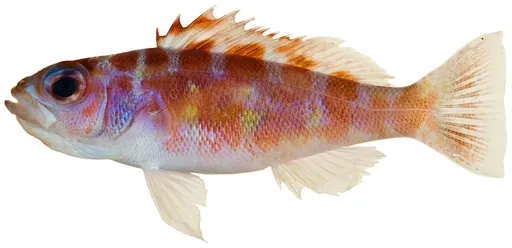
Carpenter's flasher wrasse
Paracheilinus carpenteri
3.1 in (8 cm) · 53 gal (200 L)
 3.1 in (8 cm)29 gal (110 L)72–81°F (22–27°C)
Chalk bass
Serranus tortugarum
3.1 in (8 cm) · 29 gal (110 L)
 3.1 in (8 cm)26 gal (100 L)73–81°F (23–27°C)
Disco blenny
Meiacanthus smithi
3.1 in (8 cm) · 26 gal (100 L)