Flametail blenny
Enchelyurus flavipes
Also known as Yellowtail Black Blenny, Yellowfin Blenny, Flame Tail Blenny
SaltwaterFish
Care at a glance
- Temperature
- 72–79°F
- 22–26°C
- pH
- 8.1–8.4
- Adult size
- 3 in
- 7.5 cm
- Minimum tank
- 29 gal
- 110 L
- Temperament
- Peaceful
- Social behavior
- Solitary
- Swim level
- Bottom
- Difficulty
- Easy
- Breeding
- Egg layer · Medium
- Rarity
- Common
- Reef safe
- Reef safe
- Family
- Blenniidae
- Origin
- Western Pacific (Singapore to the Philippines)
Overview
The flametail blenny is a small, peaceful bottom dweller for a saltwater reef tank, and it is easy to keep.
Did you know
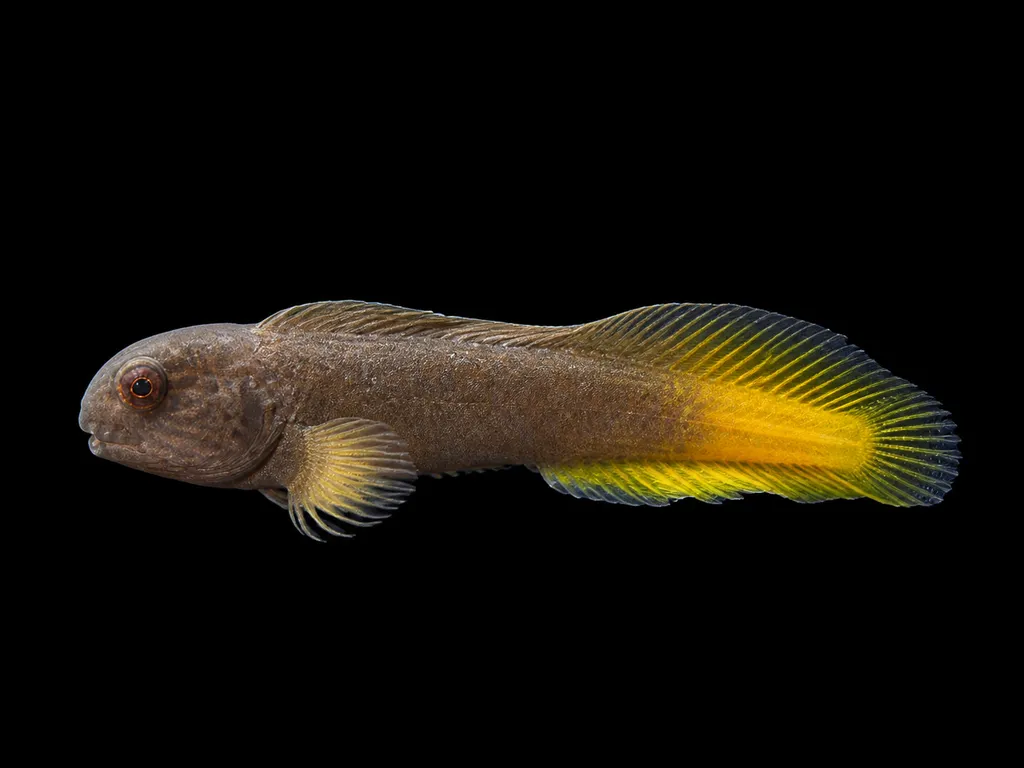
In a dim tank, the flametail blenny's sooty body all but vanishes against the rock. The glowing tail then often looks like it is moving through the aquascape on its own.
Caring for the flametail blenny
Give the flametail blenny 29 gal (110 L) or more, with plenty of rockwork, bolt holes and grazing surfaces. It perches on rock near the bottom and ducks into a hole when startled.
Hold the water at 72 to 79°F (22 to 26°C) and a pH of 8.1 to 8.4. It grazes algae between meals and takes pellets and frozen foods readily. Captive-bred fish arrive fully weaned onto prepared diets.
Keep one per tank. The flametail blenny is reef safe and peaceful with most fish. It can be scrappy toward other blennies, small gobies and dartfish that share the bottom.
It lays its eggs on the substrate, each fixed by a small adhesive pad, and the larvae drift as plankton before settling. Breeding it takes some experience.
Good to know
Enchelyurus flavipes is a small combtooth blenny in the family Blenniidae, also sold as the yellowtail black blenny or yellowfin blenny. Its velvety dark body ends in bright yellow to orange tail, anal and rear dorsal fins.
In the wild
Flametail blennies come from shallow coral reefs in the western Pacific, from Singapore to the Philippines and including the South China Sea. They make short trips up the reef to graze films of algae.
Weekly picks
Tank mates
The flametail blenny is a peaceful, solitary species that keeps to the bottom. These picks share a community profile with it, are safe together in both directions, and overlap on water type, temperature and pH.
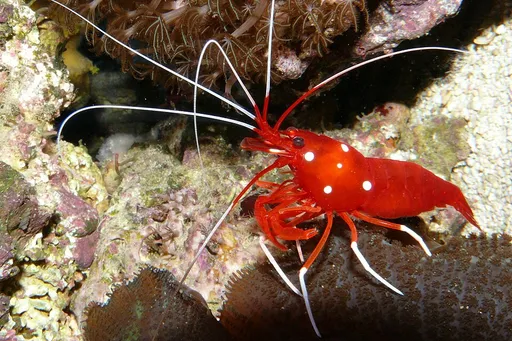
Fire shrimp
Lysmata debelius
Saltwater2.4 in (6 cm) · 20 gal (75 L)72–79°F (22–26°C)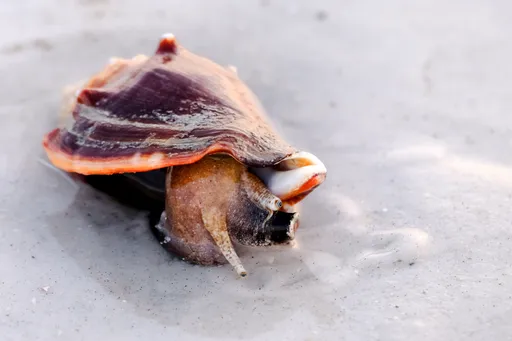
Fighting conch
Strombus alatus
Saltwater3.1 in (8 cm) · 20 gal (75 L)75–81°F (24–27°C)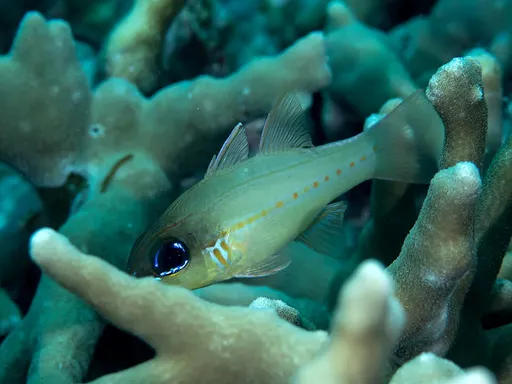
Seale's cardinalfish
Ostorhinchus sealei
Saltwater3.9 in (10 cm) · 29 gal (110 L)72–79°F (22–26°C)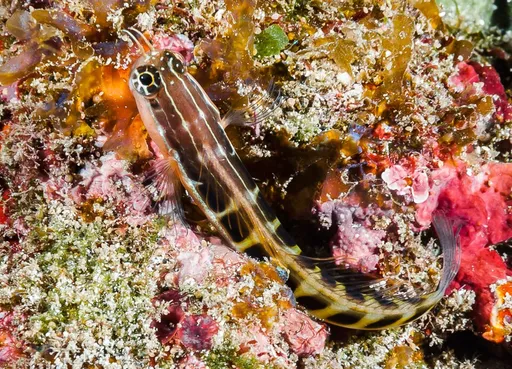
Lined blenny
Ecsenius lineatus
Saltwater3.5 in (9 cm) · 20 gal (75 L)72–79°F (22–26°C)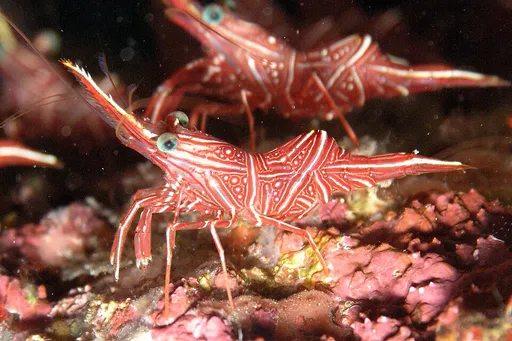
Camel / dancing shrimp
Rhynchocinetes durbanensis
Saltwater2 in (5 cm) · 16 gal (60 L)75–81°F (24–27°C)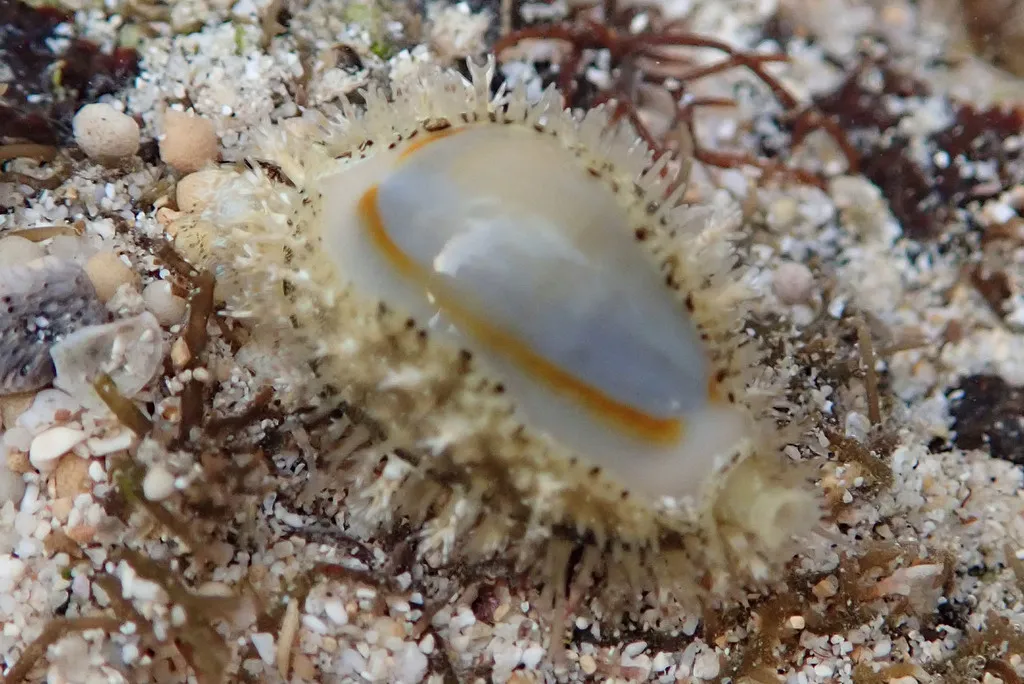
Ring cowrie
Monetaria annulus
Saltwater1.2 in (3 cm) · 20 gal (75 L)75–81°F (24–27°C)
Common questions
What size tank does a flametail blenny need?
A flametail blenny needs at least 29 gal (110 L). It spends most of its time in the bottom.
What temperature and pH does a flametail blenny need?
A flametail blenny is comfortable at 72–79°F (22–26°C) with a pH of 8.1–8.4.
What does a flametail blenny eat?
A flametail blenny grazes algae between meals and readily takes pellets and frozen foods. Captive-bred fish arrive already weaned onto prepared diets.
How big does a flametail blenny get?
An adult flametail blenny reaches about 3 in (7.5 cm).
Related species
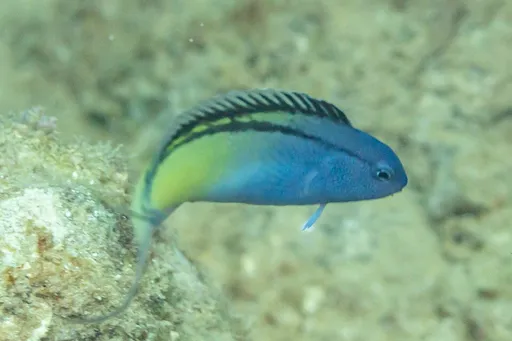 3.1 in (8 cm)20 gal (75 L)75–81°F (24–27°C)
Red Sea mimic blenny
Ecsenius gravieri
3.1 in (8 cm) · 20 gal (75 L)
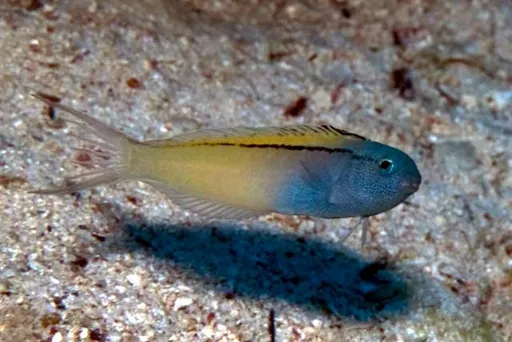 3.5 in (9 cm)20 gal (75 L)75–81°F (24–27°C)
Blackline fang blenny
Meiacanthus nigrolineatus
3.5 in (9 cm) · 20 gal (75 L)
- 3.5 in (9 cm)20 gal (75 L)72–79°F (22–26°C)
Lined blenny
Ecsenius lineatus
3.5 in (9 cm) · 20 gal (75 L)
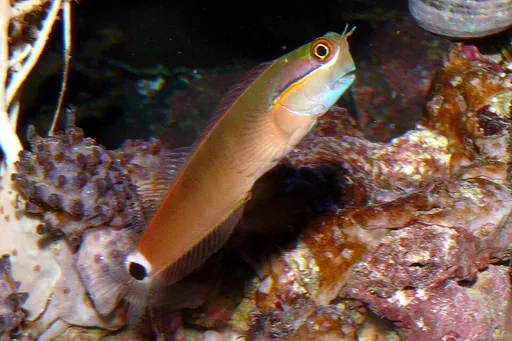 2.4 in (6 cm)20 gal (75 L)72–79°F (22–26°C)
Tailspot blenny
Ecsenius stigmatura
2.4 in (6 cm) · 20 gal (75 L)
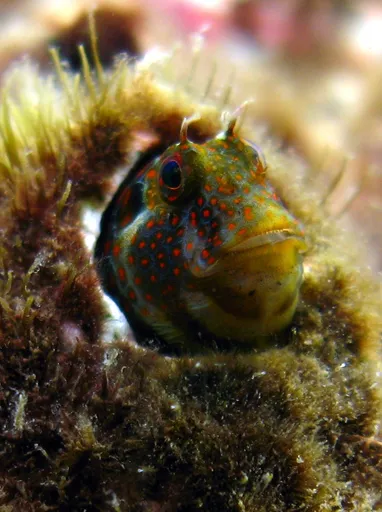 2.4 in (6 cm)20 gal (75 L)73–79°F (23–26°C)
Tessellated blenny
Hypsoblennius invemar
2.4 in (6 cm) · 20 gal (75 L)
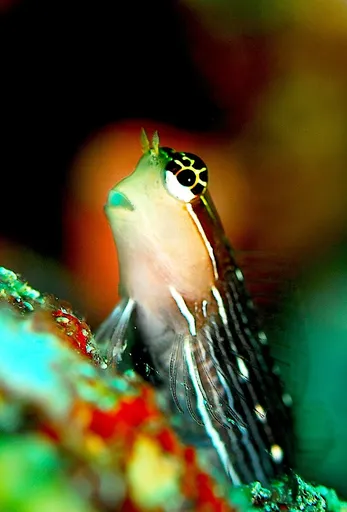 2 in (5 cm)20 gal (75 L)73–81°F (23–27°C)
Pictus blenny
Ecsenius pictus
2 in (5 cm) · 20 gal (75 L)