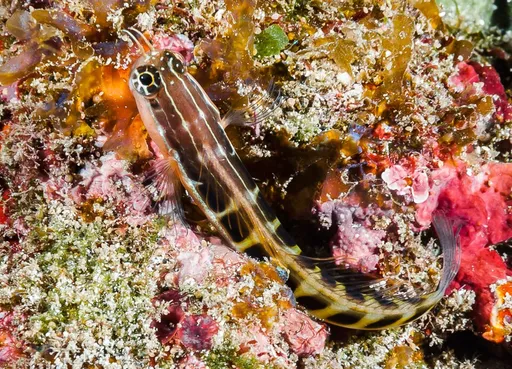
Lined blenny
Ecsenius lineatus
Also known as Lineatus Blenny, Klausewitz's Blenny, Linear Blenny, Lined Combtooth Blenny
SaltwaterFish
Care at a glance
- Temperature
- 72–79°F
- 22–26°C
- pH
- 8.1–8.4
- Adult size
- 3.5 in
- 9 cm
- Minimum tank
- 20 gal
- 75 L
- Temperament
- Peaceful
- Social behavior
- Solitary
- Swim level
- Bottom
- Difficulty
- Easy
- Breeding
- Medium
- Rarity
- Rare
- Reef safe
- Reef safe
- Family
- Blenniidae
- Origin
- Indo-West Pacific (Yemen to the Philippines and Japan)
Overview
The lined blenny is a perching blenny that mostly minds its own business in a saltwater reef tank. It is easy to keep.
Did you know
The lined blenny's stripe pattern shifts from region to region across a range from Arabian waters to Japan. Fish from India, the Philippines and Australia can each look subtly different.
Caring for the lined blenny
Give the lined blenny 20 gal (75 L) or more, with rockwork for perches and some algal film to work over. It grazes through the day.
Hold the water at 72 to 79°F (22 to 26°C) and a pH of 8.1 to 8.4. Captive-bred fish take pellets and frozen foods, and they do not depend on natural algae growth.
The lined blenny is peaceful and reef safe. Keep one per tank, since bolder blennies may harass it and two males need a very long tank to hold separate territories. Breeding it takes some experience.
Good to know
Ecsenius lineatus is a combtooth blenny in the family Blenniidae, also sold as the lineatus blenny or Klausewitz's blenny. A dark stripe runs high along its body above a pale belly, and in some regional forms it breaks into dashes. It has one of the widest ranges of any species in its genus.
In the wild
The lined blenny lives on clear coastal reefs and outer reef crests across the Indo-West Pacific, from Yemen to the Philippines and southern Japan. It is usually found shallower than 15 meters. It perches on coral and rock between short grazing runs.
Weekly picks
Tank mates
The lined blenny is a peaceful, solitary species that keeps to the bottom. These picks share a community profile with it, are safe together in both directions, and overlap on water type, temperature and pH.
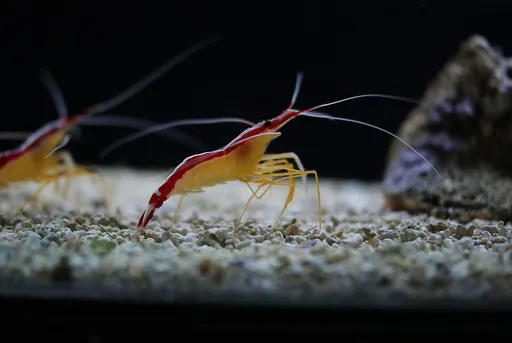
Skunk cleaner shrimp
Lysmata amboinensis
Saltwater2.4 in (6 cm) · 20 gal (75 L)73–81°F (23–27°C)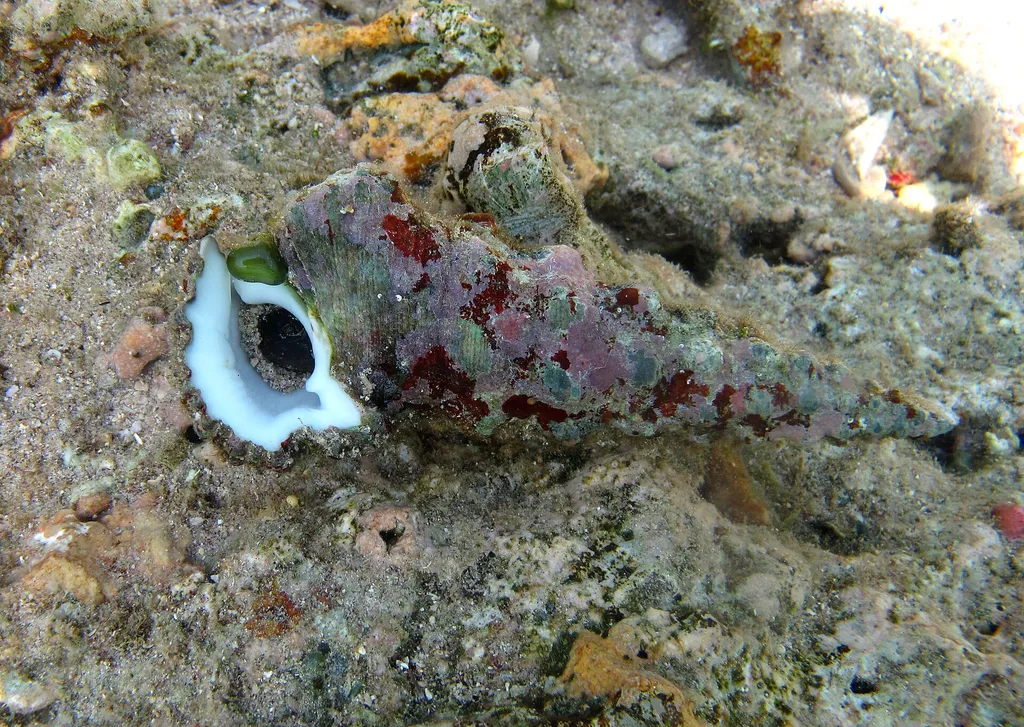
Cerith snail
Cerithium sp.
Saltwater1.6 in (4 cm) · 11 gal (40 L)72–79°F (22–26°C)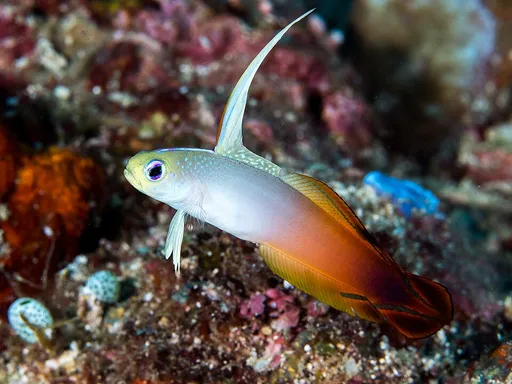
Firefish
Nemateleotris magnifica
Saltwater3.5 in (9 cm) · 20 gal (75 L)72–81°F (22–27°C)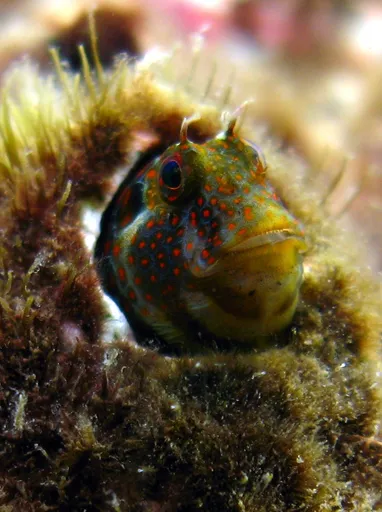
Tessellated blenny
Hypsoblennius invemar
Saltwater2.4 in (6 cm) · 20 gal (75 L)73–79°F (23–26°C)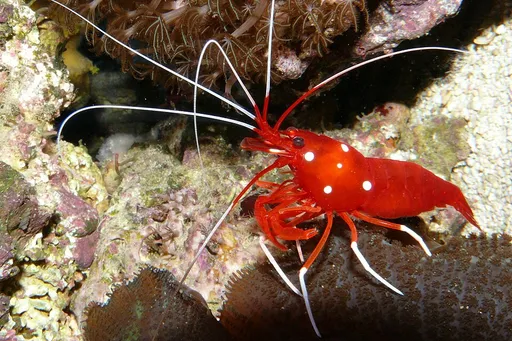
Fire shrimp
Lysmata debelius
Saltwater2.4 in (6 cm) · 20 gal (75 L)72–79°F (22–26°C)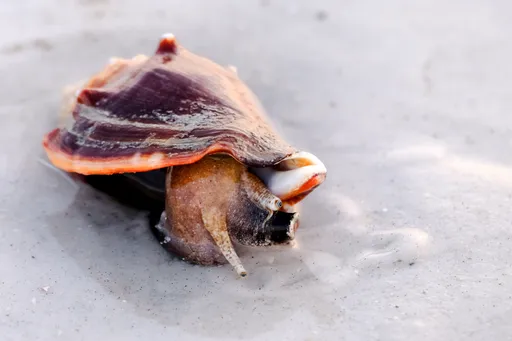
Fighting conch
Strombus alatus
Saltwater3.1 in (8 cm) · 20 gal (75 L)75–81°F (24–27°C)
Common questions
What size tank does a lined blenny need?
A lined blenny needs at least 20 gal (75 L). It spends most of its time in the bottom.
What temperature and pH does a lined blenny need?
A lined blenny is comfortable at 72–79°F (22–26°C) with a pH of 8.1–8.4.
What does a lined blenny eat?
A lined blenny grazes on algal film through the day. Captive-bred fish also take pellets and frozen foods, so they do not depend on natural algae growth.
How big does a lined blenny get?
An adult lined blenny reaches about 3.5 in (9 cm).
Related species
 3.1 in (8 cm)20 gal (75 L)75–81°F (24–27°C)
Red Sea mimic blenny
Ecsenius gravieri
3.1 in (8 cm) · 20 gal (75 L)
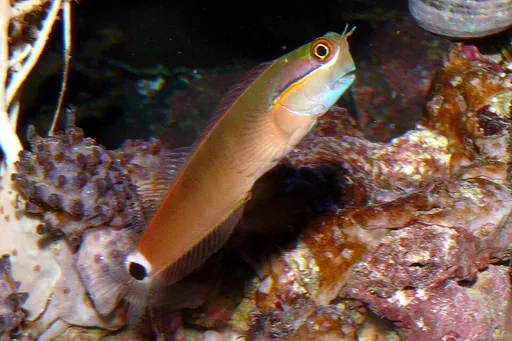 2.4 in (6 cm)20 gal (75 L)72–79°F (22–26°C)
Tailspot blenny
Ecsenius stigmatura
2.4 in (6 cm) · 20 gal (75 L)
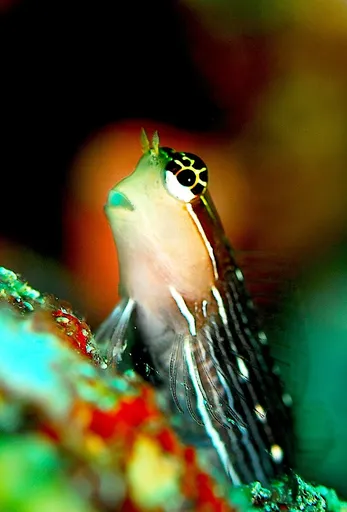 2 in (5 cm)20 gal (75 L)73–81°F (23–27°C)
Pictus blenny
Ecsenius pictus
2 in (5 cm) · 20 gal (75 L)
 3.9 in (10 cm)29 gal (110 L)72–79°F (22–26°C)
Bicolor blenny
Ecsenius bicolor
3.9 in (10 cm) · 29 gal (110 L)
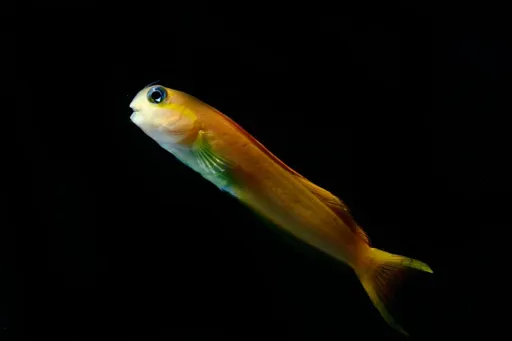 5.1 in (13 cm)29 gal (110 L)72–79°F (22–26°C)
Midas blenny
Ecsenius midas
5.1 in (13 cm) · 29 gal (110 L)
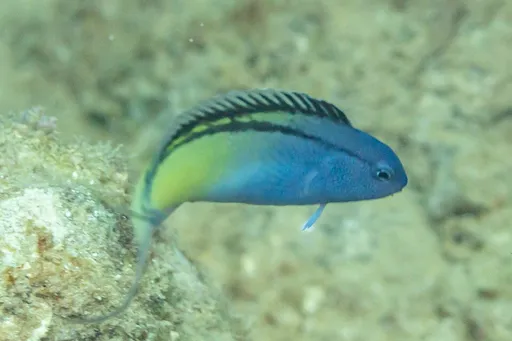
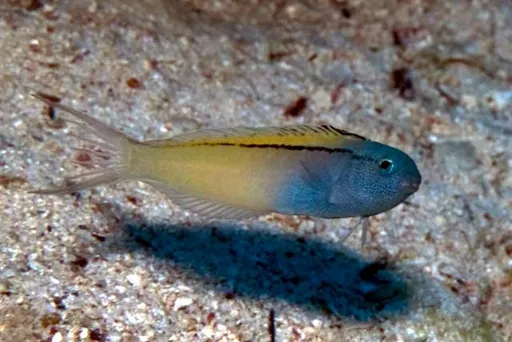 3.5 in (9 cm)20 gal (75 L)75–81°F (24–27°C)
Blackline fang blenny
Meiacanthus nigrolineatus
3.5 in (9 cm) · 20 gal (75 L)