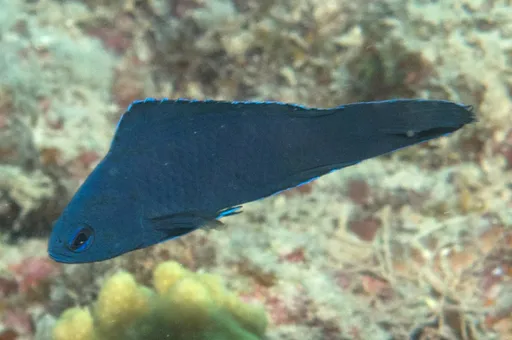
Blue assessor
Assessor macneilli
Also known as Blue Devilfish, Blue Scissortail, Macneill's Assessor
SaltwaterFish
Care at a glance
- Temperature
- 72–79°F
- 22–26°C
- pH
- 8.1–8.4
- Adult size
- 2.8 in
- 7 cm
- Minimum tank
- 29 gal
- 110 L
- Temperament
- Peaceful
- Social behavior
- Social
- Swim level
- Middle
- Difficulty
- Easy
- Breeding
- Medium
- Rarity
- Rare
- Reef safe
- Reef safe
- Family
- Plesiopidae
- Origin
- Western Pacific, from northeastern Australia and New Guinea through the Great Barrier Reef and Coral Sea to New Caledonia
Overview
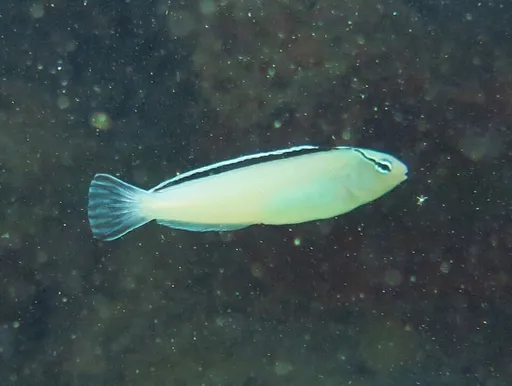
Blue assessors are peaceful toward other species and spend their time hovering upside down under a favorite ledge rather than patrolling the tank. They are more particular about their own kind: a single fish is the simplest way to keep one, since adults introduced separately will often fight over territory, though a group added to the tank at the same time can settle into a stable hierarchy in a large enough aquarium. They are excellent reef tankmates and will not touch corals or invertebrates. Feed a varied carnivore diet of mysis, finely chopped seafood, and enriched brine shrimp at least twice a day.
In the wild
Ranges across the western Pacific from northeastern Australia and New Guinea through the Great Barrier Reef and Coral Sea to New Caledonia, sheltering in caves and under ledges in shallow water down to about 20 meters. Wild groups can number up to a hundred fish packed into a single cave system, all swimming upside down against the roof. In the aquarium it needs the same setup on a smaller scale: a tank of at least 110 liters with caves and overhangs built in before the fish is added, and considerably more if keeping several.
Good to know
Assessor macneilli belongs to the family Plesiopidae and is the classic mouthbrooding member of its small genus: the male carries the fertilized eggs in his mouth for around two weeks, and as they near hatching he keeps his mouth open and shuffles the eggs back and forth every few minutes to keep them aerated. It has not been produced at the same commercial scale as some dottybacks, though captive-bred individuals from farms such as ORA do reach the trade.
Did you know
In the wild a single cave can shelter a shoal of a hundred blue assessors all hovering belly-up against the ceiling at once, a striking sight that is nearly impossible to recreate at that scale in a home aquarium, though even a small group under one ledge captures the same upside-down spectacle.
Weekly picks
Tank mates
Blue assessor is a peaceful, social species that keeps to the middle. These picks share a community profile with it, are safe together in both directions, and overlap on water type, temperature and pH.
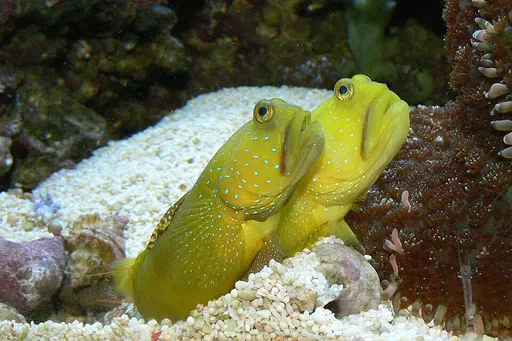
Yellow watchman goby
Cryptocentrus cinctus
Saltwater3.5 in (9 cm) · 20 gal (75 L)72–81°F (22–27°C)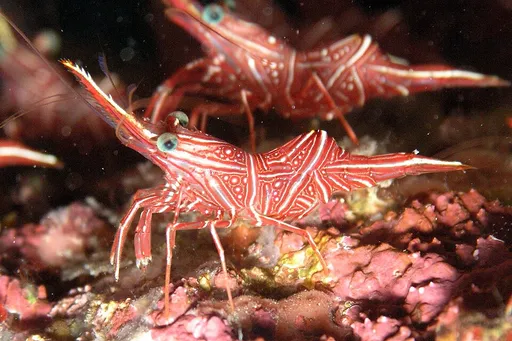
Camel / dancing shrimp
Rhynchocinetes durbanensis
Saltwater2 in (5 cm) · 16 gal (60 L)75–81°F (24–27°C)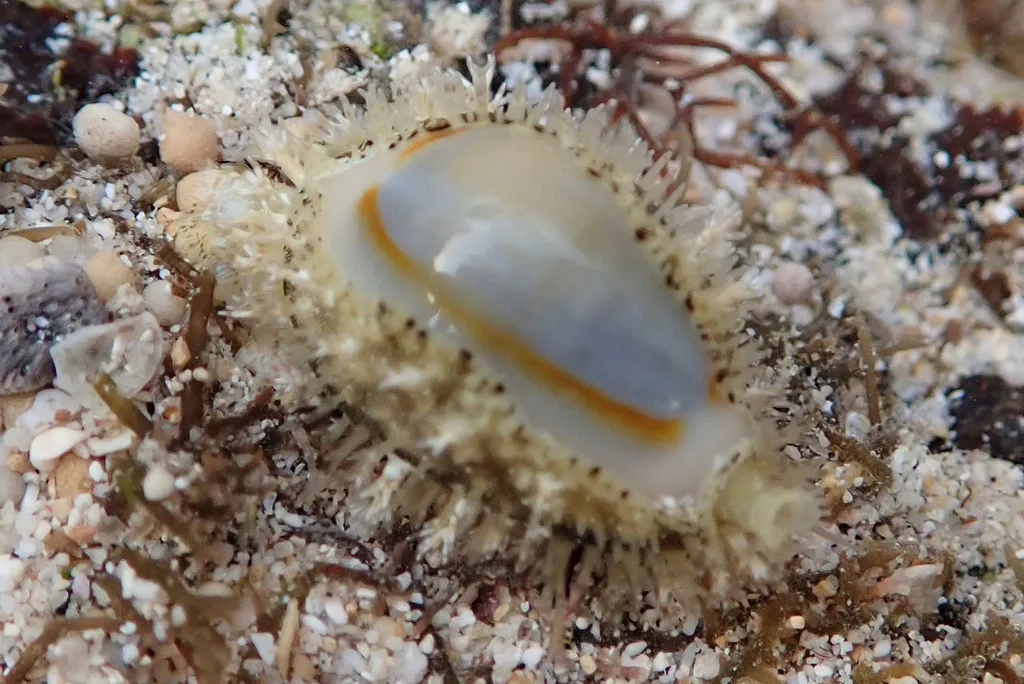
Ring cowrie
Monetaria annulus
Saltwater1.2 in (3 cm) · 20 gal (75 L)75–81°F (24–27°C)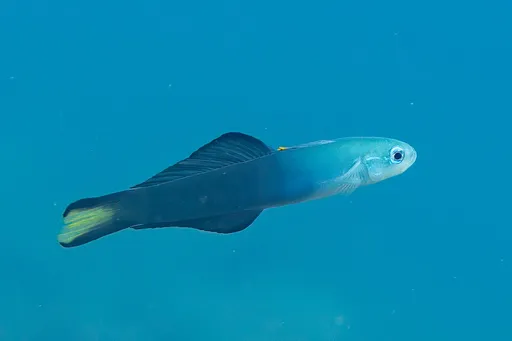
Scissortail dartfish
Ptereleotris evides
Saltwater5.5 in (14 cm) · 29 gal (110 L)72–79°F (22–26°C)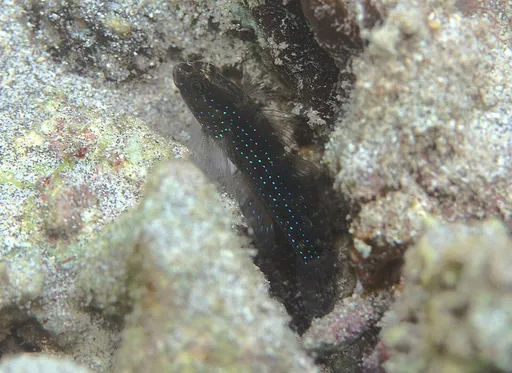
Starry goby
Asterropteryx semipunctata
Saltwater2.8 in (7 cm) · 13 gal (50 L)73–81°F (23–27°C)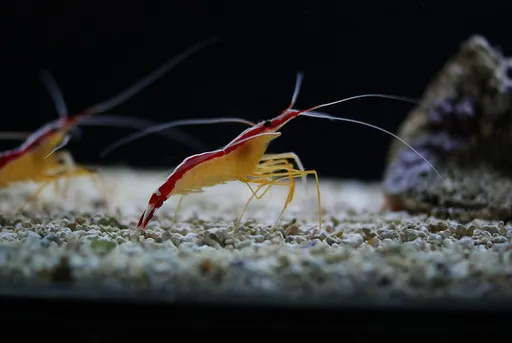
Skunk cleaner shrimp
Lysmata amboinensis
Saltwater2.4 in (6 cm) · 20 gal (75 L)73–81°F (23–27°C)
Common questions
What size tank does a Blue assessor need?
A Blue assessor needs at least 29 gal (110 L). It spends most of its time in the middle.
What temperature and pH does a Blue assessor need?
A Blue assessor is comfortable at 72–79°F (22–26°C) with a pH of 8.1–8.4.
How big does a Blue assessor get?
An adult Blue assessor reaches about 2.8 in (7 cm).
Related species
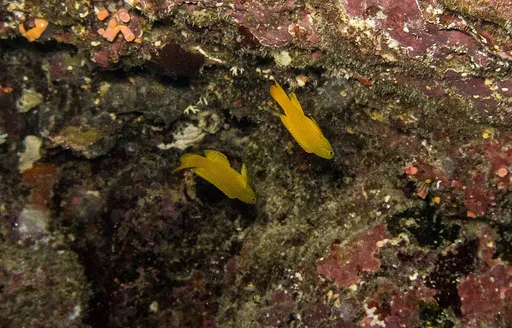 2.8 in (7 cm)29 gal (110 L)72–79°F (22–26°C)
Yellow assessor
Assessor flavissimus
2.8 in (7 cm) · 29 gal (110 L)
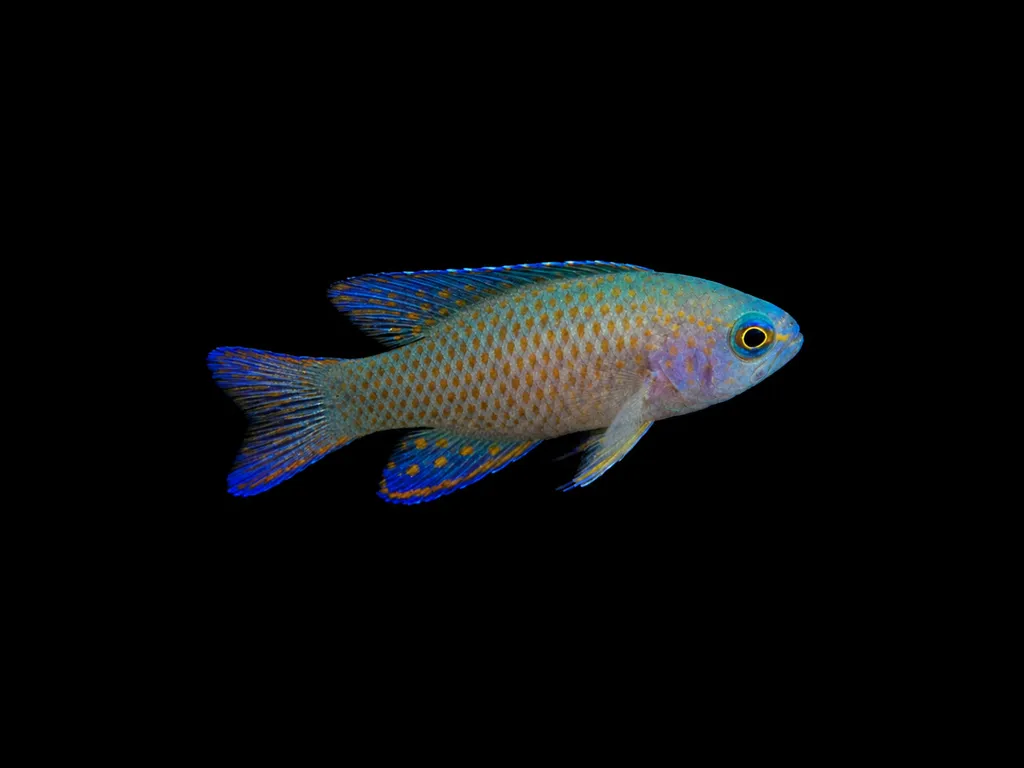 3.1 in (8 cm)29 gal (110 L)73–81°F (23–27°C)
Randall's assessor
Assessor randalli
3.1 in (8 cm) · 29 gal (110 L)
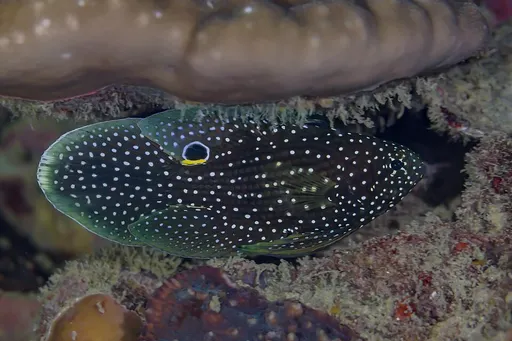 6.3 in (16 cm)55 gal (210 L)73–81°F (23–27°C)
Marine betta
Calloplesiops altivelis
6.3 in (16 cm) · 55 gal (210 L)
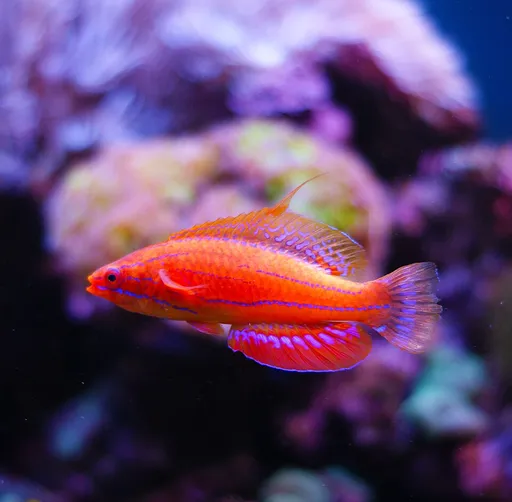 3.1 in (8 cm)53 gal (200 L)73–81°F (23–27°C)
Carpenter's flasher wrasse
Paracheilinus carpenteri
3.1 in (8 cm) · 53 gal (200 L)
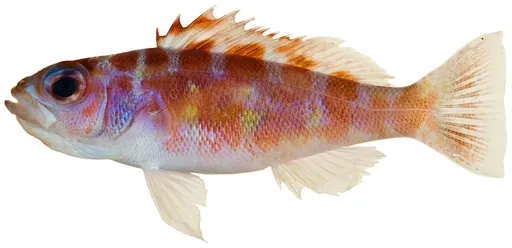 3.1 in (8 cm)29 gal (110 L)72–81°F (22–27°C)
Chalk bass
Serranus tortugarum
3.1 in (8 cm) · 29 gal (110 L)
 3.1 in (8 cm)26 gal (100 L)73–81°F (23–27°C)
Disco blenny
Meiacanthus smithi
3.1 in (8 cm) · 26 gal (100 L)