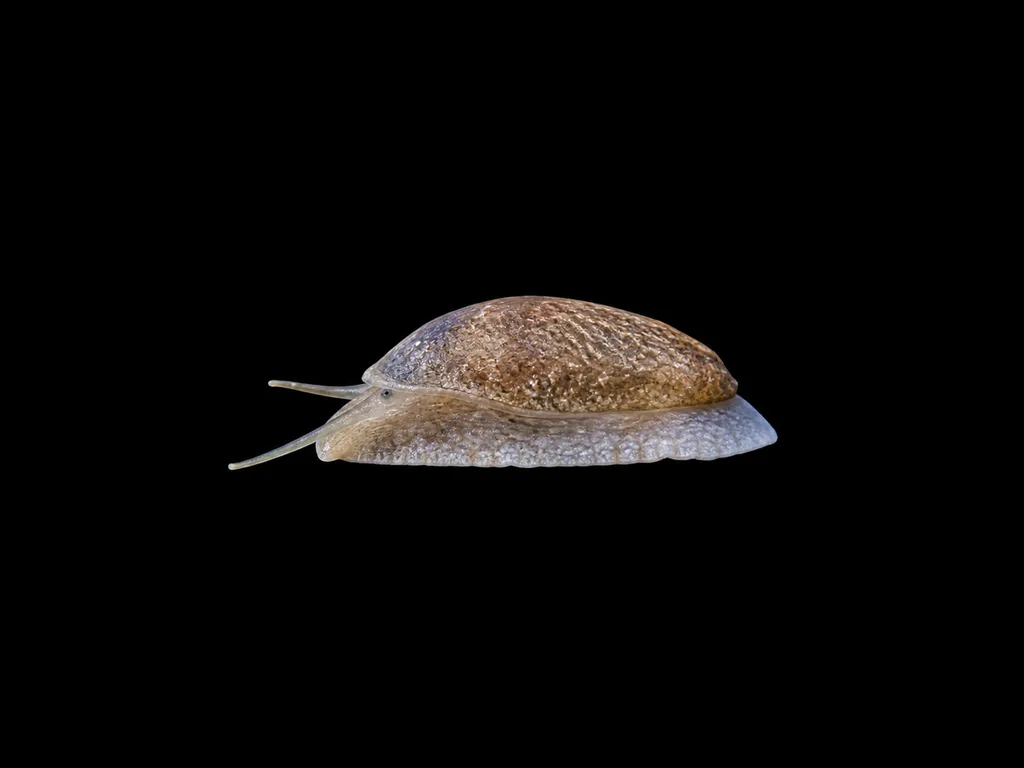
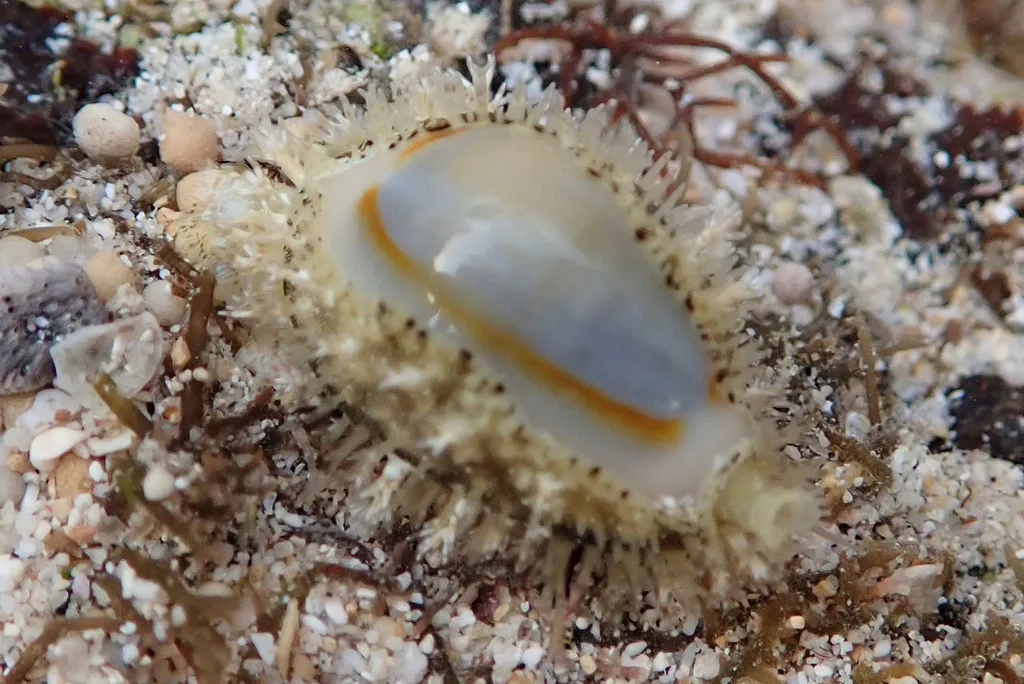
Stomatella snail
Stomatella varia
Also known as Stomatella auricula, Fingernail Snail, Shell-less Snail, Slug Snail
SaltwaterSnail
Care at a glance
- Temperature
- 75–81°F
- 24–27°C
- pH
- 8.1–8.4
- Adult size
- 0.8 in
- 2 cm
- Minimum tank
- 11 gal
- 40 L
- Temperament
- Peaceful
- Social behavior
- Solitary
- Swim level
- Bottom
- Difficulty
- Beginner
- Breeding
- Easy
- Rarity
- Common
- Reef safe
- Reef safe
- Family
- Trochidae
- Origin
- Indo-Pacific reefs and rubble, from shallow water to about 50 m
Overview
An efficient, fast-moving grazer of film algae, diatoms and leftover food that works rock and glass mainly after dark, and it is often called one of the best invisible cleanup-crew animals because it needs no attention at all once it is established. It is a simultaneous hermaphrodite that cannot self-fertilize, so any two individuals in the same tank can pair up, and in a stable reef system a couple of stomatellas can multiply into a self-sustaining colony within months. It leaves corals and other invertebrates alone, though quick predators like six-line wrasses and peppermint shrimp will pick them off given the chance.
In the wild
Stomatella varia lives across Indo-Pacific reefs and rubble zones, from shallow water down to around 50 m, tucked into crevices and under rock during the day. It arrives in most tanks as a hitchhiker on live rock rather than a deliberate purchase, and once established it needs nothing more than ordinary reef rock and glass to graze; there is no special lighting, flow or feeding setup to plan around.
Good to know
Stomatella is a genus of small, fast-moving snails now placed in the family Trochidae, subfamily Stomatellinae, a group long treated as its own family, Stomatellidae. The hobby trade name Stomatella varia covers the common aquarium species, though some taxonomic authorities group it with the closely related, earlier-described Stomatella auricula. Unlike most snails in a cleanup crew it has a small, flattened, ear-shaped shell it cannot fully retract into and no operculum to seal the opening, staying under about 2 cm long.
Did you know
Unlike most snails, it has no operculum to seal itself inside its shell, so its backup defense is to drop the rear part of its own foot when grabbed, leaving it wriggling to distract a predator while the snail crawls away and slowly regrows what it lost.
Weekly picks
Tank mates
Stomatella snail is a peaceful, solitary species that keeps to the bottom. These picks share a community profile with it, are safe together in both directions, and overlap on water type, temperature and pH.
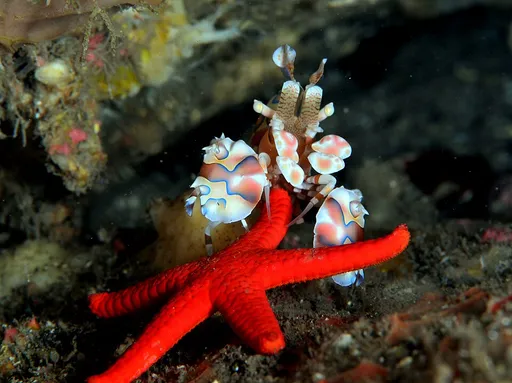
Harlequin shrimp
Hymenocera picta
Saltwater2 in (5 cm) · 11 gal (40 L)75–81°F (24–27°C)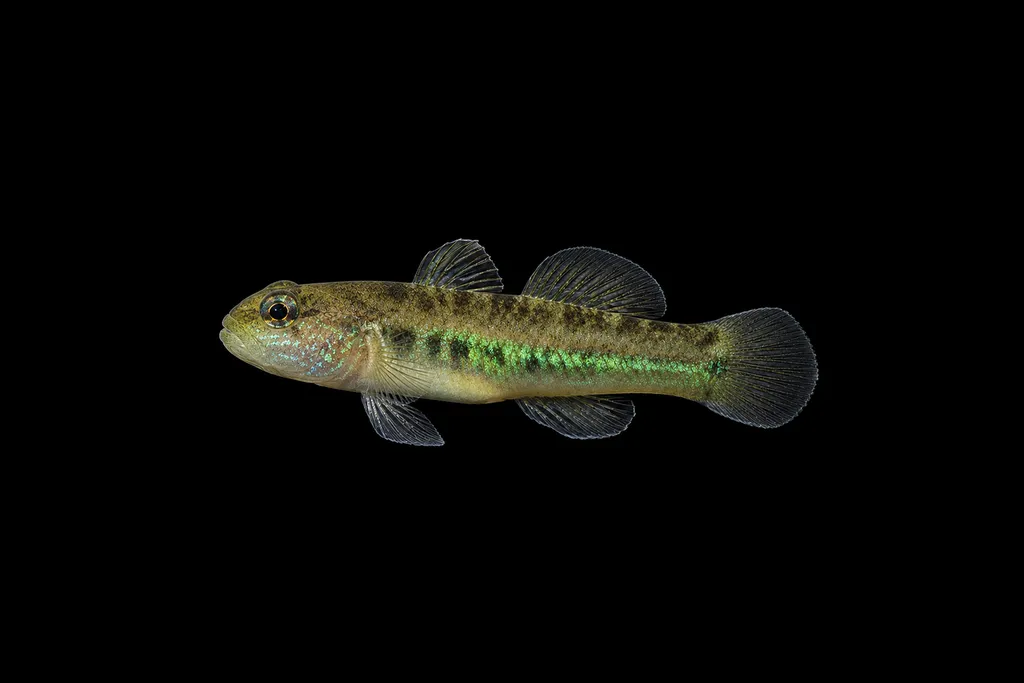
Panamanian greenbanded goby
Tigrigobius panamensis
Saltwater1.2 in (3 cm) · 11 gal (40 L)75–81°F (24–27°C)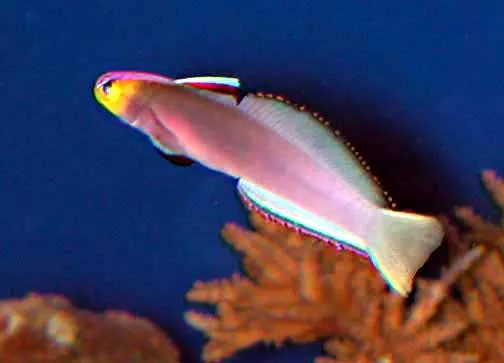
Helfrich's firefish
Nemateleotris helfrichi
Saltwater2.4 in (6 cm) · 20 gal (75 L)73–81°F (23–27°C)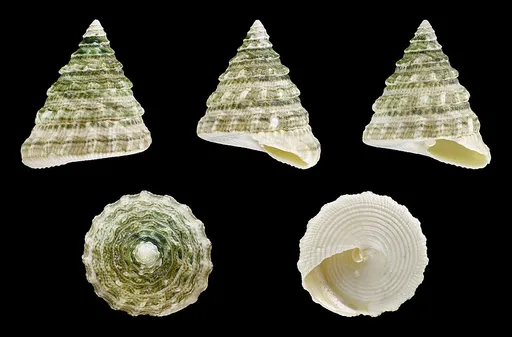
Pyramid top snail
Tectus fenestratus
Saltwater2 in (5 cm) · 11 gal (40 L)75–81°F (24–27°C)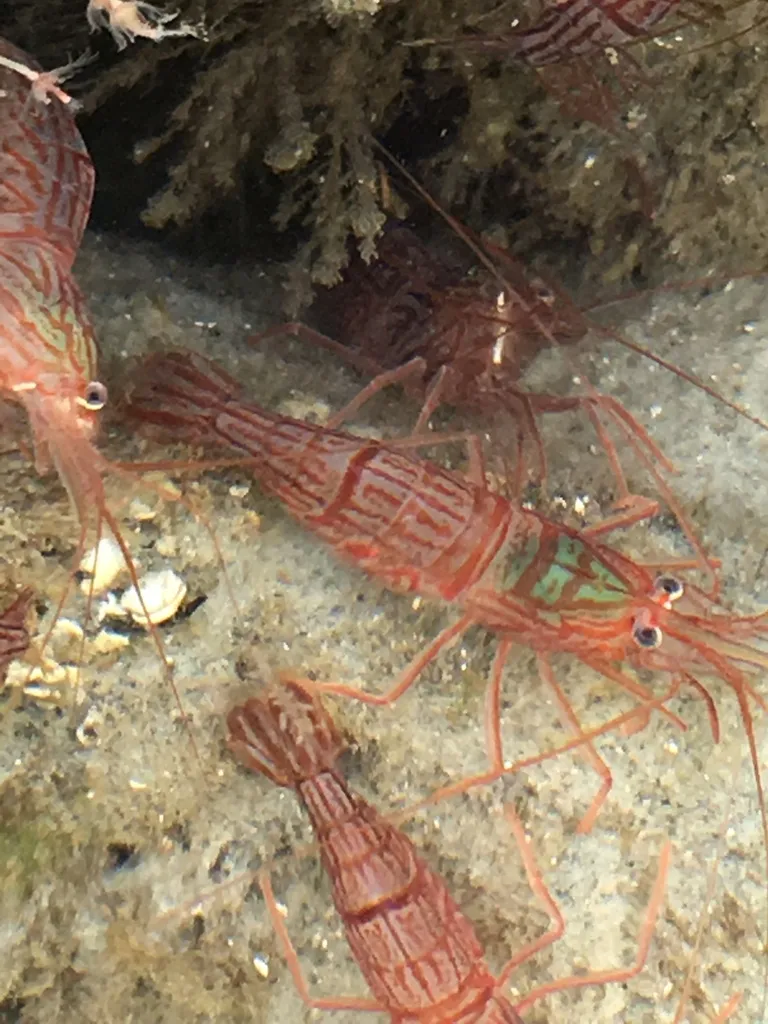
Peppermint shrimp
Lysmata wurdemanni
Saltwater2 in (5 cm) · 11 gal (40 L)72–81°F (22–27°C)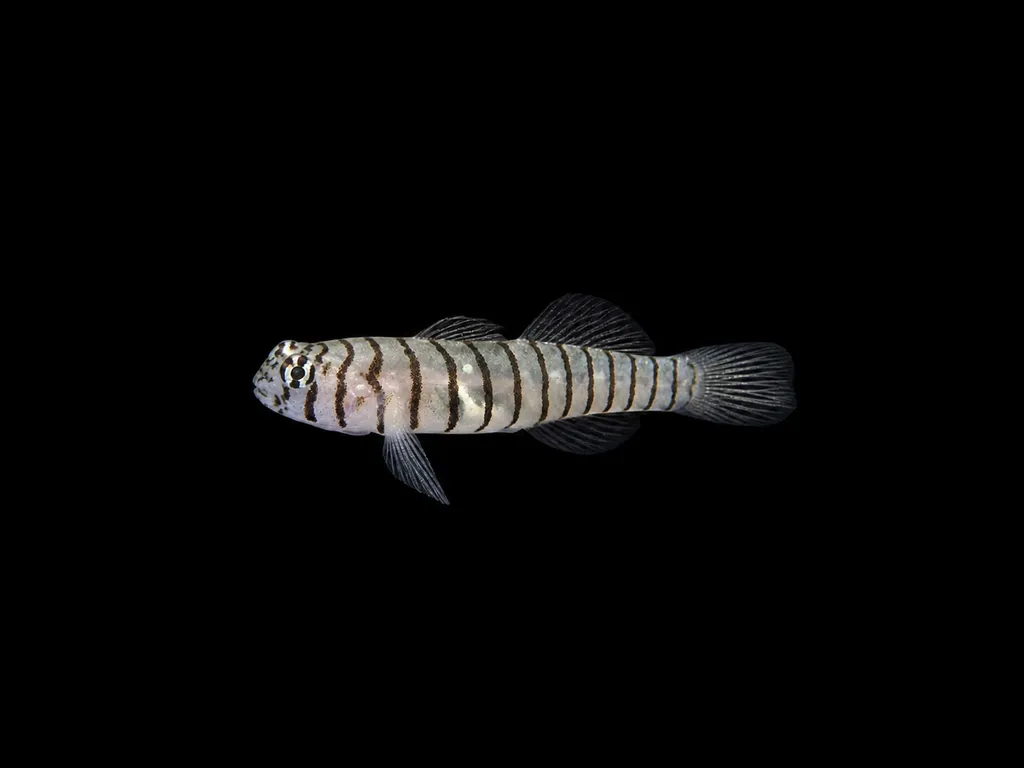
Tiger goby
Tigrigobius macrodon
Saltwater2 in (5 cm) · 11 gal (40 L)72–81°F (22–27°C)
Common questions
What size tank does a Stomatella snail need?
A Stomatella snail needs at least 11 gal (40 L). It spends most of its time in the bottom.
What temperature and pH does a Stomatella snail need?
A Stomatella snail is comfortable at 75–81°F (24–27°C) with a pH of 8.1–8.4.
How big does a Stomatella snail get?
An adult Stomatella snail reaches about 0.8 in (2 cm).
Related species
 1.2 in (3 cm)11 gal (40 L)72–79°F (22–26°C)
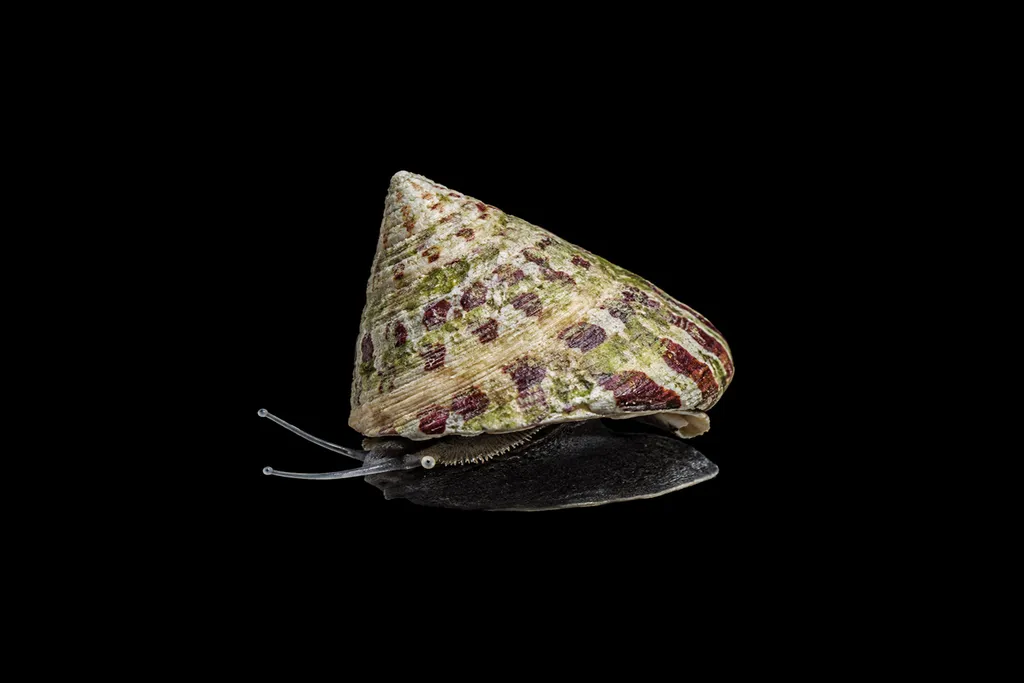
Trochus snail
Trochus sp.
1.2 in (3 cm) · 11 gal (40 L)
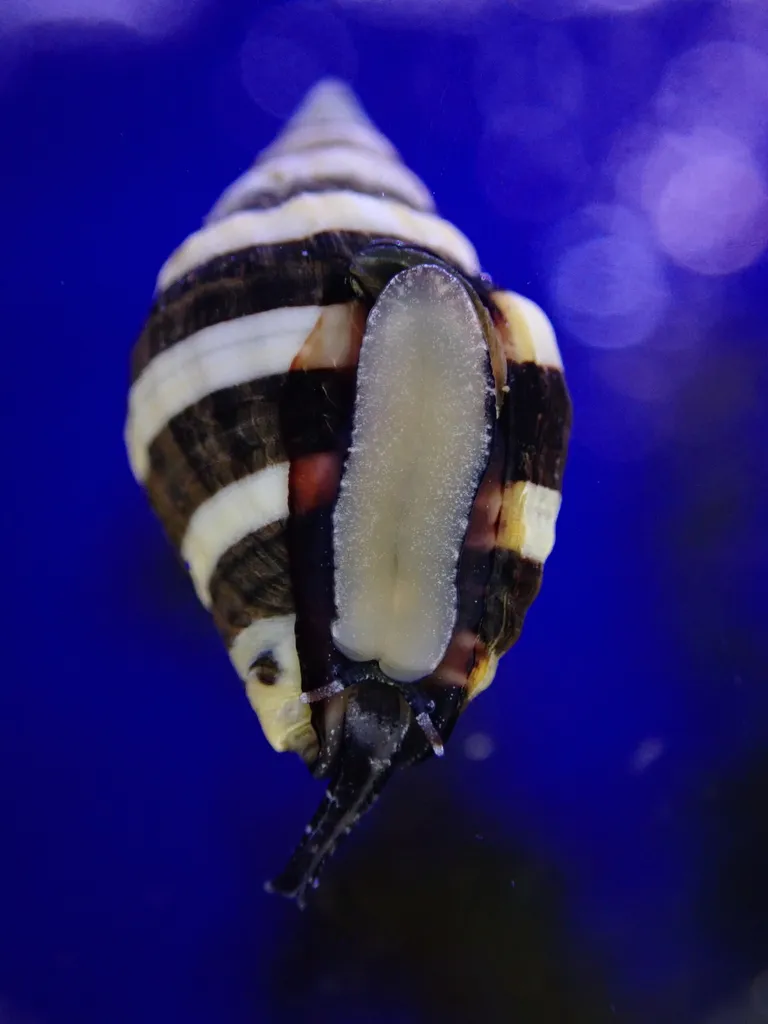 0.8 in (2 cm)11 gal (40 L)75–81°F (24–27°C)
Bumble bee snail
Engina mendicaria
0.8 in (2 cm) · 11 gal (40 L)
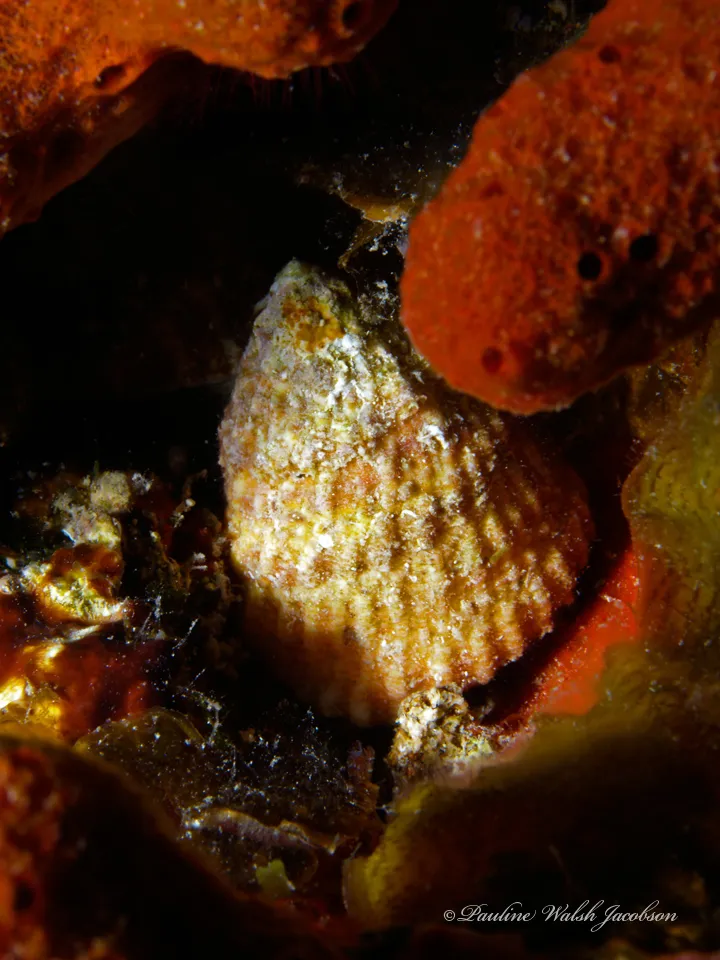 1 in (2.5 cm)11 gal (40 L)72–79°F (22–26°C)
Astraea turbo snail
Astraea tecta
1 in (2.5 cm) · 11 gal (40 L)
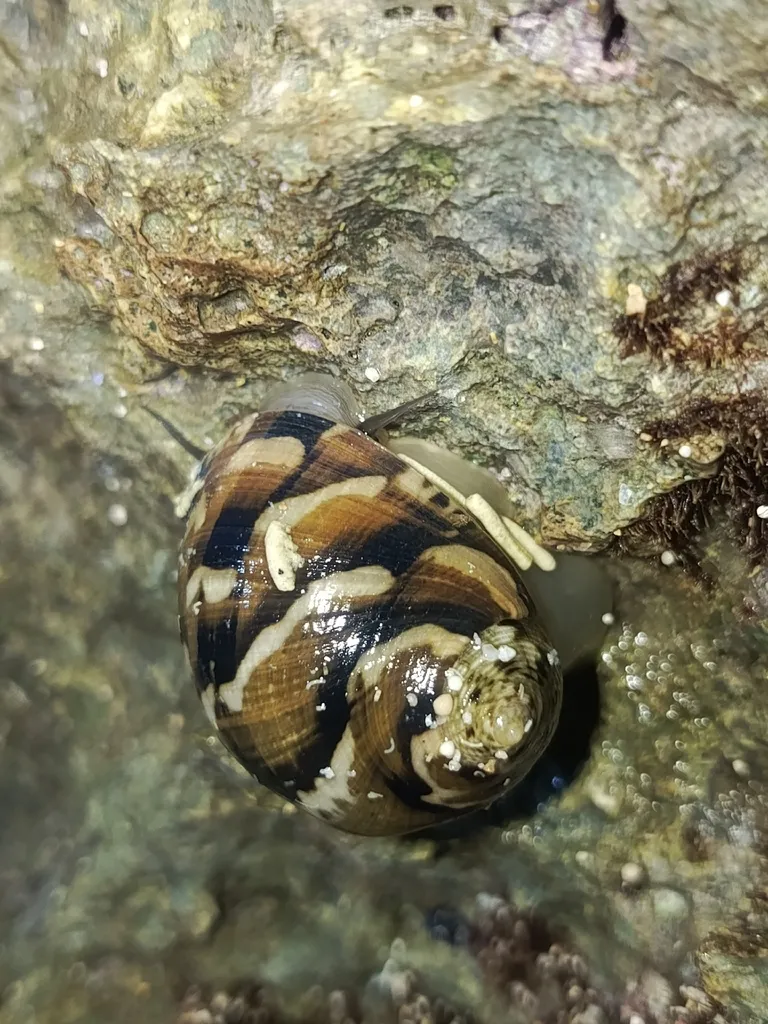 1 in (2.5 cm)11 gal (40 L)72–79°F (22–26°C)
Marine nerite snail
Nerita sp.
1 in (2.5 cm) · 11 gal (40 L)
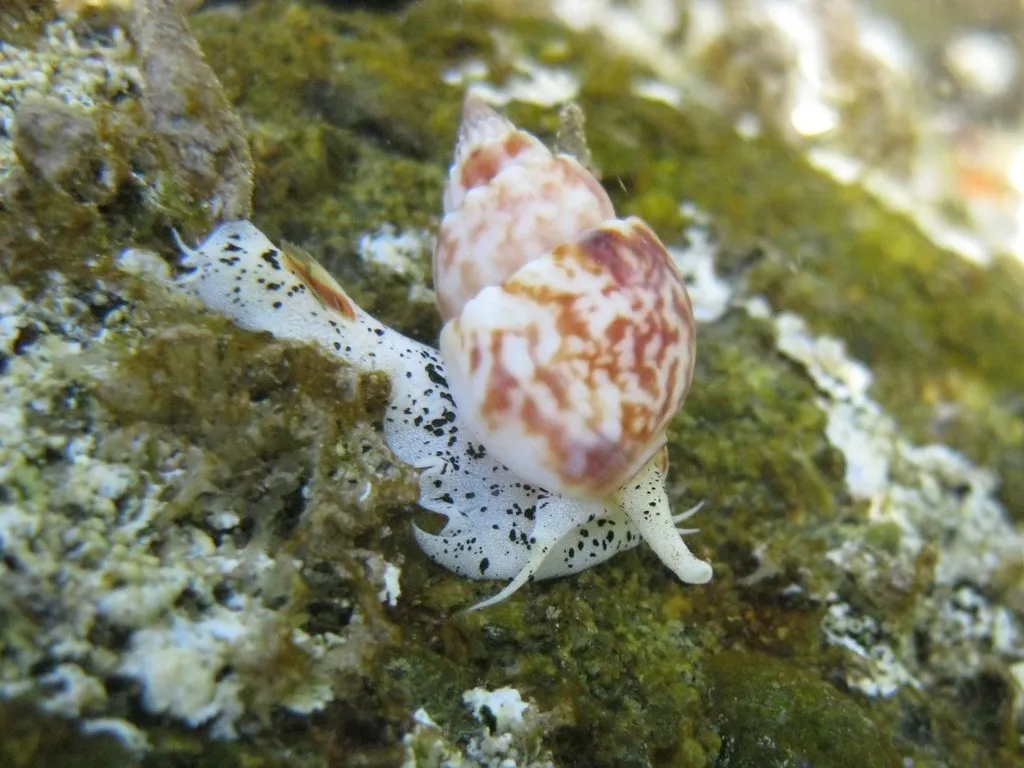 1 in (2.5 cm)11 gal (40 L)72–79°F (22–26°C)
Nassarius snail
Nassarius sp.
1 in (2.5 cm) · 11 gal (40 L)
 1.2 in (3 cm)20 gal (75 L)75–81°F (24–27°C)
Ring cowrie
Monetaria annulus
1.2 in (3 cm) · 20 gal (75 L)