Swallowtail angelfish
Genicanthus melanospilos
Also known as Blackspot Angelfish, Spotbreast Angelfish, Japanese Swallowtail Angelfish
SaltwaterFish
Care at a glance
- Temperature
- 72–79°F
- 22–26°C
- pH
- 8.1–8.4
- Adult size
- 7.1 in
- 18 cm
- Minimum tank
- 106 gal
- 400 L
- Temperament
- Mostly peaceful
- Social behavior
- Social
- Swim level
- Middle
- Difficulty
- Medium
- Breeding
- Hard
- Rarity
- Rare
- Reef safe
- Reef safe
- Family
- Pomacanthidae
- Origin
- Western Pacific, from Indonesia to Fiji, north to the Ryukyu Islands, south to Rowley Shoals and New Caledonia
Overview
Swallowtail angelfish are mostly peaceful and, as planktivores, leave corals and clams alone, which makes them reef safe, though they can chase small, docile planktivores, so choose tankmates with that in mind. Keep one male per tank, with multiple females fine in a larger system. Feed small meals of mysis, finely chopped seafood, and spirulina-based foods several times a day.
In the wild
Swallowtail angelfish live on steep western Pacific reef slopes, drop-offs, caves, and boulder bases from about 20 to 45 meters, in areas where coral growth is mixed with open sand. Unlike most Genicanthus, this species splits its time between picking plankton in midwater and foraging down near the bottom. A tank should combine open swimming space with varied rockwork and a bit of sandy bottom to match that dual habit.
Good to know
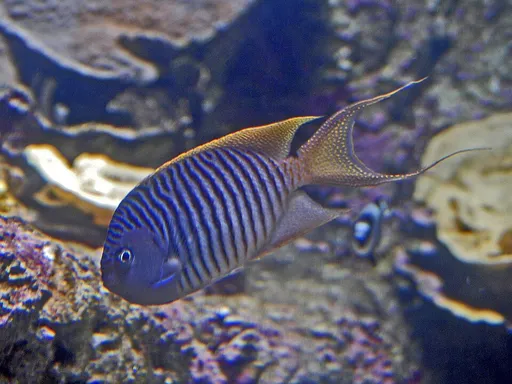
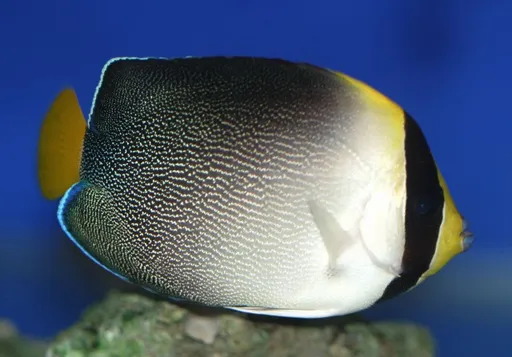
Genicanthus melanospilos reaches about 18 cm. Males show dark markings across the breast, the pattern behind both the blackspot and spotbreast common names, along with a deeply forked, lyre-shaped tail, while females are paler with different markings and lack the breast patch. It is also sometimes called the Japanese swallowtail angelfish, reflecting part of its range around the Ryukyu Islands.
Did you know
A Palau-based aquaculture operation now produces this species in large captive-bred batches, a real turnaround from years when only a handful of wild-caught individuals would show up in a shipment at a time.
Weekly picks
Tank mates
Swallowtail angelfish is a mostly peaceful, social species that keeps to the middle. These picks share a community profile with it, are safe together in both directions, and overlap on water type, temperature and pH.
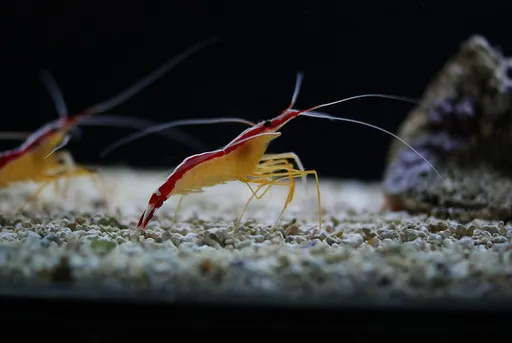
Skunk cleaner shrimp
Lysmata amboinensis
Saltwater2.4 in (6 cm) · 20 gal (75 L)73–81°F (23–27°C)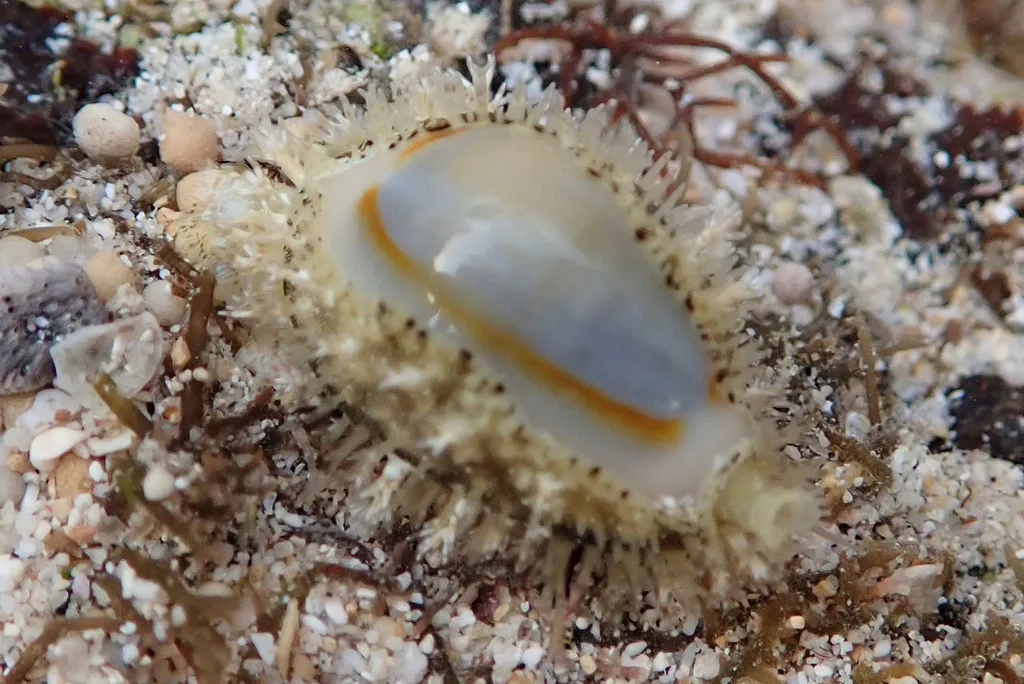
Ring cowrie
Monetaria annulus
Saltwater1.2 in (3 cm) · 20 gal (75 L)75–81°F (24–27°C)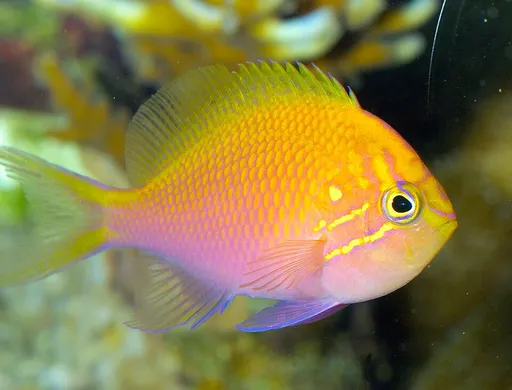
Sunburst anthias
Serranocirrhitus latus
Saltwater5.1 in (13 cm) · 70 gal (265 L)72–81°F (22–27°C)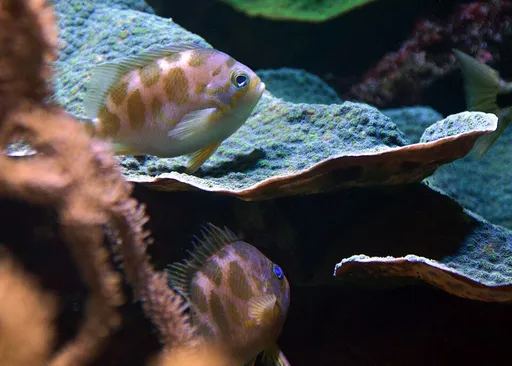
Blotched anthias
Odontanthias borbonius
Saltwater5.9 in (15 cm) · 100 gal (380 L)72–79°F (22–26°C)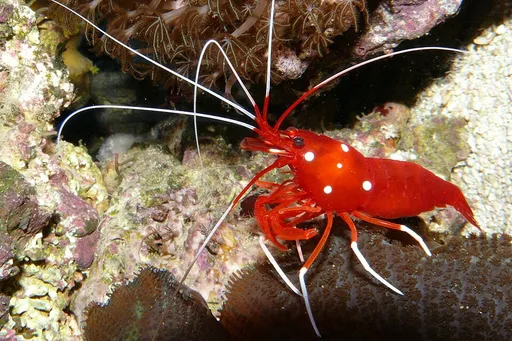
Fire shrimp
Lysmata debelius
Saltwater2.4 in (6 cm) · 20 gal (75 L)72–79°F (22–26°C)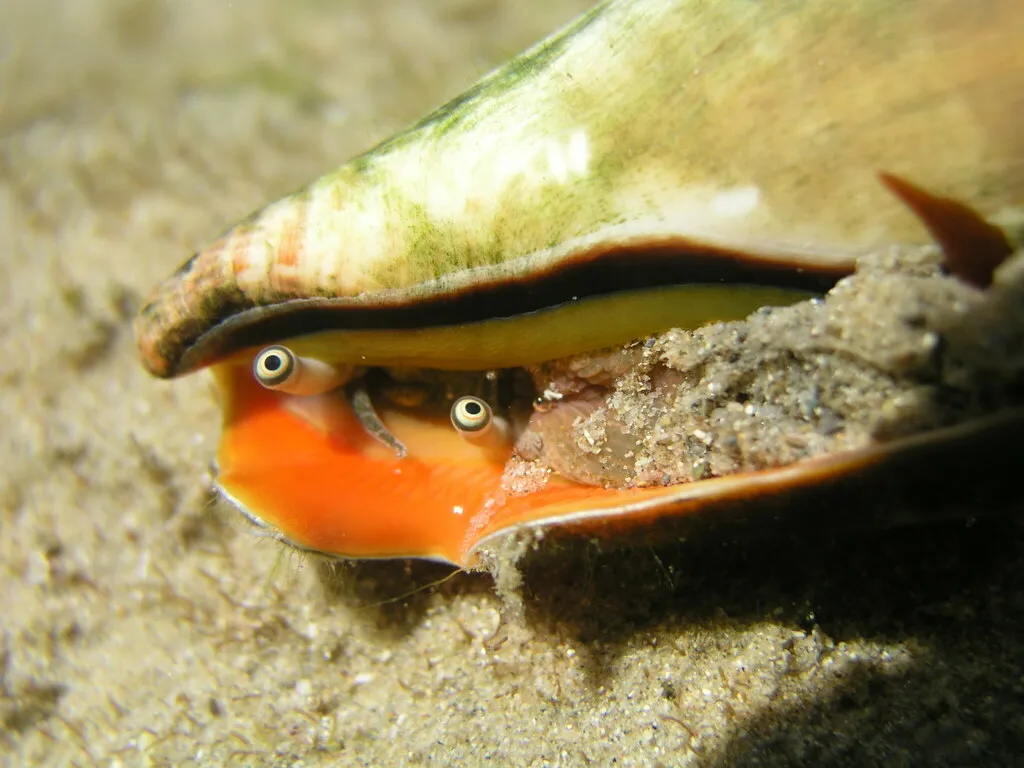
Tiger / strawberry conch
Conomurex luhuanus
Saltwater2.8 in (7 cm) · 20 gal (75 L)75–81°F (24–27°C)
Common questions
What size tank does a Swallowtail angelfish need?
A Swallowtail angelfish needs at least 106 gal (400 L). It spends most of its time in the middle.
What temperature and pH does a Swallowtail angelfish need?
A Swallowtail angelfish is comfortable at 72–79°F (22–26°C) with a pH of 8.1–8.4.
How big does a Swallowtail angelfish get?
An adult Swallowtail angelfish reaches about 7.1 in (18 cm).
Related species
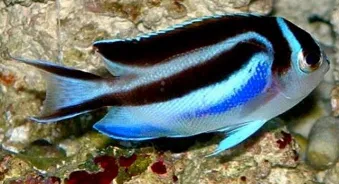 7.1 in (18 cm)85 gal (320 L)72–79°F (22–26°C)
Bellus angelfish
Genicanthus bellus
7.1 in (18 cm) · 85 gal (320 L)
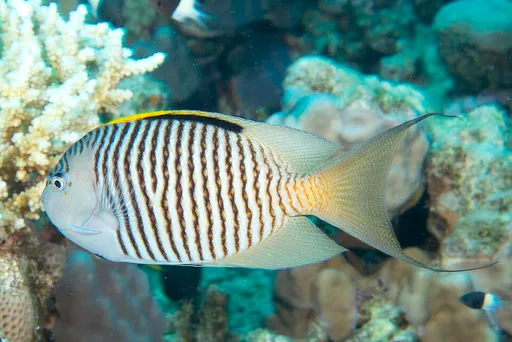 7.9 in (20 cm)90 gal (340 L)75–82°F (24–28°C)
Zebra angelfish
Genicanthus caudovittatus
7.9 in (20 cm) · 90 gal (340 L)
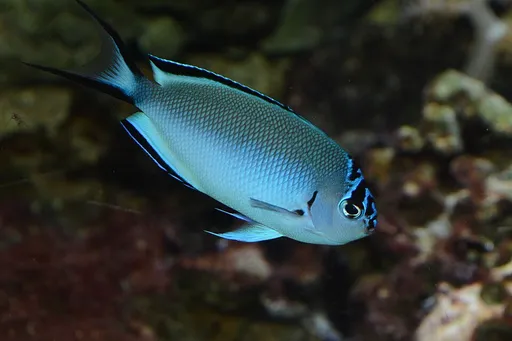 5.9 in (15 cm)79 gal (300 L)72–79°F (22–26°C)
Watanabei angelfish
Genicanthus watanabei
5.9 in (15 cm) · 79 gal (300 L)
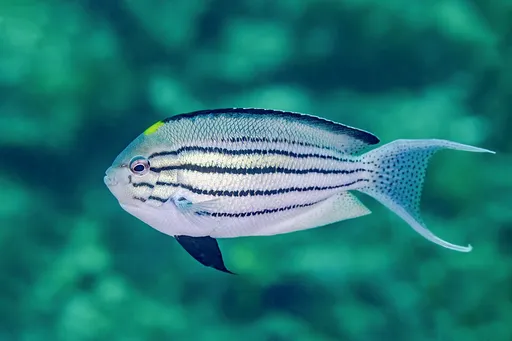 9.8 in (25 cm)124 gal (470 L)72–79°F (22–26°C)
Lamarck's angelfish
Genicanthus lamarck
9.8 in (25 cm) · 124 gal (470 L)
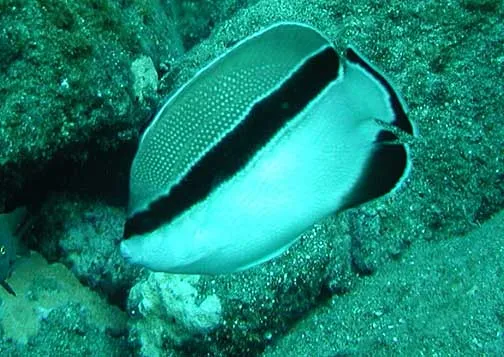 7.1 in (18 cm)90 gal (340 L)73–79°F (23–26°C)
Bandit angelfish
Apolemichthys arcuatus
7.1 in (18 cm) · 90 gal (340 L)
 7.1 in (18 cm)66 gal (250 L)75–81°F (24–27°C)
Vermiculated angelfish
Chaetodontoplus mesoleucus
7.1 in (18 cm) · 66 gal (250 L)