Bellus angelfish
Genicanthus bellus
Also known as Ornate Angelfish
SaltwaterFish
Care at a glance
- Temperature
- 72–79°F
- 22–26°C
- pH
- 8.1–8.4
- Adult size
- 7.1 in
- 18 cm
- Minimum tank
- 85 gal
- 320 L
- Temperament
- Peaceful
- Social behavior
- Social
- Swim level
- Middle
- Difficulty
- Medium
- Breeding
- Hard
- Rarity
- Rare
- Reef safe
- Reef safe
- Family
- Pomacanthidae
- Origin
- Eastern Indian Ocean and Pacific, from the Cocos-Keeling Islands to the Philippines, Palau, and the Society Islands
Overview
Bellus angelfish are peaceful planktivores that ignore corals and clams, making them a solid reef-safe choice, though a hungry fish will occasionally pick at fleshy LPS or clam mantles, so keep it well fed. Males spar with each other, so house a single fish, a pair, or one male with a small group of females rather than two males together. Offer small meals of mysis, enriched brine shrimp, and marine algae several times a day, especially while it settles in.
In the wild
Bellus angelfish live deep on Indo-Pacific outer reef slopes and drop-offs, mostly between 50 and 100 meters and occasionally shallower, well below where most reef fish in the hobby are collected. Small groups school along the current-swept edge of the reef, feeding on plankton in open water. A tank should offer plenty of open swimming space over live rock, dim lighting at first while the fish settles in, and a tight-fitting lid, since this species is a known jumper.
Good to know
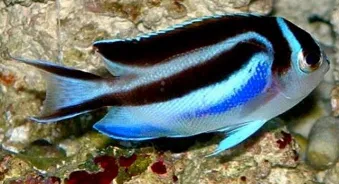
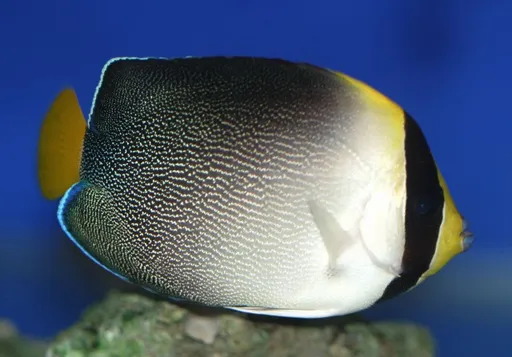
Genicanthus bellus reaches about 18 cm. Males are silvery grey with a yellow horizontal stripe, while females are white with an iridescent blue sheen and black striping running from the gills to the tail, different enough that the sexes are easy to tell apart on sight. It lives in harems in the wild and can change sex from female to male, and because it is collected from such deep water it tends to ship more delicately than shallow-reef angelfish.
Did you know
Because it lives so deep on the reef, this species was one of the last Genicanthus angels to become regularly available in the hobby, and it was not successfully captive-bred until 2017.
Weekly picks
Tank mates
Bellus angelfish is a peaceful, social species that keeps to the middle. These picks share a community profile with it, are safe together in both directions, and overlap on water type, temperature and pH.
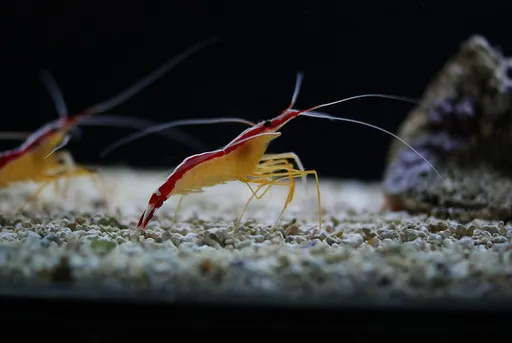
Skunk cleaner shrimp
Lysmata amboinensis
Saltwater2.4 in (6 cm) · 20 gal (75 L)73–81°F (23–27°C)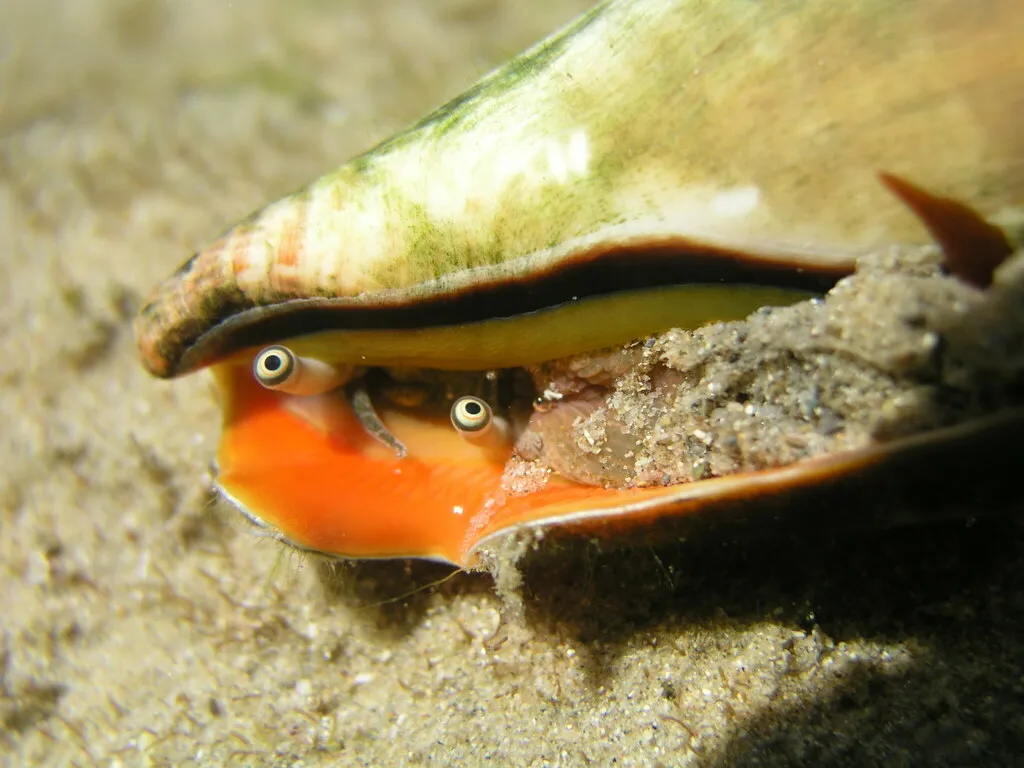
Tiger / strawberry conch
Conomurex luhuanus
Saltwater2.8 in (7 cm) · 20 gal (75 L)75–81°F (24–27°C)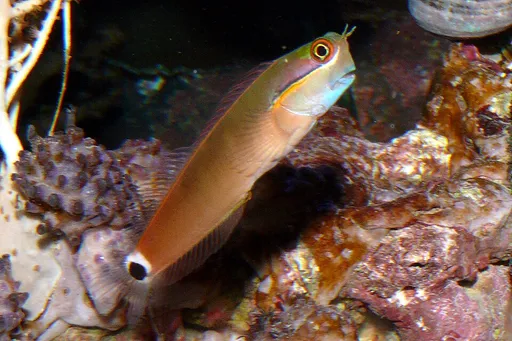
Tailspot blenny
Ecsenius stigmatura
Saltwater2.4 in (6 cm) · 20 gal (75 L)72–79°F (22–26°C)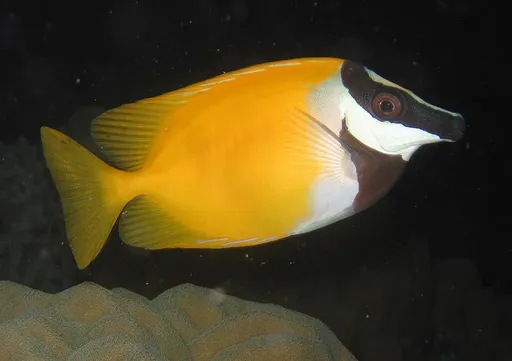
Foxface rabbitfish
Siganus vulpinus
Saltwater9.4 in (24 cm) · 75 gal (285 L)72–79°F (22–26°C)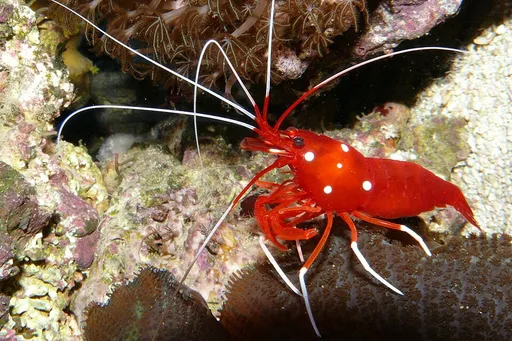
Fire shrimp
Lysmata debelius
Saltwater2.4 in (6 cm) · 20 gal (75 L)72–79°F (22–26°C)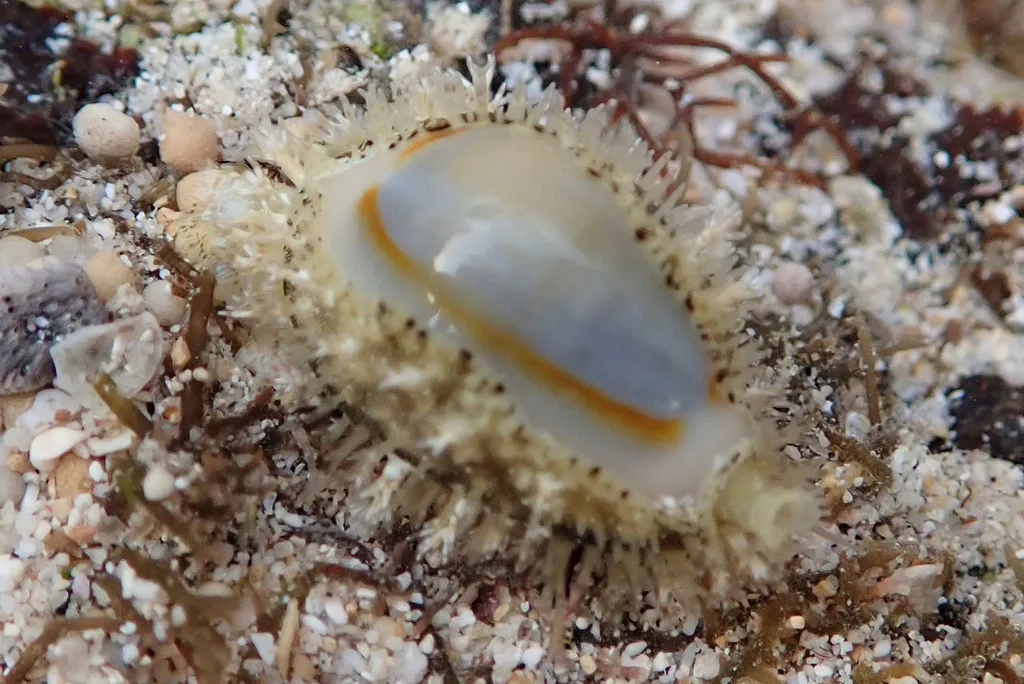
Ring cowrie
Monetaria annulus
Saltwater1.2 in (3 cm) · 20 gal (75 L)75–81°F (24–27°C)
Common questions
What size tank does a Bellus angelfish need?
A Bellus angelfish needs at least 85 gal (320 L). It spends most of its time in the middle.
What temperature and pH does a Bellus angelfish need?
A Bellus angelfish is comfortable at 72–79°F (22–26°C) with a pH of 8.1–8.4.
How big does a Bellus angelfish get?
An adult Bellus angelfish reaches about 7.1 in (18 cm).
Related species
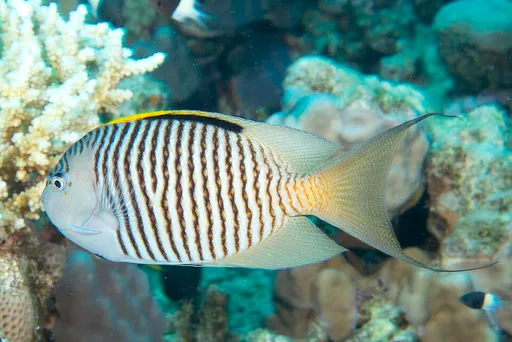 7.9 in (20 cm)90 gal (340 L)75–82°F (24–28°C)
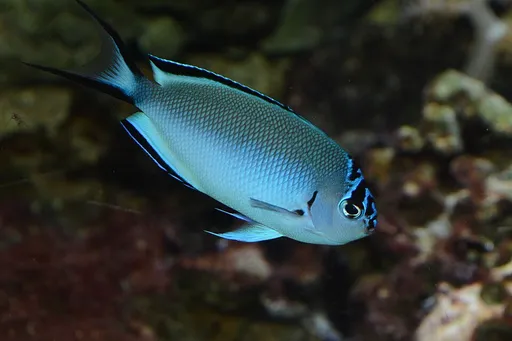
Zebra angelfish
Genicanthus caudovittatus
7.9 in (20 cm) · 90 gal (340 L)
 5.9 in (15 cm)79 gal (300 L)72–79°F (22–26°C)
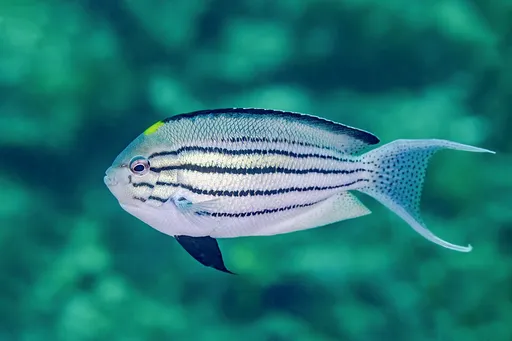
Watanabei angelfish
Genicanthus watanabei
5.9 in (15 cm) · 79 gal (300 L)
 9.8 in (25 cm)124 gal (470 L)72–79°F (22–26°C)
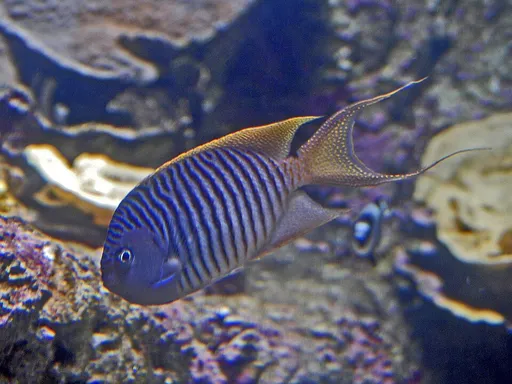
Lamarck's angelfish
Genicanthus lamarck
9.8 in (25 cm) · 124 gal (470 L)
 7.1 in (18 cm)106 gal (400 L)72–79°F (22–26°C)
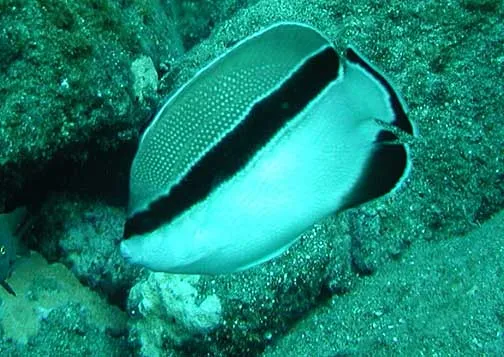
Swallowtail angelfish
Genicanthus melanospilos
7.1 in (18 cm) · 106 gal (400 L)
 7.1 in (18 cm)90 gal (340 L)73–79°F (23–26°C)
Bandit angelfish
Apolemichthys arcuatus
7.1 in (18 cm) · 90 gal (340 L)
 7.1 in (18 cm)66 gal (250 L)75–81°F (24–27°C)
Vermiculated angelfish
Chaetodontoplus mesoleucus
7.1 in (18 cm) · 66 gal (250 L)