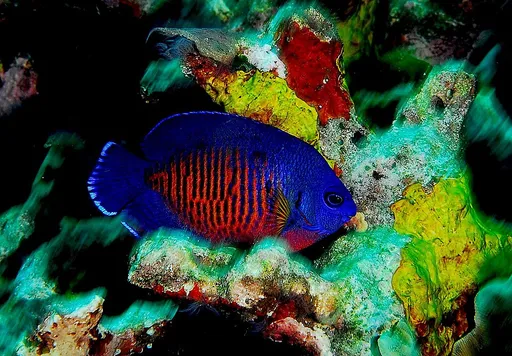
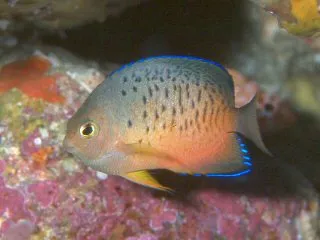
Coral beauty angelfish
Centropyge bispinosa
Also known as Twospined Angelfish, Dusky Angelfish
SaltwaterFish
Care at a glance
- Temperature
- 72–79°F
- 22–26°C
- pH
- 8.1–8.4
- Adult size
- 3.9 in
- 10 cm
- Minimum tank
- 50 gal
- 190 L
- Temperament
- Mostly peaceful
- Social behavior
- Solitary
- Own kind
- One male per tank
- Swim level
- Middle
- Difficulty
- Easy
- Breeding
- Hard
- Rarity
- Very common
- Reef safe
- Reef safe with caution
- Family
- Pomacanthidae
- Origin
- Indo-Pacific, from East Africa and the Red Sea across to the central Pacific
Overview
A grazer that spends its day working the rockwork for algae and small organisms, so it needs an established tank with good algae growth and several small meaty and algae-based feedings a day. It is usually peaceful but will defend its patch, and it tends to fight other dwarf angels unless the tank is large. Best kept as the only Centropyge in the system. Reef keepers rate it caution: many individuals leave corals alone, but some nip LPS polyps, zoanthids, soft corals, or clam mantles, and there is no way to guarantee which you get.
In the wild
Lives on rocky and coral-rich reef slopes, usually between about 5 and 45 meters deep. It sticks close to cover, darting between crevices and rubble where it grazes algae and picks at the film that grows over rock. In the tank it wants the same thing: plenty of live rock with caves and overhangs to duck into and mature surfaces to graze.
Good to know
Centropyge bispinosa is a dwarf angel in the family Pomacanthidae. Like others in the genus it is a protogynous hermaphrodite, meaning fish mature first as females and the dominant individual can change into a male. It reaches roughly 10 cm and is one of the hardier dwarf angels, which is a big part of why it is so widely kept.
Did you know
It is one of the most color-variable dwarf angels, ranging from deep purple-blue with an orange midsection to almost fully orange depending on where it was collected.
Weekly picks
Tank mates
Coral beauty angelfish is a mostly peaceful, solitary species that keeps to the middle. Keep only one male per tank. These picks share a community profile with it, are safe together in both directions, and overlap on water type, temperature and pH.
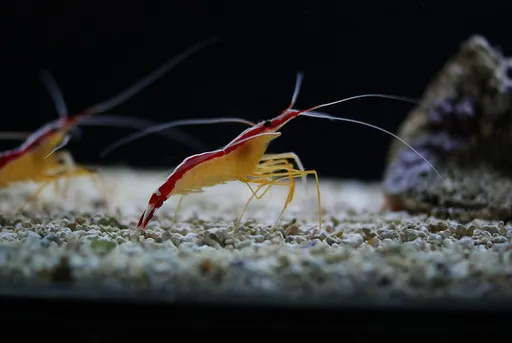
Skunk cleaner shrimp
Lysmata amboinensis
Saltwater2.4 in (6 cm) · 20 gal (75 L)73–81°F (23–27°C)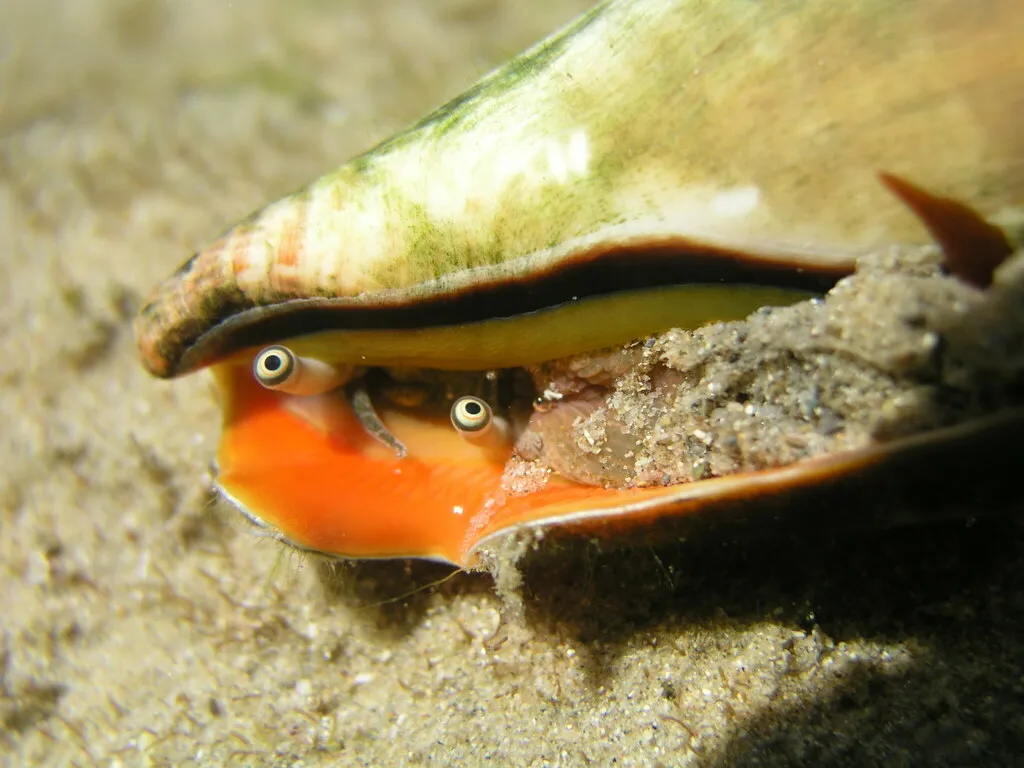
Tiger / strawberry conch
Conomurex luhuanus
Saltwater2.8 in (7 cm) · 20 gal (75 L)75–81°F (24–27°C)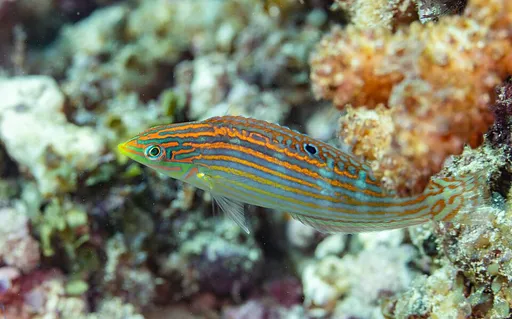
Adorned wrasse
Halichoeres cosmetus
Saltwater5.1 in (13 cm) · 50 gal (190 L)73–81°F (23–27°C)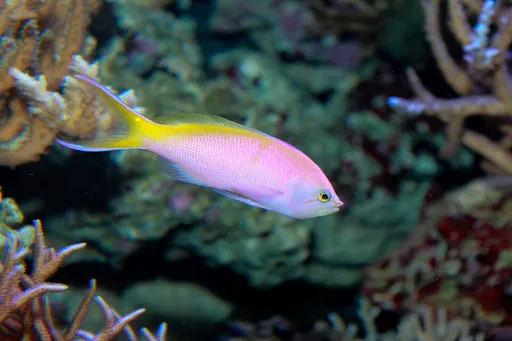
Bartlett's anthias
Pseudanthias bartlettorum
Saltwater3.5 in (9 cm) · 70 gal (265 L)72–79°F (22–26°C)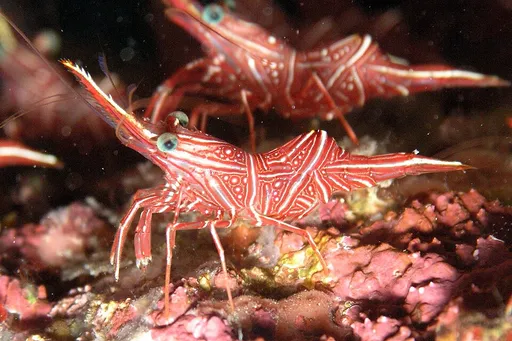
Camel / dancing shrimp
Rhynchocinetes durbanensis
Saltwater2 in (5 cm) · 16 gal (60 L)75–81°F (24–27°C)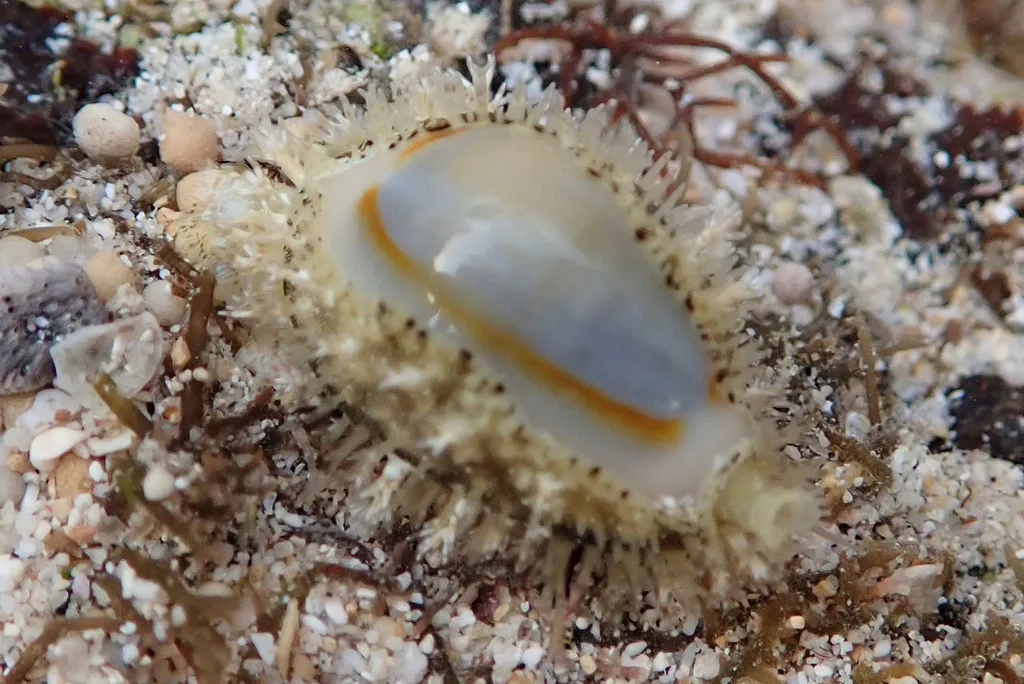
Ring cowrie
Monetaria annulus
Saltwater1.2 in (3 cm) · 20 gal (75 L)75–81°F (24–27°C)
Common questions
What size tank does a Coral beauty angelfish need?
A Coral beauty angelfish needs at least 50 gal (190 L). It spends most of its time in the middle.
What temperature and pH does a Coral beauty angelfish need?
A Coral beauty angelfish is comfortable at 72–79°F (22–26°C) with a pH of 8.1–8.4.
How big does a Coral beauty angelfish get?
An adult Coral beauty angelfish reaches about 3.9 in (10 cm).
Related species
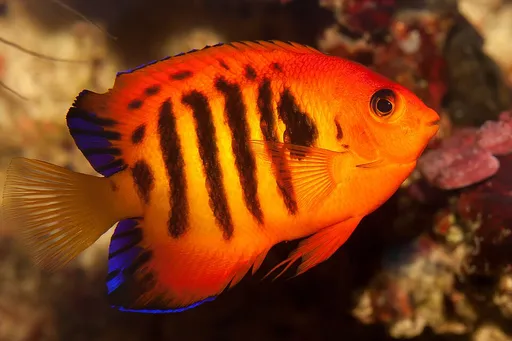 3.9 in (10 cm)50 gal (190 L)72–79°F (22–26°C)
Flame angelfish
Centropyge loriculus
3.9 in (10 cm) · 50 gal (190 L)
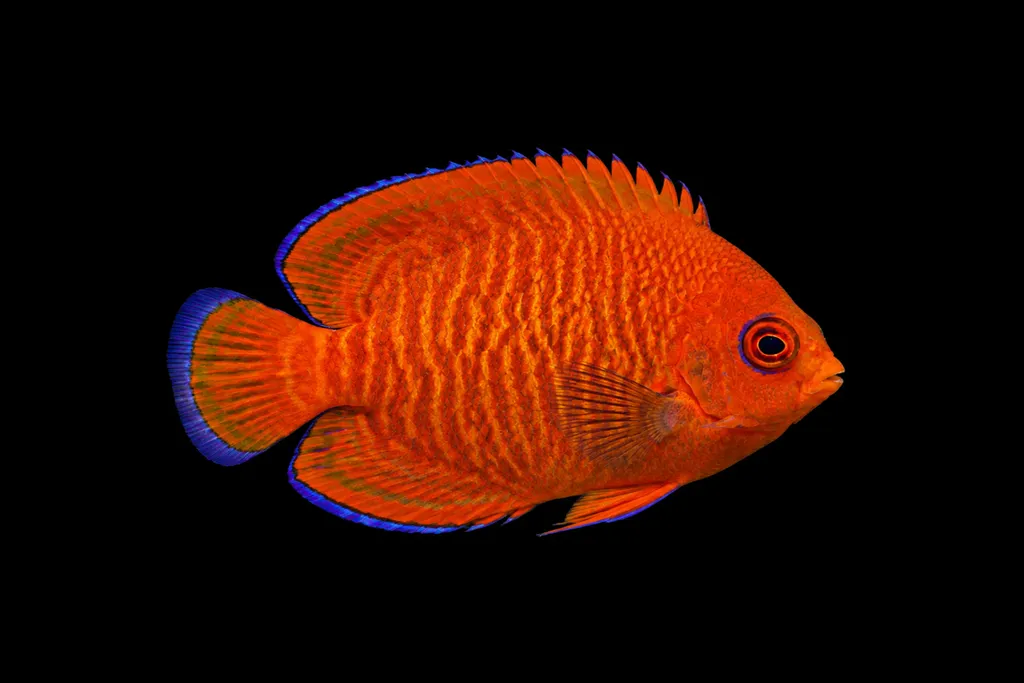 3.9 in (10 cm)55 gal (210 L)72–79°F (22–26°C)
Golden angelfish
Centropyge aurantia
3.9 in (10 cm) · 55 gal (210 L)
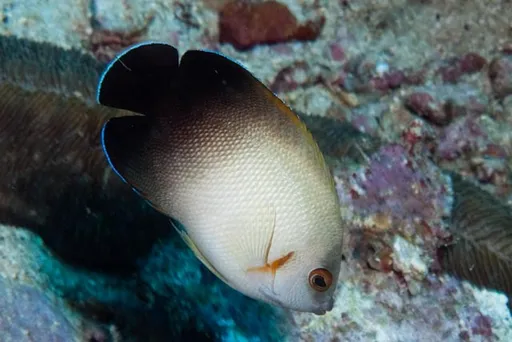 3.9 in (10 cm)55 gal (210 L)72–79°F (22–26°C)
Half-black angelfish
Centropyge vroliki
3.9 in (10 cm) · 55 gal (210 L)
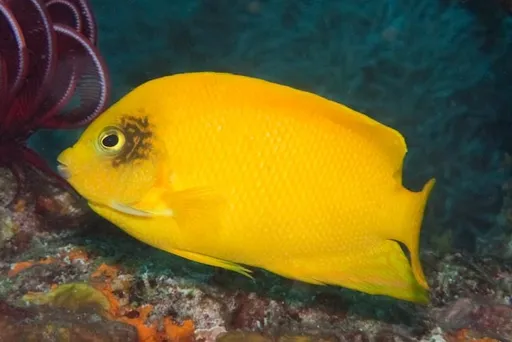 3.9 in (10 cm)55 gal (210 L)72–79°F (22–26°C)
Herald's angelfish
Centropyge heraldi
3.9 in (10 cm) · 55 gal (210 L)
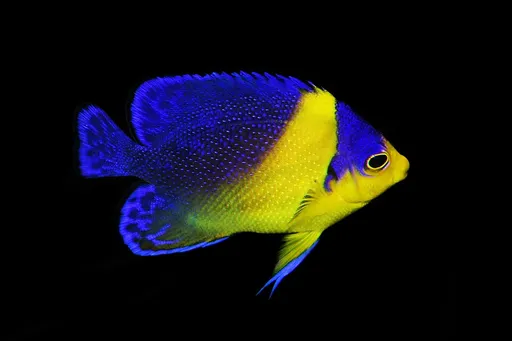 3.9 in (10 cm)55 gal (210 L)72–79°F (22–26°C)
Purple masked angelfish
Centropyge venusta
3.9 in (10 cm) · 55 gal (210 L)
 3.9 in (10 cm)30 gal (115 L)72–79°F (22–26°C)
Rusty angelfish
Centropyge ferrugata
3.9 in (10 cm) · 30 gal (115 L)