Rusty angelfish
Centropyge ferrugata
Also known as Rusty Pygmy Angelfish, Rusty Dwarf Angelfish
SaltwaterFish
Care at a glance
- Temperature
- 72–79°F
- 22–26°C
- pH
- 8.1–8.4
- Adult size
- 3.9 in
- 10 cm
- Minimum tank
- 30 gal
- 115 L
- Temperament
- Mostly peaceful
- Social behavior
- Solitary
- Own kind
- One male per tank
- Swim level
- Middle
- Difficulty
- Medium
- Breeding
- Hard
- Rarity
- Rare
- Reef safe
- Reef safe with caution
- Family
- Pomacanthidae
- Origin
- Western Pacific, including Japan, Taiwan, the Philippines, Indonesia, and Australia
Overview
A dedicated algae grazer, so it needs a well-established tank with strong algae growth plus regular feedings of algae-based foods and small meaty items like mysis. It is one of the calmer dwarf angels day to day but, like its relatives, will not share space with another Centropyge in anything but a large tank. Reef keepers rate it caution: it is more likely than most to leave corals alone, but it can still nip LPS polyps or clam mantles if underfed.
In the wild
Found on Western Pacific reef slopes and rubble zones with good algae growth, staying close to cover and darting into crevices when threatened. It spends most of the day picking algae and detritus off rock. A tank should offer the same setup on a smaller scale: mature live rock riddled with caves plus room to establish a grazing territory.
Good to know
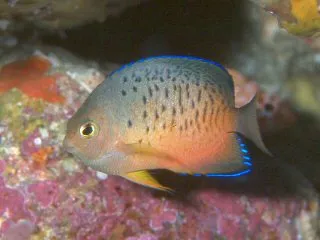
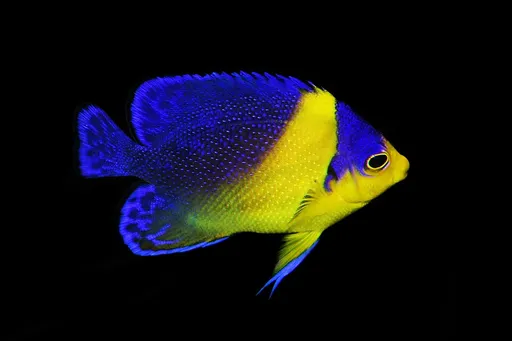
Centropyge ferrugata is a small dwarf angel, topping out around 10 cm, and a protogynous hermaphrodite that lives in harems with a single dominant male. It is easily confused with the much more common coral beauty angelfish, but the rusty angel wears an amber-orange body scattered with irregular black speckles rather than the coral beauty's bold purple-blue bars.
Did you know
Its rust-orange body flecked with black dots and finished with a neon-blue fin edge is often mistaken at a glance for a coral beauty angelfish wearing a duller coat.
Weekly picks
Tank mates
Rusty angelfish is a mostly peaceful, solitary species that keeps to the middle. Keep only one male per tank. These picks share a community profile with it, are safe together in both directions, and overlap on water type, temperature and pH.
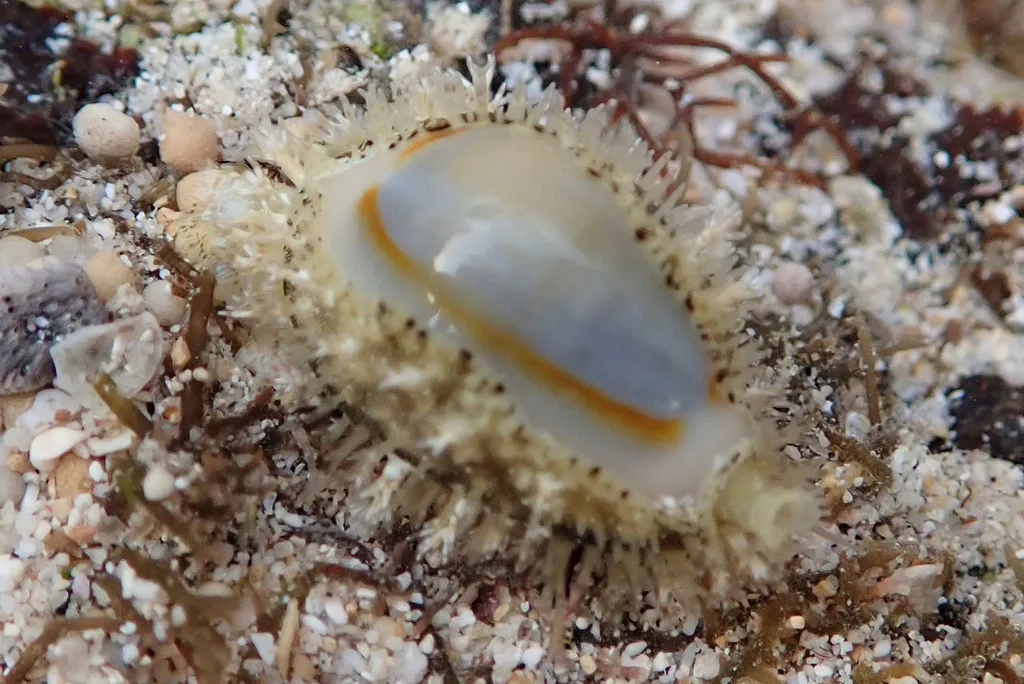
Ring cowrie
Monetaria annulus
Saltwater1.2 in (3 cm) · 20 gal (75 L)75–81°F (24–27°C)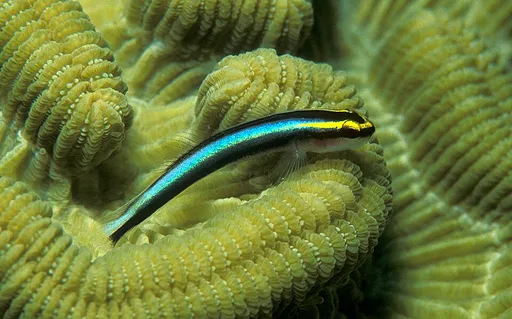
Sharknose goby
Elacatinus evelynae
Saltwater1.6 in (4 cm) · 13 gal (50 L)75–79°F (24–26°C)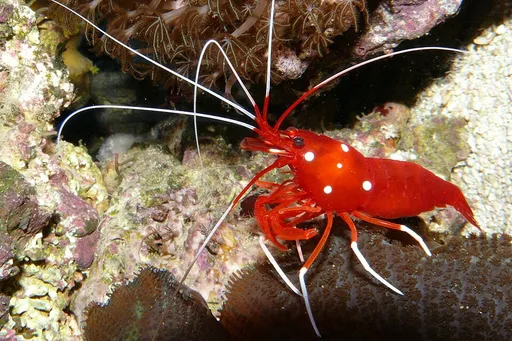
Fire shrimp
Lysmata debelius
Saltwater2.4 in (6 cm) · 20 gal (75 L)72–79°F (22–26°C)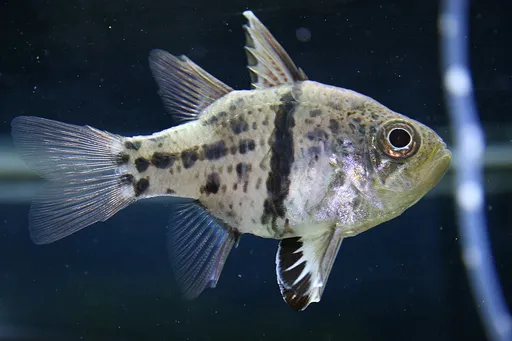
Orbiculate cardinalfish
Sphaeramia orbicularis
Saltwater3.9 in (10 cm) · 30 gal (115 L)75–82°F (24–28°C)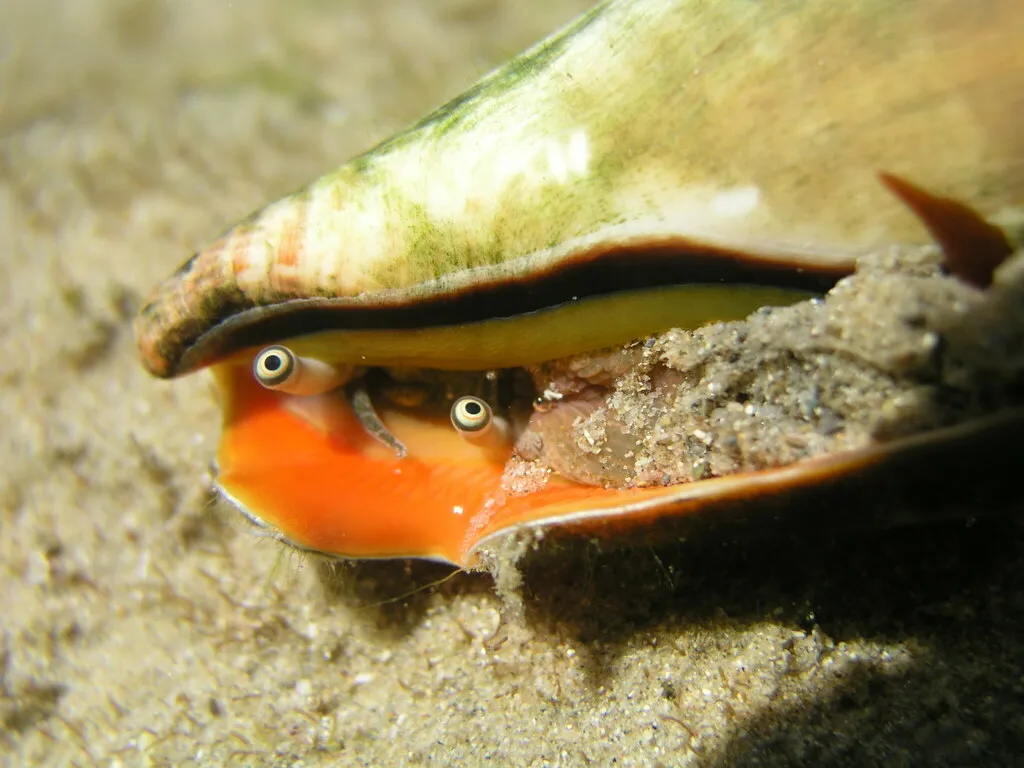
Tiger / strawberry conch
Conomurex luhuanus
Saltwater2.8 in (7 cm) · 20 gal (75 L)75–81°F (24–27°C)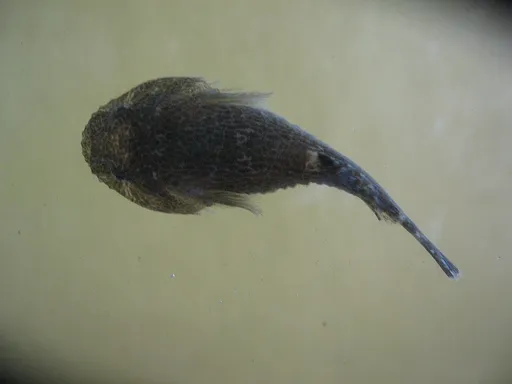
Skilletfish
Gobiesox strumosus
Saltwater3.1 in (8 cm) · 20 gal (76 L)72–79°F (22–26°C)
Common questions
What size tank does a Rusty angelfish need?
A Rusty angelfish needs at least 30 gal (115 L). It spends most of its time in the middle.
What temperature and pH does a Rusty angelfish need?
A Rusty angelfish is comfortable at 72–79°F (22–26°C) with a pH of 8.1–8.4.
How big does a Rusty angelfish get?
An adult Rusty angelfish reaches about 3.9 in (10 cm).
Related species
 3.9 in (10 cm)50 gal (190 L)72–79°F (22–26°C)
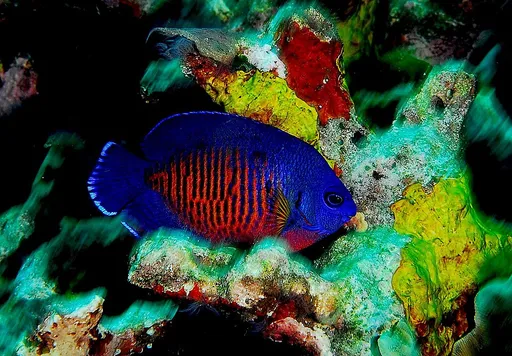
Coral beauty angelfish
Centropyge bispinosa
3.9 in (10 cm) · 50 gal (190 L)
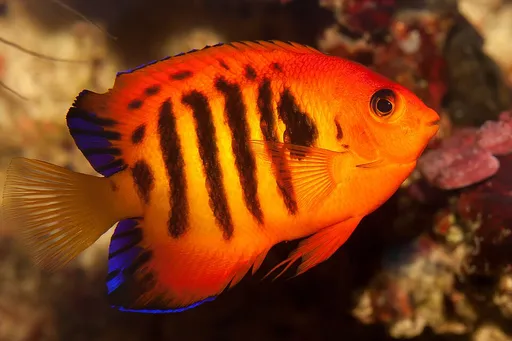 3.9 in (10 cm)50 gal (190 L)72–79°F (22–26°C)
Flame angelfish
Centropyge loriculus
3.9 in (10 cm) · 50 gal (190 L)
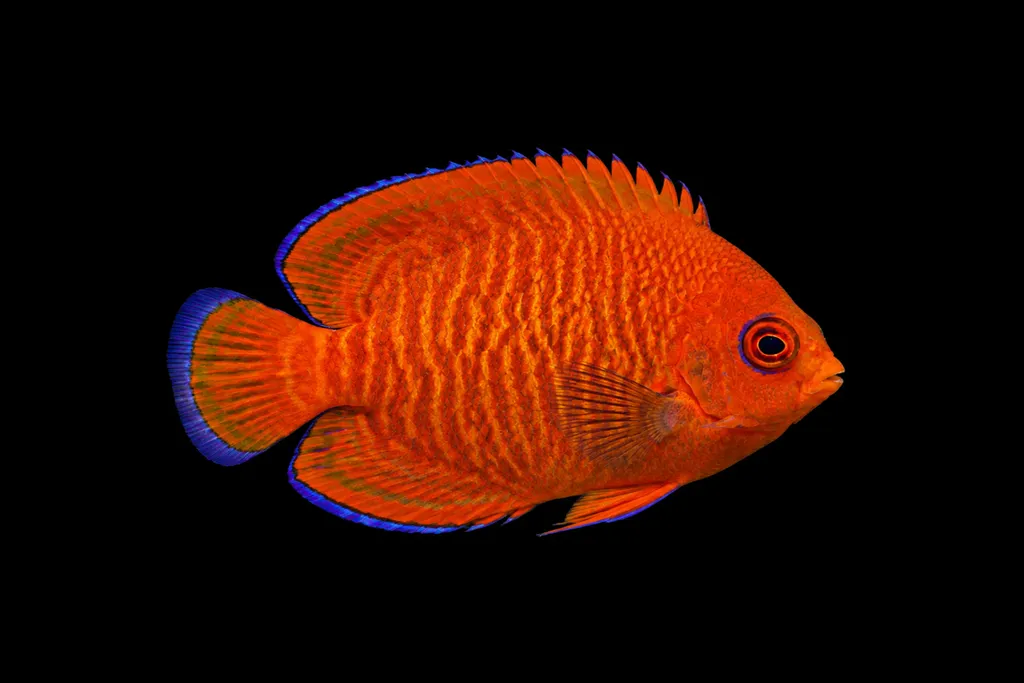 3.9 in (10 cm)55 gal (210 L)72–79°F (22–26°C)
Golden angelfish
Centropyge aurantia
3.9 in (10 cm) · 55 gal (210 L)
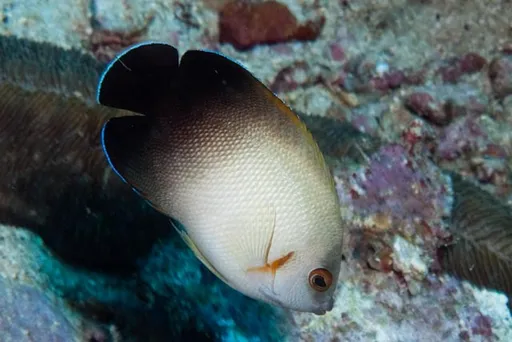 3.9 in (10 cm)55 gal (210 L)72–79°F (22–26°C)
Half-black angelfish
Centropyge vroliki
3.9 in (10 cm) · 55 gal (210 L)
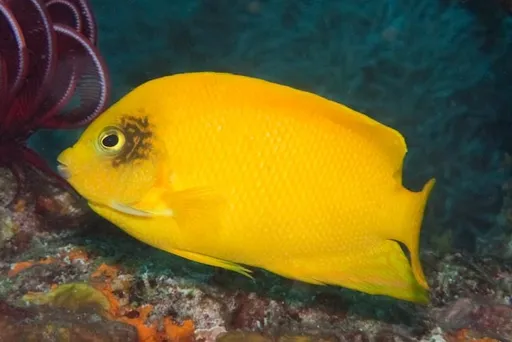 3.9 in (10 cm)55 gal (210 L)72–79°F (22–26°C)
Herald's angelfish
Centropyge heraldi
3.9 in (10 cm) · 55 gal (210 L)
 3.9 in (10 cm)55 gal (210 L)72–79°F (22–26°C)
Purple masked angelfish
Centropyge venusta
3.9 in (10 cm) · 55 gal (210 L)