Herald's angelfish
Centropyge heraldi
Also known as Yellow Angelfish, False Lemonpeel Angelfish, Golden Angelfish
SaltwaterFish
Care at a glance
- Temperature
- 72–79°F
- 22–26°C
- pH
- 8.1–8.4
- Adult size
- 3.9 in
- 10 cm
- Minimum tank
- 55 gal
- 210 L
- Temperament
- Mostly peaceful
- Social behavior
- Solitary
- Own kind
- One male per tank
- Swim level
- Middle
- Difficulty
- Medium
- Breeding
- Hard
- Rarity
- Common
- Reef safe
- Reef safe with caution
- Family
- Pomacanthidae
- Origin
- Western and central Pacific, from the Philippines and Micronesia to the Marshall Islands, Fiji, and French Polynesia
Overview
A steady grazer once established, needing constant algae growth in the tank plus small feedings of algae-based and meaty foods a few times a day. It can be slow to settle and is best added to a mature, well-cycled tank rather than a new one, after which it is one of the more dependable dwarf angels day to day. Reef keepers rate it caution: many leave corals alone, but it may nip large-polyp stony corals, soft coral polyps, or clam mantles.
In the wild
Ranges across a wide swath of the western and central Pacific, living on steep outer reef slopes and occasionally lagoon reefs over a broad depth range. It grazes algae off rock through the day and stays within easy reach of cover. In the tank it wants mature live rock with a strong algae film and enough structure to claim as its own.
Good to know
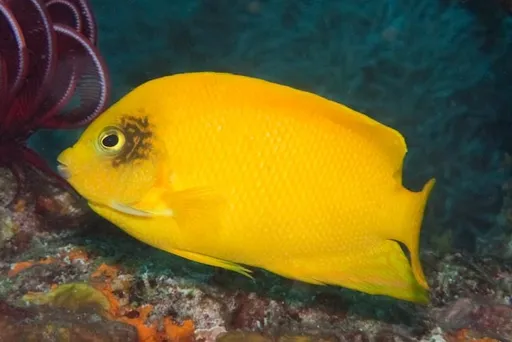
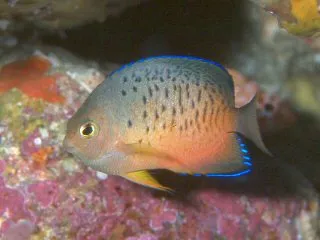
Centropyge heraldi grows to about 10 cm and is a protogynous hermaphrodite that lives in small harems, with the dominant female changing sex to male if needed. It is unusual for the genus in wearing an almost entirely plain, solid yellow body with no bars, spots, or eye markings, which is what makes it easy to confuse with a lemonpeel angelfish that has lost its blue eye-ring.
Did you know
Large-scale captive breeding has made Herald's angelfish one of the more affordable and consistently available Centropyge, in contrast to most of its wild-collected relatives.
Weekly picks
Tank mates
Herald's angelfish is a mostly peaceful, solitary species that keeps to the middle. Keep only one male per tank. These picks share a community profile with it, are safe together in both directions, and overlap on water type, temperature and pH.
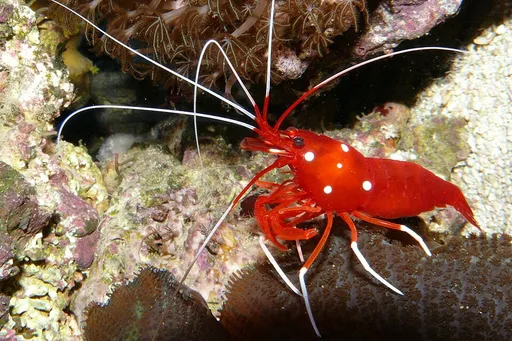
Fire shrimp
Lysmata debelius
Saltwater2.4 in (6 cm) · 20 gal (75 L)72–79°F (22–26°C)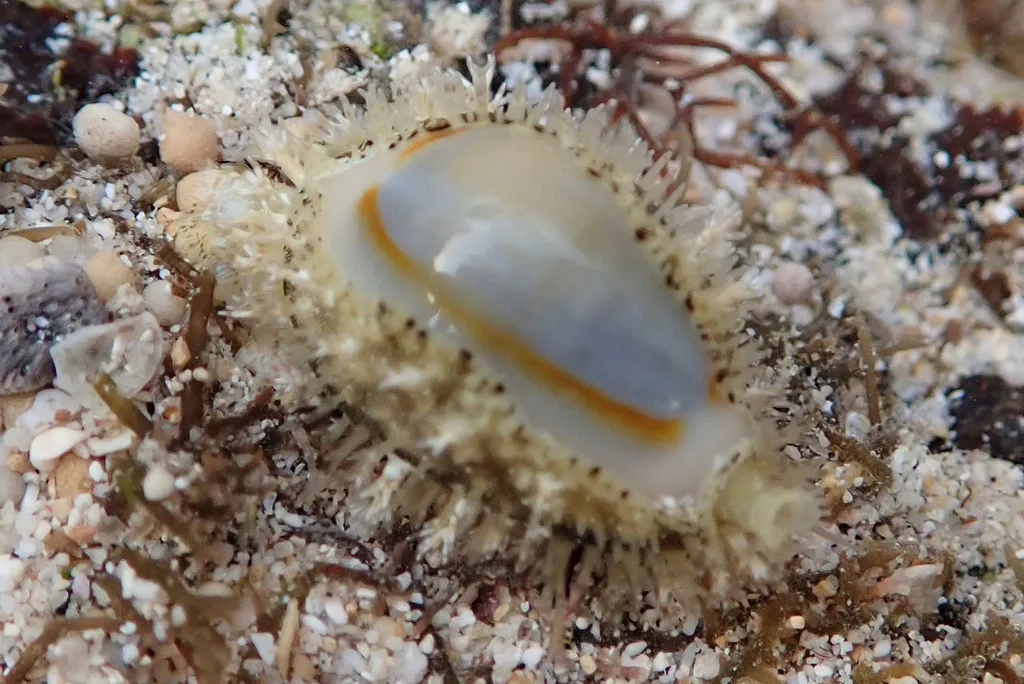
Ring cowrie
Monetaria annulus
Saltwater1.2 in (3 cm) · 20 gal (75 L)75–81°F (24–27°C)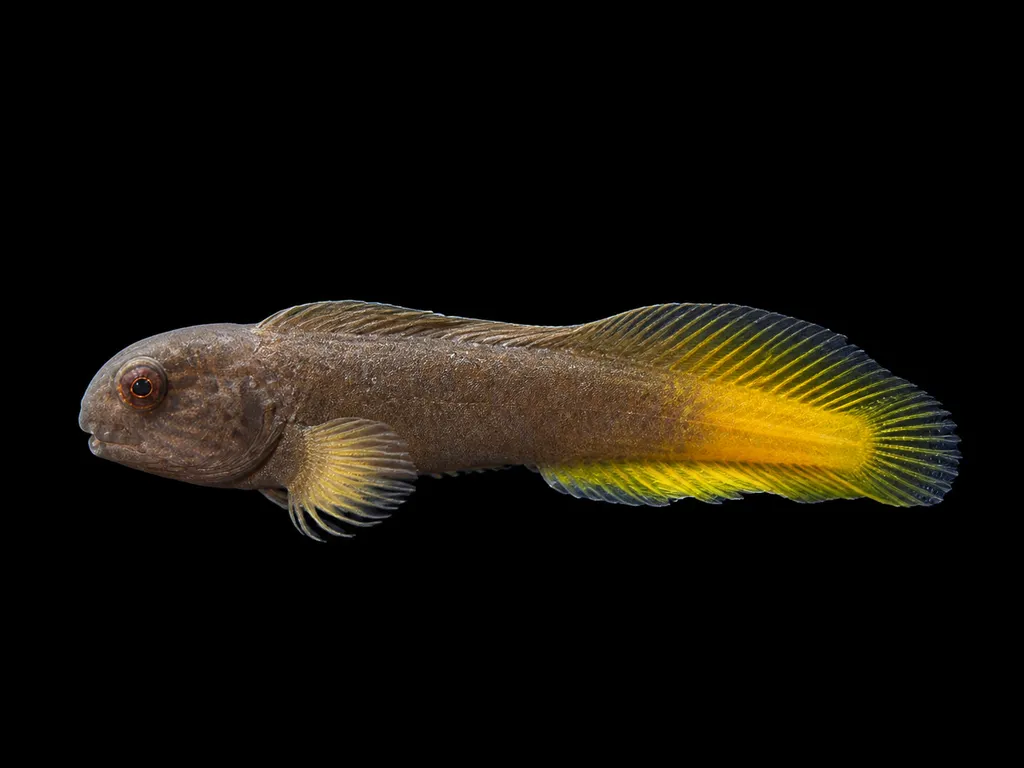
Flametail blenny
Enchelyurus flavipes
Saltwater3 in (7.5 cm) · 29 gal (110 L)72–79°F (22–26°C)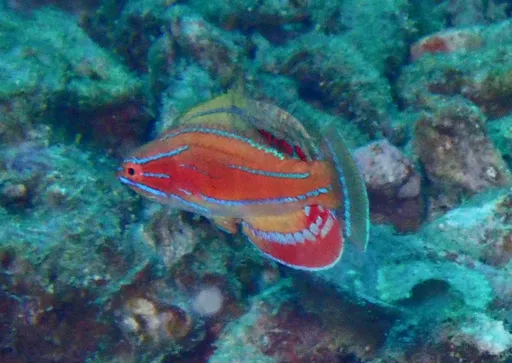
McCosker's flasher wrasse
Paracheilinus mccoskeri
Saltwater3.1 in (8 cm) · 55 gal (208 L)72–79°F (22–26°C)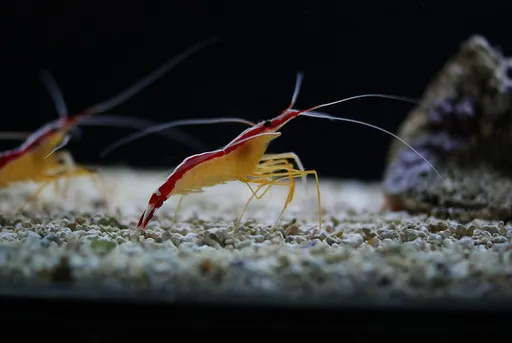
Skunk cleaner shrimp
Lysmata amboinensis
Saltwater2.4 in (6 cm) · 20 gal (75 L)73–81°F (23–27°C)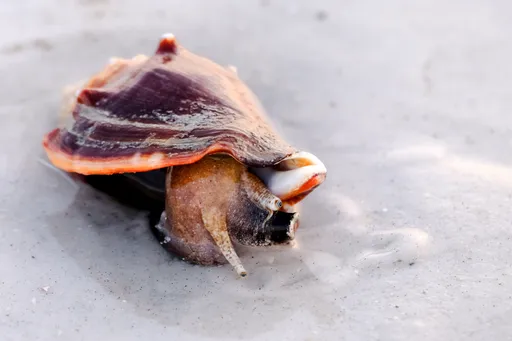
Fighting conch
Strombus alatus
Saltwater3.1 in (8 cm) · 20 gal (75 L)75–81°F (24–27°C)
Common questions
What size tank does a Herald's angelfish need?
A Herald's angelfish needs at least 55 gal (210 L). It spends most of its time in the middle.
What temperature and pH does a Herald's angelfish need?
A Herald's angelfish is comfortable at 72–79°F (22–26°C) with a pH of 8.1–8.4.
How big does a Herald's angelfish get?
An adult Herald's angelfish reaches about 3.9 in (10 cm).
Related species
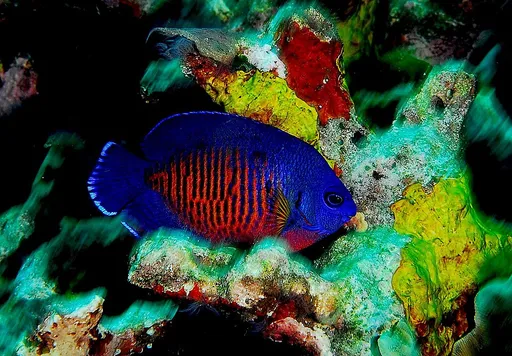 3.9 in (10 cm)50 gal (190 L)72–79°F (22–26°C)
Coral beauty angelfish
Centropyge bispinosa
3.9 in (10 cm) · 50 gal (190 L)
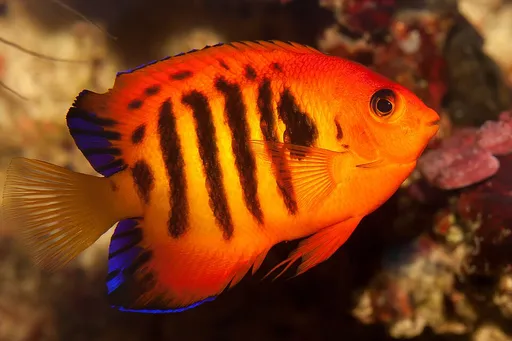 3.9 in (10 cm)50 gal (190 L)72–79°F (22–26°C)
Flame angelfish
Centropyge loriculus
3.9 in (10 cm) · 50 gal (190 L)
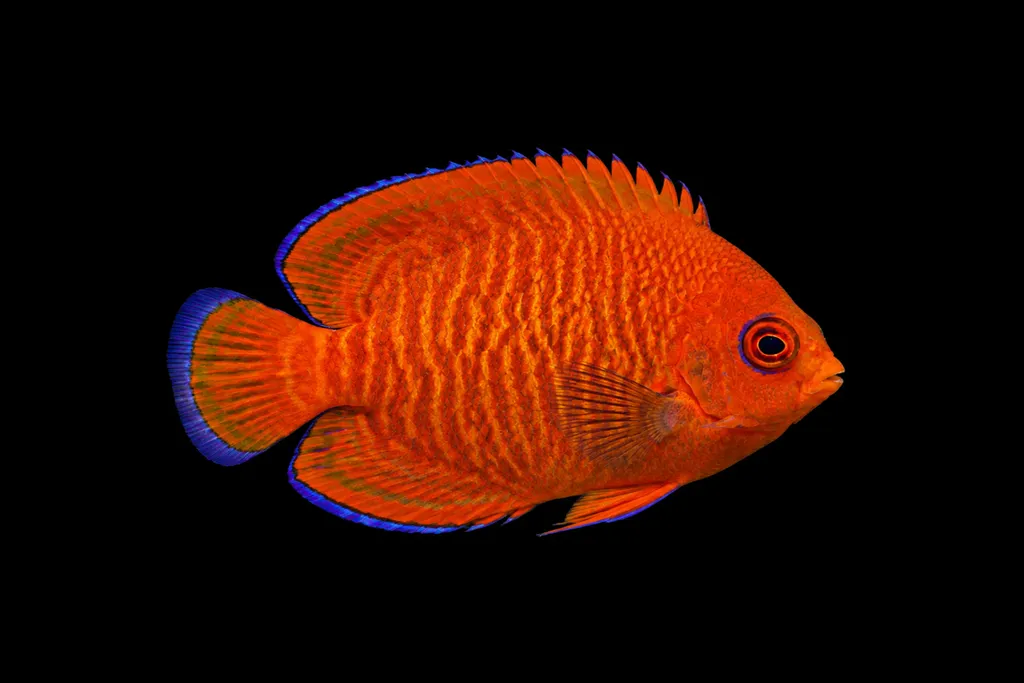 3.9 in (10 cm)55 gal (210 L)72–79°F (22–26°C)
Golden angelfish
Centropyge aurantia
3.9 in (10 cm) · 55 gal (210 L)
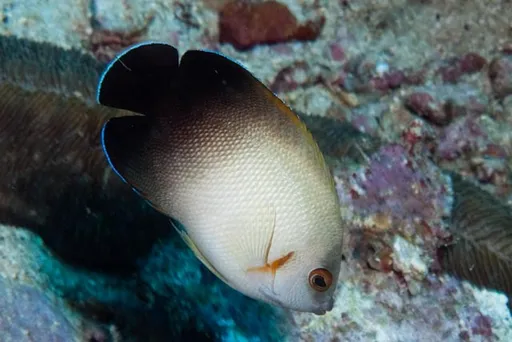 3.9 in (10 cm)55 gal (210 L)72–79°F (22–26°C)
Half-black angelfish
Centropyge vroliki
3.9 in (10 cm) · 55 gal (210 L)
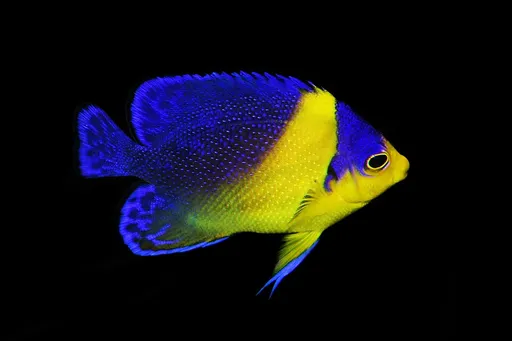 3.9 in (10 cm)55 gal (210 L)72–79°F (22–26°C)
Purple masked angelfish
Centropyge venusta
3.9 in (10 cm) · 55 gal (210 L)
 3.9 in (10 cm)30 gal (115 L)72–79°F (22–26°C)
Rusty angelfish
Centropyge ferrugata
3.9 in (10 cm) · 30 gal (115 L)