Schooling bannerfish
Heniochus diphreutes
Also known as False Moorish Idol, Pennant Butterflyfish, Pennant Coralfish
SaltwaterFish
Care at a glance
- Temperature
- 75–81°F
- 24–27°C
- pH
- 8.1–8.4
- Adult size
- 8.3 in
- 21 cm
- Minimum tank
- 124 gal
- 470 L
- Temperament
- Peaceful
- Social behavior
- Schooling
- Swim level
- Middle
- Difficulty
- Easy
- Breeding
- No record
- Rarity
- Common
- Reef safe
- Reef safe
- Family
- Chaetodontidae
- Origin
- Indo-Pacific reefs, from East Africa and the Red Sea to Hawaii and Polynesia, south to the Kermadec Islands
Overview
Peaceful with other fish and, true to its name, does best kept in a group introduced to the tank at the same time, where it shoals together rather than fighting over territory. It is reef safe and generally leaves corals, anemones, and gorgonians alone as long as it is well fed, though a hungry fish may pick at ornamental shrimp or other small invertebrates. It adapts to aquarium life more readily than most butterflyfish and accepts frozen mysis, krill, and other prepared foods without much fuss, but still benefits from two or three feedings a day given how much it eats in the wild.
In the wild
Ranges across the Indo-Pacific from East Africa and the Red Sea to Polynesia and Hawaii, north to southern Japan and south to the Kermadec Islands, typically over deep reef slopes and drop-offs where it gathers in large aggregations to feed on plankton in the current. It spends most of the day swimming well off the bottom, so it needs a long, open tank with plenty of vertical swimming room as well as live rock for shelter at night. A single fish needs at least 470 litres (125 US gal), and a school needs considerably more space to spread out.
Good to know
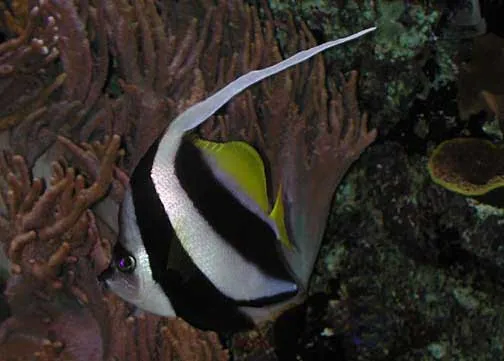
Carries the long, trailing white dorsal filament and bold black-and-white banding typical of genus Heniochus, and is often nicknamed the false moorish idol or poor man's moorish idol for its resemblance to the unrelated Zanclus cornutus. It is easily confused with the similar longfin bannerfish, Heniochus acuminatus, but has a rounder chest profile and a shorter snout, and unlike its relative it is a dedicated open-water plankton feeder rather than a bottom-picking generalist. Reaches around 21 cm.
Did you know
Buyers shopping for this species should look closely at what they are getting: it is so easily confused with the longfin bannerfish that fish sold under the schooling bannerfish name sometimes turn out to be the less reef-friendly acuminatus once they arrive, since telling the two apart takes a side-by-side look at snout length and chest shape.
Weekly picks
Tank mates
Schooling bannerfish is a peaceful, schooling species that keeps to the middle. These picks share a community profile with it, are safe together in both directions, and overlap on water type, temperature and pH.
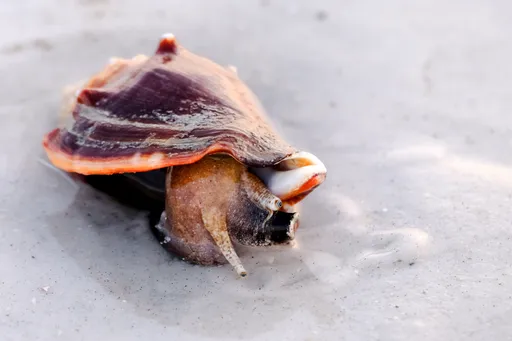
Fighting conch
Strombus alatus
Saltwater3.1 in (8 cm) · 20 gal (75 L)75–81°F (24–27°C)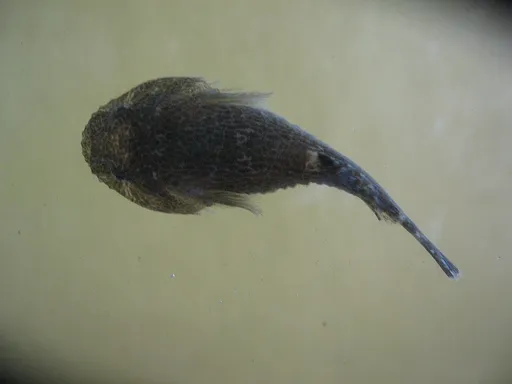
Skilletfish
Gobiesox strumosus
Saltwater3.1 in (8 cm) · 20 gal (76 L)72–79°F (22–26°C)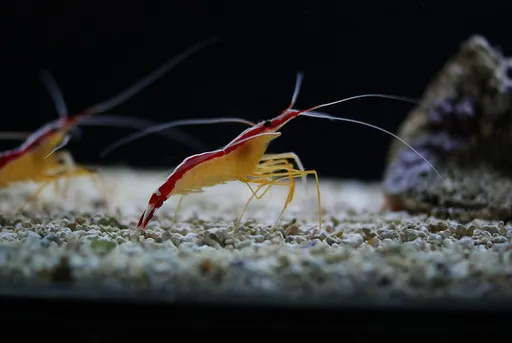
Skunk cleaner shrimp
Lysmata amboinensis
Saltwater2.4 in (6 cm) · 20 gal (75 L)73–81°F (23–27°C)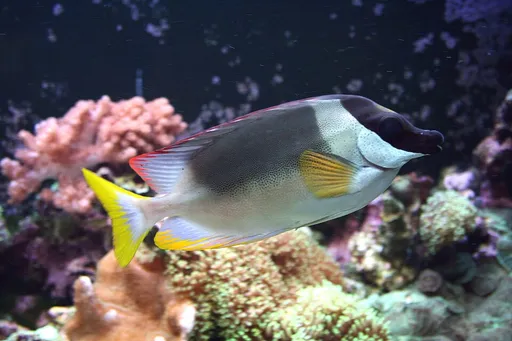
Magnificent foxface
Siganus magnificus
Saltwater9.1 in (23 cm) · 124 gal (470 L)75–81°F (24–27°C)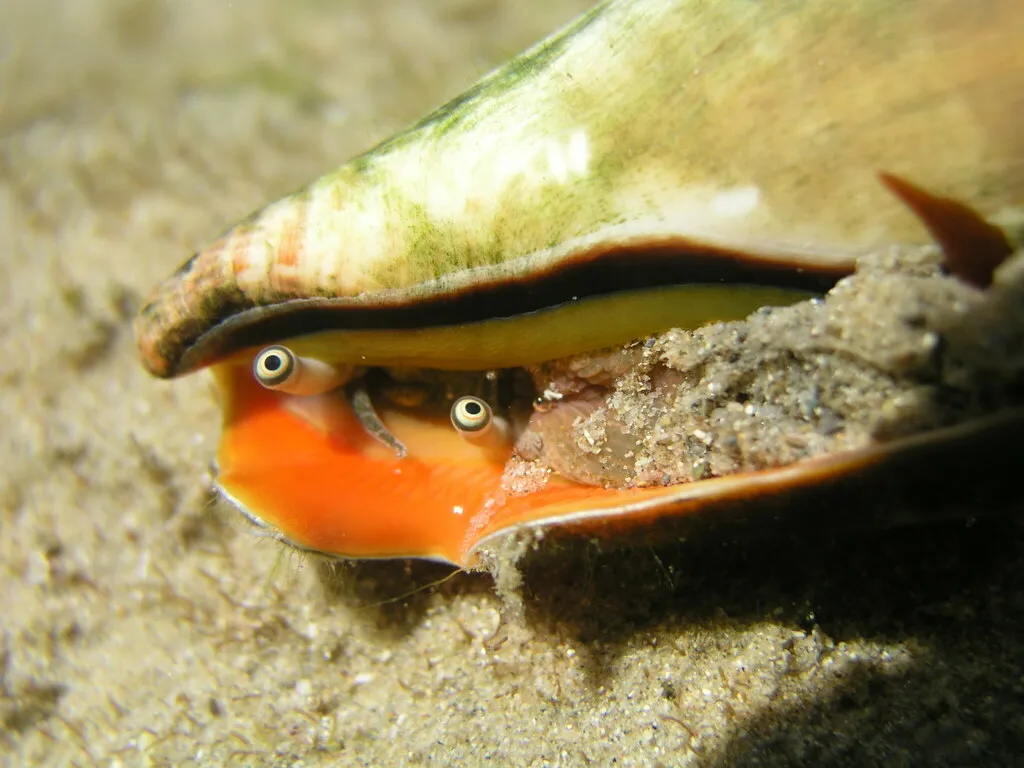
Tiger / strawberry conch
Conomurex luhuanus
Saltwater2.8 in (7 cm) · 20 gal (75 L)75–81°F (24–27°C)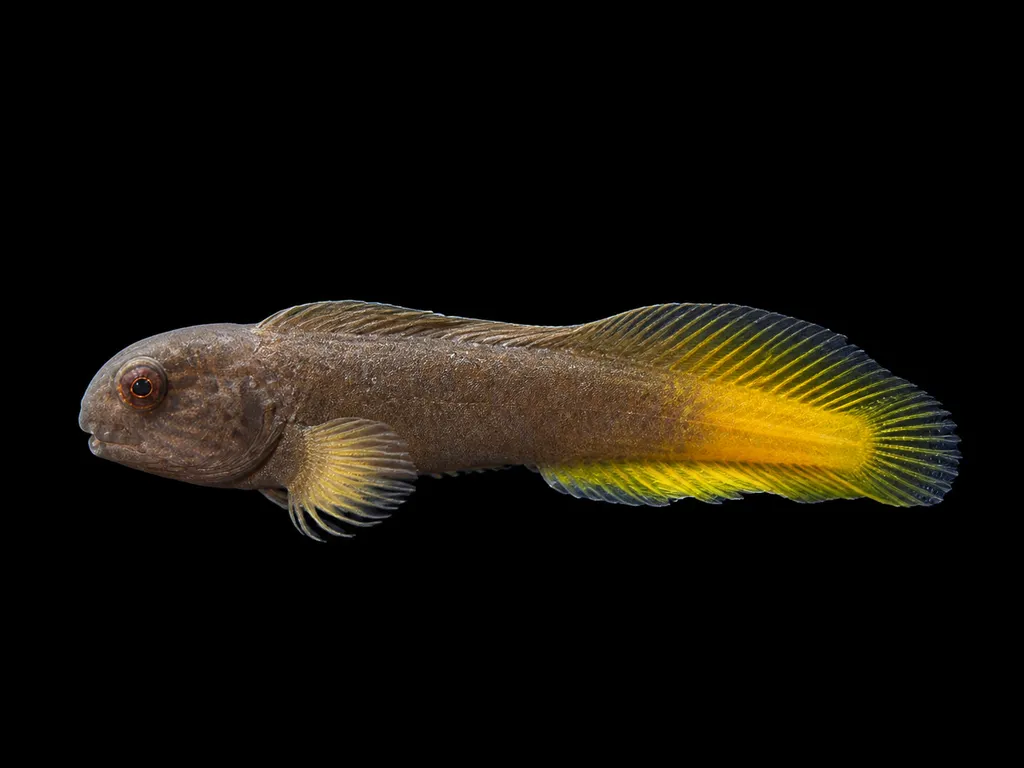
Flametail blenny
Enchelyurus flavipes
Saltwater3 in (7.5 cm) · 29 gal (110 L)72–79°F (22–26°C)
Common questions
What size tank does a Schooling bannerfish need?
A Schooling bannerfish needs at least 124 gal (470 L). It spends most of its time in the middle.
What temperature and pH does a Schooling bannerfish need?
A Schooling bannerfish is comfortable at 75–81°F (24–27°C) with a pH of 8.1–8.4.
How big does a Schooling bannerfish get?
An adult Schooling bannerfish reaches about 8.3 in (21 cm).
Does a Schooling bannerfish need a group?
Yes. A Schooling bannerfish is a schooling species and should be kept in a group, not singly.
Related species
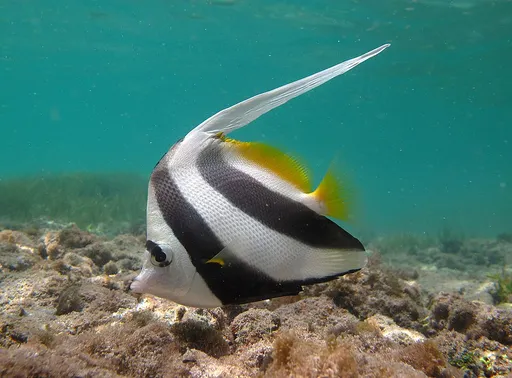 9.8 in (25 cm)127 gal (480 L)75–81°F (24–27°C)
Longfin bannerfish
Heniochus acuminatus
9.8 in (25 cm) · 127 gal (480 L)
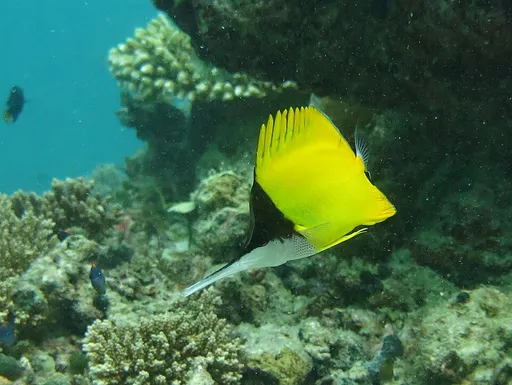 8.7 in (22 cm)100 gal (380 L)73–81°F (23–27°C)
Big longnose butterflyfish
Forcipiger longirostris
8.7 in (22 cm) · 100 gal (380 L)
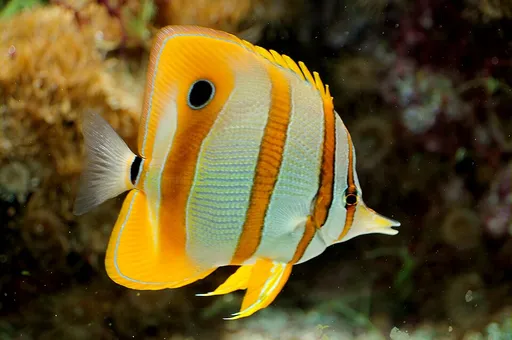 7.9 in (20 cm)79 gal (300 L)75–81°F (24–27°C)
Copperband butterflyfish
Chelmon rostratus
7.9 in (20 cm) · 79 gal (300 L)
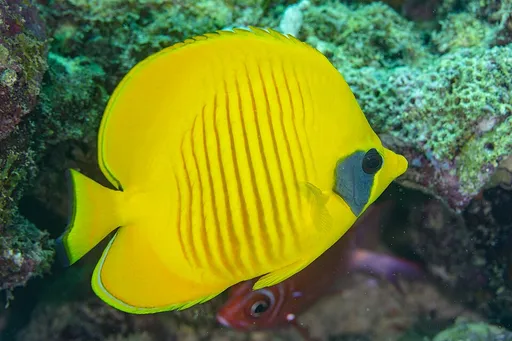 9.1 in (23 cm)151 gal (570 L)75–82°F (24–28°C)
Golden butterflyfish
Chaetodon semilarvatus
9.1 in (23 cm) · 151 gal (570 L)
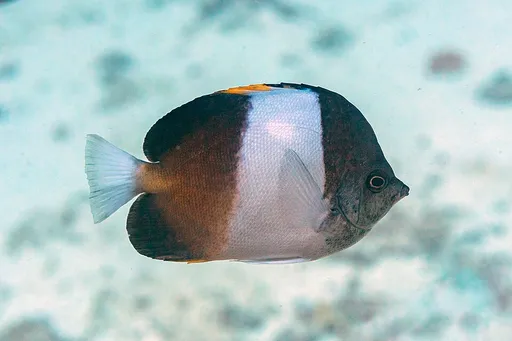 7.1 in (18 cm)106 gal (400 L)75–81°F (24–27°C)
Black pyramid butterflyfish
Hemitaurichthys zoster
7.1 in (18 cm) · 106 gal (400 L)
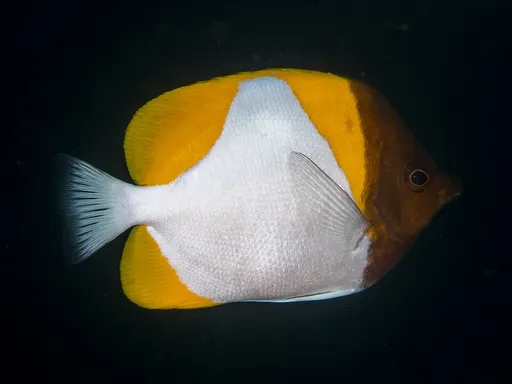 7.1 in (18 cm)124 gal (470 L)75–81°F (24–27°C)
Pyramid butterflyfish
Hemitaurichthys polylepis
7.1 in (18 cm) · 124 gal (470 L)