Copperband butterflyfish
Chelmon rostratus
Also known as Beaked Butterflyfish, Beaked Coralfish, Orange Stripe Butterfly
SaltwaterFish
Care at a glance
- Temperature
- 75–81°F
- 24–27°C
- pH
- 8.1–8.4
- Adult size
- 7.9 in
- 20 cm
- Minimum tank
- 79 gal
- 300 L
- Temperament
- Peaceful
- Social behavior
- Solitary
- Tankmates
- With caution
- Swim level
- Middle
- Diet
- Carnivore
- Difficulty
- Difficult
- Breeding
- No record
- Rarity
- Common
- Reef safe
- Reef safe with caution
- Family
- Chaetodontidae
- Origin
- Indo-West Pacific, from the Andaman Sea and Indonesia north to southern Japan and the Great Barrier Reef
Overview
The copperband butterflyfish is a peaceful reef grazer for a mature saltwater system. It is a fish for experienced keepers.
Did you know
The copperband butterflyfish is prized as a natural control for Aiptasia, the glass anemone. Many reefers buy one specifically to clear a pest anemone outbreak, though individuals vary in how reliably they hunt them.
Caring for the copperband butterflyfish
Give the copperband butterflyfish a mature tank of at least 79 gal (300 L), with plenty of established live rock. It browses the rock constantly and dislikes bright open spaces with no cover. It is rated reef safe with caution.
Keep the water quality high, at 75 to 81°F (24 to 27°C) and a pH of 8.1 to 8.4. A copperband is notoriously difficult to get feeding. It is a shy, picky eater that often needs live blackworms or fresh clam on the half shell to start.
Copperbands are slow, deliberate grazers and peaceful toward other species. They do not tolerate their own kind or similar butterflies, so keep only one. Choose calm tank mates for it.
Good to know
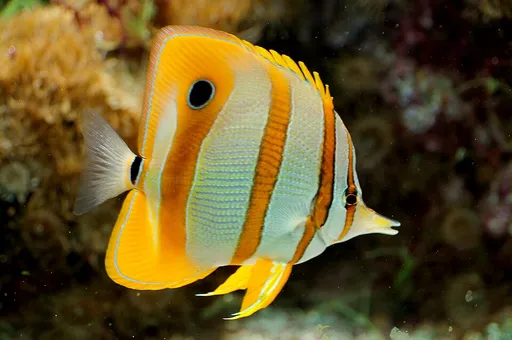
The copperband butterflyfish, Chelmon rostratus, is a member of the family Chaetodontidae. Its elongated, forceps-like snout is an adaptation for pulling small invertebrates from narrow crevices and coral heads. It carries a false eyespot, or ocellus, on the rear dorsal fin. This common butterflyfish defense misdirects predators away from the real head.
In the wild
Copperband butterflyfish come from coastal reefs, rocky shorelines and silty inshore areas across the Indo-West Pacific. They range from the Andaman Sea and Indonesia to southern Japan and the Great Barrier Reef, often in slightly turbid water near estuaries. They forage over live rock and reef structure, probing crevices with their long snout.
Common questions
What size tank does a copperband butterflyfish need?
A copperband butterflyfish needs at least 79 gal (300 L). It spends most of its time in the middle.
What temperature and pH does a copperband butterflyfish need?
A copperband butterflyfish is comfortable at 75–81°F (24–27°C) with a pH of 8.1–8.4.
What does a copperband butterflyfish eat?
A copperband butterflyfish is a shy, picky eater and notoriously difficult to get feeding. It often needs live blackworms or fresh clam on the half shell to start.
How big does a copperband butterflyfish get?
An adult copperband butterflyfish reaches about 7.9 in (20 cm).
Related species
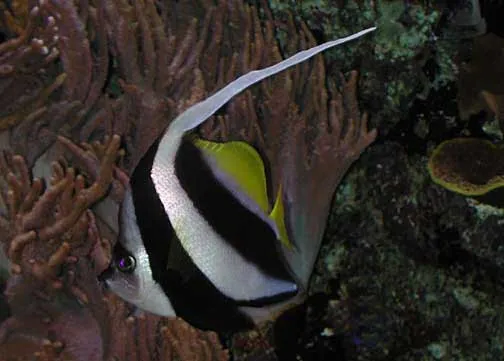 8.3 in (21 cm)124 gal (470 L)75–81°F (24–27°C)
Schooling bannerfish
Heniochus diphreutes
8.3 in (21 cm) · 124 gal (470 L)
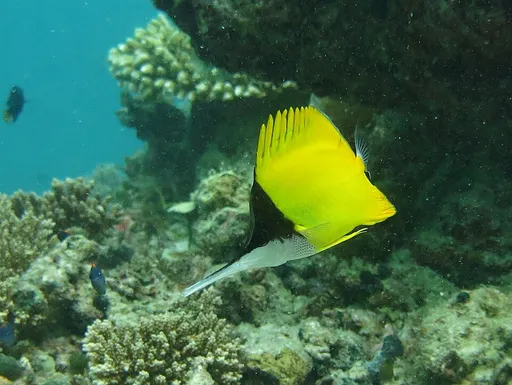 8.7 in (22 cm)100 gal (380 L)73–81°F (23–27°C)
Big longnose butterflyfish
Forcipiger longirostris
8.7 in (22 cm) · 100 gal (380 L)
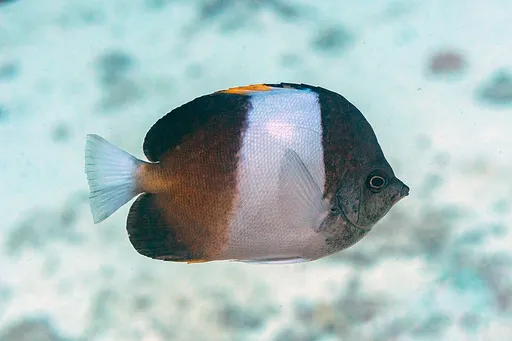 7.1 in (18 cm)106 gal (400 L)75–81°F (24–27°C)
Black pyramid butterflyfish
Hemitaurichthys zoster
7.1 in (18 cm) · 106 gal (400 L)
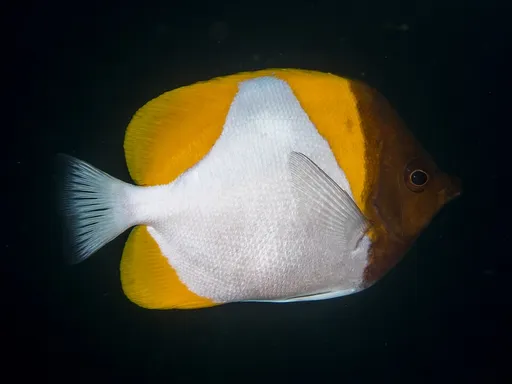 7.1 in (18 cm)124 gal (470 L)75–81°F (24–27°C)
Pyramid butterflyfish
Hemitaurichthys polylepis
7.1 in (18 cm) · 124 gal (470 L)
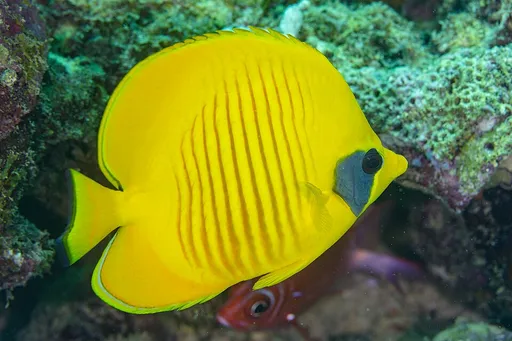 9.1 in (23 cm)151 gal (570 L)75–82°F (24–28°C)
Golden butterflyfish
Chaetodon semilarvatus
9.1 in (23 cm) · 151 gal (570 L)
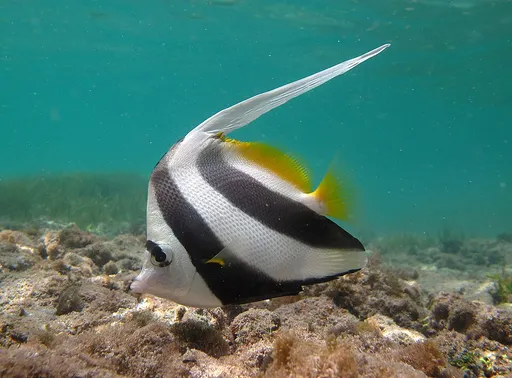 9.8 in (25 cm)127 gal (480 L)75–81°F (24–27°C)
Longfin bannerfish
Heniochus acuminatus
9.8 in (25 cm) · 127 gal (480 L)