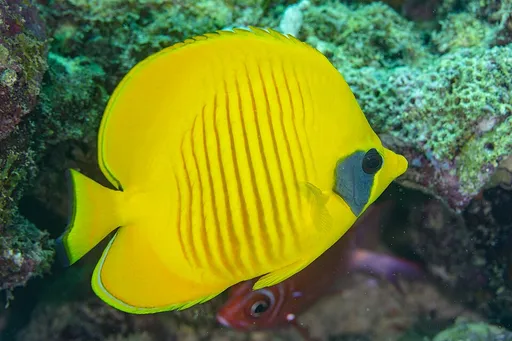
Golden butterflyfish
Chaetodon semilarvatus
Also known as Addis Butterflyfish, Bluecheek Butterflyfish, Golden Semilarvatus Butterflyfish, Masked Butterflyfish
SaltwaterFish
Care at a glance
- Temperature
- 75–82°F
- 24–28°C
- pH
- 8.1–8.4
- Adult size
- 9.1 in
- 23 cm
- Minimum tank
- 151 gal
- 570 L
- Temperament
- Peaceful
- Social behavior
- Social
- Swim level
- Middle
- Difficulty
- Medium
- Breeding
- No record
- Rarity
- Common
- Reef safe
- Not reef safe
- Family
- Chaetodontidae
- Origin
- Endemic to the Red Sea and Gulf of Aden, sheltering under table corals and rocky ledges on coastal reefs.
Overview
Give this fish a 570 litre or larger aquarium with plenty of rockwork and open water, kept at 24 to 28 C and pH 8.1 to 8.4. It is not reef safe and will nip soft corals, stony polyps, tube worms, and anemones. Feed a varied diet of mysis, enriched brine shrimp, chopped seafood, and algae based foods two or three times a day. It is peaceful with other species but can quarrel with other butterflyfish in tight quarters.
In the wild
The golden butterflyfish forms pairs and small groups that hover under table corals and overhangs during the day. It grazes on coral polyps, small invertebrates, and algae across shallow reef slopes. This is a large, deep bodied butterflyfish that needs a lot of open swimming room. It does best in a mature system with stable water and calm tankmates.
Good to know
Chaetodon semilarvatus is a member of the butterflyfish family Chaetodontidae and is restricted to the Red Sea region. The blue mask over its eyes gives it the alternate name bluecheek butterflyfish. It is one of the more coral tolerant large butterflyfish but still samples soft corals and polyps.
Did you know
Golden butterflyfish are often seen resting in pairs or trios beneath the same coral head, and a bonded pair will stay together for years.
Weekly picks
Tank mates
Golden butterflyfish is a peaceful, social species that keeps to the middle. These picks share a community profile with it, are safe together in both directions, and overlap on water type, temperature and pH.
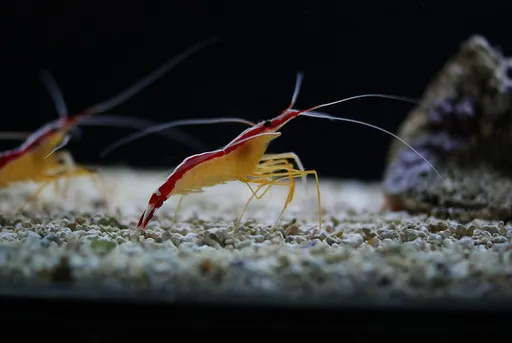
Skunk cleaner shrimp
Lysmata amboinensis
Saltwater2.4 in (6 cm) · 20 gal (75 L)73–81°F (23–27°C)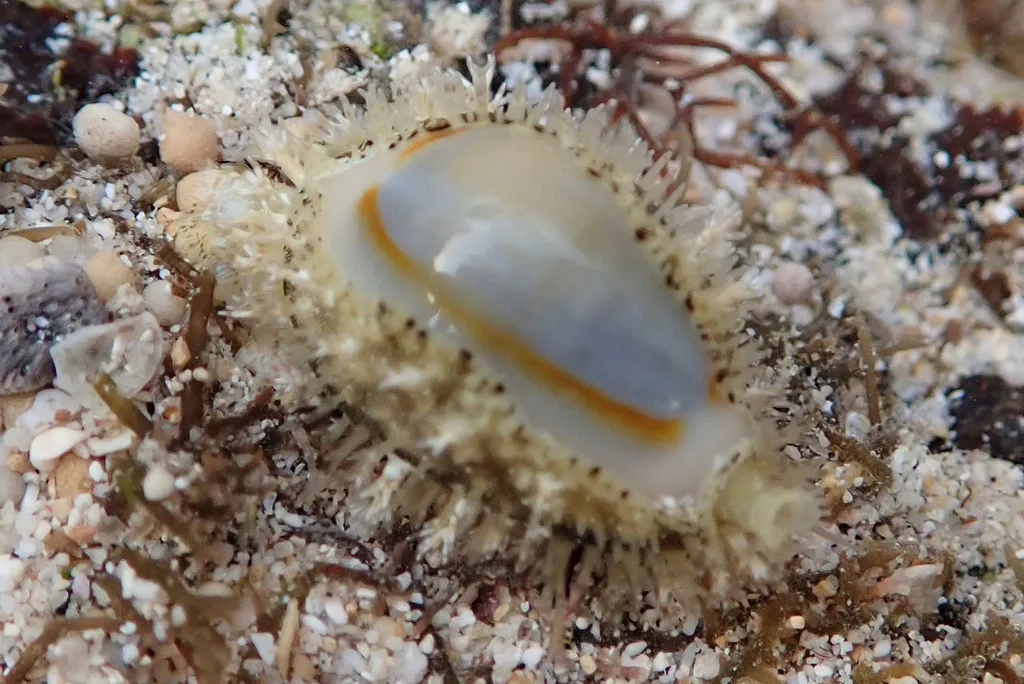
Ring cowrie
Monetaria annulus
Saltwater1.2 in (3 cm) · 20 gal (75 L)75–81°F (24–27°C)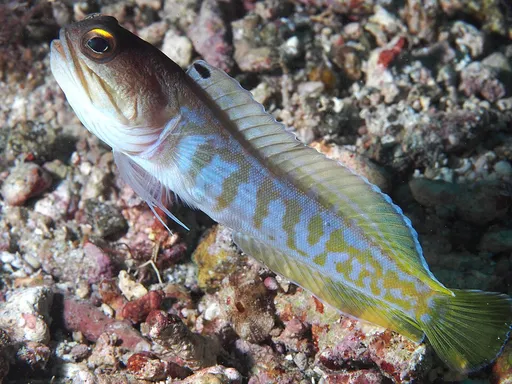
Gold-specs jawfish
Opistognathus randalli
Saltwater3.9 in (10 cm) · 30 gal (115 L)73–81°F (23–27°C)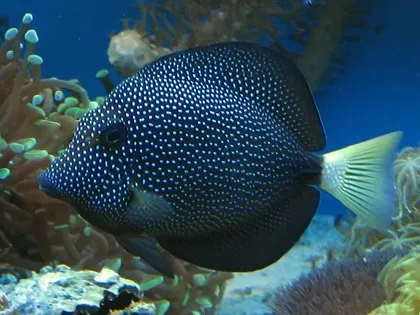
Gem tang
Zebrasoma gemmatum
Saltwater8.7 in (22 cm) · 151 gal (570 L)75–81°F (24–27°C)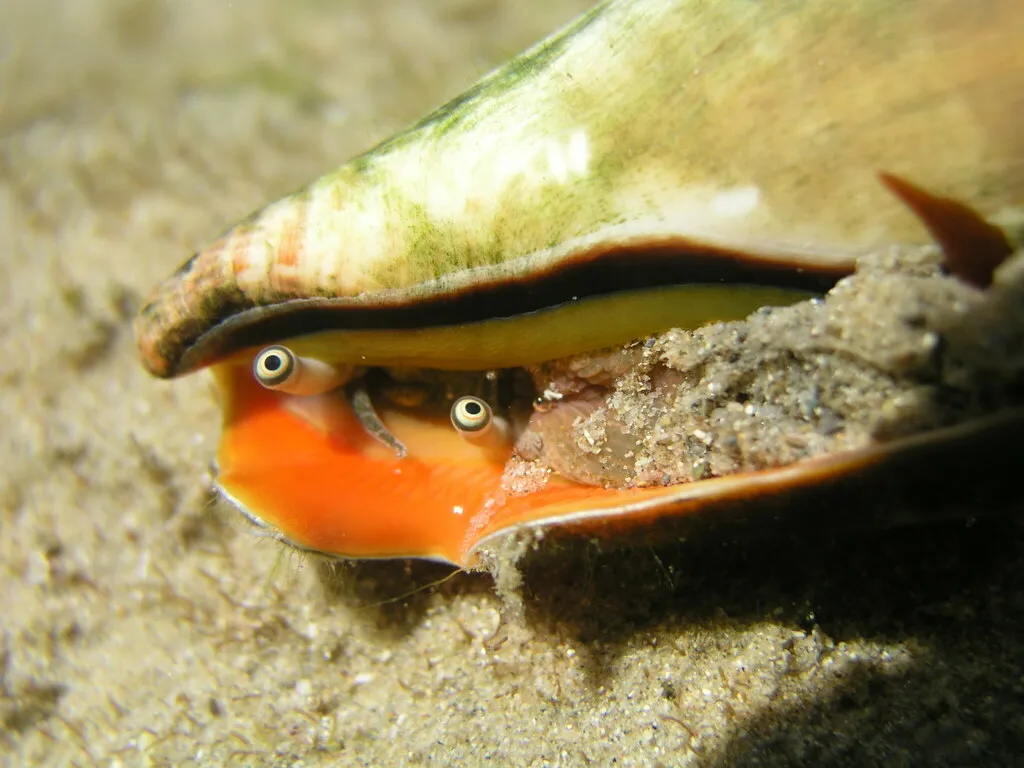
Tiger / strawberry conch
Conomurex luhuanus
Saltwater2.8 in (7 cm) · 20 gal (75 L)75–81°F (24–27°C)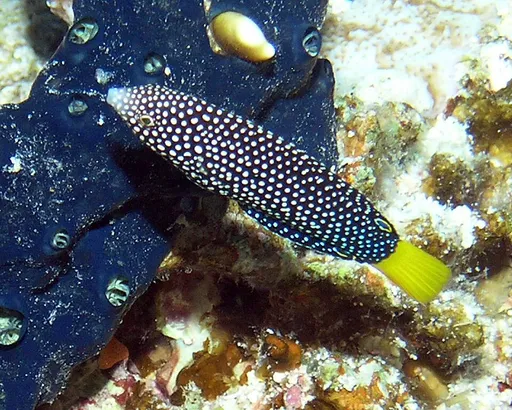
Yellowtail tamarin wrasse
Anampses meleagrides
Saltwater8.7 in (22 cm) · 90 gal (340 L)73–81°F (23–27°C)
Common questions
What size tank does a Golden butterflyfish need?
A Golden butterflyfish needs at least 151 gal (570 L). It spends most of its time in the middle.
What temperature and pH does a Golden butterflyfish need?
A Golden butterflyfish is comfortable at 75–82°F (24–28°C) with a pH of 8.1–8.4.
How big does a Golden butterflyfish get?
An adult Golden butterflyfish reaches about 9.1 in (23 cm).
Related species
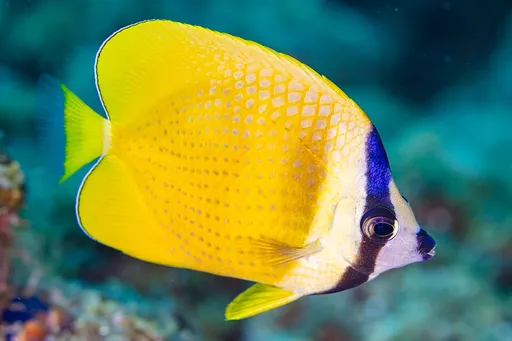 5.9 in (15 cm)79 gal (300 L)75–81°F (24–27°C)
Klein's butterflyfish
Chaetodon kleinii
5.9 in (15 cm) · 79 gal (300 L)
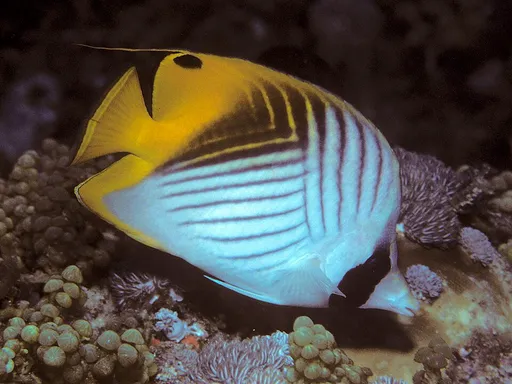 9.1 in (23 cm)79 gal (300 L)75–81°F (24–27°C)
Threadfin butterflyfish
Chaetodon auriga
9.1 in (23 cm) · 79 gal (300 L)
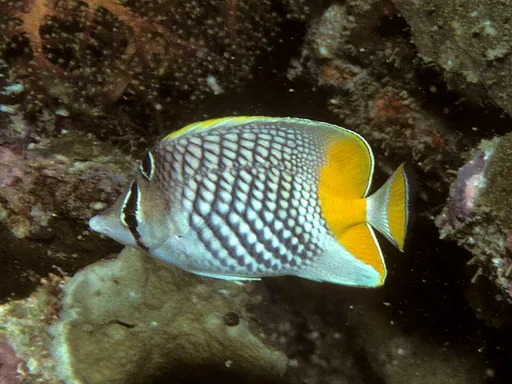 5.5 in (14 cm)75 gal (285 L)73–81°F (23–27°C)
Pearlscale butterflyfish
Chaetodon xanthurus
5.5 in (14 cm) · 75 gal (285 L)
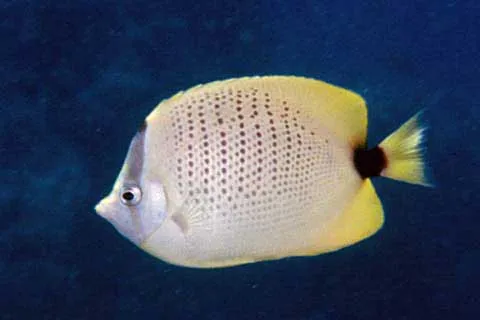 5.1 in (13 cm)75 gal (285 L)72–79°F (22–26°C)
Milletseed butterflyfish
Chaetodon miliaris
5.1 in (13 cm) · 75 gal (285 L)
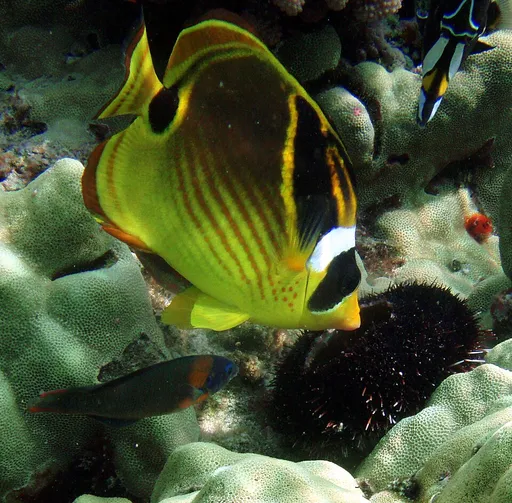 7.9 in (20 cm)106 gal (400 L)75–81°F (24–27°C)
Raccoon butterflyfish
Chaetodon lunula
7.9 in (20 cm) · 106 gal (400 L)
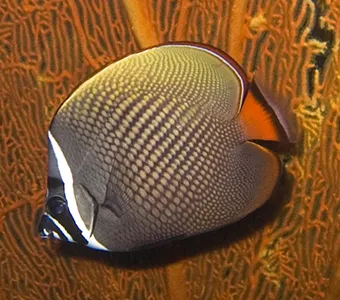 7.1 in (18 cm)90 gal (340 L)73–81°F (23–27°C)
Collare butterflyfish
Chaetodon collare
7.1 in (18 cm) · 90 gal (340 L)