Raccoon butterflyfish
Chaetodon lunula
Also known as Crescent-masked Butterflyfish, Halfmoon Butterflyfish, Lunule Butterflyfish
SaltwaterFish
Care at a glance
- Temperature
- 75–81°F
- 24–27°C
- pH
- 8.1–8.4
- Adult size
- 7.9 in
- 20 cm
- Minimum tank
- 106 gal
- 400 L
- Temperament
- Mostly peaceful
- Social behavior
- Solitary
- Swim level
- Middle
- Difficulty
- Medium
- Breeding
- No record
- Rarity
- Common
- Reef safe
- Not reef safe
- Family
- Chaetodontidae
- Origin
- Indo-Pacific and Red Sea reefs, from East Africa to Hawaii and the Marquesas, south to Lord Howe Island
Overview
Not reef safe: it is one of the more food-driven butterflyfish and will pick at soft corals, large-polyp stony corals, anemones, tubeworms, and clam mantles, so it belongs in a fish-only or fish-only-with-live-rock system rather than a reef tank. It can be a bit more assertive at feeding time than other butterflyfish and may squabble with its own kind unless a pair is introduced together, but it otherwise mixes well with similarly sized tankmates. It is a strong eater once settled, taking mysis, chopped seafood, marine pellets, and algae-based foods, though newly imported fish sometimes need a few quiet, dimly lit days before they start feeding on their normal nocturnal schedule.
In the wild
Found across the Indo-Pacific and Red Sea from East Africa to Hawaii and the Marquesas, north to Japan and south to Lord Howe Island, on lagoon and seaward reefs where it shelters under coral ledges and in caves by day. It is mostly nocturnal in the wild, becoming most active around dusk, so it should be given plenty of rockwork with caves and overhangs to retreat into during the day. It also needs a well-established tank, since it is sensitive to copper-based medications and poor water quality. A tank of at least 400 litres (106 US gal) suits a single fish.
Good to know
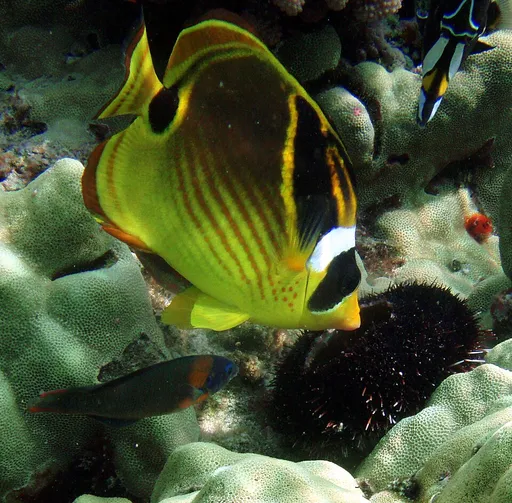
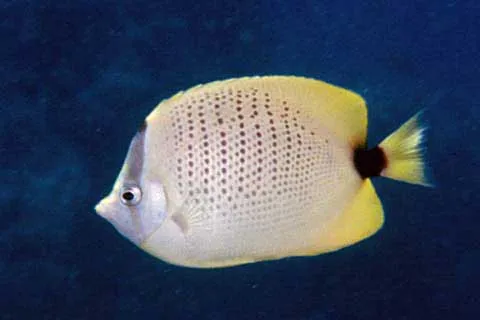
Named for the black bandit-mask marking across its eyes, which resembles a raccoon's face, paired with a black crescent edged in white just behind it, the marking that gives the species its name lunula, or little moon. It reaches about 20 cm and, like many nocturnal reef fish, can shift into a duller, blotchy night pattern that helps it blend into the reef while it rests.
Did you know
Its nocturnal habits are strong enough that new arrivals often hide through the first several days in a tank and only come out to feed as the lights dim, which can look like a sick or stressed fish when it is really just running on a reef-appropriate schedule.
Weekly picks
Tank mates
Raccoon butterflyfish is a mostly peaceful, solitary species that keeps to the middle. These picks share a community profile with it, are safe together in both directions, and overlap on water type, temperature and pH.
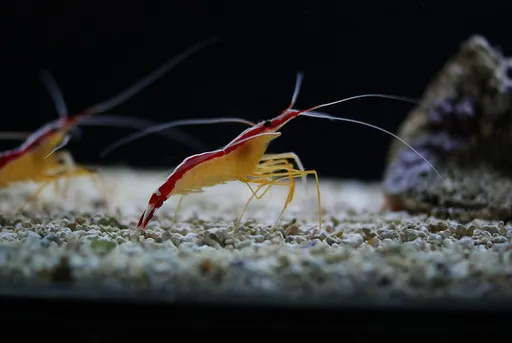
Skunk cleaner shrimp
Lysmata amboinensis
Saltwater2.4 in (6 cm) · 20 gal (75 L)73–81°F (23–27°C)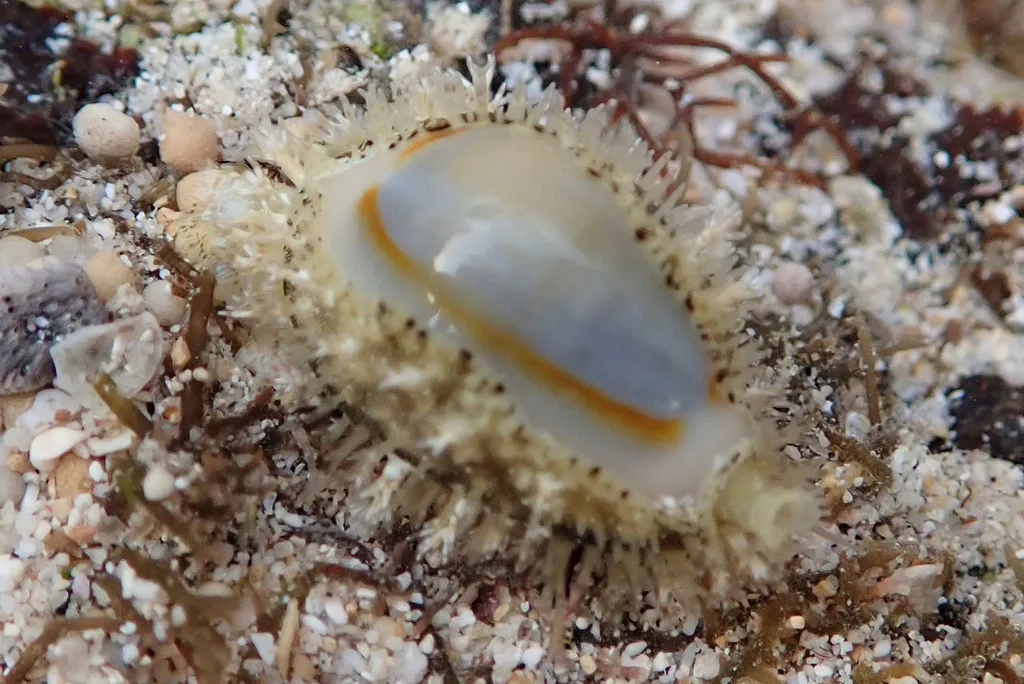
Ring cowrie
Monetaria annulus
Saltwater1.2 in (3 cm) · 20 gal (75 L)75–81°F (24–27°C)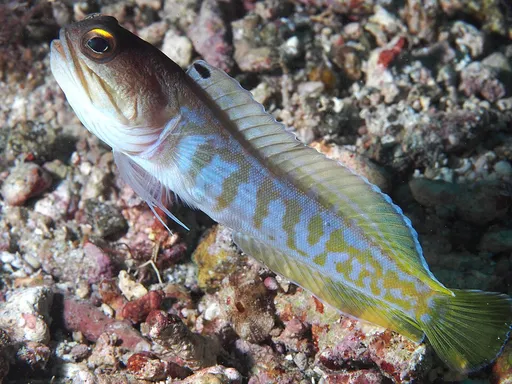
Gold-specs jawfish
Opistognathus randalli
Saltwater3.9 in (10 cm) · 30 gal (115 L)73–81°F (23–27°C)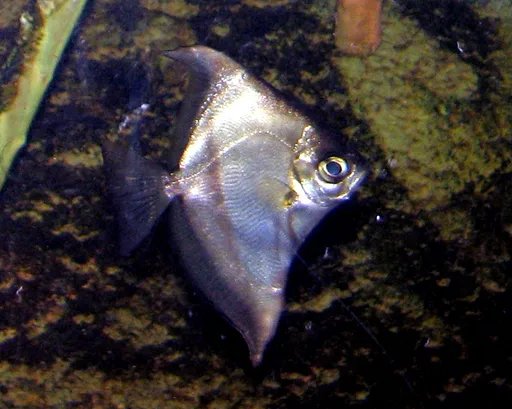
Sebae mono
Monodactylus sebae
BrackishSaltwater7.9 in (20 cm) · 119 gal (450 L)75–82°F (24–28°C)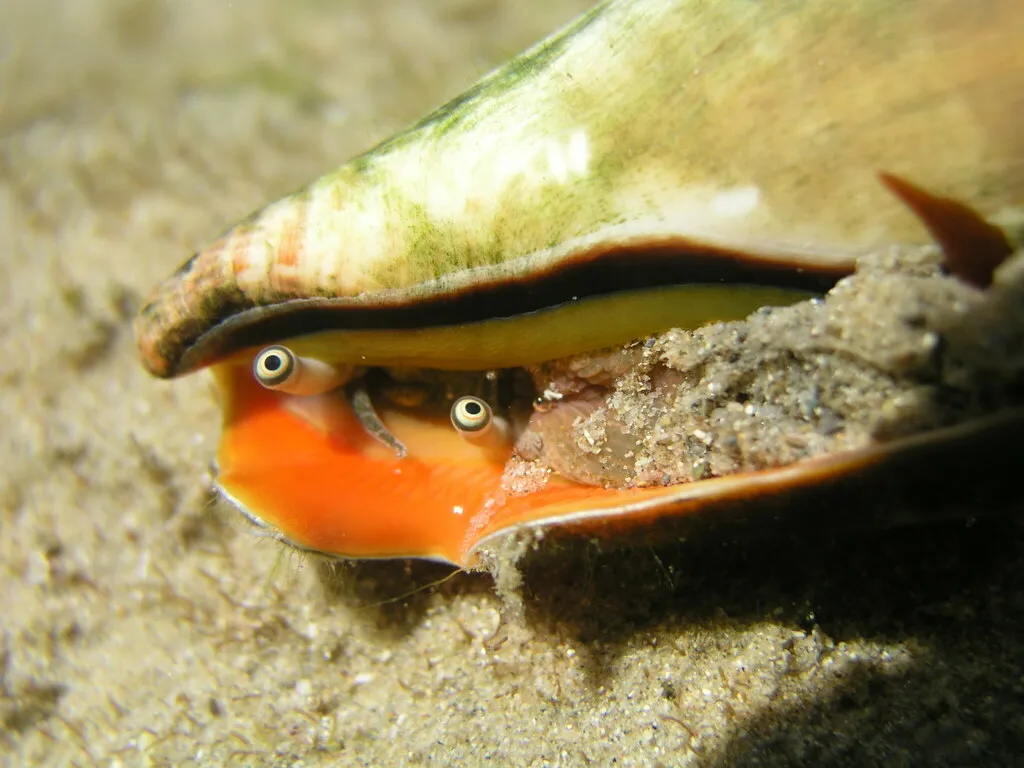
Tiger / strawberry conch
Conomurex luhuanus
Saltwater2.8 in (7 cm) · 20 gal (75 L)75–81°F (24–27°C)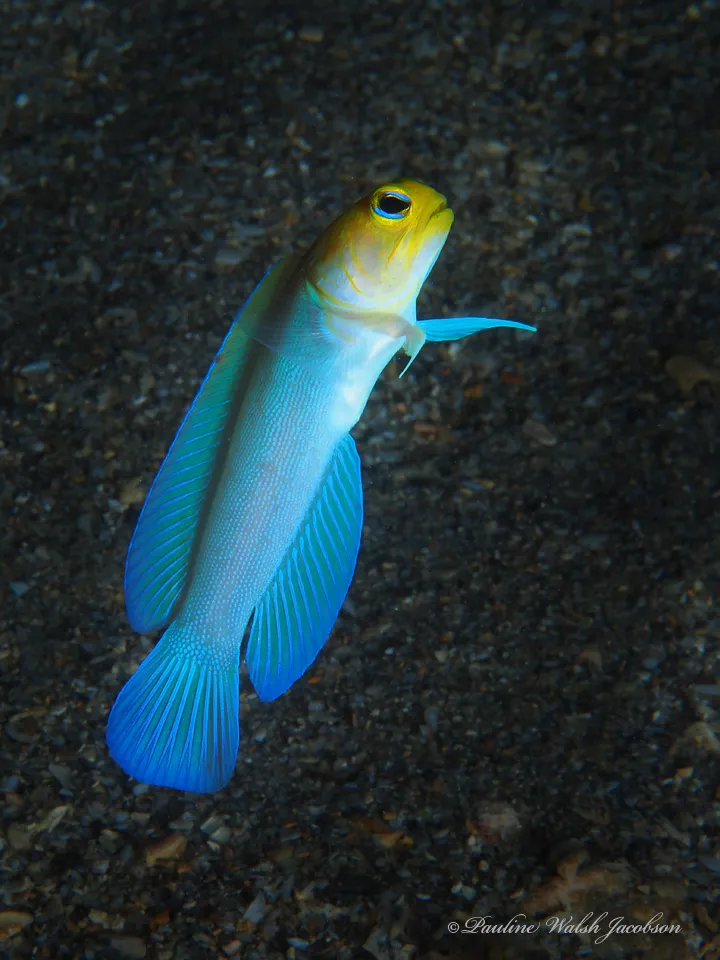
Pearly jawfish
Opistognathus aurifrons
Saltwater3.9 in (10 cm) · 29 gal (110 L)73–81°F (23–27°C)
Common questions
What size tank does a Raccoon butterflyfish need?
A Raccoon butterflyfish needs at least 106 gal (400 L). It spends most of its time in the middle.
What temperature and pH does a Raccoon butterflyfish need?
A Raccoon butterflyfish is comfortable at 75–81°F (24–27°C) with a pH of 8.1–8.4.
How big does a Raccoon butterflyfish get?
An adult Raccoon butterflyfish reaches about 7.9 in (20 cm).
Related species
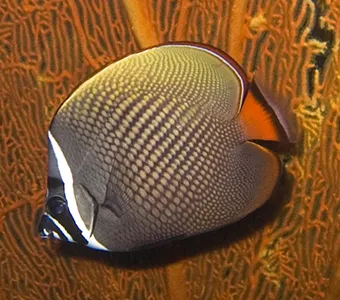 7.1 in (18 cm)90 gal (340 L)73–81°F (23–27°C)
Collare butterflyfish
Chaetodon collare
7.1 in (18 cm) · 90 gal (340 L)
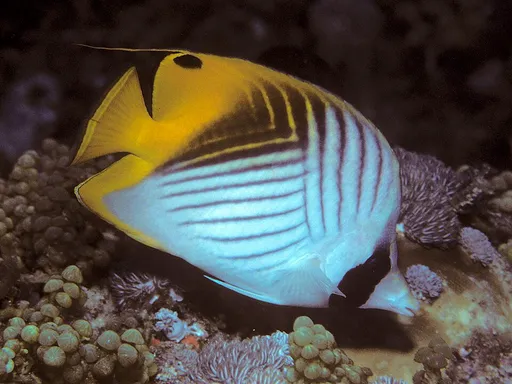 9.1 in (23 cm)79 gal (300 L)75–81°F (24–27°C)
Threadfin butterflyfish
Chaetodon auriga
9.1 in (23 cm) · 79 gal (300 L)
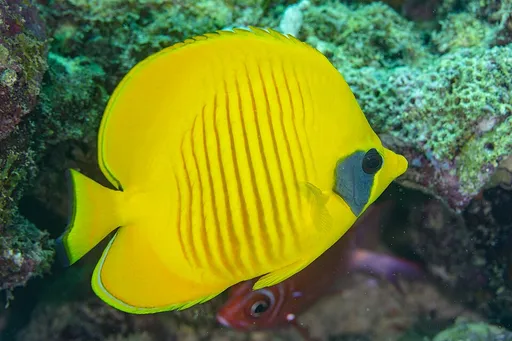 9.1 in (23 cm)151 gal (570 L)75–82°F (24–28°C)
Golden butterflyfish
Chaetodon semilarvatus
9.1 in (23 cm) · 151 gal (570 L)
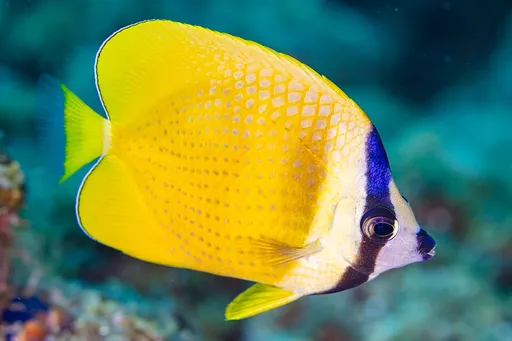 5.9 in (15 cm)79 gal (300 L)75–81°F (24–27°C)
Klein's butterflyfish
Chaetodon kleinii
5.9 in (15 cm) · 79 gal (300 L)
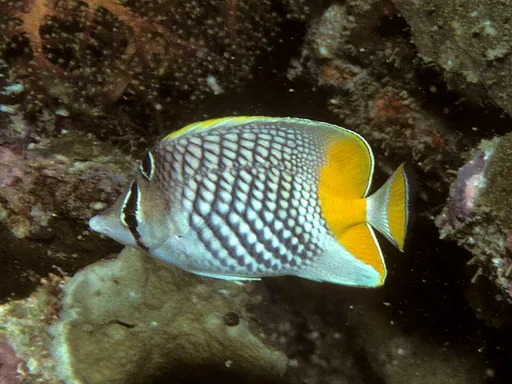 5.5 in (14 cm)75 gal (285 L)73–81°F (23–27°C)
Pearlscale butterflyfish
Chaetodon xanthurus
5.5 in (14 cm) · 75 gal (285 L)
 5.1 in (13 cm)75 gal (285 L)72–79°F (22–26°C)
Milletseed butterflyfish
Chaetodon miliaris
5.1 in (13 cm) · 75 gal (285 L)