Dwarf seahorse
Hippocampus zosterae
Also known as Pygmy seahorse, Little seahorse, Pixie seahorse, Dwarf pygmy seahorse
SaltwaterFish
Care at a glance
- Temperature
- 68–79°F
- 20–26°C
- pH
- 8.0–8.4
- Adult size
- 1.4 in
- 3.5 cm
- Minimum tank
- 5 gal
- 20 L
- Temperament
- Peaceful
- Social behavior
- Social
- Tankmates
- With caution
- Swim level
- Middle
- Diet
- Carnivore
- Difficulty
- Difficult
- Breeding
- Medium
- Rarity
- Common
- Reef safe
- Reef safe with caution
- Family
- Syngnathidae
- Origin
- Native to the western Atlantic, the Gulf of Mexico and the Caribbean, living in shallow seagrass beds and floating weed.
Overview
The dwarf seahorse is a tiny, peaceful seahorse for a dedicated nano tank. It is a fish for experienced keepers, since its care revolves around live food.
Did you know
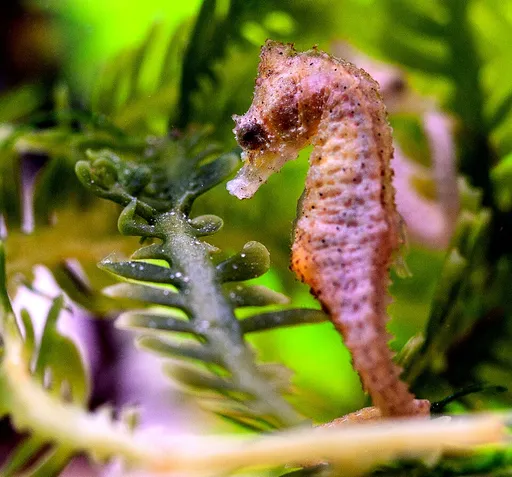
Dwarf seahorses are so slow that algae and tiny animals grow right on their skin, which helps camouflage them. They are officially among the slowest-moving fish ever recorded, with a place in the Guinness records.
Caring for the dwarf seahorse
Keep a group of dwarf seahorses in a small, dedicated nano tank of 5 gal (20 L) up to around 40 liters. Use only a gentle sponge filter, since power filters suck them in. Hold the water at 68 to 79°F (20 to 26°C) and a pH of 8.0 to 8.4.
Because they are so small, dwarf seahorses must eat almost constantly. Feed newly hatched live baby brine shrimp several times a day, which means running a brine hatchery at home.
Keep them with their own kind, since almost any other tank mate outcompetes or eats them. Add anything else only with great caution.
They breed readily, and a pair will produce broods of tiny fry regularly. They are one of the easiest seahorses to breed at home.
Good to know
Hippocampus zosterae is one of the smallest seahorses in the world. It comes in tan, cream, green and near-black.
In the wild
The dwarf seahorse lives in shallow seagrass beds and floating weed in the western Atlantic, the Gulf of Mexico and the Caribbean. It clings to blades of seagrass in the shallows off Florida and the Gulf.
Common questions
What size tank does a dwarf seahorse need?
A dwarf seahorse needs at least 5 gal (20 L). It spends most of its time in the middle.
What temperature and pH does a dwarf seahorse need?
A dwarf seahorse is comfortable at 68–79°F (20–26°C) with a pH of 8.0–8.4.
What does a dwarf seahorse eat?
A dwarf seahorse eats newly hatched live baby brine shrimp, fed several times a day. It is so small that it must eat almost constantly.
How big does a dwarf seahorse get?
An adult dwarf seahorse reaches about 1.4 in (3.5 cm).
How does a dwarf seahorse breed?
Dwarf seahorses breed readily, and a pair regularly turns out broods of tiny fry. Among seahorses, they are one of the easiest to breed at home.
Related species
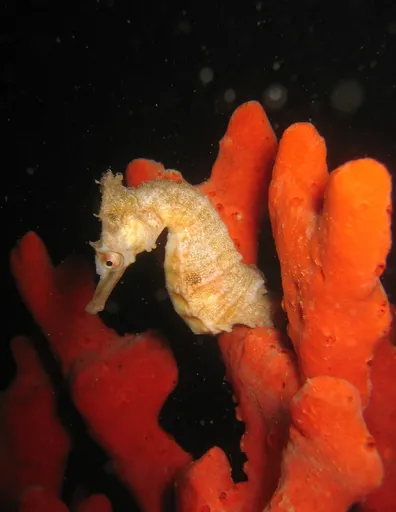 6.3 in (16 cm)30 gal (114 L)68–75°F (20–24°C)
White's seahorse
Hippocampus whitei
6.3 in (16 cm) · 30 gal (114 L)
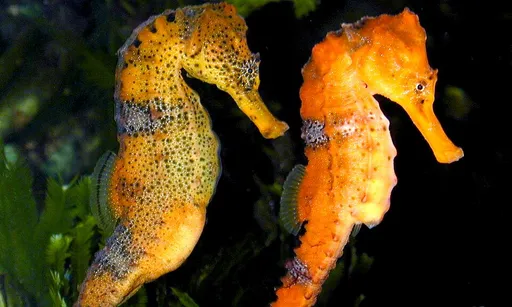 6.7 in (17 cm)29 gal (110 L)72–81°F (22–27°C)
Brazilian seahorse
Hippocampus reidi
6.7 in (17 cm) · 29 gal (110 L)
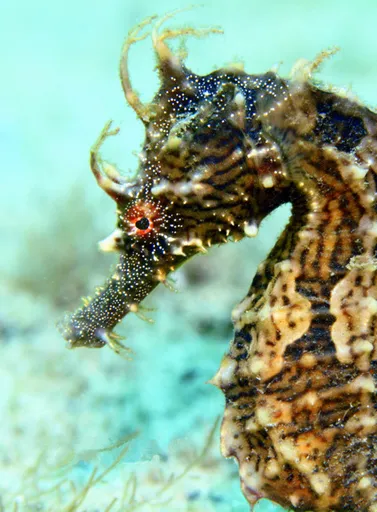 7.1 in (18 cm)29 gal (110 L)68–79°F (20–26°C)
Lined seahorse
Hippocampus erectus
7.1 in (18 cm) · 29 gal (110 L)
 7.9 in (20 cm)40 gal (150 L)72–81°F (22–27°C)
Yellow seahorse
Hippocampus kuda
7.9 in (20 cm) · 40 gal (150 L)
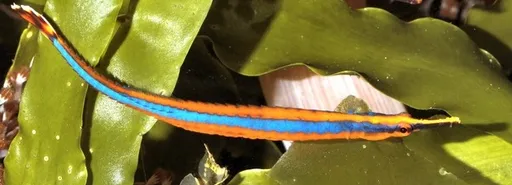 2.8 in (7 cm)26 gal (100 L)75–81°F (24–27°C)
Bluestripe pipefish
Doryrhamphus excisus
2.8 in (7 cm) · 26 gal (100 L)
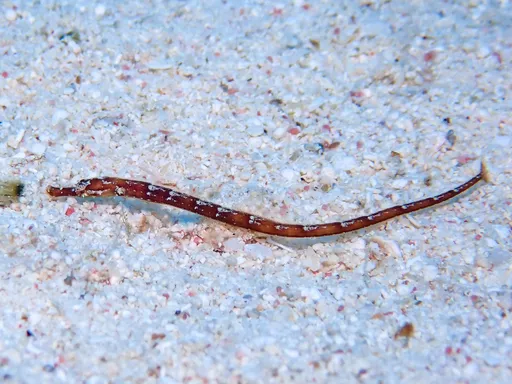 5.9 in (15 cm)20 gal (76 L)68–75°F (20–24°C)
Shortfin pipefish
Cosmocampus elucens
5.9 in (15 cm) · 20 gal (76 L)