Brazilian seahorse
Hippocampus reidi
Also known as Longsnout seahorse, Slender seahorse, Reid's seahorse, Brazilian longsnout seahorse
SaltwaterFish
Care at a glance
- Temperature
- 72–81°F
- 22–27°C
- pH
- 8.0–8.4
- Adult size
- 6.7 in
- 17 cm
- Minimum tank
- 29 gal
- 110 L
- Temperament
- Peaceful
- Social behavior
- Social
- Tankmates
- With caution
- Swim level
- Middle
- Diet
- Carnivore
- Difficulty
- Difficult
- Breeding
- Pouch brooder · Medium
- Rarity
- Common
- Reef safe
- Reef safe with caution
- Family
- Syngnathidae
- Origin
- Native to the western Atlantic from the Caribbean to Brazil, living among mangroves, seagrass and sponge on calm bottoms.
Overview
The Brazilian seahorse is a slender, brightly colored seahorse for a calm species tank. It is a seahorse for experienced keepers.
Did you know
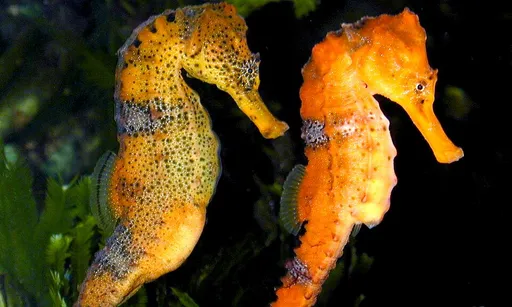
The Brazilian seahorse can flush an intense lemon-yellow or orange when courting. It does the same when it settles into a favorite spot.
Caring for the Brazilian seahorse
Give Brazilian seahorses a tall species tank of at least 29 gal (110 L), with gentle flow and many hitching posts. Hold the water at 72 to 81°F (22 to 27°C) and a pH of 8.0 to 8.4. It is a tropical species and prefers warmer water than the lined seahorse.
Good water quality and a low bacterial load are critical, since seahorses are prone to skin and gas-bubble problems. Choose captive-bred fish, and feed them enriched frozen mysis shrimp once or twice a day.
Keep them in pairs or groups. House them only with calm, slow tank mates, and avoid fast fish, stinging anemones and aggressive corals.
Males brood the eggs in a belly pouch and can release well over a hundred fully formed fry at once. Breeding them is moderately hard.
Good to know
Hippocampus reidi is a slender, long-snouted seahorse with a long, thin body and a curling tail it uses to grip decor. It is prized for how strongly it holds warm colors, often appearing in vivid yellow, orange or red with fine dark speckling. Captive-bred fish are among the most colorful and most available seahorses in the hobby.
In the wild
The Brazilian seahorse is native to the western Atlantic, from the Caribbean to Brazil. It lives among mangroves, seagrass and sponge on calm bottoms.
Common questions
What size tank does a Brazilian seahorse need?
A Brazilian seahorse needs at least 29 gal (110 L). It spends most of its time in the middle.
What temperature and pH does a Brazilian seahorse need?
A Brazilian seahorse is comfortable at 72–81°F (22–27°C) with a pH of 8.0–8.4.
What does a Brazilian seahorse eat?
A Brazilian seahorse eats enriched frozen mysis shrimp. Feed it once or twice a day.
How big does a Brazilian seahorse get?
An adult Brazilian seahorse reaches about 6.7 in (17 cm).
How does a Brazilian seahorse breed?
Male Brazilian seahorses brood the eggs in a belly pouch. A male can release well over a hundred fully formed fry at once, and breeding them is moderately hard.
Related species
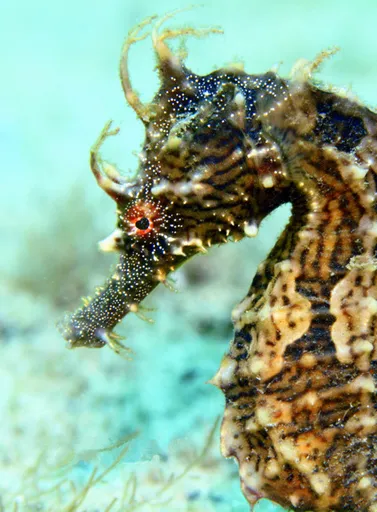 7.1 in (18 cm)29 gal (110 L)68–79°F (20–26°C)
Lined seahorse
Hippocampus erectus
7.1 in (18 cm) · 29 gal (110 L)
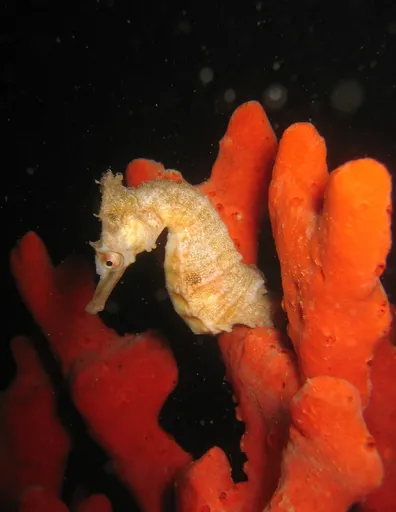 6.3 in (16 cm)30 gal (114 L)68–75°F (20–24°C)
White's seahorse
Hippocampus whitei
6.3 in (16 cm) · 30 gal (114 L)
 7.9 in (20 cm)40 gal (150 L)72–81°F (22–27°C)
Yellow seahorse
Hippocampus kuda
7.9 in (20 cm) · 40 gal (150 L)
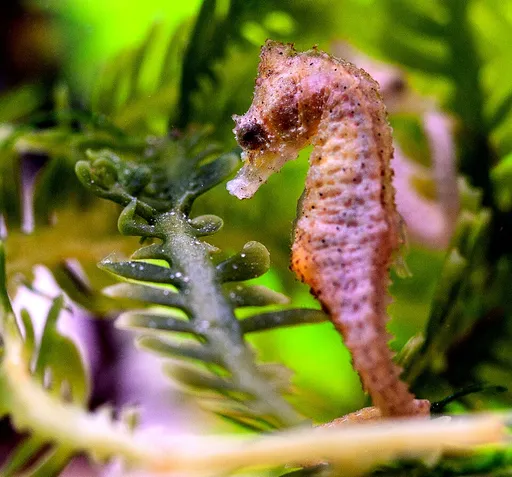 1.4 in (3.5 cm)5 gal (20 L)68–79°F (20–26°C)
Dwarf seahorse
Hippocampus zosterae
1.4 in (3.5 cm) · 5 gal (20 L)
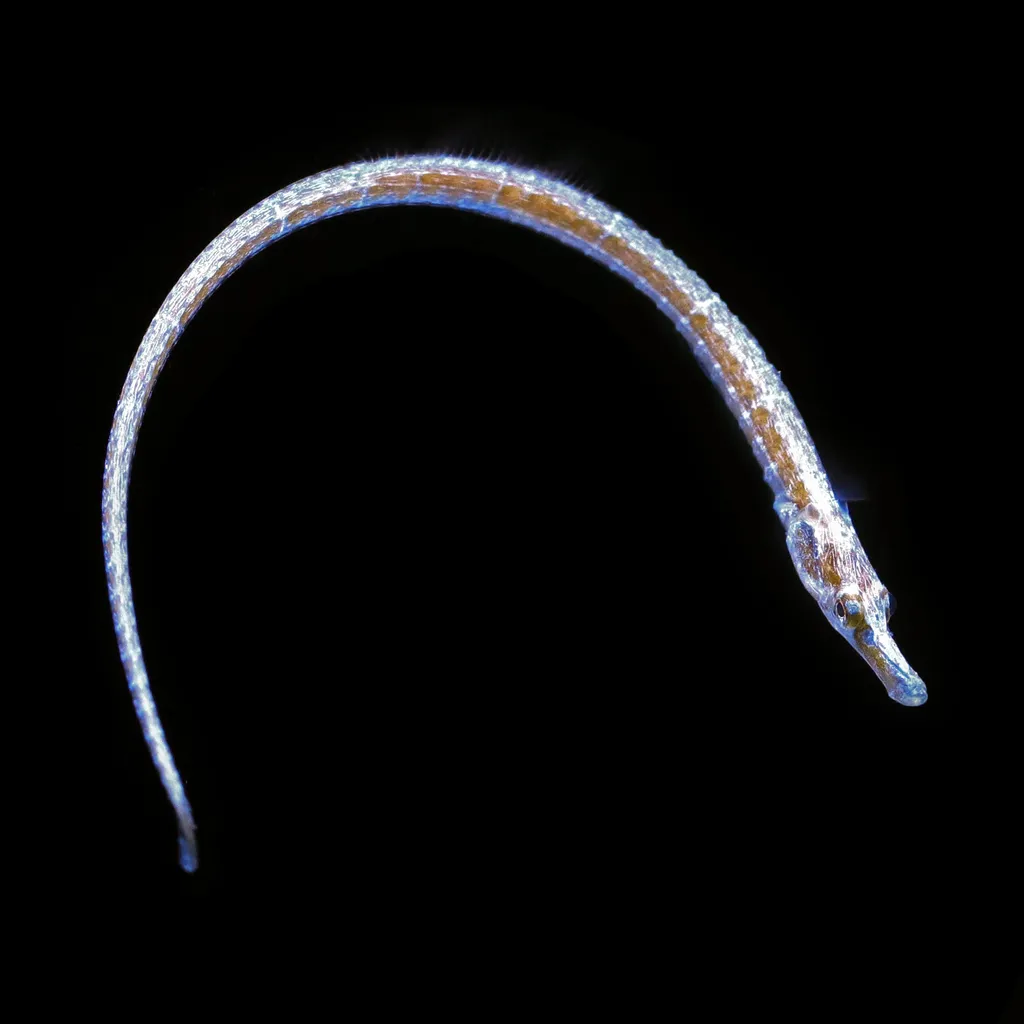 7.1 in (18 cm)20 gal (76 L)68–75°F (20–24°C)
Gulf pipefish
Syngnathus scovelli
7.1 in (18 cm) · 20 gal (76 L)
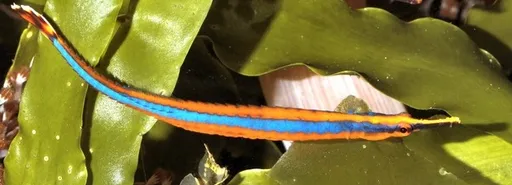 2.8 in (7 cm)26 gal (100 L)75–81°F (24–27°C)
Bluestripe pipefish
Doryrhamphus excisus
2.8 in (7 cm) · 26 gal (100 L)